
Sign up to save your podcasts
Or

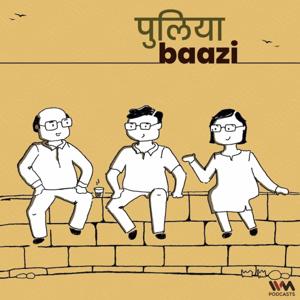


How and why do Indian political parties use digital platforms such as Twitter even though only a small percentage of the Indian population is on this platform? Is a techno-savvy image a bane or a boon for a politician in India? Are different social media platforms suited for different kinds of political uses? Listen to this Puliyabaazi with Joyojeet Pal (@joyopal) who researches the use of social media in mainstream politics, specifically around political brand building in India. Joyojeet is an Associate Professor at the University of Michigan, Ann Arbor, on leave at Microsoft Research India, where he is part of the Technology for Emerging Markets group.
Disclaimer: The views shared are personal and not linked to the organisations the guest is a part of.
इस बार की पुलियाबाज़ी राजनीति और सोशल मीडिया पर, प्रॉफेसर जोयोजीत पाल (@joyopal) के साथ | जोयोजीत ने सोशल मीडिया और टेक्नॉलजी का राजनीतिक गुट कैसे उपयोग करते है उस पर काफ़ी शोधकार्य किया है | उनके साथ हमने इन सवालों पर चर्चा की:
१. COVID-१९ के दौरान सोशल मीडिया पर झूठी खबरें किस तरह बदली है?
२. ऐसा क्या है ट्विटर में कि वह रजनैतिज्ञों का पसंदीदा सोशल मीडिया प्लाट्फ़ोर्म बन गया है?
३. ट्विटर का प्रतिरोधियों के ख़िलाफ़ messaging में किस प्रकार प्रयोग होता है?
४. २०१४ और २०१९ मतदान में राजनैतिक दलों द्वारा सोशल मीडिया उपयोग में क्या बदलाव है?
५. Whatsapp, ट्विटर, फ़ेस्बुक इत्यादि के क्या राजनैतिक दल अलग-अलग उद्देश्य के लिए उपयोग करते है? इन सब के पीछे क्या मशीनरी है?
६. टिक टोक जैसे माध्यम का क्या रोल है हमारी राजनीति में?
(जोयोजीत ने अपने निजी विचार है शेयर किये है, किसी संस्थान के विचार नहीं)
Readings:
1. Gonawela, A., Kumar, R., Thawani, U., Ahmad, D., Chandrasekaran, R., Pal, J (2020) The Anointed Son, The Hired Gun, and the Chai Wala: Enemies and Insults in Politicians’ Tweets in the Run-Up to the 2019 Indian General Elections. (PDF)
2. Pal, J., Panda, A., Twitter in the 2019 Indian General Elections: Trends of Use Across States and Parties (PDF)
3. Lalani, F., Kommiya, R., Pal, J. (2019) The Appeal of Influencers to the Social Media Outreach of Indian Politicians. (PDF)
4. Pal, J., Azhagu, M., Charles, D., Panda, A. (2019) How India Voted: The Use of Social Media, Seminar, 720, pp 75-79, August 2019 (PDF)
5. Pal, J. (2019). Women as Software Engineers in Indian Tamil Cinema. (PDF)
6. A Documentary on Rajanikanth produced by Joyojeet Pal
7. Pal, Joyojeet. (2012) “Rajnikant’s Laptop: Computers and Development in Popular Indian Cinema.”
Puliyabaazi is on these platforms:
Twitter: https://twitter.com/puliyabaazi
Facebook: https://www.facebook.com/puliyabaazi
Instagram: https://www.instagram.com/puliyabaazi/
Subscribe & listen to the podcast on iTunes, Google Podcasts, Castbox, AudioBoom, YouTube, Spotify or any other podcast app.
See omnystudio.com/listener for privacy information.
Pavan Srinath (@zeusisdead) returns as a guest to discuss three key elements for overcoming Covid-19: testing strategies, vaccination development, and societal immunity.
यह एपिसोड है कोविड-१९ का ख़ात्मा करने के लिए ज़रूरी तीन चीज़ों पर: टेस्टिंग, टीकाकरण, और इम्युनिटी| पवन श्रीनाथ (@zeusisdead) के साथ इस चर्चा में आपको मिलेगा उत्तर इन सवालों का:
1. कितने प्रकार के टेस्ट है कोविड-१९ की जाँच करने के लिए?
2. क्यों यह टेस्ट इतनी महँगी है?
3. सामाजिक इम्युनिटी के क्या मायने है? क्या यह एक नीति उद्देश्य हो सकता है सरकारों का?
4. वैक्सीन पर क्या-क्या शोधकार्य चल रहा है?
Readings:
1. The Quest for Vaccines (with Dr. Gagandeep Kang), BIC Talks Podcast
2. Ramping up India’s Covid-19 testing (with Vijay Chandru), BIC Talks Podcast
3. The COVID-19 vaccine development landscape, Nature
Puliyabaazi is on these platforms:
Twitter: https://twitter.com/puliyabaazi
Facebook: https://www.facebook.com/puliyabaazi
Instagram: https://www.instagram.com/puliyabaazi/
Subscribe & listen to the podcast on iTunes, Google Podcasts, Castbox, AudioBoom, YouTube, Spotify or any other podcast app.
See omnystudio.com/listener for privacy information.
How is it that Indian governments are good at conducting elections and organising Kumbh Melas but are terrible at maintaining public infrastructure? Why does the Indian State seem to be omnipresent and inadequate at the same time? These are some questions that ‘State Capacity’ literature deals with. So in this episode, we discuss insights on Indian state capacity with Prakhar Misra (@PrakharMisra), Senior Associate at IDFC Institute, Mumbai.
सरकार की नीति और उनके कार्यान्वन में अक़्सर काफ़ी अंतर होता है | इसका एक बड़ा कारण है हमारे सरकारी तंत्र की सीमित क्षमता | ऐसा क्यों कि भारतीय सरकार सर्वव्यापी भी है और ग़ैरहाज़िर भी? ऐसा क्यों कि भारतीय सरकारें कुछ काम बहुत अच्छे से करती है, जैसे कि कुम्भ मेला आयोजन, चुनाव इत्यादि जबकि स्वास्थ्य, शिक्षा क्षेत्रों में कई दशकों से प्रदर्शन फीका रहा है? इन्हीं विषयों पर चर्चा आईडीएफसी इंस्टिट्यूट में सीनियर एसोसिएट प्रखर मिश्रा (@PrakharMisra) के साथ|
Readings:
Why Does the Indian State Both Fail and Succeed? By Devesh Kapur
What is Governance? By Francis Fukuyama
Is India a Flailing State? By Lant Pritchett
Solutions when The Solution is the Problem By Lant Pritchett and Michael Woolcock
Premature Imitation and India’s Flailing State by Shruti Rajagopalan and Alex Tabarrok
Puliyabaazi is on these platforms:
Twitter: https://twitter.com/puliyabaazi
Facebook: https://www.facebook.com/puliyabaazi
Instagram: https://www.instagram.com/puliyabaazi/
Subscribe & listen to the podcast on iTunes, Google Podcasts, Castbox, AudioBoom, YouTube, Spotify or any other podcast app.
See omnystudio.com/listener for privacy information.
Karl Popper once said “We are all philosophers; we all accept certain philosophical theories, if only unconsciously.” But what does the formal academic discipline of philosophy entail? How does a philosophical inquiry help us resolve some fundamental dilemmas in our minds? This is the focus of this puliyabaazi with Sushruth Ravish, research scholar at Indian Institute of Technology, Bombay, Department of Philosophy.
इस पुलियाबाज़ी में दर्शन दर्शनशास्त्र के ! वैसे तो हम सब जाने-अनजाने में फिलॉसॉफी से जुड़े सवालों पर ग़ौर करते है पर इस फील्ड के मूल स्तंभ क्या है ? ये दर्शनशास्त्र होता क्या है? ये फिलॉसफर करते क्या है? या “धर्म” को भी दर्शनशास्त्र की एक शाखा के रूप में देखा जा सकता है? हर विषय के कुछ औज़ार होते है, तो फ़िलॉसफ़र की “टूल-किट” में क्या होता है? इन्हीं सवालों को गहराई से समझा रहे है इस पुलियाबाज़ी में सुश्रुत रविश, आईआईटी बॉम्बे के फिलॉसॉफी डिपार्टमेंट के रिसर्च स्कॉलर |
Readings:
Think - A compelling Introduction to Philosophy by Simon Blackburn (A theme-wise introduction to western philosophy)
A Little History of Philosophy by Nigel Warburton (A breezy historical overview of thinkers from pre-socratics to Peter Singer)
Sophie's World by Jostein Gaarder (A best-selling Norwegian novel where a philosopher introduces his daughter to philosophical thinking through intriguing set-ups)
Philosophy: A very Short Introduction by Edward Craig (There are plenty more titles related to philosophy in this accessible to all series)
History of Indian Philosophy by Purushottama Bilimoria ( A comprehensive as well as a contemporary overview of Indian Philosophy)
http://www.wi-phi.com/ ( Bite-sized videos of concepts in philosophy)
https://historyofphilosophy.net/ (Podcast that covers lesser discussed philosophers from around the world)
http://justiceharvard.org/ (Eminent public philosopher Michael Sandel's philosophical engagements in and out of classroom)
Puliyabaazi is on these platforms:
Twitter: https://twitter.com/puliyabaazi
Facebook: https://www.facebook.com/puliyabaazi
Instagram: https://www.instagram.com/puliyabaazi/
Subscribe & listen to the podcast on iTunes, Google Podcasts, Castbox, AudioBoom, YouTube, Spotify or any other podcast app.
See omnystudio.com/listener for privacy information.
The world is still trying to figure a way out of the coronavirus outbreak. So in this episode, we take a step back and discuss common epidemics in India — their reasons, cures, and preparedness. Joining us is Shambhavi Naik, a cancer biologist and fellow at Takshashila Institution’s Technology Policy Programme.
वायरस क्या हैं और इतने घातक क्यों हैं? महामारियाँ कैसे फैलती हैं? अब जब करोनावायरस महामारी के कहर से पूरा विश्व जूझ रहा है तो इस बार सुनिए संक्रामक रोग के विज्ञान और रोकथाम पर गहरी चर्चा साइंस पॉलिसी रिसर्चर शाम्भवी नाईक के साथ |
Readings:
The Unforgiving Math That Stops Epidemics, Tara Smith, The Scientific American (https://www.scientificamerican.com/article/the-unforgiving-math-that-stops-epidemics/)
Why Soap Works, Ferris Jabr, The New York Times (https://www.nytimes.com/2020/03/13/health/soap-coronavirus-handwashing-germs.html)
Epidemics in India Since 1900, Neha Banka, The Indian Express (https://indianexpress.com/article/explained/explained-epidemics-that-have-hit-india-since-1900-6317367/)
How the Spanish Flu of 1918 Changed India, Laura Spinney, Caravan (https://caravanmagazine.in/history/spanish-flu-1918-changed-india)
A Qualitative and Quantitative Analysis of Public Health Expenditure in India, Pavan Srinath, Pranay Kotasthane, Devika Kher, Takshashila Institution Working Paper (https://takshashila.org.in/takshashila-working-paper-a-qualitative-and-quantitative-analysis-of-public-health-expenditure-in-india-2/)
Puliyabaazi is on these platforms:
Twitter: https://twitter.com/puliyabaazi
Facebook: https://www.facebook.com/puliyabaazi
Instagram: https://www.instagram.com/puliyabaazi/
Subscribe & listen to the podcast on iTunes(https://podcasts.apple.com/us/podcast/puliyabaazi-hindi-podcast/id1380601120?mt=2) , Google Podcasts(https://podcasts.google.com/?feed=aHR0cDovL3B1bGl5YWJhYXppLml2bS5saWJzeW5wcm8uY29tL3Jzcw%3D%3D) , Castbox,(https://www.castbox.fm/channel/Puliyabaazi-id1262628?country=gb), AudioBoom (https://audioboom.com/channel/puliyabaazi), YouTube (https://www.youtube.com/playlist?list=PLcBVsra3A46rMrjyv7sEh1M4RTWh4dC0i) or any other podcast app.
See omnystudio.com/listener for privacy information.
Virtual Reality, Augmented Reality, Mixed Reality, Extended Reality — these terms have been the town of the tech town for over half a decade now. So in this geeky episode, we discuss how these technologies are changing the world of entertainment and education. Joining us is Vineet Devaiah, Founder of TeliportMe, a virtual reality content company. Vineet takes us through the strides that virtual reality companies have made over the last five years, why the technology has lagged behind the promise, and the future of this key technology driver.
वर्चुअल रिएलिटी टेक्नोलॉजी कल्पना और सच्चाई के बीच का फ़ासला काम कर रही है | इस डिजिटल मायाजाल से ऐसे दृश्य तैयार किये जाते हैं कि दिमाग को कल्पित दुनिया का वास्तविक अनुभव हो सके | यह टेक्नोलॉजी इंटरटेनमेंट और एजुकेशन की दुनिया का कायापलट कर रही है | तो हमने इसी विषय पर पुलियाबाज़ी की टेलिपोर्टमी (https://teliportme.com/) कंपनी के फाउंडर विनीत देवय्या (https://twitter.com/vineetdevaiah?lang=en) से |
Readings:
1) Magic Leap’s headset is real, but that may not be enough, MIT Technology Review
2) The WIRED Guide to Virtual Reality, Wired.com
3) The First Decade of Augmented Reality, Benedict Evans
Puliyabaazi is on these platforms:
Twitter: https://twitter.com/puliyabaazi
Facebook: https://www.facebook.com/puliyabaazi
Instagram: https://www.instagram.com/puliyabaazi/
Subscribe & listen to the podcast on iTunes , Google Podcasts, Castbox , AudioBoom , YouTube or any other podcast app.
See omnystudio.com/listener for privacy information.
Street vendors are a quintessential part of Indian cities. Yet, their right to carry out their trade in public spaces is hampered by inherent class bias and state corruption. So in this episode, we speak to Prashant Narang, lawyer and Associate Director at Centre for Civil Society in Delhi. Prashant is the mind behind the Street Vendor Compliance Index, a study that assesses the implementation of the Street Vendor (Protection and Regulation of Street Vending) Act 2014. His activism also secured a favourable judgment from the Supreme Court leading to implementation of the Street Vendor law in Rajasthan.
भारत के हर शहर में आपको फेरीवाले मिल जाएंगे | लेकिन अपनी आजीविका कमाने के लिए उन्हें सरकारी भ्रष्टाचार और सामाजिक भेदभाव के साथ रोज़ाना जूझना पड़ता है | तो इस पुलियाबाज़ी में हमने फेरीवालों की समस्याओं को समझने की कोशिश की प्रशांत नारंग से, जो काफ़ी अरसे से फेरीवालों के व्यवसाय के मौलिक अधिकार के पक्ष में एक मुहीम चला रहे है | प्रशांत से हमने इन सवालों पर चर्चा की:
“फेरीवाला” किसे कहते है? क्या परिभाषा है इसकी? कितने फेरीवाले है भारत में?
आम तौर पर फेरीवालों को नकारात्मक तौर पर क्यों देखा जाता है? फेरीवाले रोड या footpath ब्लॉक कर लेते है अक्सर, यह भी अक्सर देखा गया है। इसका क्या इलाज है?
सरकार और और न्याय संस्थान कब से फेरीवालों के विषय में रुचि लेने लगे?
संविधान के article १९ के तहत तो फेरीवाले के व्यवसाय में कोई आपत्ति नहीं होनी चाहिए । फिर कैसे उन्हें इस अधिकार से वंचित रखा जा रहा है |
२०१४ में सांसद ने स्ट्रीट वेंडर्स विधेयक लागू किया। क्या है यह विधेयक? इसके कार्यान्वयन में क्या मुश्किलें आई है?
दूसरे देशों के कुछ उदाहरण क्या सिखाते है इस मामले में?
Readings:
1) Do street vendors have a right to the city?
2) Modi govt will count vendors but must improve their ease of doing business too
3) Plight of Indian street vendors, inherent class bias, bribery stalls lives
4) About time we made space for street vendors in Delhi
5) रेहड़ी फेरीवालेः असुविधा और अभावों के बीच असुरक्षित भविष्य की दुनिया
6) Street Vendor Act Compliance Index: 2017| 2019
Puliyabaazi is on these platforms:
Twitter: https://twitter.com/puliyabaazi
Facebook: https://www.facebook.com/puliyabaazi
Instagram: https://www.instagram.com/puliyabaazi/
Subscribe & listen to the podcast on iTunes, Google Podcasts, Castbox,, AudioBoom, YouTube or any other podcast app.
See omnystudio.com/listener for privacy information.
Abhijit Banerjee, Esther Duflo, and Michael Kremer won the Nobel Prize in Economics 2019 “for their experimental approach to alleviating global poverty”. This experimental approach — Randomised Control Trials (RCTs) — is an alternative paradigm for conducting economics research. Adopted from medicine, RCTs are arguably referred to as the ‘gold standard’ for establishing causality. So this episode is about RCTs, their successes, and the ethical arguments against them. We are joined by Apurva Kumar programme manager at the Takshashila Institution, who has over 7 years of experience in the social development sector. He blogs about public health at Pubheal.
यह चर्चा है रैण्डमाइस्ड कंट्रोल ट्रायल (RCT) के बारे में, एक ऐसी प्रक्रिया जिसने अर्थशास्त्र करने का तरीका ही बदल कर रख दिया | यह प्रकिया मेडिकल रिसर्च में उपयोग की जा रही थी लेकिन अब इसका प्रयोग गरीबी उन्मूलन के लिए भी हो रहा है| इस सोच के लिए अभिजीत बैनर्जी, एस्थर डूफ्लो, और माइकल क्रेमर को इस साल का नोबेल पुरस्कार भी मिला | तो हमने चर्चा की अपूर्व कुमार के साथ RCT के उपयोग, दुरुपयोग, और नैतिकता के बारे में |
Readings:
Puliyabaazi is on these platforms:
Twitter: https://twitter.com/puliyabaazi
Facebook: https://www.facebook.com/puliyabaazi
Instagram: https://www.instagram.com/puliyabaazi/
Subscribe & listen to the podcast on iTunes, Google Podcasts, Castbox,, AudioBoom, YouTube or any other podcast app.
See omnystudio.com/listener for privacy information.
What does the future of electric vehicles and electric storage in India look like? Charging stations or battery swapping - which model is better for Indian conditions? What role can the government play to encourage this industry? We take stock of the EV revolution in India with Rahul Raj, co-founder of energy storage solution company, Inverted Energy.
शहरों में आजकल एक-दो इलेक्ट्रिक गाड़ियाँ दिख ही जाती है, चाहे वो कार हो, रिक्शा हो या फिर स्कूटर | तो इस बार की पुलियाबाज़ी भारत में इलेक्ट्रिक वाहनों के भविष्य पर इनवर्टेड एनर्जी के सह-संस्थापक राहुल राज के साथ| गाड़ियों के अलावा राहुल ने बड़े विस्तार से बैटरी टेक्नोलॉजी, चार्जिंग और बैटरी स्वैपिंग के बारे में चर्चा की|
Puliyabaazi is on these platforms:
Twitter: https://twitter.com/puliyabaazi
Facebook: https://www.facebook.com/puliyabaazi
Instagram: https://www.instagram.com/puliyabaazi/
Subscribe & listen to the podcast on iTunes , Google Podcasts, Castbox , AudioBoom , YouTube or any other podcast app.
See omnystudio.com/listener for privacy information.
2019 was a record-breaking one for Indian startups. Across sectors, companies raised more than $4 billion in venture capital last year. In fact, the first three quarters of 2019 alone witnessed the emergence of eight new unicorns (valuation > $ 1billion). So, in this episode, we take a close look at the world of venture capital which invests risk capital in these companies. To discuss this, we have Kushal Bhagia (@kushalbhagia), CEO of Firstcheque, an early-stage VC firm. We talk about:
How a VC firm works - who invests in a VC firm, how do they make money, and how do employees of VC firms make money.
What kind of business should look for VC money?
Why do VC firms invest in such hugely loss-making startups?
There is a critique of Indian VC space that most VCs have not been entrepreneurs. Is that a fair criticism? What are the consequences in India? Is it changing?
How is the startup scene in India changing?
यह ज़माना स्टार्टअप और नए उद्यमों का है | इस तरह की कम्पनियाँ शुरूआती चरणों में अक़्सर वेंचर कैपिटल के ज़रिए पूँजी जुटाती है | तो हमने सोचा इसी वेंचर कैपिटल जगत पर एक लम्बी पुलियाबाज़ी की जाए जिससे हम समझ सके कि वेंचर कैपिटल की एक अर्थव्यवस्था में आख़िर क्या जगह है? इस विषय पर चर्चा के लिए जुड़ रहे है कुशल भागिया जो फर्स्टचेक नामक एक वेंचर कैपिटल कंपनी के सीईओ है |
Further reading:
1. A snapshot of venture capital investments in India in the past year - M Sriram, Mint
2. 2019’s 10 defining moments in venture capital - Techcrunch
3. 52 startups in India are potential unicorns - Meera Vankipuram, Salman S.H., Mint
Puliyabaazi is on these platforms:
Twitter: https://twitter.com/puliyabaazi
Facebook: https://www.facebook.com/puliyabaazi
Instagram: https://www.instagram.com/puliyabaazi/
Subscribe & listen to the podcast on iTunes , Google Podcasts, Castbox , AudioBoom , YouTube or any other podcast app.
See omnystudio.com/listener for privacy information.
From the publisher's feed

8,772 Listeners
158 Listeners

5 Listeners

27 Listeners

1 Listeners

4 Listeners

34 Listeners

14 Listeners

7 Listeners

7 Listeners

56 Listeners

88 Listeners

39 Listeners

10,107 Listeners
289 Listeners

552 Listeners

40 Listeners

13 Listeners

2 Listeners

15 Listeners

10 Listeners
94 Listeners

11 Listeners