
Sign up to save your podcasts
Or

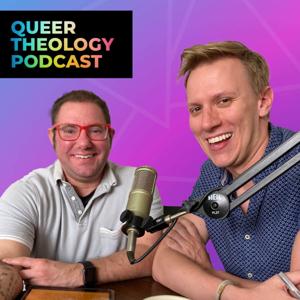


Based on Podcast App listening data
We’re going back to our roots and queering scripture for this week’s episode! We look at Hebrews 13:1-8, 15-16 where we explore themes of faith, community, and the importance of engaging with marginalized groups, particularly those who are incarcerated. We reflect on the radical message of this passage, and how it emphasizes the call to hospitality and solidarity. We also discuss the complexities of building relationships with those who are different from us, but the absolute necessity of doing so. We must be willing to be vulnerable, trust others, and practice embodied love in our interactions with others.
Takeaways
Chapters
(02:43) Radical Hospitality and the Divine in Strangers
(05:29) Solidarity with the Incarcerated: A Call to Action
(08:04) Practicing Vulnerability and Trust in Community
(10:47) The Cost of Solidarity: Embracing Messiness
(13:48) Transformative Relationships: Beyond Charity
(16:42) Engaging with the Uncomfortable: A Journey of Faith
Resources:
If you want to support the Patreon and help keep the podcast up and running, you can learn more and pledge your support at patreon.com/queertheology
(9s):
(56s):
(1m 41s):
(2m 26s):
(3m 6s):
(3m 57s):
(4m 37s):
(5m 18s):
(6m 9s):
(6m 57s):
(7m 37s):
(8m 24s):
(9m 25s):
(10m 33s):
(11m 15s):
(11m 58s):
(12m 39s):
(13m 29s):
(14m 12s):
(14m 56s):
(15m 36s):
(16m 19s):
(17m 8s):
(17m 58s):
(18m 42s):
(19m 29s):
(20m 12s):
(20m 56s):
(21m 40s):
(22m 21s):
The post Strangers & Solidarity – Hebrews 13:1-8, 15-16 appeared first on Queer Theology.
Fr. Shannon has a new book coming out soon, “Come and See: An Invitation to a Radical Encounter with Jesus,” which is a devotional aimed at youth and young adults. We talk about the role of traditional devotionals in shaping young people’s faith, especially how our experiences with devotionals have impacted us. We get into the limitations of these devotionals and their practices, and the importance of understanding how limiting they can be- especially since they often leave out the Bible’s context. Shannon shares his motivations for writing the book, emphasizing accessibility, justice, and the need for young people to engage with scripture meaningfully. This book is aimed for a younger audience, but anyone can engage with this as a means for deepening a personal understanding of scripture and faith.
Takeaways
Chapters
(00:53) Devotionals: A Personal Journey
(10:36) Alternatives to Traditional Devotionals
(14:05) Introducing ‘Come and See’ Devotional
(17:41) Understanding the Bible: Context Matters
(21:09) Target Audience for ‘Come and See’
Resources:
If you want to support the Patreon and help keep the podcast up and running, you can learn more and pledge your support at patreon.com/queertheology
(9s):
(1m 4s):
(1m 57s):
(2m 37s):
(3m 20s):
(4m 17s):
(4m 58s):
(5m 49s):
(6m 35s):
(7m 15s):
(7m 55s):
(8m 39s):
(9m 24s):
(10m 30s):
(11m 13s):
(11m 55s):
(12m 40s):
(13m 23s):
(14m 14s):
(14m 57s):
(15m 38s):
(16m 25s):
(17m 8s):
(17m 49s):
(18m 30s):
(19m 14s):
(20m 0s):
(20m 40s):
(21m 27s):
(22m 15s):
(23m 9s):
(23m 54s):
(24m 37s):
(25m 18s):
(26m 0s):
(26m 45s):
(27m 26s):
The post Come & See: Radical Devotional appeared first on Queer Theology.
Rev. Mark E. Fowler from the @tanenbaumcenter joins us this week and discusses his journey from a Presbyterian upbringing to becoming an interfaith minister. Rev. Fowler guides Tanenbaum to the fulfillment of its mission to promote justice and build respect for religious difference by transforming individuals and institutions to reduce prejudice, hatred, and violence. He is a graduate of the One Spirit Interfaith Seminary, is an ordained Interfaith/Interspiritual minister, and is a Dean of second-year students at One Spirit Interfaith Seminary. In this episode, he explores the concepts of interfaith and interspirituality, emphasizing the importance of community and understanding among different faiths. Rev. Fowler shares insights from his work at the Tannenbaum Center, which focuses on combating religious prejudice and promoting justice. He reflects on personal experiences with spirituality, the impact of wounds from religious traditions on peoples’ spiritual journeys, and the intersection of faith and activism.
Takeaways
Chapters
(04:23) Understanding Interfaith and Interspirituality
(09:13) Personal Journey and Spiritual Background
(18:21) The Role of Tannenbaum Center in Interfaith Work
(27:31) Navigating Privilege and Spiritual Identity
(33:12) Finding Joy and Community
Resources:
If you want to support the Patreon and help keep the podcast up and running, you can learn more and pledge your support at patreon.com/queertheology
(9s):
(52s):
(1m 42s):
(2m 30s):
(3m 15s):
(4m 5s):
(4m 46s):
(5m 40s):
(6m 22s):
(7m 10s):
(8m 1s):
(8m 41s):
(9m 26s):
(10m 12s):
(10m 57s):
(11m 37s):
(12m 18s):
(13m 2s):
(13m 42s):
(14m 24s):
(15m 4s):
(15m 52s):
(16m 52s):
(17m 42s):
(18m 29s):
(19m 14s):
(19m 57s):
(20m 47s):
(21m 31s):
(22m 13s):
(23m 0s):
(23m 45s):
(24m 37s):
(25m 20s):
(26m 19s):
(27m 3s):
(27m 44s):
(28m 25s):
(29m 17s):
(30m 0s):
(30m 43s):
(31m 30s):
(32m 20s):
(33m 1s):
(33m 42s):
(34m 30s):
(35m 16s):
(36m 3s):
(36m 55s):
(37m 40s):
(38m 20s):
(39m 9s):
The post Exploring Interfaith with Reverend Mark E. Fowler appeared first on Queer Theology.
We’re showcasing another throwback episode for this week and this one is the beginning of a series we did on the Gospel of Mark. Mark is one of our favorite books of the Bible. There is so much richness to the history in Mark and for this first episode in the series, we look at the context and time in which this gospel was written. We had such a good time diving deep into this sacred story, and trying to pull out new insights for today. There is so much relevance that can be carried into our own lives from these ancient texts.
Resources:
If you want to support the Patreon and help keep the podcast up and running, you can learn more and pledge your support at patreon.com/queertheology
The post Throwback: The First Gospel – Mark appeared first on Queer Theology.
We have both found ourselves living in really different communities – Brian in New York City, and Shay in rural Kansas. That got us to thinking about the contrasting religious experiences of living in urban and rural settings and reflecting on how these environments shape understandings of community, spirituality, and the presence of the Divine. There has been a theme of going to the desert or the quiet of the country to hear God, but what if paying attention and tuning in helps us find God in everyday city life as well? We emphasize the need for connection and community in both urban and rural contexts, ultimately leading to a deeper understanding of faith and presence in diverse spaces.
Takeaways
We are living in two very different places.
The spaces we inhabit shape our religious imagination.
Cities are often seen as sites of wickedness compared to gardens.
Urban areas provide more safety nets than rural communities.
There is a sense of community in rural areas that can be lacking in cities.
Religiosity can feel overt and uncomfortable in rural settings.
Community hospitality is often stronger in smaller towns.
Finding God requires training our attention to the divine in everyday life.
Paying attention to the details can reveal the presence of God.
Both urban and rural settings have unique challenges and opportunities for faith.
Chapters
(02:20) Exploring Urban vs. Rural Spirituality
(05:03) The Role of Community in Different Spaces
(11:32) Finding God in Everyday Life
(16:57) Attention and the Divine in Our Environments
Resources:.
Say Yes by Andrea Gibson
Join our online community at Sanctuary Collective Community
If you want to support the Patreon and help keep the podcast up and running, you can learn more and pledge your support at patreon.com/queertheology
(9s): Welcome to the Queer Theology Podcast. I’m Brian G Murphy. And I’m father Shannon, T l Kearns. We’re the co-founders of Queer Theology dot com and your hosts from Genesis, revelation. The Bible declares good news to LGBTQ plus people, and we want to show you how Tuning each week on Sunday for conversations about Christianity, queerness and transness, and how they can enrich one another. We’re glad you’re here. Hello there. And welcome to August. If you’re in the Northern hemisphere, I hope that you are staying cool. It’s blistering here where I am not sure about where you are, Shannon, of how hot it’s where you are, yet it’s blistering there too. He’s nodding his head. And for our southern hemisphere friends, I hope you’re enjoying your winter. I saw on a update from someone that we follow in Australia and he was saying it’s like five degrees Celsius there. (54s): So that’s, that’s wild. ’cause I’m like, that sounds delightful to me right now. And so before we started recording this, Shannon And I were just sort of like catching up on our lives and it occurred to us that We are living in two very different places and we were just sort of like reflecting on the sort of like what it, what it means to like be somewhere. So I am at, at the time of this recording, I’m living in New York City and it’s a population of like around, I forget like 9 million, 8 million. And Shannon is living in independent, Shannon is living in a small town in Kansas, which is a population of about 8,000. So wildly different experiences. (1m 36s): And I think that like, I don’t know, there’s like something about, we both live in America obviously, and there’s something about like real America and like what is real America when people say that they probably actually mostly mean like suburban red states. And I’m obviously in a blue state, but not in the suburbs and neither is really in the suburbs. And we’re just thinking about like the ways in which God has talked about being present in cities, not in cities in the desert, not in the desert. And we just think there’s like something there about place and location. And so we want to sort of explore that together. So like sh anything else to sort of add to that sort of setup, Shay? So I, I just think it’s also interesting in this current moment that we’re in to like reflect upon how the spaces that we’re in shape our religious lives and, and in some ways like our religious imagination and also like how we might be able to both find God in all of the spaces that we’re in, but also like help to potentially challenge the imagination of the, of the space we’re in if it needs it. (2m 40s): Right. Yeah. Yeah. And I I I would actually probably posit that like both the spaces that we’re in need some kind of challenging. Yeah. It’s just gonna look really different. Yeah. First off, what I was thinking, what prompted this was I had was journaling a little while ago And I was reflecting upon the ways in which desert imagery gets used in religious texts that, you know, the Israelites wandered in the desert, Jesus went out into the desert. And then even like post post scripture, like especially within Christianity, there’s like the desert fathers sort of Christian monastics, Christian hermits. There’s sort of like this sort of the sense that sort of aloneness can be like one way that you access God. (3m 24s): And there’s sort of I think a romanticizing about the countryside, the country solitude from Walt Whitman to like classic American paintings, just sort of, when we talk about quote unquote real America, what sort of, what image sort of conjures that to mind there. And I don’t know, I was just thinking like there’s like a hustle and a bustle and an electricity sort of in the air in New York City and like what if God is just as much in like the sparks on the subway track and in the hiss of the steam coming up from the manhole and in the honks of the taxi cabs as God is in the rustling of the wind and the pitter-patter of drizzle on the riverbed. (4m 12s): And yeah, so I think that there’s, so I was like wanting to like reclaim urban life thinking about the ways in which, you know, Gotham in, in Batman comics is sort of like this like place of decay and crime and Sodom and gamar, these like, sort of like cities being dangerous. And the reality is I just Googled it, like 82% of Americans live in cities and urban areas. So like real America is like cities like this is like where people actually live. And so there’s like something there, which is not to say cities are perfect, there’s like gross economic inequality in many cities, especially like in New York City. (4m 54s): But so I, yeah, so there’s, but like, so I yes. I’m just like noodling on on that. And so like, I guess like what are the ways in which like, ’cause Shay you’ve lived in both cities Yeah. And rural areas. And so like what are the ways in which, and you, you like what from like rural to city back to rural, and it’s like what are some ways in which your understanding of like what it means to live in the country or in the city have like shifted and also how you’ve experienced God in in those places? Yeah, I mean, just to, just to touch on a couple of things that you said, you know, one of the things that jumps out at me in thinking about imagery, right? We see in, in the things that you mentioned, Gotham, Saddam, and Kimura. (5m 34s): But in general, like all throughout scripture there is this sense of cities as sites of wickedness as opposed to gardens, right? That there is always this like juxtaposition between the, the city and the garden, which I, I find really kind of fascinating and, and like you said, we do know that there are gross economic inequalities in cities and yes. Also in rural communities, like yeah, totally be rural. But one of the things that I think is, is interesting is that there’s also much better safety nets Yeah. Inside of cities. And like we can talk about like there are lots of reasons for that. (6m 17s): Not all of them good, right? Like there there has been like a massive, you know, economic pull out of rural communities that has like devastated many of the things that yeah would have been historically safety nets in the past. And, and so like that’s a problem. But I do think that there is just simply because of like not only density of population, but also like density of resources that there are more protections for you should you need it, right? There are, there are shelters that you can go to, there are organizations that can possibly provide for your needs in ways that like don’t exist in, in the town that I’m in, like I think there’s maybe a shelter. (7m 10s): And yet there is also like poverty and people experiencing homelessness in a city of 8,000 people. And so one could also say like, the failures of the rural community to not take care of, of their population is higher. So like that was one thing that kind of stuck out to me as you were talking. I also reflect upon how, especially where I am, I, I think that there is a combination, particularly here in Kansas and in Oklahoma where I’m spending some time where we’re not just rural, we’re also, it’s still kind of considered the Midwest, but it is, it feels south to me in a way. (7m 56s): Like I’ve never lived this far south before. There is an overt religiosity everywhere I go. Like I have never been told to have a blessed day more in my life than the last like two years in a not sarcastic way, right? Like, I think people have told me to have a blessed day on the internet and in, in yeah. Urban spaces, but it was sarcastic here it’s like actually genuine. And so, but so I think about like how that overt religiosity kind of plays out and, and also it is expected that everyone is on the same page and, and on board with that religiosity, with those expressions and that you are grateful for them. (8m 46s): And so I find myself often deeply uncomfortable in both like, oh, that was a very sweet and encounter at the quick trip, but also like, why are, why are we saying that to people and what is the assumption behind that? And not to mention like the fact that there are, I often joke about the town that I’m living in, it feels like there are more churches than people and like how, how does that play out? And like the assumption is that you go to church, but there are all of these tiny churches, right? And like how does that impact how we’re taking care of our community and showing up for each other and, and is there a sense of I take care of the people in my congregation but not this other congregation. (9m 26s): And I think that that’s really fascinating too, all while saying I, I do feel like there is definitely a more community minded spirit here in Kansas than I experienced in Minneapolis. And I think partially that is ’cause like Minneapolis is kind of a weird beast of a city in that it is very Midwest and like lots and lots of people grew up in Minneapolis and so like they have their friends that they’ve had their friends since kindergarten. So, and, and so as someone who moved there, it was very hard to find and make community. It was just not set up for that in, in the ways that like when I moved to Kansas, even before I moved, I already had a community here. (10m 14s): Yeah. Because they were just so like excited to welcome people and especially excited to like, welcome outsiders and that was not something I experienced in Minneapolis. And so I think that like there is a hospitality here, right? That is not the hospitality that I experienced in, in the city of Minneapolis. It also reminds me like when you show up to a small church or a small synagogue, like often, especially like if you’re younger, like, and like that, they’re like just like so excited that it’s like there’s someone new. And so I could see moving to this small town, you are like not young, but you’re not old. You’re like in your forties, you’re queer, you’re an artist. (10m 56s): And so I could imagine those types of people in your small town being like, PE people, people like you don’t move here. So we’re like, we’re so excited about that. Whereas like in Minneapolis it’s like, oh, you’re like a queer artist, like moving to a city like cool. We got, we have a lot of those already. Yeah. Yeah. So there’s an element that just like, I, I see that parallel there. Yeah, I, I remember when I was living in Los Angeles, another like, yeah, the other, one of the other largest cities in America, I remember my, my predominantly LGBT synagogue was partnering with Sage, the sort of nonprofit for LGBT, older adults and elders to do like a Hanukkah party for like the Jewish folks, a part of that organization. (11m 40s): And I remember being like, oh yeah, like if you’re old and you live in a city, like, especially like if you’re a queer person, like you can be part of sage and then like the 20 somethings and the 30 somethings and the 40 somethings from like the queer synagogue will come and celebrate Hanukkah with you. Like, and they can just like hop on the bus and get there. Whereas like if you live somewhere else, you have to drive further. You’re just more spread out. There might not be like a d there’s only so many queer people in your, in your small town that there is just sort of like a critical mass of people that makes, especially for queer life, there’s like a vibrancy there that there’s not, there’s a, it’s a different type of vibrancy in small, like small town gay bars. (12m 22s): And so I was like sort of struck by that element of it. And I do think that like, it’s really easy in big cities to feel surrounded by people and alone. I think because people have their lives and their friends or like, and sometimes in big cities like their careers and so they’re just sort of like go, go, go, go, go. And so like, it can be harder to plug in and make those connections and also if you like, are able to sort of take the time and find those people that like, there’s something really special about being able to, I don’t know, like I live in the same building as two of my friends, right? (13m 11s): Like when I, I’ve like often lived within walking distance of like seven friends, eight friends, which is when I lived in the suburbs, like I had some, like a few friends in my neighborhood, but most friends I had to drive to get to. And so there’s just sort of like this closeness that, that makes like casual connections easier or like spur of the moment connections easier. And that, because especially in New York City, it’s a very public transit heavy city like millionaire CEOs and homeless people are like riding the same subways together. And so there’s like no illusions of like separateness, like we are physically smushed together and have to figure out how to occupy the same space together. (13m 52s): Which is like, not to say that like the millionaires are like suddenly like more generous or like not racist because of that experience, but there’s just sort of like a, it’s like a different, it, there’s like orients you to the other in a different way. And I, you know, I it’s, it’s interesting when folks come from other places to visit of all different types of backgrounds that there’s like the, the city can like feel scary to them ’cause there’s just like people everywhere and it’s loud and there’s someone asking for money and there’s like someone sleeping on the corner and like, what do you do with all of that? And it’s like someone who’s lived in a city my entire adult life, it’s just like, oh, these are just like the people that make up the city with me. You don’t actually have to be scared of them. (14m 32s): I’m scared of being in, in the suburbs or, or, or like in a rural place where it’s like there’s no houses for as far as I can see. It’s dead silent. Like that’s terrifying to me. Like I want, I want to like be able to hear the person on the other side of my wall and then there’s like this, like this closeness that there to me feels like some sort of Divine synergy. And it’s interesting because as you’re talking, I I think that that same communal closeness is in rural communities, right? And it’s the sense of there are only so much of us, so we have to figure out how to get along, right? Like yeah, if you, you can’t, if you get mad at the one person who owns the one restaurant in town, like you gotta figure that out because there’s nowhere else to go. (15m 21s): Or like there’s one guy who, you know, mows lawns or shovel snow. So like yeah, you gotta, you gotta, it’s like the town mechanic. Exactly. You know, there aren’t a lot of choices and there is beauty in that, right? It’s you like figure out, you know, like you said, how to get along, you figure out how to build community informed community. And I think that like the difference, right? People I think often conflate rural with suburban, which is like very different. Like there is a, there is a, an illusion of self-sufficiency that one can have when you live in the suburbs that is like not possible in either urban spaces or rural spaces. (16m 4s): Like it’s just not, there is no illusion that like I’m making it on my own when I have this community around me. Right? And I, I look at, I look at that And I, there was a, I I think I’ve told this story before of like when I first moved here and the bed that I ordered like wasn’t getting put together correctly and within 10 minutes someone had found like someone with a metal grinder to like fix the bed that I had ordered from Amazon. Yeah, yeah, yeah. Right. And in a way that like had I been in another space, I would’ve, you know, driven to loads in the suburbs and like, or purchased a new whatever and this was a real sense of community like gathering around to make, make this possible. (16m 51s): And I also think that there’s something here in, And I don’t know, I don’t know what this is exactly, but like I’m thinking about like for queer progressive people of faith, there are challenges in both in finding and making community and like living out your religious life in both urban and rural spaces. Like here the closest like overtly affirming church that I feel like would have my back is almost an hour away, right? And so like if I want to make, if I wanna be a part of a church community, like I’m probably going to have to travel in, in a different way and in the, in the midst of the like overt religiosity, which in some cases seems like it would make engaging in faith easier. (17m 45s): It actually sometimes feels like for a trans person in rural America, like it actually feels less easy, right? That they’re, that that overt Christian display like sometimes makes me feel unsafe or like excluded. Yeah. I’m not in a space where I can, where I can worship. Whereas like I think in, in urban spaces, right? Like you have options, there are options of congregations and synagogues and all different sorts of, of places to engage in worship. And also there are so many options of so many things that like engaging in religious community is a choice and it’s not a choice that people are always making. (18m 29s): And so like how do you build that community? Which I think brings me to like my larger point in all of this. And I was thinking of this in the very, from the very beginning when you were talking about, you know, God in the his of the subway and the manhole covers that like, all of this brings me back to an aspect of attention and like how do we train our attention to find the divine where we are? Right? And I think that like there is this sense of back the monastics, right? There was this sense of like, there is so much happening in the city that I have to go to the caves and the desert and the whatever in order to have the space and silence to like hear the voice of the divine. (19m 14s): Yeah. But I think that almost all of them would then say it, the intention was never to then remain there. It was always to then train yourself to then come back to the community with a new musculature to be able to hear right where you are. Yeah. And I think that that is the, the work that’s in front of us of like how do we train ourselves to tune in and pay attention where we are to finding the divine. Yeah. I’m, I’m, that really resonates with me this sort of like paying attention piece that, so I turned 40 like a few weeks ago at this point and Andrea Gibson actually died the day before I turned 40, which was like just weird clusterfuck of emotion for me. (20m 3s): But I was just like thinking about the ways in which they, Andrea Gibson, like really like paid attention and it was like in the particularities and the specificities of their poems and their observations and their musings like that I think is what really like crackled and sizzled for people. Like, I, like I, I remember the first, the first poem I think that I ever introduced me to Andrew Gibson, like, I don’t know 15 years ago was, was probably say, I think it’s called Say Yes When Two Violins are placed in a room, if a court on one violin is struck, the other violin will sound that note. (20m 45s): If this is your definition of hope, this Is for you. And it’s like it starts with this like specific thing of like a string on a violin and then like that becomes like hope. And I don’t know, like a violin isn’t inherently hopeful, right? But like there’s, they, they noticed something in this like two violins strings resonating togetherness of it. And it reminds me of like Mary Oliver’s poem, instructions for Living a Life Pay Attention, be astonished to Tell about it. And that like, I think that’s the work that we have been doing here. What that that we before like rambling about before, before I started recording this was like that I, as I was turning approaching 40 and turning 40, I’ve just been like reflecting on my life and very, very content with it and very pleased with it. (21m 35s): And there’s been a lot that’s gone really well and a lot that’s gone really terribly. And I think that my life today looks like absolutely nothing like what I hoped it would look like when I was 12 or 16 or 18 or 22 or 24. And also like, it’s so fucking fabulous. Like it’s just fantastic. Like, I’m so grateful for it. And, And I think that so much of that is because of the paying attention that queering theology has done for me, that I’m so thankful that I’m queer because it like forced me to question everything around me. (22m 15s): And even before we Shay you, you And I started doing this work together, I was like, I really had to like figure out like what is my life? Who am I, what is the purpose of life? What is God? What is the universe? Where do I fit into all of this? I didn’t have all of the answers to all that figured out, but like queerness and not fitting into the culture at, in 1998, 2003, whenever like forced me to this sort, like forced me to pay attention And that like, the more that I do this work, it’s like I feel like that’s where the juicy stuff of life is. And I think that this, this work, like we have a podcast, we have a book coming out next year. (22m 56s): We don’t, it’s spoiler alert, we don’t make very much money from it. So like, we’re certainly not doing it for the money, but like, it, it is sort of like a work that we bring ourselves to, but like it’s, we started this work because we were sort of doing it as a personal practice already on our own and we found immense value in it and we wanted to share that with others. And so like, I know this started with the city and the country, but like I think that there’s like something here about the paying attention to it. Like God is already everywhere. It’s if you’ll pay attention and look for them, will you, will you find God? And so like, yeah, I’m just, I would love to hear from y’all also like where are the ways in which like God shows up like in your particular place because like, I only in the same way that we’re always talking about, like, everyone has different experiences of queerness and so we need them all to fully understand the divine. (23m 49s): I’ve only ever lived in suburban Maryland in Los Angeles and New York City and with some stints in, with some stints in like, not like suburban Boston and a little bit of time in, in small town Michigan. But like I’ve, I’ve only have a handful of experiences, right? And so like where are the ways in which like God is showing up in y’all’s life? I dunno, send us an email or come onto Instagram and, and share that with us. Anything oth other, any other like sort of like musings on God in cities and God in the country. For you, Shea I just echo what you said. You know, I think that we can find the divine everywhere and, and part of the work then is like, how do we, how do we tune ourselves to, to notice better? (24m 41s): And I, I think, you know, reading poetry is one way and dabbling in writing poetry, even bad poetry is another way. And, you know, going to, again, the, the artists always can help us point the way forward. And so what, who are the, who are the artists that you’re looking to right now as, as people who are helping you to see in new ways? And would love to hear that too. If you wanna share. The Queer Theology podcast is just one of many things that we do at Queer Theology dot com, which provides resources, community, and inspiration for LGBTQ Christians and straight cisgender supporters. To dive into more of the action, visit us at Queer Theology dot com. (25m 22s): You can also connect with us online on Facebook, Twitter, Tumblr, and Instagram. We’ll see you next week.
The post Rural God, City God appeared first on Queer Theology.
Andrew Gurza (@andrewgurza) joins Brian this week on the podcast to talk about sex, disability, and his new book, “Notes From a Queer Cripple.” Andrew is an award winning Disability Awareness Consultant and the Chief Disability Officer and Co-founder of Bump’n, a sex toy company for and by disabled people. Andrew uses they/he pronouns and identifies proudly as disabled. He is also the host of Disability After Dark: The Podcast Shining a Bright Light on Disability Stories. In this conversation, Andrew shares their journey as a queer disabled person, discussing their experiences with sexuality, disability advocacy, and the importance of creating inclusive spaces. They delve into their work as a speaker and author, emphasizing the need for open discussions about sex and disability. The conversation highlights the challenges faced in the community, the impact of critiques, and the joy of connecting with others through shared experiences.
Takeaways
Chapters
(02:40) Talking About Sex and Disability
(05:37) The Journey to Disability Advocacy
(08:29) The Book: Notes from a Queer Cripple
(11:19) Sex Work and Intimacy
(14:09) The Importance of Connection
(17:01) Embracing Sexuality and Body Positivity
(19:50) The Power of Humor in Disability Advocacy
(22:52) The Influence of Queer Media
(25:10) Creating Inclusive Spaces for Disabled Queer People
(28:32) The Impact of the Deliciously Disabled Party
(31:07) Navigating Critiques and Misunderstandings
(34:35) The Complexity of Disability and Sexuality
(37:21) The Importance of Community and Support
(40:19) Final Thoughts on Sexuality and Disability
Resources:.
(9s):
(50s):
(1m 36s):
(2m 16s):
(2m 58s):
(3m 39s):
(4m 20s):
(5m 5s):
(5m 45s):
(6m 26s):
(7m 6s):
(7m 48s):
(8m 30s):
(9m 17s):
(10m 1s):
(10m 44s):
(11m 30s):
(12m 13s):
(12m 57s):
(13m 37s):
(14m 20s):
(15m 3s):
(15m 48s):
(16m 31s):
(17m 16s):
(18m 3s):
(18m 54s):
(19m 35s):
(20m 16s):
(21m 3s):
(21m 47s):
(22m 28s):
(23m 10s):
(23m 56s):
(24m 47s):
(25m 27s):
(26m 9s):
(26m 53s):
(27m 33s):
(28m 17s):
(28m 60s):
(29m 39s):
(30m 22s):
(31m 6s):
(31m 47s):
(32m 30s):
(33m 13s):
(33m 56s):
(34m 49s):
(35m 35s):
(36m 19s):
(37m 7s):
(37m 54s):
(38m 39s):
(39m 23s):
(40m 4s):
(40m 59s):
(41m 40s):
(42m 21s):
(43m 2s):
(43m 43s):
(44m 25s):
The post The Journey of a Queer Disabled Advocate with Andrew Gurza appeared first on Queer Theology.
We’ve hit another milestone on the podcast – 600 episodes!! That’s 600 weeks of looking at the Bible, faith, God (and a lot of other things!) through the lens of queer theology. We’ve grown. The community has grown. The world has changed. And all that will continue. But what will still remain, is that there is so much richness to be discovered in scripture. In this reflective episode, we celebrate 600 episodes and discuss the evolution of our faith, the power of sacred texts, and the changing landscape of queer and trans Christian spaces. We explore personal growth through spiritual practices, the moral challenges of today’s society, and the relevance of queer theology in a world that continues to grapple with issues of faith and identity. Under it all, the continuing thread we find is the importance of community and the ongoing journey of understanding our own spirituality.
Takeaways
Chapters
(01:21) Reflecting on 12 Years of Podcasting
(02:11) The Evolution of Faith and Spirituality
(04:55) The Power of Sacred Texts
(08:00) Navigating Queer and Trans Christian Spaces
(11:04) Personal Growth Through Spiritual Practices
(14:54) Moral Moments in Today’s Society
(18:11) Surprises from 600 Episodes
(23:25) Looking Ahead to Future Episodes
Resources:.
If you want to support the Patreon and help keep the podcast up and running, you can learn more and pledge your support at patreon.com/queertheology
(9s):
(52s):
(1m 35s):
(2m 31s):
(3m 12s):
(4m 1s):
(4m 49s):
(5m 42s):
(6m 26s):
(7m 14s):
(8m 6s):
(8m 47s):
(9m 28s):
(10m 11s):
(10m 57s):
(11m 49s):
(12m 40s):
(13m 21s):
(14m 5s):
(14m 48s):
(15m 43s):
(16m 24s):
(17m 8s):
(17m 48s):
(18m 55s):
(19m 49s):
(20m 33s):
(21m 47s):
(22m 59s):
(23m 49s):
(24m 35s):
(25m 20s):
(26m 7s):
(27m 10s):
The post What We Learned From Reading The Bible Every Week for 600 Weeks appeared first on Queer Theology.
We’re joined this week by Troy Weekes (@troyweekesmusic) from “Alphabet Soup” to talk about the show, his music, and faith. From Harlem New York, Troy has been singing since the age of three and performing since the age of fourteen. He is also a songwriter, actor, dancer, and MC/Event Host. He is currently working on his first EP project, under the new genre and style that he created called *Soul & B. He can sing gospel, neo-soul, and R&B, but he did not feel like one or the other is exactly where he fits in. When not working on his own project, Troy can be seen performing with his band, Ji-Groove. and hosting events all across America. “Alphabet Soup,” an unfiltered reality of queer dating in NYC, where raw emotions, intimate texts and authentic relationships unfold without scripts or filters is now airing on Peacock.
In this conversation, Troy shares his journey as a reality TV star on ‘Alphabet Soup,’ discussing the importance of vulnerability, navigating sexuality, and the role of faith in his life with Brian. He emphasizes self-love, authenticity, and the power of community, while also touching on his music career and aspirations for the future. Troy’s insights provide a powerful message of hope and resilience for the LGBTQ community and beyond.
Takeaways
Chapters
(02:57) Reality Show Dynamics and Vulnerability
(05:55) Navigating Sexuality and Relationships
(08:41) Faith and Spirituality in Troy’s Life
(11:42) Polyamory and LGBTQ+ Identity
(14:37) Reactions to the Show and Personal Life
(17:24) Troy’s Musical Journey and Live Experience
(19:46) The Art of Performance: Blending Music and Comedy
(21:03) Spirituality and Vulnerability in Art
(22:58) Building Community: Love and Support for LGBTQIA Couples
(25:02) Authenticity in Relationships and Reality TV
(26:01) Messages of Self-Love and Personal Growth
(29:09) Overcoming Challenges and Embracing Change
(33:37) Creating a Legacy: Music, Fragrance, and Future Projects
(35:58) Finding Joy in Living Authentically
Resources:.
If you want to support the Patreon and help keep the podcast up and running, you can learn more and pledge your support at patreon.com/queertheology
(9s):
(52s):
(1m 33s):
(2m 15s):
(2m 58s):
(3m 38s):
(4m 22s):
(5m 4s):
(5m 44s):
(6m 25s):
(7m 5s):
(7m 48s):
(8m 32s):
(9m 14s):
(10m 1s):
(10m 41s):
(11m 21s):
(12m 8s):
(12m 51s):
(13m 34s):
(14m 21s):
(15m 7s):
(15m 48s):
(16m 31s):
(17m 15s):
(17m 57s):
(18m 38s):
(19m 21s):
(20m 6s):
(20m 49s):
(21m 37s):
(22m 26s):
(23m 17s):
(24m 9s):
(24m 53s):
(25m 33s):
(26m 29s):
(27m 18s):
(27m 59s):
(28m 39s):
(29m 21s):
(30m 1s):
(30m 41s):
(31m 22s):
(32m 6s):
(32m 51s):
(33m 32s):
(34m 13s):
(34m 54s):
(35m 35s):
(36m 17s):
(37m 0s):
(37m 41s):
(38m 26s):
(39m 8s):
(39m 48s):
(40m 32s):
The post Finding God Outside the Walls of Church with Troy Weekes from Alphabet Soup appeared first on Queer Theology.
We get a lot of questions about hell, the rapture, and end times. So awhile back, we did a series on Scary Things. For this week, we have another throw back episode from this series. For this one, we’ll focus on the Rapture and the End of the World.
We’re talking all about end times, the rapture, and other “scary” things from the Bible. We are certain that no matter the religion or faith you were brought up in, you’ve probably heard something or another about the end of the world and in this episode, Brian and Fr. Shay talk about what they were taught, whether they believe in the rapture, and a hilarious (twisted?) rapture-themed practical joke from Shay’s childhood.
Resources:.
If you want to support the Patreon and help keep the podcast up and running, you can learn more and pledge your support at patreon.com/queertheology
(9s):
(1m 13s):
(1m 54s):
(2m 36s):
(3m 20s):
(4m 4s):
(4m 45s):
(5m 28s):
(6m 12s):
(7m 6s):
(7m 48s):
(8m 35s):
(9m 19s):
(10m 3s):
(10m 43s):
(11m 23s):
(12m 5s):
(12m 48s):
(13m 33s):
(14m 18s):
(15m 6s):
(15m 46s):
(16m 27s):
(17m 12s):
(17m 54s):
(18m 38s):
(19m 41s):
(20m 21s):
(21m 1s):
(21m 43s):
(22m 25s):
(23m 8s):
(23m 50s):
(24m 32s):
(25m 19s):
(26m 15s):
(26m 60s):
(27m 40s):
(28m 21s):
(29m 1s):
The post Throwback: Scary Things appeared first on Queer Theology.
We’re joined on the podcast this week by Adam MacLean (@adammacattack) who is the founder of PostShame.org and #PostShame, online tools designed to help people examine their past for things they worry might leak on the internet, and then proactively share those stories themselves. By doing so, they transform these stories into narratives of strength and leadership, offering support to others struggling with similar challenges. He is also the host of the podcast
“Find Your Light with Adam MacLean”, where he navigates difficult conversations around shame, leadership, and self-acceptance. In these discussions, Adam integrates his expertise in holding space for others, helping listeners work through challenges related to the body, mind, and spirit—particularly within the realms of sacred intimacy.
In this conversation, Brian and Adam delve into the complexities of shame, particularly within the LGBTQ community. They explore the concept of post-shame, the impact of the internet on personal narratives, and the distinction between guilt and shame. Adam shares his personal journey, including his experiences with spirituality and 12-step programs, and how these intersect with his queerness. The discussion also touches on the significance of rituals in creating meaning and community, culminating in reflections on marriage and personal transformations. In this conversation, Adam and Brian explore the complexities of shame, relationships, and the impact of online culture on personal identity. They discuss the PostShame process, which helps individuals confront their pasts and navigate the challenges of public scrutiny. The dialogue delves into the nuances of sexuality, consent, and the importance of context in conversations about intimacy. They also touch on the experiences of men in today’s society, the distinction between erotic and pornographic expressions, and the significance of gender affirmation in personal journeys.
Takeaways
Chapters
03:05 – The Birth of Post-Shame and Personal Journey
07:11 – Understanding Guilt vs. Shame
10:09 – The Role of the Internet in Shaming
11:45 – Revisiting 12-Step Programs and Spirituality
14:55 – The Intersection of Queerness and Theology
19:19 – Rituals and Their Significance in Community
21:57 – Personal Reflections on Marriage and Rituals
31:46 – Interrogating Language and Relationships
33:14 – Moving Beyond Shame
34:28 – The PostShame Process
36:46 – The Impact of Online Shaming
38:07 – Navigating Sexuality and Shame
39:40 – Context and Consent in Conversations
42:46 – The Distinction Between Erotic and Pornographic
47:34 – Sacred Intimacy and Healing
50:27 – Male Loneliness and Connection
56:12 – Trans Experiences and Gender Affirmation
Resources:.
If you want to support the Patreon and help keep the podcast up and running, you can learn more and pledge your support at patreon.com/queertheology
(9s):
(56s):
(1m 42s):
(2m 40s):
(3m 20s):
(4m 1s):
(4m 48s):
(5m 28s):
(6m 10s):
(6m 50s):
(7m 34s):
(8m 17s):
(8m 58s):
(9m 39s):
(10m 29s):
(11m 12s):
(11m 53s):
(12m 38s):
(13m 19s):
(14m 3s):
(14m 51s):
(15m 32s):
(16m 17s):
(17m 3s):
(17m 45s):
(18m 32s):
(19m 13s):
(19m 54s):
(20m 39s):
(21m 27s):
(22m 8s):
(22m 50s):
(23m 36s):
(24m 16s):
(24m 58s):
(25m 48s):
(26m 31s):
(27m 11s):
(27m 56s):
(28m 39s):
(29m 25s):
(30m 10s):
(30m 53s):
(31m 35s):
(32m 18s):
(32m 59s):
(33m 44s):
(34m 25s):
(35m 7s):
(35m 48s):
(36m 29s):
(37m 10s):
(37m 50s):
(38m 31s):
(39m 14s):
(40m 2s):
(40m 45s):
(41m 34s):
(42m 26s):
(43m 13s):
(43m 54s):
(44m 44s):
(45m 24s):
(46m 18s):
(46m 58s):
(47m 46s):
(48m 26s):
(49m 6s):
(49m 50s):
(50m 30s):
(51m 13s):
(52m 2s):
(52m 44s):
(53m 30s):
(54m 11s):
(54m 54s):
(55m 40s):
(56m 21s):
(57m 4s):
(57m 46s):
The post Post Shame & Sacred Intimacy with Adam MacLean appeared first on Queer Theology.
From the publisher's feed
Ranked by our users in the last 21 days

37,991 Listeners

6,437 Listeners

24,533 Listeners
2,205 Listeners

5,112 Listeners
1,933 Listeners
2,232 Listeners

575 Listeners

41,384 Listeners
669 Listeners

10,548 Listeners

18,064 Listeners

10,538 Listeners

1,454 Listeners

2,134 Listeners