
Sign up to save your podcasts
Or

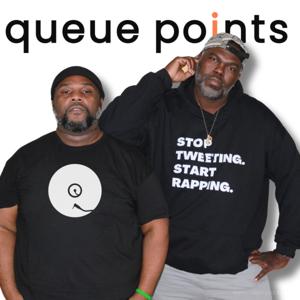


DJ Sir Daniel and Jay Ray examine how celebrity culture turned personal trauma into a marketing tool, tracing the shift from the mystique of stars like Michael Jackson, Prince, and Madonna to today's model of public vulnerability as promotion. The conversation moves from Whitney Houston and Bobby Brown's reality-TV unraveling to R. Kelly's combative Gayle King interview, then into present-day flashpoints involving Nicki Minaj and Jonathan Majors. Sir Daniel and Jay Ray coin and unpack "trauma commerce," their term for how artists, labels, and publicists use crisis and confession to stay relevant and move product. The episode also revisits Tina Turner's story as a case study in trauma that outlives an artist's attempt to move past it.
The Breakdown00:00 Disclaimer
00:19 Intro Theme
00:50 Topic Intro: Did We Create Talentless Celebrities?
01:50 Celebrity vs. Stardom: The Old Guard Had Mystique
02:48 Trauma as the Currency of Modern Fame
03:56 Michael Jackson Case Study: When Stars Lean Into Trauma
06:45 Quick Transition
06:47 Record Labels Used to Sell Perfection
08:01 Jonathan Majors' Redemption Tour: Vulnerability as Marketing
09:36 Historical Examples: R. Kelly, Tammy Faye & Whitney Houston
11:51 Quick Transition
11:53 Reality TV & the Rise of 'Regular' as a Brand
13:15 The Music Industry's Diminishing Power
16:17 Celebrities Going Live: Who Worries You?
18:44 Defining 'Crashing Out' & Nicki Minaj as the Queen
21:30 Transition
21:37 Introducing 'Trauma Commerce'
23:27 Tina Turner: Trauma You Can't Escape
25:21 Parasocial Relationships & Why We're Drawn to Damaged People
27:37 Quick Transition
27:39 Does Good Music Change the Equation?
30:40 Closing Thoughts: Protect Your Peace
32:05 Outro Theme
Get More From Us#TraumaCommerce #NickiMinaj #WhitneyHouston #RKelly #BlackMusicHistory
DJ Sir Daniel and Jay Ray examine Kim Wayans' run of music parodies on "In Living Color" and trace how her characters critiqued the treatment of Black women in pop music while making audiences laugh. The conversation covers her castmate collaborations with T'Keyah Crystal Keymáh and Kim Coles, her parody of Crystal Waters' "Gypsy Woman," her Vanessa Williams sketch tied to the singer's ousting from Miss America, and her Tracy Chapman bit that doubled as commentary on the music industry's demand for repeat hits. The hosts also revisit her film appearance in "I'm Gonna Git You Sucka" and the "Rhythmless Nation" sketch aimed at Whitney Houston and Janet Jackson, arguing Kim Wayans used impersonation as a tool of cultural observation rather than mockery.
The Breakdown00:00 Intro Theme
00:16 Introduction: Celebrating Kim Wayans
04:29 The Salt-N-Pepa Parody: Cook It
06:54 Quick Transition
06:55 Crystal Waters Parody: My Songs Are Mindless
11:05 Vanessa Williams Parody: Kiss My Ass
13:23 Tracy Chapman Parodies
16:32 Quick Transition
16:33 Whitney Houston & Janet Jackson: Rhythmless Nation
20:03 Kim's Respect for the Artists She Parodied
21:56 I Love LaQuita: The Lucille Ball Parody
24:09 Transition
24:15 Kim Wayans' Scene Stealing Appearance: I'm Gonna Git You Sucka
29:03 Shoutout to Anne-Marie Johnson
31:10 Quick Transition
31:11 Closing Thoughts & Call to Action
33:42 Outro Theme
Get More From Us#KimWayans #InLivingColor #BlackMusicHistory #WayansFamily #90sPopCulture
DJ Sir Daniel and Jay Ray trace MTV Unplugged from its late-1989 launch through its rise in popularity as the Milli Vanilli lip-syncing scandal put a spotlight on which artists could actually perform live. The conversation centers on how the acoustic format pressured artists to demonstrate vocal and instrumental skill in real time, with particular attention to Uptown Records' 1993 label-wide taping featuring Heavy D & the Boyz, Jodeci, and Mary J. Blige. The hosts connect that moment to the broader shift away from the drum machine and keyboard production that defined New Jack Swing, and examine how Unplugged performances by Mariah Carey, LL Cool J, Maxwell, Lauryn Hill, and Jay-Z shaped audience perception of these artists' range.
The BreakdownUptown Records, Andre Harrell, Sean "Puffy" Combs, Heavy D & the Boyz, Jodeci, Mary J. Blige, Maxwell, Lauryn Hill, and Jay-Z all factor into a discussion that positions Unplugged as a turning point for how New Jack Swing-era artists were evaluated on musicianship rather than production polish.
Chapter Markers00:00 Intro Theme
00:16 Welcome to Queue Points
00:57 MTV's Evolution and the Birth of Unplugged
04:42 Quick Transition
04:43 The Unplugged Concept and Mariah Carey
08:06 Nirvana and Yo! MTV Raps Unplugged
15:15 Insert Transition
15:22 Uptown Records MTV Unplugged
22:36 Quick Transition
22:37 Maxwell's Unplugged
26:21 Insert Transition
26:28 Lauryn Hill's Unplugged
32:38 Dream Unplugged Performances That Never Were
38:54 Jay-Z Unplugged
41:01 Outro and Sign Off
42:27 Outro Theme
Get More From Us#NewJackSwing #MTVUnplugged #BlackMusicHistory #UptownRecords #90sRnB
DJ Sir Daniel and Jay Ray use the Hulu documentary on Sly Stone as a jumping-off point to examine the label of "Black genius" and what it costs the artists who carry it. The conversation moves from Sly Stone's songwriting credit on "Somebody to Love" and D'Angelo's silent on-camera appearance to the real-world controversy around Lil Baby's name surfacing in an Atlanta Police Department shooting investigation. Along the way they weigh whether visibility and talent create an obligation to represent or uplift the Black community, using Jay-Z, Beyoncé, Stevie Wonder, Prince, and Michael Jackson as reference points.
The Breakdown00:00 Disclaimer
00:19 Intro Theme
00:36 The Lil Baby / Atlanta Police Department Story: Setting the Stage
03:36 The Sly Stone Documentary Sparks the Question: What Is Black Genius?
09:48 Transition
09:54 Genius vs. Celebrity: How the Term Gets Watered Down
11:23 The Danger of Mislabeling: Young People, Role Models & Influence
13:43 Everyone Has a Genius — But What Does It Cost?
15:38 Excusing Bad Behavior Under the Label of Genius
18:30 Is It Fair to Expect Black Genius to Represent Us All?
21:19 Transition
21:26 Unreasonable Expectations & The Ivory Prison of Black Genius
24:08 Community Responds: Responsibility to Musicianship
28:14 Quick Transition
28:15 The Bar for Genius Was Once Very High — And the Cost of Coveting Gifts
31:20 Brilliance Over Genius: Audience Takeaways & Closing Thoughts
33:08 Outro Theme
Get More From Us#BlackMusicHistory #SlyStone #DAngelo #LilBaby #BlackGenius
DJ Sir Daniel and Jay Ray mark the 30th anniversary of Faith Evans' 1995 debut album Faith by asking whether it stands as a stronger debut than Mary J. Blige's What's the 411. The conversation traces Faith Evans' path through Bad Boy Records, her writing and vocal contributions to Blige's My Life, and producer Chucky Thompson's role in shaping both records. Sir Daniel and Jay Ray unpack the Diddy-engineered rollout that built anticipation around Faith Evans' identity, the tabloid narrative that pitted her against Mary J. Blige, and the album's standing as a defining quiet storm and R&B project of the Bad Boy era.
The Breakdown (Topics Discussed)00:00 Disclaimer
00:19 Intro Theme
00:36 Welcome to the Show and Context
03:18 Quick Transition
03:19 The Question: Does Faith Wash What's the 411?
03:43 Breaking Down the Case for Faith
05:23 My Life Is the Magnum Opus Argument
06:04 Faith's Connection to Bad Boy & Mary's My Life
07:48 Vocal Ability vs. Star Quality
09:01 The Mary vs. Faith Rivalry & Diddy's Role
11:45 Transition
11:51 Diddy's Artist Rollout Formula
13:31 The Biggie & Faith Vibe Cover Moment
17:44 Quick Transition
17:45 Faith as a Pure R&B Album vs. What's the 411
21:01 Deep Dive: Soon As I Get Home
23:41 Transition
23:48 Verdict and Reactions
25:07 Outro Theme
Get More From Us#FaithEvans #MaryJBlige #SlowJamsCanHealUs #BadBoyRecords #90sRnB #ChuckyThompson
This episode was originally recorded on January 30, 2025.
DJ Sir Daniel and Jay Ray examine Chaka Khan's standing as a rock and roll artist, tracing her genre-crossing career from her 1973 arrival as Rufus's lead singer through her celebrated 1986 stretch working alongside David Bowie, Robert Palmer, and Steve Winwood. The conversation centers on Chaka Khan's voice as an instrument—a framing like a trumpet credited to Miles Davis—and how that approach shaped her work across rock, funk, and jazz. The hosts also revisit her third solo album, What'cha Gonna Do for Me, on its 45th anniversary, and unpack her uncredited vocal arrangement work on Palmer's "Addicted to Love."
The Breakdown (Topics Discussed)00:00 Intro Theme
00:16 Welcome to the Show
01:01 Chaka Khan as Fire — Voice as an Instrument
04:21 45 Years of What'cha Gonna Do
09:20 What You're Gonna Do For Me — The Ned Doheny Story
12:08 Transition
12:08 VH1 Voted Chaka Khan #17 Greatest Woman In Rock
14:36 1986 — Chaka's Rock Star Year
19:05 Reflecting on an Era of Black Women in Rock
21:09 Quick Transition
21:11 Chaka Khan Appears On 1970's Rock Songs
23:19 The Peter Cetera Duet
24:25 The Voice as an Instrument — The Colors Performance
26:16 The 1987 B.B. King & Friends Performance
36:53 Closing Thoughts
38:03 Outro Theme
Get More From Us#ChakaKhan #RufusBand #RobertPalmer #SteveWinwood #BlackMusicHistory
Queue Points hosts DJ Sir Daniel and Jay Ray dig into the career and reputation of Dame Dash, the Harlem-born co-founder of Roc-A-Fella Records and Rocawear, tracing his rise alongside Jay-Z from the label's 1994 launch through its 2004 breakup. The conversation uses Jay-Z's recent Yankee Stadium concerts celebrating 30 years of Reasonable Doubt as a jumping-off point to examine how Dame built a public persona around flash, confrontation, and proximity to power rather than musical talent. The hosts unpack his relationships with Aaliyah, Rachel Roy, and Kanye West, and argue that Dame's current media presence functions as a cautionary tale about legacy, self-awareness, and staying relevant in hip-hop culture.
The Breakdown (Topics Discussed)00:00 Hook
00:00 Intro Theme
00:16 Welcome to the Show
00:31 Jay-Z's Yankee Stadium Concert Recap
04:10 Transition
04:17 Dame Dash's Background and Rise
07:17 Dame Emerges as a Public Figure
09:53 Dame's Villain Persona
11:48 Dame Becomes a Liability
13:32 Quick Transition
13:34 What Does Dame Represent in Hip-Hop?
17:22 Quick Transition
17:24 The Shark and Remora Analogy
19:26 Main Character Energy
19:50 Dame's Relationships: Aaliyah, Rachel Roy, and Kanye
22:33 Comparing Dame to Kanye
24:27 Transition
24:34 The 'Real Friend' Warning
26:43 Show Close-Out
27:56 Outro Theme
Get More From Us#DameDash #RocAFella #JayZ #HipHopHistory #BlackMusicHistory
DJ Sir Daniel and Jay Ray dedicate this episode to Sparky D, born Doreen Broadnax, tracing her run from Brownsville, Brooklyn dancer to one of hip-hop's first female battle rappers during the Roxanne Wars. The hosts walk through her time with The Playgirls, her creative partnership with Spyder D, her connection to DJ Red Alert, and the 1988 album "This Is Sparky D's World," while weighing her songwriting and delivery against contemporaries like MC Lyte, Salt-N-Pepa, and Queen Latifah. They also address her addiction, the isolation that came with working outside a larger crew or label team, and her eventual path to recovery and ministry in Atlanta.
The Breakdown00:00 Intro Theme
00:16 Welcome to the Show
01:02 Sparky D Passes Away
07:24 Sparky D's Career Overview
08:18 The Playgirls & the Roxanne Wars
12:01 Sisterhood on the Battle Tour
16:46 Transition
16:53 Sparky D's Artistry and Songwriting
22:27 Isolation, Production, and Missed Potential
23:32 Transition
23:39 Addiction and Personal Struggles
30:06 Transition
30:13 Recovery, Ministry, and Legacy
34:46 Closing Thoughts
36:16 Outro Theme
Get More From Us#SparkyD #RoxanneWars #GoldenEraHipHop #FemaleMCs #HipHopHistory
DJ Sir Daniel and Jay Ray break down the history of Cold Chillin' Records, the Warner Brothers-distributed label that gave street rappers major-label reach. They trace the label's roots to Tyrone "Fly Ty" Williams and Len Fichtelberg, correcting the common misconception that Marley Marl founded the label rather than serving as its in-house producer. The conversation covers the Juice Crew roster, including Big Daddy Kane, Roxanne Shanté, Kool G Rap, MC Shan, and Biz Markie, and how the label's Prism Records merger and Warner distribution deal helped these Queensbridge and Brooklyn artists cross into mainstream visibility. The hosts also connect Biz Markie's 1991 "I Need a Haircut" sampling lawsuit to the industry-wide shift toward sample clearance practices still used today.
The Breakdown00:00 Intro Theme
00:16 Welcome to the Show
00:56 Quick Transition
00:57 Cold Chillin Records A Groundbreaking Label
02:22 The Founders and Early Days of Cold Chillin
05:33 Transition
05:40 The Juice Crew and Their Impact
15:29 Big Daddy Kane A Game Changer
18:27 Roxanne Shante The Queen of the Juice Crew
25:38 Quick Transition
25:39 Kool G. Rap and DJ Polo Innovators of Mafioso Rap
27:36 The Juice Crew Female Members
28:07 The Legendary Posse Cut The Symphony
31:43 Biz Markie Had Crossover Success with Just a Friend
34:30 The Impact of Sampling Lawsuits on Hip Hop
37:50 Cold Chillin Records Legacy in Hip Hop
39:07 Transition
39:14 Cold Chillin Had the Flyest Logo
39:49 Closing Remarks and Farewell
40:38 Outro Theme
#ColdChillinRecords #JuiceCrew #BigDaddyKane #BizMarkie #HipHopHistory
The 1995 Waiting to Exhale soundtrack sits at the intersection of Black film history, R&B's commercial peak, and one producer's singular creative vision. DJ Sir Daniel and Jay Ray break down how Babyface, operating at the height of his solo production era after parting ways creatively with L.A. Reid, conceived and executed an all-women soundtrack that functioned both as a companion to Terry McMillan's source material and as a standalone statement about Black women in music. From Whitney Houston stepping fully into her acting career post-The Bodyguard to the deliberate curation of artists across Arista, LaFace, and the wider Atlanta R&B ecosystem, this episode examines why the roster looked the way it did — and what the notable absences of Mariah Carey, Monica, Anita Baker, and En Vogue reveal about the industry politics of the moment.
Topics Discussed:
Chapter Markers:
00:00 Intro Theme
00:16 Intro & The 1995 Renaissance of Black Soundtracks
02:05 Discussing The Film, Forest Whitaker, the Ensemble Cast & Terry McMillan
05:16 Whitney Houston's Moment From Bodyguard to Waiting to Exhale
06:37 Transition
06:43 The Soundtrack Roster Who Made the Cut & How
08:19 How Babyface & Whitney Selected the Artists
10:08 Discussing the Omissions and Why Some May Not Have Made the Cut
13:36 Transition
13:43 On Babyface and Writing in the Voice of Black Women
16:14 The Year Babyface Went Solo & L.A. Reid Stepped Back
17:27 Whitney's Doubt About "Exhale (Shoop Shoop)" & the Power of Simplicity
19:30 Transition
19:36 Queue Points Builds Their Own Soundtrack Featuring Contemporary Artists
22:15 The Sequel That Never Was & Favorite Moments from the Film
24:10 Closing
25:18 Outro Theme
Get More From Us#WaitingToExhale #WhitneyHouston #Babyface #90sRnB #BlackMusicHistory
From the publisher's feed
12,852 Listeners

14,635 Listeners

112,173 Listeners

14,914 Listeners

3,427 Listeners
5,080 Listeners
1,024 Listeners
2,586 Listeners
7,767 Listeners
1,957 Listeners
764 Listeners
13,012 Listeners

16,184 Listeners
126 Listeners

4,236 Listeners