
Sign up to save your podcasts
Or

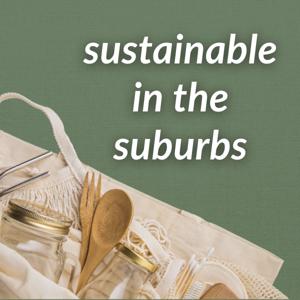


Can you be sustainable in the suburbs? Well, yes and no.
Suburban life can make sustainable living complicated — especially when communities are built around cars, convenience, private space, and consumption. But the suburbs are also where so many of us live, raise families, volunteer, vote, garden, organize, and build community.
So what does climate action actually look like here?
This episode looks at sustainable living in the suburbs beyond eco swaps and bigger purchases, and asks what becomes possible when we start thinking about our neighbourhoods, local politics, shared resources, and community resilience.
Takeaways
One Small Shift
Choose one free action that connects your household to your community.
Sustainability is something we practise, share, and build where we live — and sometimes that starts with one small step outside our own front door.
Related Episodes
Ep. 7 - Rethinking Zero Waste and Building Community Care
Ep. 12 - How to Quit Using Amazon (and Why You Should)
Ep. 24: 5 Sustainable Living Mistakes to Avoid (and What to Do Instead)
Ep. 36: How to Host a Clothing Swap
Ep. 42: Overwhelmed by Climate Change? Start Here.
Ep. 45: How To Spend Less on Groceries by Reducing Food Waste
Blog Posts
50 Ways to Be More Sustainable
How to Drive Less in the Suburbs
How to Start Living Sustainably
Support the show
Connect With Me
Website
Newsletter
Shop
Support the Show
Sustainable in the Suburbs is mixed and edited by Cardinal Studio
If you enjoyed this episode, I’d love it if you followed the show, shared it with a friend, or left a rating and review. Every little bit helps more people find Sustainable in the Suburbs — and live a little greener.
Back in 2020, I was a guest on the now inactive podcast Practical(ly) Zero Waste, hosted by Elsbeth Callaghan. At the time, my kids were little, the zero waste movement online was deep in its “trash jar” era, and many of us were trying to figure out what sustainable living looked like outside of perfectly curated Instagram squares.
Six years later, a lot has changed.
Kids are older, life looks different, and both of us have let go of a lot of the pressure and aesthetics that surrounded zero waste in those early online days. But underneath all of that, the values are still very much the same.
In this full-circle conversation for Episode 50 of Sustainable in the Suburbs, Elsbeth and I talk about what sustainable living looks like now: parenting teenagers and young kids, balancing low waste goals with real life, navigating burnout and social media, building community, and why consistency matters a whole lot more than perfection.
We also talk about what we’ve kept, what we’ve let go of, and how many of the “small shifts” we started years ago have quietly become lifelong habits.
Takeaways
One Small Shift
You can always start again.
Even if you’ve fallen out of old habits, even if life looks completely different now, small intentional changes still matter. Start with one thing that feels manageable and build from there.
Resources
Practical(ly) Zero Waste
PZW - Ep. 69: Raising Eco Kids
Inkwood Print Shop
Related Episodes
4: How to Conduct a Household Waste Audit
11: Money, Enoughness, and Community Care with Women’s Personal Finance
12: How to Quit Using Amazon (and Why You Should)
Support the show
Connect With Me
Website
Newsletter
Shop
Support the Show
Sustainable in the Suburbs is mixed and edited by Cardinal Studio
If you enjoyed this episode, I’d love it if you followed the show, shared it with a friend, or left a rating and review. Every little bit helps more people find Sustainable in the Suburbs — and live a little greener.
In this episode, I’m talking about what sustainable living with kids actually looks like in real life. Not the Instagram version — the real version. The conversations, the habits, the overwhelm, the convenience culture, and the small shifts that slowly become part of how your family moves through the world.
Takeaways
One Small Shift
Have a family conversation about consumption, waste, or sustainability this week. Ask your kids what they notice, what they care about, and what ideas they have. You might be surprised by the answers.
Resources
10 Tips for Going Zero With Kids
How to Do a Trash Audit With Kids
Thrift Shopping for Kids
How to Prevent Food Waste With Kids
Becoming a Zero Waste Family
How to Pack a Zero Waste School Lunch
Related Episodes
Ep. 16: Sustainable Living with Kids — Save Money and Reduce Waste with Jessica Nakamura
Ep. 17: How to Raise Eco-Friendly Kids with Talayna Zacharias
Ep. 22: From Refills to Resilience — Simple, Real-Life Sustainable Living with Julie Darrell
Ep. 32: Overstimulation, Overconsumption, and the Pressure to Do More with Gillian Gabryluk
Ep. 40 – How to Host a Zero Waste Birthday Party for Kids
Ep. 46: How to Talk to Kids About Climate Change with Brittany Jefferson
Support the show
Connect With Me
Website
Newsletter
Shop
Support the Show
Sustainable in the Suburbs is mixed and edited by Cardinal Studio
If you enjoyed this episode, I’d love it if you followed the show, shared it with a friend, or left a rating and review. Every little bit helps more people find Sustainable in the Suburbs — and live a little greener.
Sustainability advice is everywhere — and even when you care, even when you’re trying to pay attention, it can be hard to know what actually matters.
In this episode, I’m joined by Alexa Pavan of Go Green With Alexa, a climate communicator and copywriter who’s focused on making sustainability more understandable, more approachable, and a lot more connected to real life.
We talk about what it looks like to move through all of that information — how to figure out what’s credible, what’s actually helpful, and how to take those bigger ideas and bring them into your day-to-day life.
From composting and food waste to media literacy and community action, this conversation is about finding your footing in a space that can feel overwhelming and remembering that sustainability doesn’t have to be complicated to matter.
Takeaways
One Small Shift
Start paying attention to what’s around you. Get curious about the life cycle of an object near you. Building awareness is the first step toward making more intentional choices.
Connect With Alexa
Website
YouTube
Resources
Household Waste Audit Workbook (free resource)
How to Prevent Food Waste With Kids (blog post)
11 Ways to Reuse Food Scraps (blog post)
Related Episodes
24: 5 Sustainable Living Mistakes to Avoid (and What to Do Instead)
45: Food Waste Is Costing You — How to Spend Less on Groceries with Chelsey Schmuland
46: How to Understand Climate Change (and Talk About It With Your Kids) with Brittany Jefferson
Support the show
Connect With Me
Website
Newsletter
Shop
Support the Show
Sustainable in the Suburbs is mixed and edited by Cardinal Studio
If you enjoyed this episode, I’d love it if you followed the show, shared it with a friend, or left a rating and review. Every little bit helps more people find Sustainable in the Suburbs — and live a little greener.
Bathroom swaps are one of the most common entry points into sustainable living — but they can also be one of the most overwhelming.
There are so many products, so many recommendations, and so much pressure to replace everything all at once.
In this episode of Sustainable in the Suburbs, I’m talking about what it actually looks like to approach sustainable bathroom swaps in a way that’s doable, practical, and budget-friendly. The focus is on using what you already have, reducing repeat purchases, and making changes that actually stick in real life.
We dig into how much waste is coming from the bathroom, why so many of these items are designed to be used and replaced quickly, and how shifting your approach can naturally reduce both waste and spending over time.
I also walk through what has (and hasn’t) worked in my own routine — from bar soap and toothpaste to deodorant and other everyday products — and why simplifying your routine can often be more impactful than swapping everything out.
Takeaways
One Small Shift
Take an inventory of what you already have in your bathroom and focus on finishing those products first. From there, you can make more intentional choices about what you actually want to replace (and what you don’t).
Resources
Eco-Friendly Bathroom Swaps (blog post)
Related Episodes
4: How to Do a Household Waste Audit
8: 5 Easy Plastic-Free Kitchen Swaps for Sustainable Living
9: Skincare, Sustainability, and Self-Care with Rebecca Ogilvie
10: How to Refill in Your Own Containers for a Plastic-Free Pantry
22: From Refills to Resilience — Simple, Real-Life Sustainable Living with Julie Darrell
38: Things I Don’t Buy Anymore — Eco-Frugal Shifts That Reduce Waste and Save Money
Support the show
Connect With Me
Website
Newsletter
Shop
Support the Show
Sustainable in the Suburbs is mixed and edited by Cardinal Studio
If you enjoyed this episode, I’d love it if you followed the show, shared it with a friend, or left a rating and review. Every little bit helps more people find Sustainable in the Suburbs — and live a little greener.
We spend a lot of time talking about climate change — but not nearly enough time understanding it.
Most of us were never really taught how to understand it, especially in a way that connects it to history, systems, power, and the everyday decisions we’re making.
This week, I’m joined by Brittany Jefferson, an educator and founder of EJ EDU, to talk about climate literacy — what it means, why it matters, and how it shapes the way we think about everything from education to environmental justice.
We talk about why climate can’t just live in science class, what’s missing from how it’s typically taught, and how understanding the bigger picture can change the way we approach sustainability.
We also bring this into everyday life — from raising kids and navigating climate anxiety to having conversations at home and taking local climate action.
Takeaways
One Small Shift
Download the Climate Venn Diagram. It’s a simple but powerful way to figure out where your skills, your interests, and the needs of the world overlap — and where you can focus your time and energy.
Connect with Brittany
Instagram
Patreon
Teachers Pay Teachers
Resources
All We Can Save – Dr. Ayana Elizabeth Johnson (book)
What If We Get It Right? – Dr. Ayana Elizabeth Johnson (book)
How to Talk to Your Kids About Climate Change - Harriet Shugarman (book)
Earth Matters (educational game)
Related Episodes
Ep. 5: How to Navigate Climate Emotions with Jen Knoch
Ep. 7: Rethinking Zero Waste with April Dickinson
Ep. 42: Overwhelmed by Climate Change? The Climate Venn Diagram Can Help
Support the show
Connect With Me
Website
Newsletter
Shop
Support the Show
Sustainable in the Suburbs is mixed and edited by Cardinal Studio
If you enjoyed this episode, I’d love it if you followed the show, shared it with a friend, or left a rating and review. Every little bit helps more people find Sustainable in the Suburbs — and live a little greener.
You’re not just wasting food — you’re throwing money in the trash.
This week I’m joined by returning guest Chelsey Schmuland, and we’re digging into one of the most overlooked ways to save money on groceries: reducing food waste.
Chelsey is the maker behind Hive to Home, where she creates handmade beeswax wraps as a reusable alternative to plastic food storage. She’s also a grocery budgeting queen and food rescue enthusiast.
We talk about how much food we’re actually wasting (and what that costs), how food rescue apps can dramatically transform your grocery budget, and why proper storage makes a bigger difference than you might think.
If you’re trying to spend less, waste less, and make your kitchen work better for you — this episode is packed with strategies you can start using right away.
Takeaways
One Small Shift
Before you shop this week, check the reduced section or a food rescue app first — and build one meal around what you find.
Connect with Chelsey
Website
Resources
A Beginner’s Guide to a Sustainable Kitchen (use code PODCAST20)
11 Ways to Reuse Food Scraps
How to Prevent Food Waste with Kids
How to Use Beeswax Wraps (and Keep Food Fresh Without Plastic)
Flashfood (use code is SUST7K8EA for $5 off)
Too Good to Go
Odd Bunch
Souper Cubes
Support the show
Connect With Me
Website
Newsletter
Shop
Support the Show
Sustainable in the Suburbs is mixed and edited by Cardinal Studio
If you enjoyed this episode, I’d love it if you followed the show, shared it with a friend, or left a rating and review. Every little bit helps more people find Sustainable in the Suburbs — and live a little greener.
Spring is when the birds get loud again. You hear them before you see them — in the morning, in the trees, and in the background of your day.
If you’ve ever thought about getting into birding, this is a really natural place to start — right outside your door.
In this episode, we’re talking about how to start birding in your own backyard, how to identify common birds by sight and sound, what’s happening during nesting season, and how to support birds in ways that genuinely help.
There’s a lot of advice out there this time of year — and not all of it is as helpful as it sounds. So we’ll also walk through what to avoid, common bird hazards in suburban spaces, and simple ways to support backyard biodiversity and habitat.
Takeaways
One Small Shift
Leave your earphones at home for one walk this week and just listen. Learn to identify one bird by sound and tell me who it is!
Resources:
Safe Nesting Materials for Birds (blog post)
Merlin Bird ID
Birds Canada - Project NestWatch
Birds Canada - SwiftWatch
Great Backyard Bird Count
Wild Birds Unlimited
Feather Friendly
Related Episodes:
Ep. 18: Connecting Communities Through Green Spaces with Carolyn Scotchmer
Ep. 20: Wildlife Conservation, Birding, and Finding Hope in Nature with Matt Howard
Ep. 25: Redefining Sustainable Living — From Zero Waste to Real-World Resilience
Support the show
Connect With Me
Website
Newsletter
Shop
Support the Show
Sustainable in the Suburbs is mixed and edited by Cardinal Studio
If you enjoyed this episode, I’d love it if you followed the show, shared it with a friend, or left a rating and review. Every little bit helps more people find Sustainable in the Suburbs — and live a little greener.
What does sustainable living actually look like in the suburbs — in places designed around cars, convenience, and big box shopping?
Laura Newton is the founder of The Kind Matter Company, a Canadian eco-boutique and refill store focused on low waste living, eco friendly products, and non-toxic household essentials. What began as a personal search for safer products after her daughter developed severe allergies has grown into a retail business built around making sustainable living more accessible for everyday families.
Kind Matter now has multiple locations across Ontario, including a flagship store in Mississauga’s Heartland Town Centre — a typical suburban shopping plaza where refillable products, Canadian brands, and plastic-free options sit alongside everyday errands.
This conversation explores how refill stores and low waste shopping fit into suburban life, what customers are actually looking for, and how eco friendly products become part of real, everyday routines — without requiring a complete lifestyle overhaul.
Takeaways
Connect With Laura
The Kind Matter Company
Terra Greenhouses
Products Mentioned
Birch Babe
Cheekbone Beauty
The Bare Home
Notice Hair Co. (see in store)
Routine Cream (see in store)
Support the show
Connect With Me
Website
Newsletter
Shop
Support the Show
Sustainable in the Suburbs is mixed and edited by Cardinal Studio
If you enjoyed this episode, I’d love it if you followed the show, shared it with a friend, or left a rating and review. Every little bit helps more people find Sustainable in the Suburbs — and live a little greener.
This episode originally aired in the very first month of Sustainable in the Suburbs. I’m revisiting it now because this idea remains one of the clearest ways to find your place in climate action — and sometimes returning to the foundation is exactly what helps us feel re-energized.
Climate change feels HUGE — and it is. The problem is urgent and complex. And when you start looking for solutions, it can seem like there’s an endless list of things you should be doing. All of them are important, and that can feel completely overwhelming.
But meaningful climate action doesn’t happen because one person does everything. It happens when many people each find their place — in their homes, their neighbourhoods, and their communities.
In this episode, I’m sharing a simple framework I often come back to refocus my efforts: the Climate Action Venn Diagram from Dr. Ayana Elizabeth Johnson. We’ll talk about how your skills, your joys, and the needs of the world can come together to help you find your own personal starting point — one that feels meaningful, realistic, and sustainable for the long haul.
Takeaways
One Small Shift
Download a copy of Dr. Ayana Elizabeth Johnson’s Climate Venn Diagram worksheet, grab a pencil, and just see what comes up. You might be surprised by how much clarity this one little exercise can bring.
Resources
How to Start Living Sustainably: A Simple Framework for Climate Action
Climate Action Venn Diagram
How to Find Joy in Climate Action (TED Talk)
What If We Get It Right? (website)
All We Can Save - Ayana Elizabeth Johnson & Katharine K. Wilkinson (book)
What If We Get It Right - Dr. Ayana Elizabeth Johnson (book)
Buy Nothing Project
Related Epiosdes
Support the show
Connect With Me
Website
Newsletter
Shop
Support the Show
Sustainable in the Suburbs is mixed and edited by Cardinal Studio
If you enjoyed this episode, I’d love it if you followed the show, shared it with a friend, or left a rating and review. Every little bit helps more people find Sustainable in the Suburbs — and live a little greener.
From the publisher's feed
Want to waste less, save money, and build a more sustainable home life?
Do you care about sustainable living but feel overwhelmed by all the advice, products, pressure,…
If that sounds like you, you’re in the right place. Sustainable in the Suburbs helps you reduce waste, build sustainable habits, and make intentional living feel more doable at home — in a way that works for real people, real families, real budgets, real routines, and real homes.
Hosted by Sarah Robertson-Barnes — sustainability educator, writer, speaker, former high school science teacher, suburban mum, and founder of Sustainable in the Suburbs — the show offers practical, non-judgmental guidance to help you waste less, spend more intentionally, buy less, use what you already have, and make thoughtful changes at home. Sarah’s background in science education and technical writing helps her make complex sustainability topics clear, approachable, and useful in everyday life.
Because sustainable living is not just about eco-friendly products or making every possible swap. It is about creating a home life that is better for the planet while also working for your budget, energy, family, routines, and capacity.
On the podcast, you’ll hear practical conversations and ideas about:
Low waste living and reducing waste at home
Sustainable habits that fit real life
Reducing food waste and building low-waste kitchen routines
Buying less, using what you have, and reducing overconsumption
Sustainable parenting and sustainable living with kids
Composting, decluttering, plastic-free living, and eco-frugal living
Making holidays and celebrations less wasteful
Bringing more slow living and intentional living into everyday life
Building a more sustainable home life without adding more pressure
Choose an episode and hit play. Follow or subscribe for practical ideas to help make sustainable living feel more doable at home.
Next steps:
Free Household Waste Audit Workbook
A Beginner’s Guide to a Sustainable Kitchen
Read the Sustainable in the Suburbs blog
Join the Sustainable in the Suburbs newsletter
Start where you are, use what you have, and live a little greener — one small shift at a time!

90,671 Listeners

43,369 Listeners

14,655 Listeners

6,692 Listeners

6,605 Listeners

21,937 Listeners
1,001 Listeners

326 Listeners

4,756 Listeners

16,672 Listeners

4,532 Listeners

41,348 Listeners

18,920 Listeners

1,025 Listeners

12,451 Listeners