
Sign up to save your podcasts
Or

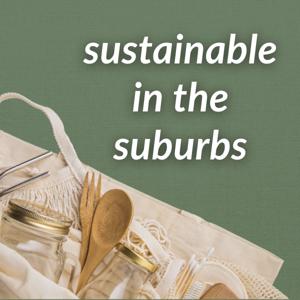


After releasing 31 episodes — something I am frankly amazed at — I wanted to take a few minutes to look back on this first year of Sustainable in the Suburbs. What’s worked, what’s been harder than expected, and what I’ve learned along the way.
In this short solo episode, I reflect on how the podcast has shaped my own thinking around sustainable living, why some conversations have resonated more than others, and how this show has slowly become a deeper, more community-focused part of my work. I also share the five episodes you’ve returned to most — a mix of topics that says a lot about what we’re collectively navigating right now.
Finally, I invite you into what comes next. As I start planning for 2026, I’d genuinely love to hear what you want more of — the questions you’re sitting with, the topics you want explored, and the conversations that would support you where you are right now.
Takeaways
Top Five Episodes of 2025
Support the show
Connect With Me
Website
Newsletter
Shop
Support the Show
Sustainable in the Suburbs is mixed and edited by Cardinal Studio
If you enjoyed this episode, I’d love it if you followed the show, shared it with a friend, or left a rating and review. Every little bit helps more people find Sustainable in the Suburbs — and live a little greener.
Every holiday season, those beautifully wrapped gifts under the tree inevitably results in a giant pile of very fancy garbage in five minutes flat.
In this week’s episode of Sustainable in the Suburbs, Sarah Robertson-Barnes looks at something most of us keep meaning to do better with next year… gift wrapping. From the confusing rules around what’s actually recyclable to the Pinterest pressure of “perfect” presentation, this episode explores why wrapping creates so much waste — and what we can do instead.
Sarah walks through simple, low-waste wrapping ideas using things you already have at home, as well as what kids learn from watching us wrap, and how a few small shifts can make your holiday wrapping a little easier and a lot less expensive.
Whether you love wrapping gifts or dread it every year, this episode offers practical, accessible ideas to help you reduce waste, save money, and make the season feel more intentional.
Takeaways
One Small Shift
Take five minutes to look around your home and see what you already have that could be used for wrapping this year — paper bags, fabric scraps, jars, twine, whatever’s on hand. Start there, and let the rest follow.
Resources
Sustainable Gift Wrapping Ideas
How to Clean Pine Cones for Crafting
Salt Dough Ornaments
Dried Orange Slices
How to Wrap Gifts with Cloth (video)
Zero Waste Gift Wrapping Ideas (Pinterest)
Support the show
Connect With Me
Website
Newsletter
Shop
Support the Show
Sustainable in the Suburbs is mixed and edited by Cardinal Studio
If you enjoyed this episode, I’d love it if you followed the show, shared it with a friend, or left a rating and review. Every little bit helps more people find Sustainable in the Suburbs — and live a little greener.
If the holidays seem to get louder and more overwhelming every year, you’re not imagining it. From endless ads to the pressure to make everything “magical,” it’s easy to get swept into a season that feels more stressful than joyful. And for parents trying to have a more sustainable holiday with kids, the noise can make it hard to stay grounded in what really matters.
This week, I’m joined by Stephanie Seferian, host of the Sustainable Minimalists podcast and author of Sustainable Minimalism. Stephanie brings such a thoughtful, grounded perspective to what it means to step back from the holiday frenzy and reclaim a season rooted in connection rather than consumption.
We talk about why less often feels harder than more, how cultural messaging around holiday magic drives emotional spending, and what it looks like to model enoughness for our kids. Stephanie also shares practical ideas for secondhand gifts, simple homemade traditions, and creating a mindful holiday season that actually feels good.
Takeaways
One Small Shift
Stephanie suggests buying for fewer people. A smaller list means less pressure, less waste, and more room for the parts of the holidays that actually matter.
Connect With Stephanie
Website
Substack
Sustainable Minimalism (book)
Sustainable Minimalists (podcast)
Resources
Sustainability in the Suburbs (Sustainable Minimalists podcast)
Is It Okay To Give Secondhand Gifts (episode & blog post)
How to Stop Shopping on Amazon (blog post)
6 Recipes for Gifts in a Jar (blog post)
Support the show
Connect With Me
Website
Newsletter
Shop
Support the Show
Sustainable in the Suburbs is mixed and edited by Cardinal Studio
If you enjoyed this episode, I’d love it if you followed the show, shared it with a friend, or left a rating and review. Every little bit helps more people find Sustainable in the Suburbs — and live a little greener.
Some of the most meaningful gifts we give (and receive) aren’t new. They’re secondhand.
And yet… so many of us still hesitate.
In this week’s episode of Sustainable in the Suburbs, Sarah Robertson-Barnes digs into the cultural stigma around secondhand gifts, why it lingers, and why it’s slowly shifting. This episode explores what makes a gift meaningful in the first place — and why secondhand gifts, whether thrifted, vintage, or passed down, often hold the most heart.
Sarah shares listener stories, practical ideas, and her own real-life secondhand wins — all to help you rethink what gifting can look like this season. Whether you’re new to the idea of secondhand gifting or already a Buy Nothing pro, this conversation offers encouragement, inspiration, and lots of doable takeaways.
Takeaways
One Small Shift
This year, choose to give one secondhand gift. Let gifting be less about “new” and more about meaning.
Resources
Is It Okay to Give Secondhand Gifts? (blog post)
Eco-Friendly Gift Ideas for Kids (blog post)
How to Stop Shopping on Amazon (blog post)
A Very Big List of Sustainable Canadian Brands (blog post)
Support the show
Connect With Me
Website
Newsletter
Shop
Support the Show
Sustainable in the Suburbs is mixed and edited by Cardinal Studio
If you enjoyed this episode, I’d love it if you followed the show, shared it with a friend, or left a rating and review. Every little bit helps more people find Sustainable in the Suburbs — and live a little greener.
What if the things we already have — the scraps, the leaves, the little bits most people throw away — are exactly where creativity begins?
This week, Sarah Robertson-Barnes talks with Sibia Torres Padilla, the artist and author behind @sibster and Charming Woodland Crafts: 50 Fun and Easy Projects Made from Natural and Recycled Materials.
Sibia shares how her upbringing shaped her creativity and resourcefulness, and how those early lessons in “making do” evolved into a lifelong love of turning the everyday into something meaningful. Together, they explore the beauty of creative reuse, the emotional connections formed through making, and how crafting with kids can nurture imagination and mindfulness — especially during the busy holiday season.
They also talk about the realities of navigating online fame, what it felt like to publish her first book, and why creating something by hand can be such a powerful act of hope.
Takeaways
One Small Shift
Look at what’s already in your home — paper scraps, jars, pinecones, fabric bits — and see what could become something new. Start with one small, handmade project and let the process be the point.
Connect with Sibia
Resources
Charming Woodland Crafts: 50 Fun and Easy Projects Made from Natural and Recycled Materials (buy Sibia’s book!)
6 Recipes for Gifts in a Jar (blog post)
Sustainable Gift Wrapping Ideas (blog post)
Seasonal Decor: How to Make Dried Orange Slices (blog post)
Support the show
Connect With Me
Website
Newsletter
Shop
Support the Show
Sustainable in the Suburbs is mixed and edited by Cardinal Studio
If you enjoyed this episode, I’d love it if you followed the show, shared it with a friend, or left a rating and review. Every little bit helps more people find Sustainable in the Suburbs — and live a little greener.
Festive food and drink are an important part of celebrating the holidays, but food waste shouldn’t be. In this episode of Sustainable in the Suburbs, Sarah Robertson-Barnes shares simple, sustainable ways to reduce food waste, save money, and plan mindful, eco-friendly holiday meals.
From meal planning and low-waste hosting tips, to getting kids involved in the kitchen, you’ll learn how to plan for enough, use what you have, and enjoy the season without overspending or overbuying. This episode is full of practical tips and real-life inspiration to help your family live a little greener — one meal at a time.
Takeaways
One Small Shift
This week, try planning the old-fashioned way! Sit down with a pen and notebook before the busy season hits, take stock of what’s in your kitchen, and make a simple plan for what you actually need.
Resources
FoodMesh
ReFED
How to Reduce Food Waste Over the Holidays (blog post)
6 Recipes for Gifts in a Jar (blog post + free download)
A Simple Kitchen Audit
A Beginners Guide to a Sustainable Kitchen (use code PODCAST20)
Support the show
Connect With Me
Website
Newsletter
Shop
Support the Show
Sustainable in the Suburbs is mixed and edited by Cardinal Studio
If you enjoyed this episode, I’d love it if you followed the show, shared it with a friend, or left a rating and review. Every little bit helps more people find Sustainable in the Suburbs — and live a little greener.
What happens when your life changes completely — but your commitment to living sustainably stays the same?
This week, I’m joined by Kristy Halderman, whose sustainability journey has taken her from Washington, DC to Montana — touching nearly every part of sustainable living along the way. From going all-in on zero waste and launching an oat milk business, to working in sustainable investing, and now community-based environmental advocacy, Kristy’s story is a reminder that our definition of sustainability can — and should — evolve over time.
We talk about what it’s like to live your values in a place where sustainability isn’t the norm, why accessibility matters more than perfection, and how to keep showing up even when conditions aren’t ideal. Kristy also shares her love of trails, her unexpected passion for beavers, and how journaling helps her stay grounded through eco-anxiety and change.
This conversation is honest, funny, and deeply relatable — a reminder that sustainable living doesn’t always look the same everywhere, and that progress still counts, even when it’s quiet.
Takeaways
One Small Shift
Go analog. Step away from your screens, pick up a pen, and spend a few minutes journaling — about what’s heavy, what’s working, or what you want to focus on next. Writing by hand can be grounding and clarifying, helping you slow down, ease eco-anxiety, and reconnect with what matters most.
Connect with Kristy
Website
Related Episodes
Ep. 11: Money, Enoughness, and Community Care with Women's Personal Finance
Ep. 20: Wildlife Conservation, Birding, and Finding Hope in Nature with Matt Howard
Support the show
Connect With Me
Website
Newsletter
Shop
Support the Show
Sustainable in the Suburbs is mixed and edited by Cardinal Studio
If you enjoyed this episode, I’d love it if you followed the show, shared it with a friend, or left a rating and review. Every little bit helps more people find Sustainable in the Suburbs — and live a little greener.
Sustainable living isn’t a straight path — it’s a practice that shifts and changes as we do.
Over the years, I’ve learned a lot about what sustainable living really looks like. I’ve tried just about everything, and while some things worked beautifully (at least for a while), others were total disasters! This episode is a look back at a few of those lessons — the cutlery kits, the trash jars, the guilt, the burnout, and the pressure to both reduce waste and make it all look perfect online. Because sustainable living isn’t about getting it right — it’s about finding what fits your real life.
In this personal episode, I’m sharing five common traps we might fall into and why imperfection, flexibility, and community matter so much more than being perfect. It’s a gentle reminder that progress isn’t about what you see online; it’s about showing up, doing what you can, and keeping at it.
Takeaways
One Small Shift
Before you buy your next “eco” product, PAUSE. Put it in your cart, wait a few days, and see how you feel. You might already have what you need — or realize you didn’t need it at all.
Resources
How NOT to Go Zero Waste (blog post)
50 Easy Ways to Be More Sustainable (blog post)
Household Waste Audit Workbook
A Beginner's Guide to a Sustainable Kitchen
Support the show
Connect With Me
Website
Newsletter
Shop
Support the Show
Sustainable in the Suburbs is mixed and edited by Cardinal Studio
If you enjoyed this episode, I’d love it if you followed the show, shared it with a friend, or left a rating and review. Every little bit helps more people find Sustainable in the Suburbs — and live a little greener.
Do you really need to own everything? From ladders and camping gear to canning supplies and extra tables, so many of the things cluttering our homes only get used once or twice a year. What if borrowing — instead of buying — became our default?
For Circular Economy Month, this episode looks at how sharing, renting, and borrowing can strengthen our communities while cutting down on overconsumption. This week I am joined by Tim Sattler, the founder of LEND-IT.CA, a rental marketplace that connects neighbours and local businesses so people can access what they need without buying new.
Tim shares how his small-town upbringing and military experience inspired him to create a platform that makes sustainable choices more convenient. We talk about how borrowing keeps value in our communities, why convenience is key to lasting behaviour change, and how rethinking ownership can make life simpler for families.
Takeaways
One Small Shift
Before you click “buy now,” pause for a moment. Do you really need to own that item? Could you borrow it from a neighbour or rent it locally instead? Trying before buying is one small shift that keeps money in your community, reduces waste, and helps build a stronger community for all.
Connect with Tim Sattler
LEND-IT.CA (website)
App Store
Google Play
Resources
Lend What You Have, Borrow What You Need (blog post)
Circular Innovation Council
Support the show
Connect With Me
Website
Newsletter
Shop
Support the Show
Sustainable in the Suburbs is mixed and edited by Cardinal Studio
If you enjoyed this episode, I’d love it if you followed the show, shared it with a friend, or left a rating and review. Every little bit helps more people find Sustainable in the Suburbs — and live a little greener.
What if stepping into a refill shop for the first time could change the way you see your whole community?
This week, I’m joined by Julie Darrell, owner and founder of Bring Your Own Long Beach. Since 2017, Julie has been helping her community cut down on single-use plastics, rethink consumption, and find approachable ways to live more sustainably.
We talk about what really happens inside a refill shop — from the first-time nerves to the “aha” moment when you realize how easy and empowering refilling can be. Julie also shares what it’s like raising teens in a low-waste household, how she’s built community through local partnerships, and what keeps her grounded through the ups and downs of running a values-based business.
It’s a conversation about small steps, local action, and the quiet power of community care — a reminder that systems change starts with the choices we make every day.
Takeaways
Connect With Julie
BYO Long Beach (Website)
Bring Your Own Long Beach (Instagram)
BYO Long Beach (Instagram)
Resources
Algalita Marine Research and Education
Circular Economy Month
How to Refill in Your Own Containers (Blog post)
How to Have a Zero Waste Birthday Party for Kids (Blog post)
Support the show
Connect With Me
Website
Newsletter
Shop
Support the Show
Sustainable in the Suburbs is mixed and edited by Cardinal Studio
If you enjoyed this episode, I’d love it if you followed the show, shared it with a friend, or left a rating and review. Every little bit helps more people find Sustainable in the Suburbs — and live a little greener.
From the publisher's feed
Want to waste less, save money, and build a more sustainable home life?
Do you care about sustainable living but feel overwhelmed by all the advice, products, pressure,…
If that sounds like you, you’re in the right place. Sustainable in the Suburbs helps you reduce waste, build sustainable habits, and make intentional living feel more doable at home — in a way that works for real people, real families, real budgets, real routines, and real homes.
Hosted by Sarah Robertson-Barnes — sustainability educator, writer, speaker, former high school science teacher, suburban mum, and founder of Sustainable in the Suburbs — the show offers practical, non-judgmental guidance to help you waste less, spend more intentionally, buy less, use what you already have, and make thoughtful changes at home. Sarah’s background in science education and technical writing helps her make complex sustainability topics clear, approachable, and useful in everyday life.
Because sustainable living is not just about eco-friendly products or making every possible swap. It is about creating a home life that is better for the planet while also working for your budget, energy, family, routines, and capacity.
On the podcast, you’ll hear practical conversations and ideas about:
Low waste living and reducing waste at home
Sustainable habits that fit real life
Reducing food waste and building low-waste kitchen routines
Buying less, using what you have, and reducing overconsumption
Sustainable parenting and sustainable living with kids
Composting, decluttering, plastic-free living, and eco-frugal living
Making holidays and celebrations less wasteful
Bringing more slow living and intentional living into everyday life
Building a more sustainable home life without adding more pressure
Choose an episode and hit play. Follow or subscribe for practical ideas to help make sustainable living feel more doable at home.
Next steps:
Free Household Waste Audit Workbook
A Beginner’s Guide to a Sustainable Kitchen
Read the Sustainable in the Suburbs blog
Join the Sustainable in the Suburbs newsletter
Start where you are, use what you have, and live a little greener — one small shift at a time!

90,671 Listeners

43,369 Listeners

14,655 Listeners

6,692 Listeners
6,605 Listeners

21,937 Listeners
1,001 Listeners
326 Listeners

4,756 Listeners
16,672 Listeners

4,532 Listeners

41,348 Listeners

18,920 Listeners

1,025 Listeners

12,451 Listeners