
Sign up to save your podcasts
Or

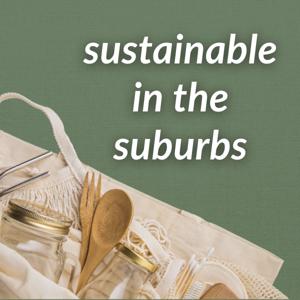


Money choices are climate action too.
This week, Regina Moore and Angela Rozmyn from Women’s Personal Finance join me for a thoughtful, honest conversation about the overlap between money, sustainability, and community care.
We talk about spending in alignment with your values, why “enoughness” can be such a powerful mindset shift, and how boycotts and intentional choices can be forms of protest. We also explore the role community plays — not just in sharing resources, but in building resilience and pushing back on the systems that encourage overconsumption.
It’s a conversation that invites you to look at your own financial choices through a new lens and see how small, intentional shifts can add up to something bigger.
Takeaways
One Small Shift
Resources
The Serviceberry - Robin Wall Kimmerer
Consumed - Aja Barber
Connect with Women's Personal Finance
Website
Communities
Newsletter
Threads
TikTok
Support the show
Connect With Me
Website
Newsletter
Shop
Support the Show
Sustainable in the Suburbs is mixed and edited by Cardinal Studio
If you enjoyed this episode, I’d love it if you followed the show, shared it with a friend, or left a rating and review. Every little bit helps more people find Sustainable in the Suburbs — and live a little greener.
Bringing your own containers to refill shops, markets, or even cafés is one of the easiest ways to cut down on single‑use packaging. It saves money, keeps your pantry organized, and helps shift the way we think about consumption.
In this episode of Sustainable in the Suburbs, I’m sharing how to make refilling feel like second nature as a sustainable living practice. You’ll hear practical tips for overcoming barriers to refilling (including how to choose the right containers and understanding store policies), how small mindset shifts can lead to refill at scale, and plenty of encouragement to get started where you are.
Takeaways
One Small Shift
Pick one item you buy regularly — coffee, rice, snacks — and look for a place to refill it in your own container. That single change can make a surprising difference.
Resources
Household Waste Audit Workbook (FREE download)
Plastic-Free Pantry: How to Refill Your Own Containers (Blog)
Plastic-Free July: 31 Easy Swaps to Reduce Plastic Waste (Blog)
“Reusable containers safe during Covid‑19 pandemic, say experts” — The Guardian, June 22, 2020
Zero Waste Chef (Website)
The Zero Waste Chef Cookbook - Anne-Marie Bonneau
Bulk Barn - Reusable Container Program
Stasher Bag
Reusable produce and bulk bags
Support the show
Connect With Me
Website
Newsletter
Shop
Support the Show
Sustainable in the Suburbs is mixed and edited by Cardinal Studio
If you enjoyed this episode, I’d love it if you followed the show, shared it with a friend, or left a rating and review. Every little bit helps more people find Sustainable in the Suburbs — and live a little greener.
This episode is an invitation to slow down — to reconnect with yourself, with nature, and with what truly matters.
Sarah sits down with Rebecca Ogilvie, founder of The Detour Co., a sustainable skincare brand rooted in care and connection. Together they explore the quiet magic of routines that nourish rather than extract — from sourcing ingredients to creating space for rest in a culture that pushes us to hustle.
They talk about the complexities of sustainable packaging, what it means to build a business in alignment with your values, and how self-care can be an act of resistance — and of reverence.
If you’ve ever felt disconnected from your body, from nature, or from the systems we’re all trying to change, this conversation is a gentle reminder that every small act of care makes a difference.
Takeaways
One Small Shift
Let your skincare routine be an act of connection. Whether it’s using a simple balm made with natural ingredients or taking an extra moment to slow down, notice what feels good. What nourishes you? What feels aligned?
Resources
Merlin Bird ID
Connect With Rebecca
The Detour Co. - Website
The Detour Co. - Instagram
Support the show
Connect With Me
Website
Newsletter
Shop
Support the Show
Sustainable in the Suburbs is mixed and edited by Cardinal Studio
If you enjoyed this episode, I’d love it if you followed the show, shared it with a friend, or left a rating and review. Every little bit helps more people find Sustainable in the Suburbs — and live a little greener.
The kitchen is one of the biggest sources of household waste — but it’s also one of the easiest places to start making a change. In this episode of Sustainable in the Suburbs, Sarah shares five practical, affordable, and genuinely useful swaps to help you cut down on plastic and reduce waste at home. From ditching paper towels to upgrading your containers, these swaps are all about progress, not perfection. Check out the links below for Sarah’s go-to reusables and top plastic-free kitchen tips.
Whether you're starting from scratch or just looking for a couple of easy wins, this is a great place to begin.
Takeaways
One Small Shift:
Pick just one thing to swap this week. Whether it’s replacing paper towels, trying out a reusable bag, or mixing up a batch of DIY cleaner — it all counts!
Product Recommendations
Swedish dish cloths
Unpaper towels
Stasher bags
Beeswax wraps
Wooden dish brush
Cleanings, soap, and laundry tablets
Resources
A Beginner’s Guide to a Sustainable Kitchen (use code PODCAST20 to save 20%)
Plastic Free July: 31 Easy Swaps to Reduce Plastic Waste
10 Zero Waste Kitchen Swaps That Save You Money
How to Clean a Wooden Dish Brush
What to Use Instead of Paper Towels: 5 Easy and Sustainable Alternatives
Support the show
Connect With Me
Website
Newsletter
Shop
Support the Show
Sustainable in the Suburbs is mixed and edited by Cardinal Studio
If you enjoyed this episode, I’d love it if you followed the show, shared it with a friend, or left a rating and review. Every little bit helps more people find Sustainable in the Suburbs — and live a little greener.
When we talk about sustainability, we often focus on what we’re buying—or not buying. But what if it’s really about something much deeper?
In this episode, I’m joined by April Dickinson (@zerowastedork), a thoughtful voice in the zero waste space who thoughtfully challenges the consumer-driven model of sustainability. We talk about the evolution of zero waste living, the role of community care in climate action, and why economic degrowth might be the shift we need. From local connections to global systems, this is a conversation about finding joy, contributing to community, and staying grounded in what really matters.
If you’ve ever felt overwhelmed or stuck trying to "get it right" in your sustainability journey, this episode offers a generous, honest alternative.
Takeaways
Resources
Braiding Sweetgrass – Robin Wall Kimmerer
Doughnut Economics - Kate Raworth
Viet Thanh Nguyen (learn more about Expansive Solidarity)
Connect with April
Storygraph
Support the show
Connect With Me
Website
Newsletter
Shop
Support the Show
Sustainable in the Suburbs is mixed and edited by Cardinal Studio
If you enjoyed this episode, I’d love it if you followed the show, shared it with a friend, or left a rating and review. Every little bit helps more people find Sustainable in the Suburbs — and live a little greener.
Climate change feels HUGE — and it is. The problem is urgent and complex. And when you start looking for solutions, it can seem like there’s an endless list of things you should be doing. All of them are important, and that can feel completely overwhelming.
In this episode, I’m sharing a simple framework I often come back to refocus my efforts: the Climate Action Venn Diagram from Dr. Ayana Elizabeth Johnson. We’ll talk about how your skills, your joys, and the needs of the world can come together to help you find your own personal starting point — one that feels meaningful, realistic, and sustainable for the long haul.
Takeaways
One Small Shift
Download a copy of Dr. Ayana Elizabeth Johnson’s Climate Venn Diagram worksheet, grab a pencil, and just see what comes up. You might be surprised by how much clarity this one little exercise can bring.
Resources
Climate Action Venn Diagram
How to Find Joy in Climate Action - TED Talk
What If We Get It Right? (Website)
All We Can Save - Ayana Elizabeth Johnson & Katharine K. Wilkinson
What If We Get It Right (Book) - Dr. Ayana Elizabeth Johnson
How to Start Living Sustainably: A Simple Framework for Climate Action
Support the show
Connect With Me
Website
Newsletter
Shop
Support the Show
Sustainable in the Suburbs is mixed and edited by Cardinal Studio
If you enjoyed this episode, I’d love it if you followed the show, shared it with a friend, or left a rating and review. Every little bit helps more people find Sustainable in the Suburbs — and live a little greener.
How do we hold the grief, rage, and love that come with caring deeply about the climate crisis and still keep going? In this conversation, I’m joined by my friend Jen Knoch, a Toronto-based sustainability advocate and the creator of the Climate Emotions Retreat, to explore what it looks like to feel these emotions fully, stay rooted in care, and take meaningful action alongside others.
Whether you’re feeling overwhelmed, inspired, or somewhere in between, this episode is a reminder that you don’t have to hold it all alone — and that small acts of tending and care really do matter.
Takeaways
One Small Shift
Go for a bike ride and notice what’s blooming around you.
Books
ECW Press
New Society Publishers
Facing the Climate Emergency – Margaret Klein Salamon
Earth and Soul – Leah Rampy
Braiding Sweetgrass – Robin Wall Kimmerer
The Serviceberry – Robin Wall Kimmerer
Organizations
Climate Awakening
Indigenous Climate Action
Ecojustice
Environmental Defence
Ontario Nature
Mutual Aid & Local Resources
Community Fridges Toronto
Karma Co-op
Cycle Toronto
Find Your MPP (Ontario)
Connect with Jen
Five Minutes for the Planet (Jen’s Substack)
Climate Emotions Retreat
Support the show
Connect With Me
Website
Newsletter
Shop
Support the Show
Sustainable in the Suburbs is mixed and edited by Cardinal Studio
If you enjoyed this episode, I’d love it if you followed the show, shared it with a friend, or left a rating and review. Every little bit helps more people find Sustainable in the Suburbs — and live a little greener.
Reduce waste at home by taking a closer look at what’s going into your bin and why. A household waste audit is a practical starting point for low waste living, helping you understand what you throw away and where you could make changes.
What we throw away tells a story. Taking time to notice can help us make more intentional choices, build sustainable habits, and use what you have before buying more. We’ll also look at why household waste is only one piece of the bigger system—and what you can do about that.
In this episode of Sustainable in the Suburbs, I’ll guide you through a simple audit and explain what to look for when reviewing your results, including opportunities to reduce food waste and buy less. Download your FREE Household Waste Audit Workbook and work through it as you listen.
Takeaways
One Small Shift
This week, just start noticing. Before you download your FREE Household Waste Audit Workbook, just take a short pause when you are about to toss something in the bin. Where did this thing in your hand come from? What else could you do with it? What bin does it really belong in? And what happens to it after it leaves your home?
Resources
Household Waste Audit Workbook (free printable download)
Simple Kitchen Audit Workbook
A Beginners Guide to a Sustainable Kitchen
Related Blog Posts
How to Conduct a Waste Audit With Kids
How to Prevent Food Waste With Kids
11 Ways to Reuse Food Scraps
Simple Eco-Friendly Bathroom Swaps
10 Zero Waste Kitchen Swaps
31 Easy Swaps to Reduce Plastic Waste
Related Podcast Episodes
Ep. 8: 5 Easy Plastic-Free Kitchen Swaps for Sustainable Living
Ep. 10: How to Refill in Your Own Containers for a Plastic-Free Pantry
Ep. 24: 5 Sustainable Living Mistakes to Avoid (and What to Do Instead)
Ep. 34: How to Quit Using Paper Towels (and What to Use Instead)
Ep. 38: Things I Don’t Buy Anymore — Eco-Frugal Shifts That Reduce Waste
Ep. 53: What to Do With the Plastic You Already Have
Support the show
Connect With Me
Website
Newsletter
Shop
Support the Show
Sustainable in the Suburbs is mixed and edited by Cardinal Studio
If you enjoyed this episode, I’d love it if you followed the show, shared it with a friend, or left a rating and review. Every little bit helps more people find Sustainable in the Suburbs — and live a little greener.
How do you turn “trash” into treasure and find joy in the process?
In this conversation with Amber (@sustainablyamber), we explore how upcycling, thrifting, and creative reuse can spark climate action and community connection.
You’ll hear how Amber got started, why she’s passionate about helping others value materials, and how everyday acts of making, reusing, and sharing can help us build a more sustainable life.
If you’ve ever wondered how to get started with creative reuse or what to do with “stuff,” this episode will leave you inspired to start small — and think big.
Takeaways:
One Small Shift:
Before you buy new, ask yourself: What could I repurpose or reuse instead? Small choices like using what you have or making gifts by hand help reduce waste and spark creativity.
Connect With Amber:
Sustainably Amber - Blog
Support the show
Connect With Me
Website
Newsletter
Shop
Support the Show
Sustainable in the Suburbs is mixed and edited by Cardinal Studio
If you enjoyed this episode, I’d love it if you followed the show, shared it with a friend, or left a rating and review. Every little bit helps more people find Sustainable in the Suburbs — and live a little greener.
Plastic Free July isn’t about perfection — it’s about paying attention. In this episode, Sarah discusses where this global movement came from, why it matters, and how small shifts in your everyday habits can help tackle our plastic problem.
This challenge is about so much more than giving up plastic straws or bringing a tote bag to the store. Sarah also talks about her own experience with Plastic Free July over the years, how she approaches it now, and why “zero waste” isn’t the goal — progress is.
From systemic change to simple swaps, this is a great place to start if you’re curious about reducing plastic waste in your home and community. Remember: it’s only single-use if you use it once!
Plastic Free July is a global initiative of the Plastic Free Foundation. You can learn more and take the official pledge through their website.
Takeaways
One Small Shift
Choose one single-use item you regularly use — and either find a reusable alternative, or find a way to reuse it at least once before it heads to landfill.
Resources
Plastic Free July - 31 Easy Swaps to Reduce Plastic Waste
How NOT To Go Zero Waste
Plastic-Free Pantry - How to Refill in Your Own Containers
10 Zero Waste Kitchen Swaps That Save You Money
@SustainablyAmber - Upcycles & Creative Reuse
@Sibster - Low Waste Crafts & DIYs
Support the show
Connect With Me
Website
Newsletter
Shop
Support the Show
Sustainable in the Suburbs is mixed and edited by Cardinal Studio
If you enjoyed this episode, I’d love it if you followed the show, shared it with a friend, or left a rating and review. Every little bit helps more people find Sustainable in the Suburbs — and live a little greener.
From the publisher's feed
Want to waste less, save money, and build a more sustainable home life?
Do you care about sustainable living but feel overwhelmed by all the advice, products, pressure,…
If that sounds like you, you’re in the right place. Sustainable in the Suburbs helps you reduce waste, build sustainable habits, and make intentional living feel more doable at home — in a way that works for real people, real families, real budgets, real routines, and real homes.
Hosted by Sarah Robertson-Barnes — sustainability educator, writer, speaker, former high school science teacher, suburban mum, and founder of Sustainable in the Suburbs — the show offers practical, non-judgmental guidance to help you waste less, spend more intentionally, buy less, use what you already have, and make thoughtful changes at home. Sarah’s background in science education and technical writing helps her make complex sustainability topics clear, approachable, and useful in everyday life.
Because sustainable living is not just about eco-friendly products or making every possible swap. It is about creating a home life that is better for the planet while also working for your budget, energy, family, routines, and capacity.
On the podcast, you’ll hear practical conversations and ideas about:
Low waste living and reducing waste at home
Sustainable habits that fit real life
Reducing food waste and building low-waste kitchen routines
Buying less, using what you have, and reducing overconsumption
Sustainable parenting and sustainable living with kids
Composting, decluttering, plastic-free living, and eco-frugal living
Making holidays and celebrations less wasteful
Bringing more slow living and intentional living into everyday life
Building a more sustainable home life without adding more pressure
Choose an episode and hit play. Follow or subscribe for practical ideas to help make sustainable living feel more doable at home.
Next steps:
Free Household Waste Audit Workbook
A Beginner’s Guide to a Sustainable Kitchen
Read the Sustainable in the Suburbs blog
Join the Sustainable in the Suburbs newsletter
Start where you are, use what you have, and live a little greener — one small shift at a time!

90,622 Listeners

43,344 Listeners

14,658 Listeners

6,685 Listeners
6,605 Listeners

21,936 Listeners
1,001 Listeners

326 Listeners

4,753 Listeners
16,663 Listeners

4,532 Listeners

41,343 Listeners

18,912 Listeners

1,023 Listeners

12,483 Listeners