
Sign up to save your podcasts
Or

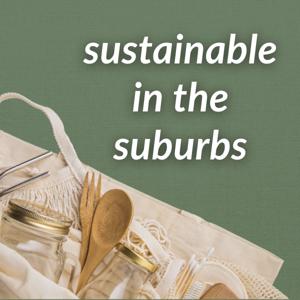


Halloween is supposed to be spooky, but the real horror might just be the mountain of waste it leaves behind. Costumes that only last one night, piles of plastic candy wrappers, cheap décor that lasts one season, and millions of pumpkins sent straight to landfill. It’s expensive and wasteful — but it doesn’t have to be that way.
In this episode of Sustainable in the Suburbs, I’m sharing how to celebrate Halloween in a way that’s festive, affordable, and low waste. You’ll hear ideas for costumes, candy, decorations, and pumpkins that cut back on trash while still keeping the spirit of Halloween. And as always, it’s about picking what feels doable for you — practical, budget-friendly shifts that reduce waste without losing what you love about the season.
Takeaways
Resources
Zero Waste Halloween (blog post)
What to Do With Your Pumpkin After Halloween (blog post)
Seasonal Decor - Making a Trash Pumpkin (blog post)
Ethical Candy to Try This Halloween (Fairtrade America)
Pumpkin Parades (City of Toronto)
TerraCycle - Halloween Treat Wrappers
Support the show
Connect With Me
Website
Newsletter
Shop
Support the Show
Sustainable in the Suburbs is mixed and edited by Cardinal Studio
If you enjoyed this episode, I’d love it if you followed the show, shared it with a friend, or left a rating and review. Every little bit helps more people find Sustainable in the Suburbs — and live a little greener.
What if noticing a chickadee, or spending Sunday offline, could change the way you see your neighbourhood — and yourself?
This week, I’m joined by Matt Howard, a wildlife biologist, writer, and engaging voice on how we connect with the natural world. Matt has worked everywhere from a tiny island in Alaska to California wind farms, and he now brings that deep ecological knowledge into everyday conversations about birds, frogs, and even the gear we think we need to enjoy the outdoors.
We talk about everything from chickadee calls and suburban bird feeders to wildlife road crossings, community science, and why stories matter just as much as data. Matt also shares how his “Log Cabin Sundays” digital detox practice has shifted his perspective, and what it means to navigate being a middle-aged “influencer” in the sustainability space.
This conversation is both funny and hopeful — a reminder that connecting with nature doesn’t have to be complicated, and that the choices we make in our own backyards and communities really do matter.
Takeaways
One Small Shift
Matt suggests making your next outdoor adventure a little greener by choosing secondhand gear. Whether it’s borrowing from a friend, checking a thrift shop, or repurposing what you already have, enjoying nature doesn’t have to come with new stuff.
Connect With Matt
TikTok
Threads
Patreon - Howie's Everything Club
Substack - Log Cabin Sundays
YouTube
Resources
Merlin Bird ID (app)
Safe Nesting Materials for Birds (blog post)
Beaverland: How One Weird Rodent Made America - Leila Philip (book)
Silent Spring - Rachel Carson (book)
No New Things - Ashlee Piper (book)
Support the show
Connect With Me
Website
Newsletter
Shop
Support the Show
Sustainable in the Suburbs is mixed and edited by Cardinal Studio
If you enjoyed this episode, I’d love it if you followed the show, shared it with a friend, or left a rating and review. Every little bit helps more people find Sustainable in the Suburbs — and live a little greener.
What if travel could be a form of care — for the planet, for ourselves, and for each other?
This week, I’m joined by Renee de Ronde, the creator behind Conscious Compass, where she shares slow, nature-led travel experiences rooted in beauty, intention, and connection. We talk about everything from glamping and family road trips to Canadian landscapes and creator community — and what it really means to travel consciously in today’s world.
Renee’s storytelling is gentle and grounded, and her photography will make you want to pack up and head straight for the forest (after you refill your reusable water bottle, of course). This conversation is a thoughtful look at how we experience place, why local adventures matter, and how slowing down can bring us closer to the things that actually make travel meaningful.
Takeaways
One Small Shift
Renee shares how buying less (and buying more intentionally) helped shift her relationship with both travel and sustainability. It's not about doing without — it's about doing with care.
Connect with Renee
Conscious Compass – Instagram
Support the show
Connect With Me
Website
Newsletter
Shop
Support the Show
Sustainable in the Suburbs is mixed and edited by Cardinal Studio
If you enjoyed this episode, I’d love it if you followed the show, shared it with a friend, or left a rating and review. Every little bit helps more people find Sustainable in the Suburbs — and live a little greener.
“The best time to plant a tree was 20 years ago. The second best time is now.” Green spaces strengthen our neighbourhoods, connecting us to nature and to each other.
In this episode, I’m joined by Carolyn Scotchmer, Executive Director of TD Friends of the Environment Foundation (TD FEF). Carolyn has spent more than a decade supporting community development through urban greening and community gardening initiatives across Canada. Today, she leads TD FEF’s national granting programs — including TD Tree Days, which for the past 15 years has brought families, volunteers, municipalities, not-for-profits, and Indigenous communities together to plant over half a million trees and help create healthier, more connected neighbourhoods.
Takeaways
Resources
TD Tree Days
TD Friends of the Environment Foundation
Support the show
Connect With Me
Website
Newsletter
Shop
Support the Show
Sustainable in the Suburbs is mixed and edited by Cardinal Studio
If you enjoyed this episode, I’d love it if you followed the show, shared it with a friend, or left a rating and review. Every little bit helps more people find Sustainable in the Suburbs — and live a little greener.
Is it possible to raise kids who care about the planet — without adding more to your already overflowing plate?
In this episode, I’m joined by Talayna Zacharias, a sustainability educator and content creator based in Alberta, to talk about what it really means to raise eco-conscious kids in a culture that pushes convenience and consumption.
We dig into parenting with sustainability at the core, how to model care and connection through small, everyday actions, and why curiosity, nature, and imperfection are essential tools in raising eco-conscious kids. Talayna also walks us through the full 7 R’s of sustainability — and we share a few laughs about when reusing becomes… hoarding.
Takeaways
Whether you’re just starting your low-waste journey or looking to deepen your family’s connection to the Earth, this is a practical, grounding conversation that will leave you feeling encouraged and ready to take your next small step.
One Small Shift
Create a “reuse bin” at home so your kids can access repurposed materials for crafts, projects, and creative play — a simple way to normalize secondhand and reduce waste while having fun.
Connect with Talayna
Workbooks & Printables
Resources
10 Tips for Going Zero Waste with Kids
How to Do a Trash Audit with Kids
No Mow May Explained: Skip the Mower, Feed the Bees, and Help the Planet
Support the show
Connect With Me
Website
Newsletter
Shop
Support the Show
Sustainable in the Suburbs is mixed and edited by Cardinal Studio
If you enjoyed this episode, I’d love it if you followed the show, shared it with a friend, or left a rating and review. Every little bit helps more people find Sustainable in the Suburbs — and live a little greener.
From cloth diapers and thrifted toys to birthday party overload, this is what sustainable living with small kids actually looks like — the joys, the trade-offs, and what makes it doable.
This week, I’m joined by Jessica Nakamura — a local realtor, mom of three (including twin toddlers), and self-described “kinda eco mom.” We sat down in my living room (sharing a mic in a DIY pillow fort) to talk about what sustainable living with kids really looks like in the thick of suburban parenting.
Jessica shares the eco-friendly tips and small shifts that have worked for her family — from cloth diapering and gift-free birthdays to secondhand shopping and passing baby "essentials" between friends — and how she’s learned to let go of perfection along the way.
We also talk about frugal living, budget-friendly sustainability, the reality of overconsumption, and what it means to lead by example without being the “boring mom.” This one’s full of laughs, honesty, and real talk about raising kids, building community, and living a little greener — even when life is loud, messy, and on a budget.
Takeaways
One Small Shift
Jessica encourages us to pause before clicking “buy” — and consider borrowing, thrifting, or reaching out to your local library or Buy Nothing group instead.
Connect With Jessica
That Mama Realtor - Website
That Mama Realtor - Perks
That Mama Realtor - Instagram
Resources
Zero Waste Birthday Parties for Kids
Thrift Shopping for Kids
Eco-Friendly Gift Ideas for Kids
Support the show
Connect With Me
Website
Newsletter
Shop
Support the Show
Sustainable in the Suburbs is mixed and edited by Cardinal Studio
If you enjoyed this episode, I’d love it if you followed the show, shared it with a friend, or left a rating and review. Every little bit helps more people find Sustainable in the Suburbs — and live a little greener.
Food doesn’t come from the grocery store — it comes from the earth. Sustainable gardening is our most direct connection to nature, and one of the most powerful ways we can take climate action right in our own backyards.
This week, I’m joined by Tasha Medve, the gardener and creator behind The Purposeful You. Tasha shares her passion for creating a “food oasis” at home, her best tips for beginners, and why gardening is about so much more than summer harvests. From fall crops to companion planting, we talk about the joy, the practicality, and the deeper meaning of growing your own food.
We also dig into family life: how to get kids involved in gardening, why it matters to raise eco-conscious kids, and how the garden itself can be the best teacher of all.
Takeaways
One Small Shift
One of the very first changes Tasha made at home was rethinking single-use disposables like paper towels. By simply moving the paper towels out of sight, she created a habit shift that made low-waste living feel more natural. Stay tuned for us losing our minds over dish cloths!
Connect with Tasha
The Purposeful You - Website
The Purposeful You - Instagram
The Purposeful Gardner (Book - pre-order now!)
DIY Arch - Ideal for Vertical Growing (free printable)
Resources
West Coast Seeds
What to Use Instead of Paper Towels: 5 Easy Swaps
Support the show
Connect With Me
Website
Newsletter
Shop
Support the Show
Sustainable in the Suburbs is mixed and edited by Cardinal Studio
If you enjoyed this episode, I’d love it if you followed the show, shared it with a friend, or left a rating and review. Every little bit helps more people find Sustainable in the Suburbs — and live a little greener.
Back-to-school doesn’t have to mean a cart full of new stuff. In this episode of Sustainable in the Suburbs, I’m sharing how to get your kids ready for school without wasting money — or creating a mountain of waste.
From supplies and clothing to tech and litterless lunches, you’ll hear practical tips for:
We’ll also talk about mindset — how to push back on the marketing pressure that tells us everything “expires” every August, and instead set your family up for a school year that’s lighter on the planet and your wallet.
And stick around to the end for this week’s One Small Shift — a simple, doable way to make your child’s school year more sustainable.
Resources
How to Pack a Zero Waste School Lunch
25 Healthy Snacks for Zero Waste Lunches
Thrift Shopping for Kids
How to Stop Shopping on Amazon (And Why You Should)
Support the show
Connect With Me
Website
Newsletter
Shop
Support the Show
Sustainable in the Suburbs is mixed and edited by Cardinal Studio
If you enjoyed this episode, I’d love it if you followed the show, shared it with a friend, or left a rating and review. Every little bit helps more people find Sustainable in the Suburbs — and live a little greener.
Let your reusables look reused.
In this episode of Sustainable in the Suburbs, I’m joined by Chelsey Schmuland, the owner and maker behind Hive to Home in Nova Scotia. Chelsey creates beautiful handmade beeswax wraps as a sustainable, renewable alternative to plastic food storage — but that’s just the beginning. She’s also a backyard chicken keeper, bread baker, waste diversion enthusiast, and all-around eco-nerd in the best possible way.
We talk about what inspired her to start Hive to Home, how her wraps are made, creative ways to use them, and why preventing food waste is one of the most powerful climate actions we can take in our own kitchens. Along the way, we also get into composting, connecting with nature, and the joy of using what you already have.
Takeaways
One Small Shift
Pause the scroll! Slow down and notice how you feel less overwhelmed, and feel less compelled to consume.
Connect with Chelsey @ Hive to Home
Hive to Home - Shop
Hive to Home - Instagram
Hive to Home - Beeswax Wrap Care
Resources
A Beginner’s Guide to a Sustainable Kitchen (use code PODCAST20 to save 20%)
Plastic Free July: 31 Easy Swaps to Reduce Plastic Waste
10 Zero Waste Kitchen Swaps That Save You Money
1000 Hours Outside
Support the show
Connect With Me
Website
Newsletter
Shop
Support the Show
Sustainable in the Suburbs is mixed and edited by Cardinal Studio
If you enjoyed this episode, I’d love it if you followed the show, shared it with a friend, or left a rating and review. Every little bit helps more people find Sustainable in the Suburbs — and live a little greener.
We know it’s a problem, we just don’t know how to stop. Here’s how to start...
In this episode of Sustainable in the Suburbs, I’m talking about how to quit Amazon — or at least drastically reduce your reliance on it — in a way that’s actually doable.
We dig into the real costs of convenience, from environmental harm to the engineered scarcity of Amazon’s business model. But more importantly, I’ll walk you through how my family has shifted away from using Amazon — and how you can, too.
The goal isn’t to overhaul your shopping habits overnight. It’s about slowing down, paying attention, and finding new ways to shop that feel better for you, your wallet, and the world.
Takeaways
One Small Shift
Try a “pause rule” for online shopping — only place orders on a set day each week (or month) and let your cart sit until then. You might be surprised how many things you no longer want or need.
Resources
Support the show
Connect With Me
Website
Newsletter
Shop
Support the Show
Sustainable in the Suburbs is mixed and edited by Cardinal Studio
If you enjoyed this episode, I’d love it if you followed the show, shared it with a friend, or left a rating and review. Every little bit helps more people find Sustainable in the Suburbs — and live a little greener.
From the publisher's feed
Want to waste less, save money, and build a more sustainable home life?
Do you care about sustainable living but feel overwhelmed by all the advice, products, pressure,…
If that sounds like you, you’re in the right place. Sustainable in the Suburbs helps you reduce waste, build sustainable habits, and make intentional living feel more doable at home — in a way that works for real people, real families, real budgets, real routines, and real homes.
Hosted by Sarah Robertson-Barnes — sustainability educator, writer, speaker, former high school science teacher, suburban mum, and founder of Sustainable in the Suburbs — the show offers practical, non-judgmental guidance to help you waste less, spend more intentionally, buy less, use what you already have, and make thoughtful changes at home. Sarah’s background in science education and technical writing helps her make complex sustainability topics clear, approachable, and useful in everyday life.
Because sustainable living is not just about eco-friendly products or making every possible swap. It is about creating a home life that is better for the planet while also working for your budget, energy, family, routines, and capacity.
On the podcast, you’ll hear practical conversations and ideas about:
Low waste living and reducing waste at home
Sustainable habits that fit real life
Reducing food waste and building low-waste kitchen routines
Buying less, using what you have, and reducing overconsumption
Sustainable parenting and sustainable living with kids
Composting, decluttering, plastic-free living, and eco-frugal living
Making holidays and celebrations less wasteful
Bringing more slow living and intentional living into everyday life
Building a more sustainable home life without adding more pressure
Choose an episode and hit play. Follow or subscribe for practical ideas to help make sustainable living feel more doable at home.
Next steps:
Free Household Waste Audit Workbook
A Beginner’s Guide to a Sustainable Kitchen
Read the Sustainable in the Suburbs blog
Join the Sustainable in the Suburbs newsletter
Start where you are, use what you have, and live a little greener — one small shift at a time!

90,671 Listeners

43,369 Listeners

14,655 Listeners

6,692 Listeners

6,605 Listeners

21,937 Listeners
1,001 Listeners
326 Listeners

4,756 Listeners

16,672 Listeners

4,532 Listeners

41,348 Listeners

18,920 Listeners

1,025 Listeners

12,451 Listeners