
Sign up to save your podcasts
Or

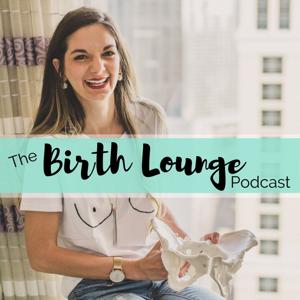


This episode is brought to you by a paid partnership with Cozy Earth.
Gift-giving season is here, and HeHe says Cozy Earth bamboo PJs are the only ones she wears (and the gift she has given for the last couple of years). Their biggest sale of the year ends December 3rd. Use code HEHE for 35% off at https://www.cozyearth.com and tell them at checkout you heard about them on The Birth Lounge Podcast.
Will your doula be mad if you get an epidural? Will she judge you if you're loud, change your birth plan, or decide that home birth isn't for you? You guys, let's get one thing straight: your doula is not there to grade your birth. After nearly 11 years of attending births, HeHe has a list of five things she genuinely could not care less about when it comes to how you give birth.
HeHe gets into the questions parents are sometimes afraid to ask when interviewing a doula, and why the answers should make you feel supported, not judged. From getting an epidural to making noise, changing your mind, and everything in between, she shares the five things that don't matter nearly as much as people think they do. Plus, there's one thing she cares about more than ALL of them.
Because knowing what you want for your birth is step one. Feeling confident enough to communicate it, navigate hospital policies, and make decisions when things don't go exactly to plan? That's step two. The Birth Lounge gives you judgment-free, evidence-based childbirth education to help you understand your options, advocate for yourself, and feel supported every step of the way.
Join The Birth Lounge here ($300 off through midnight Nov 13): https://www.thebirthlounge.com/join
IN THIS EPISODE
Ready to feel wildly supported and prepared for birth? For five days only, November 9–13, get $300 off The Birth Lounge, plus HeHe will mail you a rebozo and a couple of cozy extras when you join!
Join here: https://www.thebirthlounge.com/join
Sale ends at midnight on November 13.
If this episode helped you, rate and review the show. It's the #1 way other parents find it.
CHAPTERS
00:00 Level 10 Contractions Will Take You Out to Space
00:55 The Birth Lounge $300 Off Sale
02:10 5 Things I Don't Care About as Your Doula
03:55 Does Your Doula Care What Kind of Birth You Have
06:40 Where to Give Birth: Home, Birth Center, or Hospital
10:15 Epidural vs Unmedicated Birth and Pain Relief
13:45 Cozy Earth Sponsor: https://www.cozyearth.com
15:30 Doulas and Providers: Autonomy and Shared Decision-Making
20:45 Best Pushing Position (HeHe's Birth Story)
23:50 What a Doula Actually Cares About
27:15 Final Thoughts and Outro
CONNECT
HeHe on Instagram: https://www.instagram.com/tranquilitybyhehe/
The Birth Lounge on Instagram: https://www.instagram.com/the.birth.lounge/
KEEP LEARNING WITH HEHE
Scripts for Advocacy, the exact words for the conversations that can make or break your birth, from declining unnecessary interventions to asking the right questions: https://www.thebirthlounge.com/Scripts-for-Advocacy
Want prep delivered straight to your phone? Download The Birth Lounge App for bite-sized birth and postpartum tools you can use anytime, anywhere: https://www.thebirthlounge.com/app
LINKS MENTIONED
The Birth Lounge $300 Off Sale: https://www.thebirthlounge.com/join
Cozy Earth: https://www.cozyearth.com (code HEHE)
Scripts for Advocacy: https://www.thebirthlounge.com/Scripts-for-Advocacy
The Birth Lounge App: https://www.thebirthlounge.com/app
This episode is brought to you by a paid partnership with Cozy Earth. HeHe has given Cozy Earth bamboo PJs as gifts for the last couple of years, and they’re the only ones she wears: soft from the start, softer with every wash, warm but not too warm, and not the polyester kind. Their biggest sale of the year ends December 3rd. Head to https://www.cozyearth.com and use code HEHE for 35% off, and when they ask at checkout where you heard about them, tell them The Birth Lounge Podcast.
What happens when becoming a mother brings up all the ways you needed your own mom and didn’t get what you needed? Motherhood has a funny way of bringing old wounds right to the surface. The grief, the unmet needs, the patterns you swore you’d never repeat. Suddenly, you’re not just learning how to mother your child. You’re learning how to mother parts of yourself, too.
CHAPTERS
GUEST BIO
CONNECT
KEEP LEARNING WITH HEHE
LINKS MENTIONED
Breech baby? First things first: take a breath. A breech position doesn’t automatically mean you need a C-section, and it definitely doesn’t mean you’re out of options. But finding a provider who actually has the skills and experience to support a vaginal breech birth? That’s where things can get tricky.
In this episode of The Birth Lounge Podcast, HeHe breaks down what you can do if your baby is breech, including practical ways to encourage baby into a head-down position, especially around 26–28 weeks. From posture and body work to chiropractic care, massage, Spinning Babies techniques, strength training, and stretching, she walks through different approaches to help create more balance and space in your body. She also talks about visualization and connecting with your baby, because birth prep isn’t just about checking boxes and doing exercises.
But here’s the bigger conversation: Why are so many parents told that breech automatically means a C-section? HeHe explores the lack of breech training in U.S. medical education and hospital systems, the impact of the Term Breech Trial on breech birth policies, and why access to genuinely breech-trained providers matters. She also explains external cephalic version (ECV), a medical procedure that may be an option for turning a breech baby, and points listeners toward evidence-based education and provider resources through Breech Without Borders.
Want the full breakdown of what to consider before an ECV? HeHe has an entire evidence-based breech article waiting for you inside The Birth Lounge App: https://www.thebirthlounge.com/app
In this episode:
Get the evidence-based breech article, including ECV considerations, in The Birth Lounge App: https://www.thebirthlounge.com/app
Find breech education and provider resources at Breech Without Borders: https://www.breechwithoutborders.org/
If this episode helped you, rate and review the show. It’s the #1 way other parents find it.
CHAPTERS
00:00 Is Breech Really as Dangerous as They Say?
01:00 The Birth Lounge App
05:49 Does Your Baby Know Something?
06:52 Why Posture Matters
09:15 Body Work and Spinning Babies
10:02 Tension, Strength Training, and Pilates
11:28 Visualization and Connecting with Baby
13:55 Cozy Earth
15:35 The Term Breech Trial and Hospital Policy
16:48 Finding a Breech-Trained Provider
18:18 Breech Without Borders and ECV
19:31 Why HeHe Can't Stay Quiet About Breech Birth
CONNECT
HeHe on Instagram: https://www.instagram.com/tranquilitybyhehe/
The Birth Lounge on Instagram: https://www.instagram.com/the.birth.lounge/
COZY EARTH
This episode is brought to you by Cozy Earth. HeHe has given Cozy Earth PJs as gifts for the last couple of years, and they are the only ones she wears. Cozy Earth is having its biggest sale of the year through December 3rd. Head to https://www.cozyearth.com and use code HEHE for 35% off. This is a paid partnership, and HeHe may earn a commission when you shop with her code.
KEEP LEARNING WITH HEHE
Want the exact words for the conversation with a provider who says breech means a C-section? Grab Scripts for Advocacy: https://www.thebirthlounge.com/Scripts-for-Advocacy
LINKS MENTIONED
The Birth Lounge App: https://www.thebirthlounge.com/app
Breech Without Borders: https://www.breechwithoutborders.org/
Spinning Babies: https://www.spinningbabies.com
Cozy Earth (use code HEHE): https://www.cozyearth.com
Scripts for Advocacy: https://www.thebirthlounge.com/Scripts-for-Advocacy
Breech baby? Suddenly, your options might feel like they’ve gone from a whole menu to one very big “schedule a C-section.” But here’s the thing: vaginal breech birth is a skill, and when providers aren’t trained or hospitals aren’t willing to support it, parents can lose access to an option they may never have been told was possible.
In this episode, HeHe sits down with Betty-Anne Daviss, a midwife and researcher with more than 50 years of experience, to talk about breech birth, unnecessary cesareans, and what it actually takes to rebuild the skills needed to support vaginal breech births. Betty-Anne explains why a one-day training doesn’t automatically make someone qualified to attend breech births, how supervised experience matters, and what she’s working to change through the new Breech POWER Course. They also dig into breech outcomes at her Ottawa hospital, upright breech techniques, the history of forceps, and why routine forceps use isn’t necessarily the answer.
They revisit the controversial Term Breech Trial and the research that followed, explore differences between Canadian and U.S. maternity care systems, and unpack the fear, liability concerns, and hospital policies that can make collaboration so difficult. From Apgar scores and monitoring to induction after your water breaks, this conversation gets into the details that parents and providers need to understand when discussing breech birth.
Because a breech presentation doesn’t mean you should automatically be left without options. This conversation isn’t about pretending every provider has the skills to safely attend every breech birth. It’s about building real competency, creating better collaboration, and making sure parents have access to informed conversations instead of blanket restrictions. Your birth options should be shaped by your individual circumstances and qualified care, not simply by what a hospital is comfortable offering.
Knowing your options is one thing. Having bite-sized birth prep in your pocket for the next appointment, when someone says “we don’t do that here,” is another. That’s what The Birth Lounge App is for: https://www.thebirthlounge.com/app
In this episode:
If you want prep delivered straight to your phone, download The Birth Lounge App for bite-sized birth and postpartum tools you can use anytime, anywhere: https://www.thebirthlounge.com/app
Providers and birth workers: the Breech POWER Conference is November 21-22 in Toronto. Details and registration: https://www.breechpowercourse.com/workshops-conferences
If this episode helped you, rate and review the show. It’s the #1 way other parents find it.
CHAPTERS
00:00 Bringing Breech Back
01:00 Why Breech Is HeHe’s Hill to Die On
07:00 Breech Roadblocks in Hospitals
09:29 Betty-Anne’s Background and the Breech POWER Course
13:45 The Term Breech Trial
14:56 Canadian vs. U.S. Midwifery Systems
18:23 Getting Breech Birth Privileges at the Hospital
19:34 The Frank Nudge and the History of Forceps
21:15 Why Forceps May Not Be Needed
26:05 Breech Birth Techniques and Hands-On Skills
27:45 Truly Free
31:17 Home vs. Hospital for Breech Birth
34:48 Why Breech Babies May Have Lower Apgar Scores
38:59 NICU Stories and Lessons Learned
40:15 U.S. vs. Canada: Fear, Liability, and Breech Birth Restrictions
45:29 A Patient Story About Childlike vs. Childish Thinking
49:34 Induction After PROM with a Breech Baby
55:15 Where Do U.S. Families Go for Breech Birth?
57:24 The Breech POWER Conference
58:41 Closing Thoughts and Resources
01:00:56 Betty-Anne’s Books and Where to Find Her
GUEST BIO
Betty-Anne Daviss has been a midwife for over 50 years. Originally trained by traditional midwives in Guatemala, she has done clinical research and published in medical journals on hemorrhage and home birth, upright vaginal breech birth, and VBAC. She holds breech privileges at a hospital in Ottawa, has spoken at conferences around the world, and leads trainings for breech birth through the Breech POWER Course. She is the author of Birthing Models on the Human Rights Frontier and Rethinking the Physiology of Vaginal Breech Birth.
A NOTE FROM BETTY-ANNE
“We say now that if you are a breech practitioner with large hands, like William Smellie (in the 1700s), you may need forceps, but if you are a seasoned practitioner with female-sized hands, you have another instrument. If you use the upright positioning, you rarely need it for the breech, but for the 1-5% of times you need something, your hand fits well into the birthing person's vagina to extract the head. We know from the MRI studies in Frankfurt that the transverse diameters of the pelvis open up 1 to 2 cm. in a crouched over position and from the biomechanical engineering studies, they also become more ample in the squatting position, so usually just positioning works. And we know at least one male with large hands who used his hand, reaching far enough into the vagina to reach the top of the baby's head just with his 4 fingers, using this "Crowning Touch" manoeuvre, not needing the rest of his hand.”
CONNECT
HeHe on Instagram: https://www.instagram.com/tranquilitybyhehe/
Breech POWER Course: https://www.breechpowercourse.com
Understanding Birth Better: https://understandingbirthbetter.com
Betty-Anne’s book, Birthing Models on the Human Rights Frontier (Routledge): https://routledge.com/Birthing-Models-on-the-Human-Rights-Frontier-Speaking-Truth-to-Power/Daviss-Davis-Floyd/p/book/9780367357924
BREECH POWER CONFERENCE
November 21-22, 2026 at Sunnybrook Health Sciences Centre in Toronto. $500 CAD for the two days, or $400 CAD per person with the interprofessional team registration (bring a colleague from another profession). Register: https://www.breechpowercourse.com/workshops-conferences
TRULY FREE
This episode contains an affiliate link. If you purchase through it, HeHe may earn a commission at no extra cost to you. HeHe’s laundry detergent rabbit hole ended with Truly Free, plant-based, dye-free, and available completely unscented, which mattered to her once she had a baby’s clothes and sheets to think about. It still actually cleans, and one box lasts for months. Head to https://www.trulyfreehome.com and use code HEHE to save on your order.
KEEP LEARNING WITH HEHE
Want the exact words for the conversation with a provider who says “we don’t do that here”? Grab Scripts for Advocacy: https://www.thebirthlounge.com/Scripts-for-Advocacy
LINKS MENTIONED
The Birth Lounge App: https://www.thebirthlounge.com/app
Breech POWER Course: https://www.breechpowercourse.com
Breech POWER Conference registration: https://www.breechpowercourse.com/workshops-conferences
Understanding Birth Better: https://understandingbirthbetter.com
Birthing Models on the Human Rights Frontier (Routledge): https://routledge.com/Birthing-Models-on-the-Human-Rights-Frontier-Speaking-Truth-to-Power/Daviss-Davis-Floyd/p/book/9780367357924
Breech Without Borders: https://www.breechwithoutborders.org/
Truly Free (use code HEHE): https://www.trulyfreehome.com
Getting induced? Before you show up at the hospital with your overnight bag and assume you’ll have a baby by dinner, let’s talk. Inductions can take a LONG time, and there are a few things you really want to understand before agreeing to one. From your Bishop score to Pitocin dosing and the phrase “pit to distress,” HeHe is breaking down what you need to know so you can walk into that induction feeling prepared, not completely blindsided.
In this episode, HeHe shares five things to consider before an induction, including why you need a plan for a potentially long process, whether your hospital allows you to go home between cervical-ripening doses, and what to ask if you hear the phrase “pit to distress.” Yes, that’s a real phrase used in some hospital cultures, and it’s worth understanding what it means. HeHe also walks through induction-related risks, including overly frequent contractions, fetal intolerance, and the potential for a cascade of interventions.
Plus, don’t skip the Bishop score! This assessment can help you understand how ready your cervix is for induction and may help guide decisions about which induction methods make sense. Because the more you understand about what’s happening in your body, the better equipped you are to have an actual conversation with your provider about your options.
Because knowing what to ask is only half the battle, HeHe introduces Labor Live, a three-day, real-time birth preparation challenge starting November 1. You’ll practice asking questions, requesting time to make decisions, and even saying no. Because trying to figure out how to advocate for yourself for the first time while you’re in labor? Not exactly ideal. Join here: https://joinlaborlive.com
In this episode:
Ready to practice advocating for yourself before you’re in the birth room? Join HeHe for the three-day Labor Live Challenge starting November 1: https://joinlaborlive.com
If this episode helped you, rate and review the show. It’s the #1 way other parents find it.
00:00 Pit to Distress Explained
00:58 Labor Live Challenge Intro
01:25 Practice Saying No
03:52 Train Your Nervous System
04:36 Join Labor Live Details
04:54 Induction Tip 1 Long Timeline
06:20 Induction Tip 2 Going Home Option
07:36 Detergent Sponsor Break
11:11 Pitocin Culture Warning
12:50 Induction Risks Bishop Score Wrap
CONNECT
HeHe on Instagram: https://www.instagram.com/tranquilitybyhehe/
The Birth Lounge on Instagram: https://www.instagram.com/the.birth.lounge/
TRULY FREE
This episode contains an affiliate link. If you purchase through it, HeHe may earn a commission at no extra cost to you. HeHe’s laundry detergent rabbit hole ended with Truly Free, plant-based, dye-free, and available completely unscented, which mattered to her once she had a baby’s clothes and sheets to think about. It still actually cleans, and one box lasts for months. Head to https://www.trulyfreehome.com and use code HEHE to save on your order.
KEEP LEARNING WITH HEHE
Want to know exactly what to ask about Pitocin? Grab HeHe’s free Pitocin Guide: https://www.thebirthlounge.com/pitocin
Want the exact words for saying no or asking for time to think? Scripts for Advocacy: https://www.thebirthlounge.com/Scripts-for-Advocacy
LINKS MENTIONED
Labor Live Challenge: https://joinlaborlive.com
Truly Free (use code HEHE): https://www.trulyfreehome.com
Before you say yes to an epidural, there are a few things you need to know about timing, positioning, and who's actually placing that needle in your back. Because an epidural can be an amazing tool, but you deserve to understand your options before you're mid-contraction, trying to make decisions while your uterus is doing the absolute most.
Let's be clear: an epidural isn't a failure, and an unmedicated birth isn't a gold star. The goal is for YOU to make the decision that feels right for you, with the information and support you need to make it. In this episode, HeHe breaks down five things to understand before getting an epidural, including what she calls the "rotisserie chicken" (yes, really), why lying flat after your epidural might not be your best move, and why every hospital's epidural medication protocol can look a little different.
HeHe also shares a piece of advice that might surprise you: if you're considering an epidural, it's worth talking with your provider about timing before labor, even if you're planning an unmedicated birth. Add in what HeHe has learned from an OB anesthesiologist she follows on Instagram, why the person placing your epidural matters, and how to communicate your preferences to your birth team, and you've got a conversation you want to have before you're in the birth room.
Because knowing what you want and feeling confident enough to speak up when you're in labor? Those are two very different things. That's exactly why HeHe created the Labor Live Challenge: to help you practice making decisions, asking questions, and advocating for yourself before the real-life contractions kick in.
In this episode:
Why the skill and experience of the person placing your epidural matter, and what HeHe learned from an OB anesthesiologist she follows
What the "rotisserie chicken" is and why positioning after an epidural deserves more attention
Why epidural medications and protocols can vary between hospitals
What to discuss ahead of time if you have allergies, concerns, or specific pain-management goals
Why HeHe recommends discussing epidural timing before labor, even if you're hoping for an unmedicated birth
How to figure out whether you're at a "hell yes" or a "maybe" when making a birth decision
Who on your birth team needs to know your preferences and plan
Why information alone doesn't equal preparation—and what your birth confidence score has to do with it
Ready to practice your birth decisions before you're in labor? The Labor Live Challenge starts on the first of every month. Get in there and practice advocating for yourself before you're trying to do it between contractions: https://joinlaborlive.com
If this episode helped you, rate and review The Birth Lounge Podcast! It helps other parents find the show and get the information they deserve.
CHAPTERS
00:00 Don’t Lie Flat
CONNECT
HeHe on Instagram: https://www.instagram.com/tranquilitybyhehe/
The Birth Lounge on Instagram: https://www.instagram.com/the.birth.lounge/
PURITY COFFEE
This episode contains an affiliate promotion. If you buy Purity Coffee using HeHe’s code, she may receive a commission at no extra cost to you. Shop Purity Coffee with HeHe’s link and use code HEHE: https://puritycoffee.com/HEHE
KEEP LEARNING WITH HEHE
Want the exact words for asking for alternatives, taking time to think, or saying no? Grab Scripts for Advocacy: https://www.thebirthlounge.com/Scripts-for-Advocacy
LINKS MENTIONED
Labor Live Challenge: https://joinlaborlive.com
Purity Coffee (use code HEHE): https://puritycoffee.com/HEHE
Safepartum on Instagram (OB anesthesiologist HeHe learns from): https://www.instagram.com/safepartum/
Scripts for Advocacy: https://www.thebirthlounge.com/Scripts-for-Advocacy
You made it to the hospital! You’re having contractions, you’re ready to meet your baby, and then someone tells you… you’re not being admitted yet. WHAT?! Before you assume something is wrong or feel like you’re being sent home to fend for yourself, let’s talk about what hospital triage actually is, why it happens, and how to navigate it without feeling completely lost.
In this episode of The Birth Lounge Podcast, HeHe breaks down what happens when you arrive at the hospital in labor, from the questions you’ll be asked and the monitoring you may encounter to cervical checks, IVs, and how your care team decides whether it’s time to admit you to labor and delivery. She explains why some hospitals use around six centimeters of dilation as an admission benchmark, why you might be asked to labor at home a little longer, and how to communicate with your provider before you even walk through the doors. She also covers why things like cervical checks and IV placement are not automatically something you have to agree to.
Plus, HeHe shares practical tips for making triage work for you, including when to call your provider, what information to communicate ahead of arrival, and how to let your team know about your pain-management preferences. Because if you’re hoping for an epidural or nitrous oxide, having those conversations early can help your team understand what you’re looking for. You deserve to know what’s happening, understand your options, and feel like an active participant in your birth, not like you’re just waiting for someone to tell you what happens next.
Knowing what triage looks like is one thing. Practicing how you’d handle it is another.
Practice your birth decisions before you’re in labor with the Labor Live Challenge: https://joinlaborlive.com
In this episode:
Practice your birth decisions before you’re in labor with the Labor Live Challenge: https://joinlaborlive.com
Get the exact words for saying no to cervical checks, IVs, and other interventions with Scripts for Advocacy: https://www.thebirthlounge.com/Scripts-for-Advocacy
If this episode helped you, rate and review the show. It’s the #1 way other parents find it.
CHAPTERS
00:00 You Made It, But You're Not Admitted?!
01:33 Introducing Labor Live
02:18 Join the Monthly Simulation
02:52 What Hospital Triage Is
03:28 Admission Criteria Basics
04:09 When to Call Your Provider
05:47 Arriving and Waiting in Triage
06:36 Triage Intake Questions
07:26 Checks, Monitors, and Options
09:26 Reframe and Next Steps
CONNECT
HeHe on Instagram: https://www.instagram.com/tranquilitybyhehe/
The Birth Lounge on Instagram: https://www.instagram.com/the.birth.lounge/
KEEP LEARNING WITH HEHE
Want the exact words for the conversations that can make or break your birth, from declining unnecessary interventions to asking the right questions? Grab Scripts for Advocacy: https://www.thebirthlounge.com/Scripts-for-Advocacy
LINKS MENTIONED
Labor Live Challenge: https://joinlaborlive.com
Scripts for Advocacy: https://www.thebirthlounge.com/Scripts-for-Advocacy
Pitocin is one of the most commonly used drugs in labor, but how much do you actually know about it before someone asks you to start it? It’s not about being for or against Pitocin. It’s about understanding what it does, how it works differently from your body’s natural oxytocin, and what questions you should be asking before it’s hooked up to your IV.
In this episode, HeHe breaks down five things every pregnant person should understand about Pitocin, from dosing limits and contraction intensity to induction timing and whether the medication can be turned down or off. She explains why synthetic oxytocin doesn’t work quite like the oxytocin your body produces naturally, why the timing of an induction matters, and why how Pitocin is used can make a big difference in your birth experience. She also explores concerns around high or prolonged dosing and how Pitocin may affect oxytocin receptors, including their role in postpartum hemorrhage treatment.
Practice your birth decisions before you’re in labor with the Labor Live Challenge: https://joinlaborlive.com
The goal isn’t to make you afraid of Pitocin. It’s a tool that can be incredibly useful when it’s needed! But you deserve to understand the benefits, risks, alternatives, and options before making a decision. Knowing about Pitocin is one thing. Feeling prepared to navigate that conversation when you’re in labor is another. HeHe shares how to take that next step with the Labor Live Challenge and her free Pitocin Guide, so you can walk into birth with more than a vague memory of something you heard on a podcast.
Get HeHe’s free Pitocin Guide: https://www.thebirthlounge.com/pitocin
IN THIS EPISODE
CHAPTERS
00:00 Pitocin Can Be Adjusted
01:08 Why Providers Simulate Births
02:44 Introducing Labor Live
04:15 Pitocin Episode Kickoff
04:35 Pitocin vs Natural Oxytocin
06:58 FDA Limits and Hospital Policies
08:35 Timing Pitocin in Induction
10:07 Turning Pitocin Down or Off
12:44 High Doses and Hemorrhage Risk
14:41 Practice for Birth Confidence
What does it actually mean to be allowed to give birth a certain way? And who gets to decide? Spoiler: it shouldn't come down to hospital policy, a provider's comfort level, or skills they were never taught in the first place.
Practice your birth decisions before you're in labor with Labor Live: https://joinlaborlive.com
Explore The Birth Lounge: https://www.thebirthlounge.com/
Whitney Pinger:
Amariee Collins:
Zulgeil "Zul" Ruiz-Ginés, LM:
Katharine Graves:
LINKS MENTIONED:
Birth changes you. The real question is whether you come out the other side feeling strong, supported, and like your voice actually mattered, or like it never did.
In this episode HeHe sits down with Jacinta Lagos, Argentinian-born filmmaker, birth photographer, and director of the documentary Allowed to Birth: The Journey of a Global Midwife, right after attending the film's premiere. Jacinta built the film after years of watching obstetric violence, disrespectful care, and hospital policy get put ahead of the person actually giving birth, and she wanted to do something bigger about it than another social post.
Knowing what's possible in your birth is one thing, actually practicing it before you're in the room is another. That's exactly what the Labor Live Challenge is built for, a three day live birth simulation you can do every single month: https://joinlaborlive.com/
Jacinta and HeHe get into the real story behind the documentary, from how midwife Kristine Lauria became the center of the film (including the triplet home birth that changed the entire shape of the project) to why Jacinta deliberately chose a cast with no political overlap, because birth doesn't have a side. They talk about the unexpected reactions she's gotten on the road, including a nurse-midwife who told her she felt threatened by the film, and what that reaction actually revealed. And they're both clear about one thing: this isn't an anti-hospital or pro-home-birth film. It's a film about informed choice.
In this episode:
If you want to feel ready instead of just informed, go practice your birth before you're actually in it: https://joinlaborlive.com/
If this episode moved you, rate and review the show. It's the number one way other parents find it.
CHAPTERS
00:00 Birth Changes You
00:31 Practice Labor Live
02:27 Allowed to Birth Premiere
08:00 Why Jacinta Made It
23:00 Truly Free
26:36 Screenings and Pushback
35:27 System Failing Mothers
36:02 Premiere Speech Highlights
39:07 Choosing the Interviewees
44:07 Film Impact and Alternatives
49:11 How to Watch and Final Wrap
GUEST BIO
Jacinta Lagos is an Argentinian-born filmmaker, birth photographer, and videographer based in the United States. A former doula and mother of three, she is the director of Allowed to Birth: The Journey of a Global Midwife, marking her debut as a feature filmmaker. The documentary follows midwife Kristine Lauria and explores birth practices, maternal autonomy, and the importance of physiological birth, built as a tool for education and advocacy around informed choice in maternity care.
CONNECT
HeHe on Instagram: https://www.instagram.com/tranquilitybyhehe/
The Birth Lounge on Instagram: https://www.instagram.com/the.birth.lounge/
Allowed to Birth: https://www.allowedtobirth.com/
Allowed to Birth on Instagram: https://www.instagram.com/allowedtobirth/
TRULY FREE
This episode contains an affiliate link, which means HeHe may earn a commission if you purchase through it at no extra cost to you. After going down the laundry detergent rabbit hole, HeHe landed on Truly Free, a plant-based, dye-free option that comes completely unscented and actually gets the job done. Because baby clothes, sheets, and approximately a million loads of family laundry deserve a detergent that checks all the boxes. One box lasts for months, too! Head to trulyfreehome.com and use code HEHE to save on your order.
KEEP LEARNING WITH HEHE
Download The Birth Lounge app for evidence-based childbirth education and data-driven postpartum support delivered straight to your phone: https://www.thebirthlounge.com/app
LINKS MENTIONED
Watch or host a screening of Allowed to Birth: https://www.allowedtobirth.com/
Practice your birth with the Labor Live Challenge: https://joinlaborlive.com/
Truly Free (use code HEHE): https://www.trulyfreehome.com
Allowed to Birth on Instagram: https://www.instagram.com/allowedtobirth/
The Birth Lounge app: https://www.thebirthlounge.com/app
LISTEN NEXT
Ep. 492: Kristine Lauria on Allowed to Birth, Informed Consent, and the Fight to Preserve Midwifery Skills (HeHe references this one directly in the episode as last week's conversation): https://youtu.be/OvNC_N8Y0Ig
From the publisher's feed

2,169 Listeners

1,223 Listeners

1,035 Listeners

559 Listeners

729 Listeners
1,297 Listeners
551 Listeners
14,675 Listeners
228 Listeners
174 Listeners
665 Listeners

222 Listeners

206 Listeners

160 Listeners

146 Listeners