
Sign up to save your podcasts
Or

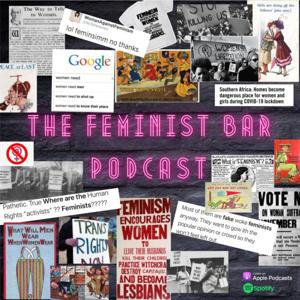


Host Tinatswe Mhaka sits down with Zimbabwean author Sue Nyathi, born and raised in Bulawayo and now based in Johannesburg. Sue is the author of The Polygamist, The Gold Diggers, A Family Affair, and An Angel's Demise. Her debut novel The Polygamist is currently one of the most watched shows on Netflix globally, reaching the top of the non-English chart across South Africa, Nigeria, France, Belgium and Jamaica within its first week of release.
This conversation unpacks polygamy, power and patriarchy through a feminist lens. They get into what modern polygamy actually is and who it serves, educated women and the arrangements they accept, transactional relationships, the good father/bad husband split, and what women are left holding when patriarchal structures collapse.
Find The Feminist Bar everywhere:
Podbean: thefeministbar.podbean.com
Host Tinatswe Mhaka sits down to talk about money, women, and the cost of proving yourself in a world built to make you feel like you have something to prove. They get into the ways women overcompensate financially inside relationships, what it looks like to be extorted or swindled by someone who clocked your need to be seen as enough, and why patriarchy is the thing underneath all of it.
In this episode of the Gay and African at Home series, host Tinatswe Mhaka sits with , a queer mother who came out later in life and somehow managed to raise a brilliant human while figuring herself out along the way.
Gay and African at Home is a tender and necessary series that brings queer Africans and their families into intimate conversation. Through gentle storytelling and honest reflection, the series reveals how queerness, language, belonging, and family love unfold inside African homes.
In this episode, host Tinatswe Mhaka sits with Ngozi and her sister for a quiet and deeply grounded conversation about sexuality, safety, and the complexities of standing beside someone you love in a world that does not always make space for queer Africans. Ngozi speaks as a sister who has watched her sibling navigate fear, longing, and the courage to live truthfully, and she reflects on how her own understanding has grown in response.
They revisit the first moments when queerness became part of their shared story, the unspoken tension that surfaced, and the slow, careful work of rebuilding trust. Ngozi shares the grief of witnessing homophobia directed at her sister, the helplessness of wanting to protect her, and the unexpected tenderness that has shaped their relationship. Her sister reflects on what it means to be seen, believed, and held by family even when acceptance feels fragile.
Together, they explore allyship as an everyday practice, the emotional labour of safety, and the hope that comes from creating small sanctuaries within family life. This conversation reminds us that sisterhood can be both shield and softness, and that making home safe is often the first act of resistance.
Follow The Feminist Bar Podcast:
Instagram: @thefeministbarpodcast
https://www.instagram.com/thefeministbarpodcast
Twitter/X: @thefeministbar
https://twitter.com/thefeministbar
Patreon: patreon.com/thefeministbar
https://www.patreon.com/thefeministbar
Gay and African at Home is a tender and necessary series that brings queer Africans and their families into intimate conversation. Through gentle storytelling and honest reflection, the series reveals how queerness, language, belonging, and family love unfold inside African homes.
In this episode, host Tinatswe Mhaka sits with Dorothy and her younger sister for a warm and layered conversation about identity, faith, and the quiet work of making home a safe place to return to. Dorothy reflects on growing up creative, writing lesbian erotica in her teenage years, and now DJing gospel music while holding the complexity and humour of that journey. She and her sister revisit their childhood, the unspoken expectations around sexuality, and the moment queerness entered their conversations in real and transformative ways.
Together, they explore what it means to love someone through uncertainty, how faith communities shaped their earliest understandings of desire, and how sisters learn to listen to each other with softness. This is a story about coming out, yes, but also about growing together. It is about the small, brave gestures that turn family into refuge, and the choices that turn a house into home for a queer person.
Follow The Feminist Bar Podcast:
Instagram: @thefeministbarpodcast
https://www.instagram.com/thefeministbarpodcast
Twitter/X: @thefeministbar
https://twitter.com/thefeministbar
Patreon: patreon.com/thefeministbar
https://www.patreon.com/thefeministbar
Gay and African at Home is a tender and necessary series that brings queer Africans and their families into intimate conversation.
In this opening episode, host Tinatswe Mhaka sits with two sisters whose relationship has been shaped by shared faith, loss, and the unfolding of queer identity. They revisit the church pews of their childhood, the rituals that shaped their sense of belonging, and the grief that rearranged their lives in ways they did not expect.
Together, they talk about how sexuality first entered the conversation between them, the fears that surfaced, and the unexpected tenderness that followed. They reflect on how church teachings shaped their earliest ideas about love and selfhood, and how those ideas shifted as one sister came into her queerness.
This episode is a gentle holding of complexity. It explores the role of family in unlearning homophobia, the quiet ways siblings become allies, and the healing that happens when two people choose honesty over silence. It is a story about finding belonging again, not through institutions, but through each other.
Instagram: @thefeministbarpodcast
https://www.instagram.com/thefeministbarpodcast
Twitter/X: @thefeministbar
https://twitter.com/thefeministbar
Patreon: patreon.com/thefeministbar
https://www.patreon.com/thefeministbar
In this episode, host Tinatswe Mhaka sits with Edinah Masiyiwa, Executive Director of the Women’s Action Group, to unpack what safe abortion really means in Zimbabwe.
Together, they explore the difference between safe and unsafe methods, what to do when complications arise, and how to seek post-abortion care safely and with dignity. Edinah also shares insights on navigating the law, protecting privacy, and understanding one’s rights when interacting with health workers or the police.
A gentle yet urgent conversation reminding us that abortion is part of many women’s lives, and that care—not criminalization—saves lives.
Follow The Feminist Bar Podcast:
In this episode of the Motherhood Series, host Tinatswe Mhaka sits with Amari, who is joyfully child-free by choice and thriving.
Amari’s story is a simple yet powerful reminder of the many ways women can exist and imagine their lives. She reflects on how she has never struggled with the decision not to have children, nor with pressure from family, and how that freedom has allowed her to create a life full of meaning, ease, and joy.
This is a conversation about choosing differently without apology, about the beauty of living outside of expectation, and about embracing the full spectrum of womanhood, motherhood, and everything beyond.
Follow The Feminist Bar Podcast:
In this episode of the Motherhood Series, host Tinatswe Mhaka sits with Theo, a Zambian queer, masc-presenting mother, as she reflects on the layered journey of becoming a parent while navigating her queerness.
Theo opens up about her own childhood and the cultural expectations that shaped her early ideas of family, children, and marriage. She speaks candidly about the realities of queer motherhood in Africa, from the contradictions and silences she has had to live through, to the moments of tenderness and love that anchor her relationship with her children.
Now, looking back, Theo shares why she advocates for women to remain child-free if they can, speaking from a place of both regret and resilience. This is a conversation about love and responsibility, about questioning inherited scripts, and about the courage it takes to reimagine motherhood on one’s own terms.
Follow The Feminist Bar Podcast:
In this episode of the Motherhood Series, host Tinatswe Mhaka sits with Naisula, a Kenyan woman who made the decision to tie her tubes at 27.
Naisula shares what it was like to make such a permanent choice at a young age, reflecting on the questions she held, the clarity she felt, and the weight of stepping outside of deeply ingrained cultural expectations of marriage and motherhood. She speaks about her relationship to motherhood, how she came to embrace a child-free life, and the ways this choice continues to shape her sense of self and possibility.
Her story opens up a tender conversation about joy, freedom, and imagination: the small pleasures of living life on her own terms, the expansive futures she dreams into being, and the courage it takes to define womanhood beyond motherhood.
Follow The Feminist Bar Podcast:
From the publisher's feed
Making everything about feminism with author & feminist activist Tinatswe Mhaka.

24,223 Listeners
901 Listeners

4,054 Listeners

27,905 Listeners

6,232 Listeners

303 Listeners
390 Listeners

124 Listeners

1,388 Listeners
23 Listeners
359 Listeners

18,912 Listeners
1,507 Listeners

1,051 Listeners

160 Listeners