
Sign up to save your podcasts
Or

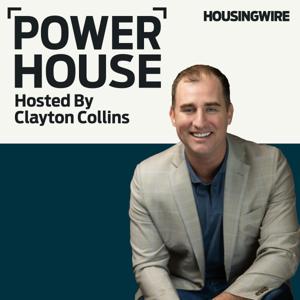

On this episode of Power House, Zeb Lowe sits down with developer Austin Tunnell to explore a bigger question than housing itself: how the built environment shapes the way we live.
Austin shares his unconventional path into real estate, from accounting to the Peace Corps to hands-on construction, and the realization that much of modern development is optimized for efficiency, not human connection. He argues that today’s neighborhoods often prioritize cars, uniformity and short-term returns at the expense of community and daily life.
The conversation explores an alternative approach: building walkable, mixed-use neighborhoods designed for long-term value, human interaction and quality of place. But that approach comes with real tension—because traditional financing models, comps and investor expectations don’t naturally reward it.
For professionals in housing, the takeaway is clear: what gets built isn’t just real estate—it’s the foundation for how people live, connect and build their lives.
Related to the episode:
The Power House podcast brings the biggest names in housing to answer hard-hitting questions about industry trends, operational and growth strategy, and leadership. Join HousingWire’s Zeb Lowe every Thursday morning for candid conversations with industry leaders to learn how they’re differentiating themselves from the competition. Hosted and produced by the HousingWire Content Studio.
 View all episodes
 By HousingWire

4.7
6363 ratings
On this episode of Power House, Zeb Lowe sits down with developer Austin Tunnell to explore a bigger question than housing itself: how the built environment shapes the way we live.
Austin shares his unconventional path into real estate, from accounting to the Peace Corps to hands-on construction, and the realization that much of modern development is optimized for efficiency, not human connection. He argues that today’s neighborhoods often prioritize cars, uniformity and short-term returns at the expense of community and daily life.
The conversation explores an alternative approach: building walkable, mixed-use neighborhoods designed for long-term value, human interaction and quality of place. But that approach comes with real tension—because traditional financing models, comps and investor expectations don’t naturally reward it.
For professionals in housing, the takeaway is clear: what gets built isn’t just real estate—it’s the foundation for how people live, connect and build their lives.
Related to the episode:
The Power House podcast brings the biggest names in housing to answer hard-hitting questions about industry trends, operational and growth strategy, and leadership. Join HousingWire’s Zeb Lowe every Thursday morning for candid conversations with industry leaders to learn how they’re differentiating themselves from the competition. Hosted and produced by the HousingWire Content Studio.

16,705 Listeners

869 Listeners
1,115 Listeners
408 Listeners
423 Listeners

272 Listeners
15 Listeners
556 Listeners

324 Listeners

338 Listeners
715 Listeners
165 Listeners

318 Listeners

889 Listeners

82 Listeners

398 Listeners

28 Listeners

4 Listeners
4 Listeners