
Sign up to save your podcasts
Or



We all have our “icks”, and honestly, we have quite a few when it comes to physical therapy and pelvic health!
In today’s episode, we’re breaking down some of the advice, treatment approaches, and outdated ideas that make us CRINGE as pelvic floor physical therapists. After all, there’s an important conversation underneath it all about what individualized, supportive pelvic health care should actually look like.
Pelvic health therapy shouldn’t be generic, and it can’t be reduced to one exercise, one muscle, or one protocol. Whether we’re talking about painful sex, postpartum recovery, or persistent pelvic floor symptoms, the words providers use matter.
At the end of the day, people are NOT protocols. We love this profession, and part of loving it means continuing to learn, collaborate, question outdated practices, and move pelvic healthcare forward!
Episode Recap:
**Disclaimer: The information shared in this podcast is NOT meant to be taken as individual or medical advice. These conversations are for educational purposes only. Please seek the advice of your physician or healthcare provider regarding any medical condition or treatment.
Links/Resources:
When you live with chronic symptoms, managing your health can start to feel like a full-time job. What you eat, where you go, how you travel, your relationships, your energy - it can touch nearly every part of your life.
In today’s episode, we’re having an honest conversation about chronic illness, identity, and grief. When you’re dealing with chronic illness, it can be difficult to make room for your health without letting it become the only lens through which you see yourself.
There is a delicate balance between listening to and honoring your body while also recognizing when constant symptom monitoring begins taking up more and more mental space.
Yes, your symptoms are REAL. But…healing can sometimes involve learning to notice what else your body is experiencing too.
Chronic illness may change parts of your life, but it doesn’t have to become your entire identity. Give yourself permission to grieve what is hard, have compassion for your body and make space for the things that have nothing to do with your health!
Episode Recap:
**Disclaimer: The information shared in this podcast is NOT meant to be taken as individual or medical advice. These conversations are for educational purposes only. Please seek the advice of your physician or healthcare provider regarding any medical condition or treatment.
Links/Resources:
Back-to-school season brings new teachers, new routines, new schedules, and sometimes…new bathroom habits.
When we pick our kids up from school, we’re quick to ask, “How was your day?” But…when was the last time you asked, “Did you pee today?” or “Do you feel comfortable using the bathroom at school?”
In today’s episode, we’re talking about why those simple questions might tell you more about your child’s health than you realize! School can create all kinds of barriers to healthy bowel and bladder habits, and kids may avoid using the bathroom all together.
The goal isn’t to pick your child up from school and immediately interrogate them about their bathroom habits. Instead, get curious, and make conversations about pee and poop normal at home.
A few simple check-ins now can help your child learn to recognize, trust, and respond to their body’s signals for years to come!
Episode Recap:
**Disclaimer: The information shared in this podcast is NOT meant to be taken as individual or medical advice. These conversations are for educational purposes only. Please seek the advice of your physician or healthcare provider regarding any medical condition or treatment.
Links/Resources:
You know your body better than anyone else. Your provider may bring the clinical expertise, but you bring the lived experience. Good healthcare happens when those two things work together!
In today’s episode, we’re talking about what it really means to advocate for yourself as a patient + why asking questions doesn’t have to mean questioning or distrusting your provider.
Yes, communication gaps can happen during appointments (especially when you’re nervous, overwhelmed, or discussing something as personal as pelvic health). Instead of assuming the worst though, we’re encouraging you to stay curious, communicate, and ask the next question.
If you’re preparing for an upcoming appointment, make sure you know your biggest concern, explain what has changed, and think about what YOU need before you leave.
You don’t have to know all the right questions, but please remember that you’re an active part of YOUR healthcare team!
Episode Recap:
**Disclaimer: The information shared in this podcast is NOT meant to be taken as individual or medical advice. These conversations are for educational purposes only. Please seek the advice of your physician or healthcare provider regarding any medical condition or treatment.
Links/Resources:
For many new moms, the six-week postpartum checkup feels like the first official milestone in recovery. But…what if healing (and the support you need) should begin much sooner?
In today’s episode, we’re talking about why we recommend seeing a pelvic floor therapist around two to three weeks postpartum + how early guidance can make a meaningful difference in your recovery.
While your OB-GYN plays an essential role in ensuring your medical recovery, pelvic floor therapy focuses on helping your body heal, move well, and regain confidence during the early postpartum weeks.
Every postpartum journey is unique, and recovery shouldn't be based on a single timeline. Whether you're navigating your first baby or adding another little one to your family, having a knowledgeable provider in your corner can help you feel truly empowered + confident as your body heals.
Recovery starts long before six weeks, and you don't have to figure it out alone!
Episode Recap:
**Disclaimer: The information shared in this podcast is NOT meant to be taken as individual or medical advice. These conversations are for educational purposes only. Please seek the advice of your physician or healthcare provider regarding any medical condition or treatment.
Links/Resources:
A teen's menstrual cycle is so much more than a monthly “inconvenience”. It’s an important indicator of overall health!
In today’s episode, we’re talking about why the menstrual cycle is a female’s fifth vital sign, and why that matters. It’s super important to teach young girls to understand their menstrual cycle so they CAN track with confidence, and better know their bodies!
From recognizing what's normal to identifying when something may need further attention, these conversations truly matter.
Whether your daughter is just beginning her cycle or has been menstruating for a few years, creating a safe space for these discussions can build confidence, body awareness, and trust.
We hope this episode encourages parents to start the conversation sooner rather than later. You don't have to know all the answers to support your daughter, but you can help her understand her changing body + give her tools to support her through every stage of life!
Episode Recap:
**Disclaimer: The information shared in this podcast is NOT meant to be taken as individual or medical advice. These conversations are for educational purposes only. Please seek the advice of your physician or healthcare provider regarding any medical condition or treatment.
Links/Resources:
If you're preparing for a hysterectomy, you may have spent plenty of time researching the surgery itself. But…what about preparing your body before the procedure?
In today’s episode, we’re diving into why pelvic floor "prehab" can be one of THE most valuable steps you take before surgery. It truly can help you feel more confident, informed, and supported throughout your recovery, too!
If you’ve had years of pelvic pain, endometriosis, adenomyosis, or painful period, addressing these patterns beforehand is super important. Learning proper breathing strategies + understanding what recovery will actually look like will help you go into surgery with tools that support healing from day one.
Recovery isn't just about resting - it’s about healing intentionally. Whether you're preparing for your own hysterectomy or supporting someone who is, knowing your body + working with a pelvic floor therapist before and after surgery can help set the stage for a smoother recovery!
Episode Recap:
**Disclaimer: The information shared in this podcast is NOT meant to be taken as individual or medical advice. These conversations are for educational purposes only. Please seek the advice of your physician or healthcare provider regarding any medical condition or treatment.
Links/Resources:
Pelvic pain is something many men experience, but very few talk about.
In today’s episode, we’re continuing the conversation around Men’s Health Month by exploring male pelvic pain. If you’ve ever been told that your tests are “normal”, but you're still experiencing symptoms, this one is for you!
Pelvic pain can show up in a variety of ways, but normal imaging and medical testing don’t always tell the whole story.
One of the biggest misconceptions we see? The belief that pelvic floor problems automatically mean weakness. In reality, many men with pelvic pain have pelvic floor muscles that are too tense and unable to relax properly!
Pelvic floor therapy can help identify these patterns, assess movement and muscle function, and provide tools that support long-term healing, rather than temporary symptom management.
Most importantly, we want men to know that pelvic pain is real, common, and often VERY treatable. You don't have to keep suffering in silence, and you don't have to navigate it alone!
Episode Recap:
**Disclaimer: The information shared in this podcast is NOT meant to be taken as individual or medical advice. These conversations are for educational purposes only. Please seek the advice of your physician or healthcare provider regarding any medical condition or treatment.
Links/Resources:
When we think about pelvic health, the conversation often centers around women: pregnancy, postpartum recovery, periods, or pelvic pain.
But...men’s pelvic and sexual health matters too! In honor of Men’s Health Month, we’re opening up about an important (and often overlooked) conversation around men’s sexual wellness.
In today’s conversation, we’re diving into a condition called hard flaccid syndrome, and why symptoms involving erections, pelvic discomfort, and sexual dysfunction deserve attention rather than silence.
Sexual health isn’t separate from overall health - it’s deeply connected to how safe, regulated, and supported the body feels. Pelvic floor therapy can greatly help men if there are issues in this area.
If this sounds familiar for you or someone you love, please know that you’re NOT alone, and you don’t have to navigate it without support!
Episode Recap:
**Disclaimer: The information shared in this podcast is NOT meant to be taken as individual or medical advice. These conversations are for educational purposes only. Please seek the advice of your physician or healthcare provider regarding any medical condition or treatment.
Links/Resources:
Perimenopause is something more women are finally talking about, and we are SO happy about that!
But…if we’re honest, many of us still feel wildly undereducated about what it actually looks like.
In today’s conversation, we’re diving into perimenopause + pelvic health, and what every woman needs to know during this time. The transition to perimenopause can begin in your late 30s or 40s, and it often shows up in ways you may not immediately connect to hormones.
We also dive into something that doesn’t get talked about enough: how perimenopause impacts pelvic health. Hormonal shifts can influence a LOT, but also, these symptoms are very nuanced.
Ultimately, perimenopause is not “the beginning of the end” - it’s a transition. If you’ve been feeling off, overwhelmed, or wondering why things suddenly feel different, please know you’re NOT alone, and support is available for you!
Episode Recap:
**Disclaimer: The information shared in this podcast is NOT meant to be taken as individual or medical advice. These conversations are for educational purposes only. Please seek the advice of your physician or healthcare provider regarding any medical condition or treatment.
Links/Resources:
From the publisher's feed
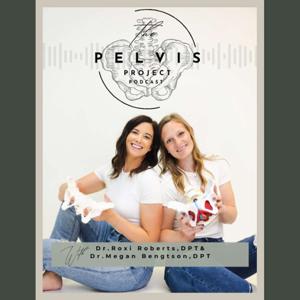
Welcome to The Pelvis Project Podcast! Join hosts, Megan Bengtson and Roxi Roberts, two pelvic floor physical therapists who are passionate about spreading pelvic health awareness and starting…
Our health and well-being extends far beyond just the physical aspect. Getting to know and really understand ourselves on a deeper level is powerful, and in turn, this will overflow into every area of our lives. Megan and Roxi are excited to be starting this conversation, and can’t wait to have you join along for the ride. And of course - don’t forget to take a deep breath and relax your pelvic floor!
Make sure to subscribe and follow along - new episodes are released every other Wednesday!
Connect with us on Instagram @the.pelvis.project

14,882 Listeners

369,597 Listeners

3,138 Listeners

7,997 Listeners
1,141 Listeners
183 Listeners

29,187 Listeners

41,383 Listeners

8,373 Listeners

19,271 Listeners

16,094 Listeners

69 Listeners

8 Listeners

10,153 Listeners