
Sign up to save your podcasts
Or



Melvyn Bragg and guests discuss the Peterloo Massacre in 1819, a defining moment of its age. In 1819 Percy Bysshe Shelley wrote: 'I met Murder on the way He had a mask like Castlereagh Very smooth he looked, yet grim; Seven blood-hounds followed him: All were fat; and well they might Be in admirable plight, For one by one, and two by two, He tossed them human hearts to chew Which from his wide cloak he drew.' As Foreign Secretary, Castlereagh had successfully co-ordinated European opposition to Napoleon, but at home he had repressed the Reform movement, and popular opinion held him responsible for the Peterloo Massacre of peaceful demonstrators in 1819. Shelley's epic poem, The Mask of Anarchy, reflected the widespread public outrage and condemnation of the government's role in the massacre. Why did a peaceful and orderly meeting of men, women and children in St Peter's Field, Manchester turn into a blood bath? How were the stirrings of radicalism in the wake of the Napoleonic Wars dealt with by the British establishment? And what role did the Peterloo Massacre play in bringing about the Great Reform Act of 1832? With Jeremy Black, Professor of History at the University of Exeter; Sarah Richardson, Senior Lecturer in History at the University of Warwick; Clive Emsley, Professor of History at the Open University.
 View all episodes
 By BBC Radio 4

4.6
51095,109 ratings
Melvyn Bragg and guests discuss the Peterloo Massacre in 1819, a defining moment of its age. In 1819 Percy Bysshe Shelley wrote: 'I met Murder on the way He had a mask like Castlereagh Very smooth he looked, yet grim; Seven blood-hounds followed him: All were fat; and well they might Be in admirable plight, For one by one, and two by two, He tossed them human hearts to chew Which from his wide cloak he drew.' As Foreign Secretary, Castlereagh had successfully co-ordinated European opposition to Napoleon, but at home he had repressed the Reform movement, and popular opinion held him responsible for the Peterloo Massacre of peaceful demonstrators in 1819. Shelley's epic poem, The Mask of Anarchy, reflected the widespread public outrage and condemnation of the government's role in the massacre. Why did a peaceful and orderly meeting of men, women and children in St Peter's Field, Manchester turn into a blood bath? How were the stirrings of radicalism in the wake of the Napoleonic Wars dealt with by the British establishment? And what role did the Peterloo Massacre play in bringing about the Great Reform Act of 1832? With Jeremy Black, Professor of History at the University of Exeter; Sarah Richardson, Senior Lecturer in History at the University of Warwick; Clive Emsley, Professor of History at the Open University.

7,639 Listeners
301 Listeners

519 Listeners

1,046 Listeners

293 Listeners
3,223 Listeners
1,878 Listeners
870 Listeners
604 Listeners
720 Listeners
283 Listeners
2,110 Listeners

488 Listeners
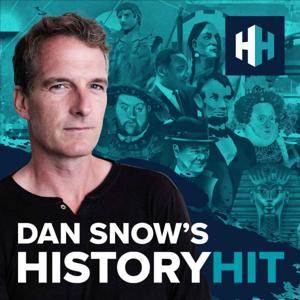
4,785 Listeners
217 Listeners
360 Listeners
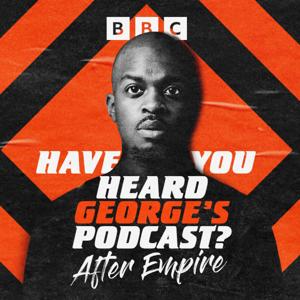
233 Listeners
307 Listeners

3,177 Listeners
3,370 Listeners
15,592 Listeners
1,895 Listeners
65 Listeners
814 Listeners
555 Listeners
2,409 Listeners
328 Listeners
643 Listeners

386 Listeners
239 Listeners
56 Listeners
75 Listeners
74 Listeners