
Sign up to save your podcasts
Or

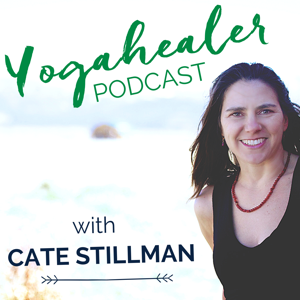


Podcast Intro:
What you eat makes you who you are. That is a general thought we all share. However, in today's fast-paced society, where food preparation takes less time while sacrificing quality, how does this affect us in the long run? Join Dr. Grant Antoine and Hilary Keiser to discuss how food intakes, environmental factors, and your microbiome status contribute to curable illnesses through minor lifestyle changes.
What you'll get out of tuning in:
Links/CTA:
Highlights:
Timestamps:
Quotes:
Guest: Dr. Grant Antoine and Hilary Keiser
Dr. Grant Antoine is a naturopathic doctor passionate about patient empowerment and education.
He brings this passion to Viome where he believes the marriage of technology, systems biology, and the human microbiome provides individuals with an unprecedented resource of practical and actionable health insights.
The accessibility of the Viome platform also provides the means to impact the health of many more individuals than could ever be possible through traditional, clinical practice.
At Viome Dr. Antoine is involved in clinical trial design and the development of nutritional and supplement interventions for Viome's user recommendations and efficacy studies.
Dr. Antoine holds a Bachelor of Science in Cellular and Molecular Biology from the University of Texas at Dallas and later attended Bastyr University of California where he earned his Doctor of Naturopathic Medicine degree. He attended naturopathic residency at the Susan Samueli Integrative Health Institute at the University of California, Irvine where his training focused on integrative primary care.
Hilary is a biochemist turned biohacker. Her passion for wellness extends beyond hacking her own health to using artificial intelligence to improve the health of thousands. As a Clinical Nutritionist at Viome, she has worked to train the AI platform to make precision nutrition recommendations. She believes that Viome's precision nutrition program can truly slow the progression of the disease and may someday make illness obsolete. Hilary holds a Bachelor's in Chemistry and Biology from the University of Hartford and a Masters in Biochemistry from San Diego State University. She is an avid yoga practitioner, snowboarder, food lover, and at-home fermentation enthusiast.
Success is not something that suddenly appears in your life. It is something you work hard on, and dedicate your life to. How you see success also depends on what your views are and how you see your life.
On your path to success, you may encounter problems that you can either solve on your own or have someone to help you with. There is nothing wrong with asking for help. Let other people help you and you will end up learning a lot from them. In this episode, Cate Stillman together with our guests, Brett Larkin and Katie Silcox, will be discussing about the path to success. Don't miss out!
What you’ll get out of tuning in:
Links/CTA:
Highlights:
Timestamps:
Quotes:
[Brett Larkin]
[Katie Silcox]
Guest BIO: Katie Silcox
Katie Silcox, M.A. is the New York Times Best-Selling Author of the book Healthy, Happy, Sexy - Ayurveda Wisdom for Modern Women. Holding a Master’s Degree in Hinduism and the Ayurveda Sciences, Katie is an internationally-recognized teacher, mentor to women, and inspirer of hearts and minds. She is renowned for her depth of study, her ability to present the complexities of ancient wisdom in a practical, life-affirming manner, as well as her unique capacity to distill the teachings with southern-belle humor and grace.
Her signature teaching style is known as Body Yantra™, incorporating Tantric vinyasa, restorative yoga, dance, sound, breath, emotion processing, manifestation technology, holistic biomechanics, and structural trauma-release methods.
Katie was named one of San Francisco's Best Yoga Teachers by Common Ground Magazine in 2009, one of "70 Yogis Changing the World" by Origin Magazine in 2014, and one of "100 Trailblazers in Yoga and Ayurveda" by Spirituality and Health Magazine in 2015. Katie has written extensively on the topics of yoga, Ayurveda, sexuality, herbalism, and women’s health in such publications as Yoga Journal, Common Ground Magazine, and Origin Magazine. Her best-selling book has been translated into multiple languages around the globe.
Katie has sipped from the honey of many globally-known teachers, including a decade-long guru-disciple relationship in the Himalayan lineage-based Sri-Vidya Tantra.
Today, she works solely with the inner guru of her own heart.
Guest BIO: Brett Larkin
Brett Larkin is the founder of her award-winning YouTube channel, Uplifted™️ Online Yoga 200 Hour and 300/500 Hour Teacher Training, a successful entrepreneur, and sought-after online business consultant. ... She's taught yoga in studios and at Silicon Valley's hottest companies.
Further background information on Brett can be found by visiting: here
Podcast Intro:
Meditation helps you be in a state of relaxation. It helps you release the tension that you are feeling. It can bring you awareness and pulsation to your surroundings. When it comes to meditation, you should know what meditation posture you would be doing. It can be sitting, lying, standing, and walking.
There are various types of brainwave states. Beta is defined as an old patterning mind. Meanwhile, theta focuses on a person’s awake state but not particularly you. In this podcast, Cate will share the process of meditation and the different types of brainwave states.
What you’ll get out of tuning in:
Links/CTA:
Highlights:
Timestamps:
Quotes:
Podcast Intro:
Practitioners of alternative medicine and holistic healers have long debated the efficacy of our current approach to wellbeing, and the disparity has confused the general populace about the various procedures. One of those controversial methods is the use of Urine as a treatment for various diseases. Cate discusses the health benefits of inhaling snorts and using pee for better health and mental clarity. She also talks about how Urine has been used by Yogi practitioners for thousands of years and how it helps the Olfactory System.
What you’ll get out of tuning in:
Links/CTA:
Highlights:
Timestamps:
Quotes:
Guest: Cate Stillman
Since 2001, Cate Stillman has been educating audiences on how to achieve health and wellness with yoga and Ayurveda. She is the host of the Yogahealer Real Thrive Show, a weekly podcast that features dozens of industry leaders. She spends part of her time in Idaho's border country and part of it in Mexico.
Podcast Intro:
There's more and more literature coming out of the scientific community around inflammation. The more someone feels like they don't know why it happened to them, why that gland or tissue organ system went diseased, or understanding what systems are involved, can be even scarier than it may need to be.
What you’ll get out of tuning in:
Links/CTA:
Highlights:
Timestamps:
Quotes:
In this episode, you will learn about the Microbiome. Cate will talk about how it identifies sickness in a person. She will also share the importance of microbiomes and how it affects your overall health.
What you’ll get out of tuning in:
Links/CTA:
Highlights:
Timestamps:
Quotes:
Podcast Intro:
Scientism has taken over medicine to the point where most of us aren't even aware of it. When seeking research and validation, we must keep in mind that what we currently refer to as science is the study of disease, not human optimization. People that study consciousness look at physiology from a practical standpoint to see what it can do. There are studies in allopathic medicine that focus on chronic disease, but not in a way that tries to look at the big picture of how humans can be healthy. But rather on how they can produce highly specialized, highly individualized medications to combat the consequences of chronic inflammation.
Roman Sieler is a medical anthropologist, wrote a book on marma points, and studied with a yoga sitting Master. Being accepted as a student by a noted guru of the Siddha tradition, Roman was afforded the unique chance to explore a topic shrouded in mystery: the vital spots known as marma in the ayurvedic tradition and as varmam spots among Siddha physicians of South India.
What you’ll get out of tuning in:
Links/CTA:
Highlights:
Timestamps:
Quotes:
Guest BIO: Roman Sieler
Roman has a PhD in medical anthropology. This is probably the logical outcome of the fact that he has always been fascinated by different cultures, especially India, and its diverse heritage of history and knowledge and issues related to health and well-being. After some experience in development cooperation in health, Roman has been employed as a lecturer and researcher at different institutions in Germany and India. As part of this, he conducted in-depth and long-term research on Indian medicine: Ayurveda and the lesser-known Siddha and Unani medicines.
Being accepted as a student by a noted guru of the Siddha tradition, Roman was afforded the unique chance to explore a topic shrouded in mystery: the vital spots. Known as marma in the ayurvedic tradition and as varmam spots among Siddha physicians of South India, these spots are vital body centers through which life force, known as prana, flows. Crucial to life, any impairment to the integrity of the prana system and vital spots is likely to result in far-reaching consequences on all levels of physical and psycho-spiritual health. By manually manipulating these vital spots, physicians may address an equally wide-ranging set of ailments. Especially in South India, however, related skills moreover bleed into martial arts practices, as these spots can heal and harm. For this reason, practice and transmission of the vital spot knowledge is usually kept under tight wraps and is not normally revealed to outsiders. Roman's book "Lethal Spots, Vital Secrets: Medicine and Martial Arts in South India" (Oxford University Press, 2015) reflects this and analyzes secrecy and health as related aspects.
Wishing to be more actively engaged in health and the topics he is enthusiastic about, Roman is currently enrolled in an alternative and complementary healthcare course, aspiring to become a naturopathic practitioner.
Studying health vs. disease
Marma points
In any case, we should refrain from interpreting healing practices in too narrow a definition and from avoiding problematic, western dichotomies, such as ‘science’ vs. ‘arts’, or even ‘healing’ vs. ‘fighting’, both in South Asia and in Asia in general.
Podcast Intro:
Anything in nature ferments, but people who ferment food are unaware that urine ferments as well. Fermentation of fruits, vegetables, urine, and breast milk is often thought to be harmful. When urine ferments, does it get more powerful?
There's a lot of debate as to why the fermentation of aged urine becomes much more powerful and fresher. The discovery of this medicinal magic that is your own urine is the foundation for health and optimal leaving, the savior of humanity.
In this episode with Harry Matadeen, he will share the benefits of drinking aged urine and studies attempting to support this discovery of the century. Stay tuned as Harry shares with us the whys and hows of using our own perfect medicine and how to stay healthy for the rest of our lives.
What you’ll get out of tuning in:
Links/CTA:
Highlights:
Timestamps:
Quotes:
Guest Bio: Harry Matadeen
34 years old biohacker and half-nature healer.
In clinical research settings around the world, renewed investigations are taking place on the use of psychedelic substances for treating illnesses such as addiction, depression, anxiety, and posttraumatic stress disorder. The microdosing community swears by it, claiming that it has increased creativity, energy, and a sense of well-being, as well as reduced depression levels.
However, despite the rise in popularity of microdosing in recent years, there was little scientific data to back up the claims made by microdosers. Although official research into the use of psychedelics to treat mental health disorders is still in its early stages, growing evidence suggests that these drugs may benefit some people with certain symptoms, especially when other treatments have failed.
In this episode, Todd Caldecott, medical herbalist and practitioner of Ayurveda for 25 years, talks about emerging research on psychedelics for therapeutic purposes as adjuncts to psychotherapy, counseling for mental illness, or treatments for chronic diseases. Todd has been using psychedelics for roughly 20 years in his practice. And, for the most part, it's to help with the ego dissolving process, and one of the compounds he utilizes the most is a treatment that contains magic mushrooms. Now that psychedelics are marking their way from the street to the clinic, from PTSD to palliative care, it’s not inconceivable that many studies will emerge in the near future.
What you’ll get out of tuning in:
Links/CTA:
Highlights:
Timestamps:
Quotes:
Guest: Todd Caldecott
Todd Caldecott has been a medical herbalist and practitioner of Ayurveda for 25 years and is a registered professional member of the American Herbalists Guild and the National Ayurvedic Medical Association. He is the director of the Dogwood School of Botanical Medicine which provides online and in-person training in herbal medicine, Ayurveda, and holistic nutrition for aspiring clinicians. Todd is author of several books including Ayurveda: The Divine Science of Life, Food As Medicine, and is editor of Ayurveda in Nepal. In 2014 he was the Visiting Mitchell Scholar at Bastyr University. For more information see https://toddcaldecott.com/clinic
Most of us believe that eating three meals a day with a few snacks is the typical, healthy way to eat. But that is not always the case. Human bodies and minds developed to function well in circumstances where food was only available intermittently. In the primitive era, when we examine our ancestors' eating habits, we can see that intermittent fasting was common—but eating three meals a day was not. In fact, Dr. Mark Mattson, a well-known neuroscientist, demonstrates that intermittent fasting is not only normal but also beneficial to our health.
Intermittent fasting has become increasingly fashionable in recent years, and scientists have been studying its long-term implications on physical health. In this episode, Dr. Mark Mattson joins us to talk about his studies on metabolic switching, calorie restriction, and the cognitive benefits of intermittent fasting. He also provides information for physicians and parents, as well as practical guidance on how to follow an intermittent fasting eating pattern.
What you’ll get out of tuning in:
Links/CTA:
Highlights:
Timestamps:
Quotes:
Guest Bio: Mark Mattson
Mark Mattson is the former Chief of the Laboratory of Neurosciences at the National Institute on Aging and is now on the faculty of Neuroscience at Johns Hopkins University School of Medicine. His research has advanced an understanding of the cellular signaling mechanisms that control the formation and plasticity of neuronal networks in the brain, and cellular and molecular mechanisms of brain aging and neurodegenerative disorders. His research has also elucidated how the brain responds adaptively to challenges such as fasting and exercise, and he has used that information to develop novel interventions to promote optimal brain function throughout life. Dr. Mattson is among the most highly cited neuroscientists in the world with more than 900 publications and 180,000 citations. He was elected a Fellow of the American Association for the Advancement of Science and has received many awards including the Metropolitan Life Foundation Medical Research Award and the Alzheimer’s Association Zenith Award.
From the publisher's feed

1,852 Listeners
1,914 Listeners

9,144 Listeners
24 Listeners
595 Listeners
3,302 Listeners
909 Listeners

28 Listeners

1,105 Listeners
676 Listeners

18,908 Listeners
513 Listeners
70 Listeners

8,464 Listeners

2,101 Listeners