
Sign up to save your podcasts
Or



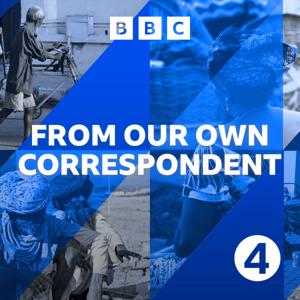
Will the Rana Plaza factory tragedy mean Bangladeshi garment workers no longer have to work in death traps? It's five months on from the collapse of the 8 storey building in Dhaka, in which more than a thousand workers died, and several thousand lost arms or legs or were paralysed. Jane Deith reports from Dhaka on what's happened since. Just how much medical and financial help have survivors and families of the dead received?
Campaigners said the disaster should be a "game changer" in forcing international brands who source cheap clothes in Bangladesh to take more responsibility for conditions within the factories they use. Safety inspections of hundreds of premises are due to begin in earnest. But the Western manufacturers are split on who should pay for expensive improvements - the clothing brands or the factory owners? It's estimated that it could cost $3bn to bring all the factories up to scratch.
But there are those who argue that Western shoppers who buy the cheap clothes, and the brands that sell them, don't deserve all the blame. The Bangladeshi government continues to limit the power of trade unions and is accused of failing to act against powerful manufacturing bosses when people die in their factories.
The safety campaigners agree that Western brands pulling out of Bangladesh would be the worst result for the country's four million garment workers and the families who rely on their earnings.
So is it possible to keep them in work and keep them safe?
Producer: Sally Chesworth.
 View all episodes
 By BBC Radio 4

4.3
3232 ratings
Will the Rana Plaza factory tragedy mean Bangladeshi garment workers no longer have to work in death traps? It's five months on from the collapse of the 8 storey building in Dhaka, in which more than a thousand workers died, and several thousand lost arms or legs or were paralysed. Jane Deith reports from Dhaka on what's happened since. Just how much medical and financial help have survivors and families of the dead received?
Campaigners said the disaster should be a "game changer" in forcing international brands who source cheap clothes in Bangladesh to take more responsibility for conditions within the factories they use. Safety inspections of hundreds of premises are due to begin in earnest. But the Western manufacturers are split on who should pay for expensive improvements - the clothing brands or the factory owners? It's estimated that it could cost $3bn to bring all the factories up to scratch.
But there are those who argue that Western shoppers who buy the cheap clothes, and the brands that sell them, don't deserve all the blame. The Bangladeshi government continues to limit the power of trade unions and is accused of failing to act against powerful manufacturing bosses when people die in their factories.
The safety campaigners agree that Western brands pulling out of Bangladesh would be the worst result for the country's four million garment workers and the families who rely on their earnings.
So is it possible to keep them in work and keep them safe?
Producer: Sally Chesworth.

7,913 Listeners
376 Listeners

863 Listeners

1,067 Listeners

40 Listeners

5,576 Listeners

1,808 Listeners

1,729 Listeners

1,018 Listeners

113 Listeners

790 Listeners
75 Listeners

73 Listeners

75 Listeners

745 Listeners

3,245 Listeners

170 Listeners

779 Listeners

257 Listeners

1,600 Listeners

48 Listeners

54 Listeners
34 Listeners

51 Listeners

43 Listeners