
Sign up to save your podcasts
Or

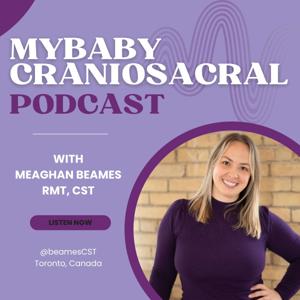

If a baby always turns their head one way or nurses better on one side, there’s a reason.
In this episode, Meaghan Beames explores the root causes of side preference—like birth compression, fascial strain, oral ties, and more—and explains how craniosacral therapy helps restore symmetry, comfort, and developmental ease.
Episode Timestamps:
02:31 – Defining side preference in babies and why it matters
04:00 – How Side Preference shows up
04:38 – Common signs: C-shape posture, rolling patterns, feeding asymmetries
06:58 – In-utero positioning and its long-term effects
10:34 – Birth interventions and their impact on spinal and fascial tension
14:41 – Torticollis and whole-body fascial restrictions
15:51 – Oral ties, genetic predispositions, and structural anomalies
19:25 – Environmental factors: swaddling, baby containers, and movement habits
23:51 – Developmental, feeding, and nervous system impacts of side preference
25:52 – Meaghan’s CST approach for assessing and treating side preference
29:23 – Practitioner tips and caregiver education
Beames CST Training Center - Enroll Now!
beamescst.com/cst-foundations
Stay Connected:
Website: mybabycst.com
Facebook: facebook.com/mybabycst
Instagram: instagram.com/mybabycst
Email address: [email protected]
 View all episodes
 By Meaghan Beames
5
2424 ratings
If a baby always turns their head one way or nurses better on one side, there’s a reason.
In this episode, Meaghan Beames explores the root causes of side preference—like birth compression, fascial strain, oral ties, and more—and explains how craniosacral therapy helps restore symmetry, comfort, and developmental ease.
Episode Timestamps:
02:31 – Defining side preference in babies and why it matters
04:00 – How Side Preference shows up
04:38 – Common signs: C-shape posture, rolling patterns, feeding asymmetries
06:58 – In-utero positioning and its long-term effects
10:34 – Birth interventions and their impact on spinal and fascial tension
14:41 – Torticollis and whole-body fascial restrictions
15:51 – Oral ties, genetic predispositions, and structural anomalies
19:25 – Environmental factors: swaddling, baby containers, and movement habits
23:51 – Developmental, feeding, and nervous system impacts of side preference
25:52 – Meaghan’s CST approach for assessing and treating side preference
29:23 – Practitioner tips and caregiver education
Beames CST Training Center - Enroll Now!
beamescst.com/cst-foundations
Stay Connected:
Website: mybabycst.com
Facebook: facebook.com/mybabycst
Instagram: instagram.com/mybabycst
Email address: [email protected]

91,156 Listeners

154,081 Listeners
101 Listeners

1,543 Listeners
16,156 Listeners

8,797 Listeners

369,837 Listeners
420 Listeners
442 Listeners

114 Listeners
124 Listeners
99 Listeners

35 Listeners

20,557 Listeners
40 Listeners