
Sign up to save your podcasts
Or

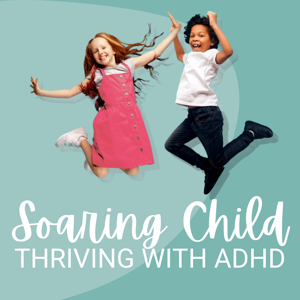

When a child screams, "I hate you," "You're the worst mom ever," or "I wish you weren't my parent," it can feel deeply personal. But in this episode of the Soaring Child Podcast, child and family therapist Ashley Gobeil explains that these explosive moments are often not signs of defiance, manipulation, or bad parenting. They are often signs of a dysregulated nervous system, emotional overwhelm, and a child who does not yet have the language or tools to express what is really going on inside.
In this powerful conversation, Dana Kay and Ashley unpack what is really happening underneath intense ADHD-related meltdowns, why shame can keep both parents and children stuck in painful cycles, and how parents can respond in a way that calms the storm instead of feeding it. Ashley shares practical language parents can use in the moment, how to hold boundaries without escalating the situation, and why repair after a rupture is so important for building emotional regulation, connection, and long-term accountability.
This episode is a compassionate reminder that parents do not have to get it perfect. They simply need to keep showing up, one moment at a time.
LINKS MENTIONED IN THE SHOW
KEY TAKEAWAYS [03:50] Hurtful words during meltdowns are usually communication, not defiance. When a child says things like "I hate you," Ashley explains that there is usually something much deeper happening underneath the behavior. [04:44] In the moment, it is not deliberate disrespect. Ashley emphasizes that these moments are often intense overwhelm, not a conscious choice to attack the parent. [05:42] Kids with ADHD often have very few tools available when dysregulated. When their nervous system is overwhelmed, the tools they may have learned often "go out the window." [06:39] Their nervous system can experience ordinary requests as threats. Even something as simple as being asked to put shoes away can trigger fight, flight, or freeze when a child is already overwhelmed. [07:35] "I hate you" may really mean "I feel out of control." Ashley explains that hurtful words often point to feelings like fear, shame, grief, lack of control, or not feeling understood. [09:15] Parents can shift their response by changing the lens. Instead of seeing the child as disrespectful or defiant, parents can view the behavior as a window into distress. [10:28] Shame can create a painful loop for both parent and child. The child may feel ashamed after losing control, and the parent may spiral into thoughts like "Have I failed?" or "What am I doing wrong?" [15:44] The parent's internal response comes first. Ashley encourages parents to remind themselves: "My child is not giving me a hard time. They're having a hard time." [17:35] Naming the feeling can help deescalate the moment. Parents can say things like, "You're really angry with me right now," or "Something really big must have happened for you to say that." [22:43] Repair is essential, and it is never too late. Ashley explains that repair after rupture helps rebuild connection, reduce shame, and teach emotional accountability over time.
MEMORABLE MOMENTS "Have you ever had one of those moments where your child looks straight at you and says, I hate you. You're the worst mom ever. I wish you weren't my parent." "children's behaviors are a form of communication." "it is not a deliberate defiant moment or a deliberate disrespect." "they just go straight into the survival nervous system response." "There's just like tons of stuff happening at once and like their nervous system's on fire." "I feel really out of control. I feel like I don't get to make choice. I don't feel understood." "So so many of them actually feel terrible by themselves." "every single child has this deep innate desire to have a positive, loving relationship with their parent." "These are just words. This is not an emergency. This is not a reflection of my parenting." "It is never too late to go back and have a repair conversation."
DANA KAY RESOURCES
🔗 WEBSITES:
Order Lab Tests Here - https://adhdthriveinstitute.wellproz.com/patient/home
https://adhdthriveinstitute.com/ https://dana-kay.com/
👋 SOCIALS: Facebook: https://www.facebook.com/ADHDThriveInstitute/ Instagram: https://www.instagram.com/adhdthriveinstitute/ YouTube: https://www.youtube.com/c/ADHDThriveInstitute LinkedIn: https://www.linkedin.com/company/adhd-thrive-institute/ Pinterest: https://www.pinterest.ph/adhdthriveinstitute/ Tiktok: https://www.tiktok.com/@adhd_thriveinstitute
📕 INTERNATIONAL BEST SELLING BOOK: Thriving with ADHD – https://adhdthriveinstitute.com/book/
💻 FREE MASTERCLASS: Free Reduce ADHD Symptoms Naturally Masterclass - https://bit.ly/3GAbFQl
⭐ COURSES & PROGRAMS: ADHD Parenting Course – https://info.adhdthriveinstitute.com/parentingadhd ADHD Thrive Method 4 Kids Program – https://adhdthriveinstitute.com/packages/
 View all episodes
 By Dana Kay

4.9
120120 ratings
When a child screams, "I hate you," "You're the worst mom ever," or "I wish you weren't my parent," it can feel deeply personal. But in this episode of the Soaring Child Podcast, child and family therapist Ashley Gobeil explains that these explosive moments are often not signs of defiance, manipulation, or bad parenting. They are often signs of a dysregulated nervous system, emotional overwhelm, and a child who does not yet have the language or tools to express what is really going on inside.
In this powerful conversation, Dana Kay and Ashley unpack what is really happening underneath intense ADHD-related meltdowns, why shame can keep both parents and children stuck in painful cycles, and how parents can respond in a way that calms the storm instead of feeding it. Ashley shares practical language parents can use in the moment, how to hold boundaries without escalating the situation, and why repair after a rupture is so important for building emotional regulation, connection, and long-term accountability.
This episode is a compassionate reminder that parents do not have to get it perfect. They simply need to keep showing up, one moment at a time.
LINKS MENTIONED IN THE SHOW
KEY TAKEAWAYS [03:50] Hurtful words during meltdowns are usually communication, not defiance. When a child says things like "I hate you," Ashley explains that there is usually something much deeper happening underneath the behavior. [04:44] In the moment, it is not deliberate disrespect. Ashley emphasizes that these moments are often intense overwhelm, not a conscious choice to attack the parent. [05:42] Kids with ADHD often have very few tools available when dysregulated. When their nervous system is overwhelmed, the tools they may have learned often "go out the window." [06:39] Their nervous system can experience ordinary requests as threats. Even something as simple as being asked to put shoes away can trigger fight, flight, or freeze when a child is already overwhelmed. [07:35] "I hate you" may really mean "I feel out of control." Ashley explains that hurtful words often point to feelings like fear, shame, grief, lack of control, or not feeling understood. [09:15] Parents can shift their response by changing the lens. Instead of seeing the child as disrespectful or defiant, parents can view the behavior as a window into distress. [10:28] Shame can create a painful loop for both parent and child. The child may feel ashamed after losing control, and the parent may spiral into thoughts like "Have I failed?" or "What am I doing wrong?" [15:44] The parent's internal response comes first. Ashley encourages parents to remind themselves: "My child is not giving me a hard time. They're having a hard time." [17:35] Naming the feeling can help deescalate the moment. Parents can say things like, "You're really angry with me right now," or "Something really big must have happened for you to say that." [22:43] Repair is essential, and it is never too late. Ashley explains that repair after rupture helps rebuild connection, reduce shame, and teach emotional accountability over time.
MEMORABLE MOMENTS "Have you ever had one of those moments where your child looks straight at you and says, I hate you. You're the worst mom ever. I wish you weren't my parent." "children's behaviors are a form of communication." "it is not a deliberate defiant moment or a deliberate disrespect." "they just go straight into the survival nervous system response." "There's just like tons of stuff happening at once and like their nervous system's on fire." "I feel really out of control. I feel like I don't get to make choice. I don't feel understood." "So so many of them actually feel terrible by themselves." "every single child has this deep innate desire to have a positive, loving relationship with their parent." "These are just words. This is not an emergency. This is not a reflection of my parenting." "It is never too late to go back and have a repair conversation."
DANA KAY RESOURCES
🔗 WEBSITES:
Order Lab Tests Here - https://adhdthriveinstitute.wellproz.com/patient/home
https://adhdthriveinstitute.com/ https://dana-kay.com/
👋 SOCIALS: Facebook: https://www.facebook.com/ADHDThriveInstitute/ Instagram: https://www.instagram.com/adhdthriveinstitute/ YouTube: https://www.youtube.com/c/ADHDThriveInstitute LinkedIn: https://www.linkedin.com/company/adhd-thrive-institute/ Pinterest: https://www.pinterest.ph/adhdthriveinstitute/ Tiktok: https://www.tiktok.com/@adhd_thriveinstitute
📕 INTERNATIONAL BEST SELLING BOOK: Thriving with ADHD – https://adhdthriveinstitute.com/book/
💻 FREE MASTERCLASS: Free Reduce ADHD Symptoms Naturally Masterclass - https://bit.ly/3GAbFQl
⭐ COURSES & PROGRAMS: ADHD Parenting Course – https://info.adhdthriveinstitute.com/parentingadhd ADHD Thrive Method 4 Kids Program – https://adhdthriveinstitute.com/packages/

3,934 Listeners

1,337 Listeners
3,376 Listeners

960 Listeners
1,448 Listeners
420 Listeners

9,231 Listeners
2,870 Listeners
2,236 Listeners

142 Listeners

1,888 Listeners

2,013 Listeners

14,693 Listeners

19,524 Listeners
381 Listeners