
Sign up to save your podcasts
Or

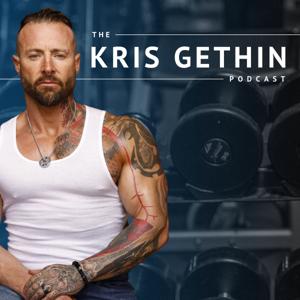

Bryan Johnson's recent autoimmune diagnosis has sparked an important conversation throughout the biohacking community. In this episode, Kris Gethin explores what this moment means—not as a criticism of Bryan's dedication, but as an opportunity to ask bigger questions about health, longevity, and the limits of optimization.
Kris discusses the difference between collecting health data and creating true health, why modern lifestyles often disconnect us from our biological foundations, and how factors like sunlight, movement, grounding, nutrition, and resilience may matter more than endlessly stacking interventions.
This episode is a reminder that while technology can be an incredible tool, it should support our biology—not replace it. Ultimately, longevity may depend less on eliminating every risk and more on working with the way humans were designed to live.
In This Episode00:00 – Bryan Johnson's autoimmune diagnosis and why it matters 00:23 – The dedication behind modern biohacking 00:50 – Are we pursuing optimization at the expense of biology? 01:17 – Did lifestyle cause the autoimmune condition? 01:46 – Respecting pioneers while continuing to ask questions 02:14 – The difference between tracking health and creating health 02:42 – When technology becomes overcomplication 03:12 – The environment humans were designed for 03:41 – Using technology to support biology—not replace it 04:10 – Why sunlight, movement, and circadian rhythms matter 04:36 – The health costs of modern indoor living 05:03 – Building resilience instead of avoiding every challenge 05:33 – Adaptation as a cornerstone of longevity 05:59 – Animal protein vs. plant-based nutrition 06:27 – Nutrient density and healthy aging 06:55 – Why muscle is one of the greatest predictors of longevity 07:23 – Respecting Bryan Johnson's discipline and consistency 07:52 – The physiological case for animal-based nutrition 08:21 – Personal lessons on maintaining muscle with age 08:50 – Sunlight's role in hormones and circadian health 09:17 – Grounding and reconnecting with nature 09:46 – What we currently know about EMF exposure 10:12 – Practical ways to reduce unnecessary EMF exposure 10:42 – Redefining optimization through simplicity 11:11 – Why resilience is built—not manufactured 11:38 – The downside of chasing certainty through endless interventions 12:06 – The tendency to overcomplicate health 12:36 – How nature helps regulate the nervous system 13:02 – Reinforcing biology with technology 13:30 – The importance of natural environmental inputs 13:56 – The complexity of human biology 14:23 – Balancing risk with resilience 14:49 – Letting go of outdated beliefs 15:19 – How reputation and business can influence health messaging 15:48 – The importance of transparency and humility in science 16:14 – Evolving as evidence evolves 16:40 – Staying curious instead of becoming attached to methods 17:06 – The biggest lesson from Bryan Johnson's journey 17:35 – Why wealth and technology can't override biology 17:59 – Understanding nature instead of trying to conquer it 18:27 – Measuring success beyond biomarkers 18:52 – Asking better questions about health and longevity 19:23 – The future of biohacking: science, humility, and biological principles 19:52 – Building health on timeless foundations 20:21 – Closing thoughts
Resources Mentioned View all episodes
 By Kris Gethin

4.9
518518 ratings
Bryan Johnson's recent autoimmune diagnosis has sparked an important conversation throughout the biohacking community. In this episode, Kris Gethin explores what this moment means—not as a criticism of Bryan's dedication, but as an opportunity to ask bigger questions about health, longevity, and the limits of optimization.
Kris discusses the difference between collecting health data and creating true health, why modern lifestyles often disconnect us from our biological foundations, and how factors like sunlight, movement, grounding, nutrition, and resilience may matter more than endlessly stacking interventions.
This episode is a reminder that while technology can be an incredible tool, it should support our biology—not replace it. Ultimately, longevity may depend less on eliminating every risk and more on working with the way humans were designed to live.
In This Episode00:00 – Bryan Johnson's autoimmune diagnosis and why it matters 00:23 – The dedication behind modern biohacking 00:50 – Are we pursuing optimization at the expense of biology? 01:17 – Did lifestyle cause the autoimmune condition? 01:46 – Respecting pioneers while continuing to ask questions 02:14 – The difference between tracking health and creating health 02:42 – When technology becomes overcomplication 03:12 – The environment humans were designed for 03:41 – Using technology to support biology—not replace it 04:10 – Why sunlight, movement, and circadian rhythms matter 04:36 – The health costs of modern indoor living 05:03 – Building resilience instead of avoiding every challenge 05:33 – Adaptation as a cornerstone of longevity 05:59 – Animal protein vs. plant-based nutrition 06:27 – Nutrient density and healthy aging 06:55 – Why muscle is one of the greatest predictors of longevity 07:23 – Respecting Bryan Johnson's discipline and consistency 07:52 – The physiological case for animal-based nutrition 08:21 – Personal lessons on maintaining muscle with age 08:50 – Sunlight's role in hormones and circadian health 09:17 – Grounding and reconnecting with nature 09:46 – What we currently know about EMF exposure 10:12 – Practical ways to reduce unnecessary EMF exposure 10:42 – Redefining optimization through simplicity 11:11 – Why resilience is built—not manufactured 11:38 – The downside of chasing certainty through endless interventions 12:06 – The tendency to overcomplicate health 12:36 – How nature helps regulate the nervous system 13:02 – Reinforcing biology with technology 13:30 – The importance of natural environmental inputs 13:56 – The complexity of human biology 14:23 – Balancing risk with resilience 14:49 – Letting go of outdated beliefs 15:19 – How reputation and business can influence health messaging 15:48 – The importance of transparency and humility in science 16:14 – Evolving as evidence evolves 16:40 – Staying curious instead of becoming attached to methods 17:06 – The biggest lesson from Bryan Johnson's journey 17:35 – Why wealth and technology can't override biology 17:59 – Understanding nature instead of trying to conquer it 18:27 – Measuring success beyond biomarkers 18:52 – Asking better questions about health and longevity 19:23 – The future of biohacking: science, humility, and biological principles 19:52 – Building health on timeless foundations 20:21 – Closing thoughts
Resources Mentioned
4,986 Listeners
12,147 Listeners

4,872 Listeners

1,096 Listeners

129 Listeners

292 Listeners

1,196 Listeners
119 Listeners

113 Listeners

71 Listeners

157 Listeners

42 Listeners

41 Listeners

22 Listeners

79 Listeners