
Sign up to save your podcasts
Or


You did it. You’ve had bariatric surgery and your transformation is happening. Did you know that your body also goes thru a lot of changes in how it uses the vitamins and minerals found in food? Maybe you’ve heard you need to take vitamin D. If so, how much do you need to take and do you get it from food or a supplement?
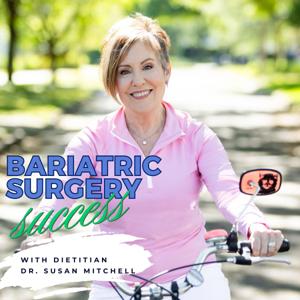
Hi, I’m registered dietitian nutritionist Dr. Susan Mitchell. You’re listening to the Beyond Bariatric Surgery podcast episode number 33. Let’s go beyond bariatric surgery together and talk about everything you need to move on. This podcast is all about you and making your transformation the best it can be. I'm sharing what you need to know and how to do it.
In your body, vitamin D wears many different hats. It’s responsible for working with the minerals calcium and phosphorus to help them absorb correctly. And you’ve probably heard that Vitamin D prevents and treats osteoporosis or weak and brittle bones. It’s also very important in maintaining a strong immune system. But did you know that 50-80% of people who have bariatric surgery have a vitamin D deficiency?
How do you know if you need to take vitamin D? The best way to find out is to ask your health care provider to check your vitamin D level with a blood test. There are other types of tests that can be run but this is a common one to start with.
Let’s look closely at your 5 things to remember about vitamin D and bone health:
1. When you have that blood test checking for your vitamin D level, 30 & 75 are your numbers to keep in mind. Lab measurements vary country to country. For example, a serum 25-hydroxy vitamin D level, that’s what your blood level of vitamin D is called, is technically measured as nanograms per mililiter (ng/mL) in the US with 30 or above being the number you’re aiming for regardless of the type of procedure you’ve had. In Australia and other countries, the measurement is in nanomoles per liter (nmol/L) so the equivalent number is 75 or above. Current guidelines for bariatric surgery suggest that the blood level should be maintained at greater than 30ng/mL in the US or (>75 nmol/L) in Australia. This gives you a basis for discussion with you health care provider.
2. Bariatric clinical guidelines suggest supplementation on an individual bases to maintain this vitamin D level at 30. What does this mean to you in supplements: a daily dose of 2,000 to 3,000 IU (50-75 mcg) per day. Notice this time I start with supplements instead of food. It’s hard to get the amount you need after surgery without a daily supplement. Know right now that you will vary in how you respond to this dose. Also some health care professionals will recommend supplements daily, some several times a week, others monthly. Just depends on your blood work and other health conditions you may have.
Tune in closely here for this tip: Take your supplement with food as this can increase how much of the vitamin D your body absorbs.
3. Yes, you can get vitamin D from sunlight: about 10-15 minutes to the face, arms and hands at least twice a week, no sunscreen; but it’s usually not enough to keep your level where you need it due to changes in how your body absorbs it. Also, if it’s not possible to be outside or you are dark skinned, concerned about skin cancer or even depending on where you live, the sunlight idea is not going to work to bring you up to the level you need or keep you there. After bariatric surgery, you need more vitamin D so supplements are the answer here.
4. You can add foods fortified with vitamin D to your daily diet. Fortified means that vitamin D is added to the food product such as added to milk, orange juice, nutrition bars, and breakfast cereals. For example, one cup of milk averages 100 IUs of vitamin D. You can see it would be hard to get 2000-3000 IUs from food each day.
5. Don’t forget vitamin D’s playmate…calcium. Not only are you at risk for a low calcium intake prior to surgery, but the body’s ability to absorb it decreases after surgery. Think of vitamin D and calcium as team players so you need adequate amounts of each every single day to keep your bones healthy and strong. They work together. How much you need depends on your surgery. If you and your health care provider are working to build your levels back up, you’ll want to take vitamin D that we just mentioned, 2000-3000 IUs every day plus 1200-1500 mg of calcium citrate if you had adjustable gastric banding, vertical sleeve gastrectomy, or Roux-en-Y gastric bypass. If you had bilio pancreatic diversion with duodenal switch you will likely need more calcium, 1800-2400 mg daily. Remember these are the bariatric guidelines but your case is specific to you, so please discuss it.
As we wrap up, let’s quickly review these 5 things that are so important for your successful transformation:
1. Have a blood test checking for your vitamin D level.
2. Get vitamin D from sunlight: about 10-15 minutes day when you can to help out but not to be the sole answer.
3. Add foods fortified with vitamin D to your daily diet.
4. Take your supplement with food; remember 2000-3000 IUs every day.
5. Don’t forget vitamin D’s teammate: calcium…important to take daily too
I hope you’re enjoying these Beyond Bariatric Surgery podcasts. Don’t forget you can sign up for my weekly newsletter so you are the first to hear about new episodes and all the news and freebies of course. Head on over to BreakingDownNutrition.com and sign up on the home page. You’ll also see two freebies you can get as well if you haven’t…one on mindful eating and one on protein. Have a really good week.
 View all episodes
 By Dr. Susan Mitchell, bariatric dietitian

4.8
7070 ratings
You did it. You’ve had bariatric surgery and your transformation is happening. Did you know that your body also goes thru a lot of changes in how it uses the vitamins and minerals found in food? Maybe you’ve heard you need to take vitamin D. If so, how much do you need to take and do you get it from food or a supplement?
Hi, I’m registered dietitian nutritionist Dr. Susan Mitchell. You’re listening to the Beyond Bariatric Surgery podcast episode number 33. Let’s go beyond bariatric surgery together and talk about everything you need to move on. This podcast is all about you and making your transformation the best it can be. I'm sharing what you need to know and how to do it.
In your body, vitamin D wears many different hats. It’s responsible for working with the minerals calcium and phosphorus to help them absorb correctly. And you’ve probably heard that Vitamin D prevents and treats osteoporosis or weak and brittle bones. It’s also very important in maintaining a strong immune system. But did you know that 50-80% of people who have bariatric surgery have a vitamin D deficiency?
How do you know if you need to take vitamin D? The best way to find out is to ask your health care provider to check your vitamin D level with a blood test. There are other types of tests that can be run but this is a common one to start with.
Let’s look closely at your 5 things to remember about vitamin D and bone health:
1. When you have that blood test checking for your vitamin D level, 30 & 75 are your numbers to keep in mind. Lab measurements vary country to country. For example, a serum 25-hydroxy vitamin D level, that’s what your blood level of vitamin D is called, is technically measured as nanograms per mililiter (ng/mL) in the US with 30 or above being the number you’re aiming for regardless of the type of procedure you’ve had. In Australia and other countries, the measurement is in nanomoles per liter (nmol/L) so the equivalent number is 75 or above. Current guidelines for bariatric surgery suggest that the blood level should be maintained at greater than 30ng/mL in the US or (>75 nmol/L) in Australia. This gives you a basis for discussion with you health care provider.
2. Bariatric clinical guidelines suggest supplementation on an individual bases to maintain this vitamin D level at 30. What does this mean to you in supplements: a daily dose of 2,000 to 3,000 IU (50-75 mcg) per day. Notice this time I start with supplements instead of food. It’s hard to get the amount you need after surgery without a daily supplement. Know right now that you will vary in how you respond to this dose. Also some health care professionals will recommend supplements daily, some several times a week, others monthly. Just depends on your blood work and other health conditions you may have.
Tune in closely here for this tip: Take your supplement with food as this can increase how much of the vitamin D your body absorbs.
3. Yes, you can get vitamin D from sunlight: about 10-15 minutes to the face, arms and hands at least twice a week, no sunscreen; but it’s usually not enough to keep your level where you need it due to changes in how your body absorbs it. Also, if it’s not possible to be outside or you are dark skinned, concerned about skin cancer or even depending on where you live, the sunlight idea is not going to work to bring you up to the level you need or keep you there. After bariatric surgery, you need more vitamin D so supplements are the answer here.
4. You can add foods fortified with vitamin D to your daily diet. Fortified means that vitamin D is added to the food product such as added to milk, orange juice, nutrition bars, and breakfast cereals. For example, one cup of milk averages 100 IUs of vitamin D. You can see it would be hard to get 2000-3000 IUs from food each day.
5. Don’t forget vitamin D’s playmate…calcium. Not only are you at risk for a low calcium intake prior to surgery, but the body’s ability to absorb it decreases after surgery. Think of vitamin D and calcium as team players so you need adequate amounts of each every single day to keep your bones healthy and strong. They work together. How much you need depends on your surgery. If you and your health care provider are working to build your levels back up, you’ll want to take vitamin D that we just mentioned, 2000-3000 IUs every day plus 1200-1500 mg of calcium citrate if you had adjustable gastric banding, vertical sleeve gastrectomy, or Roux-en-Y gastric bypass. If you had bilio pancreatic diversion with duodenal switch you will likely need more calcium, 1800-2400 mg daily. Remember these are the bariatric guidelines but your case is specific to you, so please discuss it.
As we wrap up, let’s quickly review these 5 things that are so important for your successful transformation:
1. Have a blood test checking for your vitamin D level.
2. Get vitamin D from sunlight: about 10-15 minutes day when you can to help out but not to be the sole answer.
3. Add foods fortified with vitamin D to your daily diet.
4. Take your supplement with food; remember 2000-3000 IUs every day.
5. Don’t forget vitamin D’s teammate: calcium…important to take daily too
I hope you’re enjoying these Beyond Bariatric Surgery podcasts. Don’t forget you can sign up for my weekly newsletter so you are the first to hear about new episodes and all the news and freebies of course. Head on over to BreakingDownNutrition.com and sign up on the home page. You’ll also see two freebies you can get as well if you haven’t…one on mindful eating and one on protein. Have a really good week.
869 Listeners

2,201 Listeners

7,271 Listeners

7,503 Listeners

1,130 Listeners
74 Listeners
39 Listeners

1,680 Listeners
425 Listeners

19,524 Listeners

264 Listeners

304 Listeners

22 Listeners

14 Listeners

178 Listeners