
Sign up to save your podcasts
Or

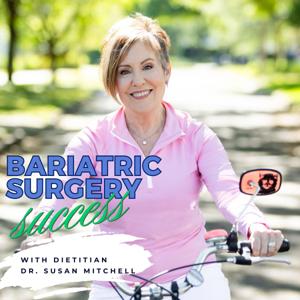

Oh how we love our coffee and tea. But can you have caffeine after bariatric surgery? As a dietitian, I hear different answers on this from other dietitians and medical professionals. There’s a lot of buzz on bariatric surgery and caffeine. What are the current science-based recommendations and why?
Hi, I’m registered dietitian nutritionist Dr. Susan Mitchell. You’re listening to the Beyond Bariatric Surgery podcast episode number 34. Let’s go beyond bariatric surgery together and talk about everything you need to move on. This podcast is all about you…making your transformation and your journey the best it can be…sharing what you need to know and how to do it.
Have you heard that caffeine is dehydrating so if you drink something that contains caffeine, you then need to drink even more water? Or maybe you heard that you can’t drink anything that contains caffeine because if you do, it will cause you to become dehydrated?
Let me say right now that the recommendations on caffeine that I share here on the podcast may be different from what you’ve been told. They’re based on the most current science. It’s always important to check with your surgeon or bariatric dietitian before you change your diet. They may not want you to have caffeine for a specific reason.
The older science said that caffeine in fluids was dehydrating and therefore required extra water to make up for it. The current science, which has been out for a while now, says that caffeinated fluids are as good as other fluids for keeping you hydrated. In fact the American Society for Metabolic and Bariatric Surgery who makes many recommendations for care after surgery suggests avoiding caffeine for at least the first thirty days after surgery while your body is still sensitive and healing and then checking in with your bariatric dietitian or surgeon if you want to add caffeine back to your diet.
Let’s put caffeine aside just for a moment. Did you know that dehydration is among the top reasons for readmission to the hospital after surgery? Dehydration happens when your body runs low on fluids and can’t function as it should. Fluids do so many beneficial things in the body but when you think specifically about burning calories after your surgery, fluids help burn stored fat calories for energy.
Often your thirst mechanism doesn’t tell you to drink enough so it’s important that this become a new habit or put back on the radar if you drank a lot of fluids before. Bottom line, drink even when you’re not thirsty. Aim for 64 ounces a day total from all your fluids. If eight ounces equals one cup, then we’re talking about eight cups. Keep a water bottle with you. It helps you to remember and it’s always handy.
How can you tell if your drinking enough fluids? Look at your urine. I want you to pee and then take a look. If you’re drinking enough, your urine will be clear or a light color. Darker urine is your sign to drink more unless you’re taking medications or supplements that could change urine color. A good question to ask your medical team if you’re taking meds. Some signs of dehydration to watch for: thirst, headache, hard stools and constipation, or dizziness when you stand up. Always reach out to your surgeon’s office if you can’t drink enough fluid to stay hydrated.
Ok, back to caffeine specifically. As we just talked about, caffeine is not a problem for dehydration, so at some point you’r likely to add coffee and/or tea back to your daily diet. What’s typically added to your coffee or tea? What usually partners with it? Think about some of the high calorie flavored coffee drinks…cream or full fat milk, sugar, flavored surgery syrups. These can easily be calorie bombs and ruin all your hard work. Good news. There are several things you can do to cut the calories and enjoy your beverage:
Caffeine is not related to dehydration but caffeine can be nemesis for a couple of reasons that are worth asking yourself if they’re an issue for you.
1. Caffeine irritates GERD or reflux as well as heartburn. It’s smart to nix the caffeine until the situation is resolved.
2. Did you know that caffeine is a hunger suppressant? I hear you. You’re thinking, that’s great. It will help me keep my calories under control. And before you had surgery, that’s true. But when you’re recovering from surgery, the last thing you need is to not be hungry. Why? Because you have protein goals you’re trying to meet for healing as well as to keep your muscle mass when you’re already eating significantly less calories than before. Remember muscle mass is your calorie burning machine. If you’re not hungry, it gets hard to take in the protein your body is asking for.
A successful surgery already decreased your hunger and appetite for weeks after and if you drink fluids containing caffeine, do you see where it could reduce most of your desire to eat at all? Talk about making it hard to get in protein, this will do it.
3. One last reason that caffeine is often avoided for a while is the speed at which food moves thru your system or what’s called increased gut motility. Did you ever drink a cup of coffee only to need to poop or go number two soon after? If so that’s an effect of your gut moving things thru more quickly. After surgery this could be a problem if you’re digestive system has been significantly altered. You may be moving thru food that is not completely digested.
Remember the issue for caffeine is not dehydration but rather other potential issues where it could play a part such as GERD, suppressing your hunger when you need to eat, or pushing food thru your system too quickly. That’s why as I say most every week, your case is specific to you. It’s important to me that you have the best success possible on your journey forward. So ask about caffeine intake as it relates to your surgery.
Before I go, thank you for letting me know that dumping syndrome is a real pain point for you. You asked for a cheat sheet to go with the podcast #32 on dumping syndrome so I’ve put together a freebie just waiting for you: 4 Tips to Keep Dumping Syndrome from Dumping on Your Day. Let me know how you like it and which tip works best for you….have a great week.
 View all episodes
 By Dr. Susan Mitchell, bariatric dietitian

4.8
7070 ratings
Oh how we love our coffee and tea. But can you have caffeine after bariatric surgery? As a dietitian, I hear different answers on this from other dietitians and medical professionals. There’s a lot of buzz on bariatric surgery and caffeine. What are the current science-based recommendations and why?
Hi, I’m registered dietitian nutritionist Dr. Susan Mitchell. You’re listening to the Beyond Bariatric Surgery podcast episode number 34. Let’s go beyond bariatric surgery together and talk about everything you need to move on. This podcast is all about you…making your transformation and your journey the best it can be…sharing what you need to know and how to do it.
Have you heard that caffeine is dehydrating so if you drink something that contains caffeine, you then need to drink even more water? Or maybe you heard that you can’t drink anything that contains caffeine because if you do, it will cause you to become dehydrated?
Let me say right now that the recommendations on caffeine that I share here on the podcast may be different from what you’ve been told. They’re based on the most current science. It’s always important to check with your surgeon or bariatric dietitian before you change your diet. They may not want you to have caffeine for a specific reason.
The older science said that caffeine in fluids was dehydrating and therefore required extra water to make up for it. The current science, which has been out for a while now, says that caffeinated fluids are as good as other fluids for keeping you hydrated. In fact the American Society for Metabolic and Bariatric Surgery who makes many recommendations for care after surgery suggests avoiding caffeine for at least the first thirty days after surgery while your body is still sensitive and healing and then checking in with your bariatric dietitian or surgeon if you want to add caffeine back to your diet.
Let’s put caffeine aside just for a moment. Did you know that dehydration is among the top reasons for readmission to the hospital after surgery? Dehydration happens when your body runs low on fluids and can’t function as it should. Fluids do so many beneficial things in the body but when you think specifically about burning calories after your surgery, fluids help burn stored fat calories for energy.
Often your thirst mechanism doesn’t tell you to drink enough so it’s important that this become a new habit or put back on the radar if you drank a lot of fluids before. Bottom line, drink even when you’re not thirsty. Aim for 64 ounces a day total from all your fluids. If eight ounces equals one cup, then we’re talking about eight cups. Keep a water bottle with you. It helps you to remember and it’s always handy.
How can you tell if your drinking enough fluids? Look at your urine. I want you to pee and then take a look. If you’re drinking enough, your urine will be clear or a light color. Darker urine is your sign to drink more unless you’re taking medications or supplements that could change urine color. A good question to ask your medical team if you’re taking meds. Some signs of dehydration to watch for: thirst, headache, hard stools and constipation, or dizziness when you stand up. Always reach out to your surgeon’s office if you can’t drink enough fluid to stay hydrated.
Ok, back to caffeine specifically. As we just talked about, caffeine is not a problem for dehydration, so at some point you’r likely to add coffee and/or tea back to your daily diet. What’s typically added to your coffee or tea? What usually partners with it? Think about some of the high calorie flavored coffee drinks…cream or full fat milk, sugar, flavored surgery syrups. These can easily be calorie bombs and ruin all your hard work. Good news. There are several things you can do to cut the calories and enjoy your beverage:
Caffeine is not related to dehydration but caffeine can be nemesis for a couple of reasons that are worth asking yourself if they’re an issue for you.
1. Caffeine irritates GERD or reflux as well as heartburn. It’s smart to nix the caffeine until the situation is resolved.
2. Did you know that caffeine is a hunger suppressant? I hear you. You’re thinking, that’s great. It will help me keep my calories under control. And before you had surgery, that’s true. But when you’re recovering from surgery, the last thing you need is to not be hungry. Why? Because you have protein goals you’re trying to meet for healing as well as to keep your muscle mass when you’re already eating significantly less calories than before. Remember muscle mass is your calorie burning machine. If you’re not hungry, it gets hard to take in the protein your body is asking for.
A successful surgery already decreased your hunger and appetite for weeks after and if you drink fluids containing caffeine, do you see where it could reduce most of your desire to eat at all? Talk about making it hard to get in protein, this will do it.
3. One last reason that caffeine is often avoided for a while is the speed at which food moves thru your system or what’s called increased gut motility. Did you ever drink a cup of coffee only to need to poop or go number two soon after? If so that’s an effect of your gut moving things thru more quickly. After surgery this could be a problem if you’re digestive system has been significantly altered. You may be moving thru food that is not completely digested.
Remember the issue for caffeine is not dehydration but rather other potential issues where it could play a part such as GERD, suppressing your hunger when you need to eat, or pushing food thru your system too quickly. That’s why as I say most every week, your case is specific to you. It’s important to me that you have the best success possible on your journey forward. So ask about caffeine intake as it relates to your surgery.
Before I go, thank you for letting me know that dumping syndrome is a real pain point for you. You asked for a cheat sheet to go with the podcast #32 on dumping syndrome so I’ve put together a freebie just waiting for you: 4 Tips to Keep Dumping Syndrome from Dumping on Your Day. Let me know how you like it and which tip works best for you….have a great week.
869 Listeners

2,201 Listeners

7,271 Listeners
7,503 Listeners

1,130 Listeners
74 Listeners
39 Listeners

1,680 Listeners
425 Listeners

19,524 Listeners

264 Listeners

304 Listeners

22 Listeners

14 Listeners

178 Listeners