
Sign up to save your podcasts
Or

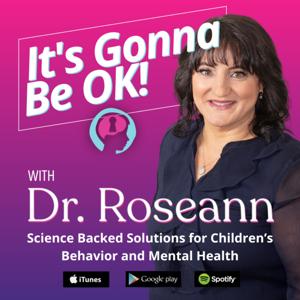

Is everyday stress quietly rewiring your child's brain? Learn how chronic stress reshapes the nervous system, affects emotional regulation, and how small, practical lifestyle changes can protect your child’s brain health.
Parenting a child whose emotions swing from calm to chaos can feel overwhelming. Everyday pressures—school demands, social tension, family stress—can quietly rewire your child’s brain, pushing it into a constant state of survival mode. But the good news? You can change these patterns.
In today’s episode, we break down how chronic stress affects brain development, why your child may seem "overly reactive" or withdrawn, and practical tools you can use to build emotional resilience and calm.
Why does my child overreact to small stressors?
Your child's brain is highly responsive to repeated stress, especially those with trauma, neurodivergence, or sensory sensitivities. Chronic stress strengthens fear circuits in the amygdala while weakening prefrontal cortex control, making your child more prone to anxiety, meltdowns, or overreaction.
Takeaways:
Real-Life Example
Jess noticed her son melting down every afternoon. By adding a quiet snack and a two-minute decompression before homework, she saw his meltdowns reduce within a month.
How can I tell if my child’s nervous system is overstimulated or under-stimulated?
Overstimulation looks like constant movement, big emotions, defiance, sleep troubles, and hyper-reactivity. Under-stimulation shows as daydreaming, zoning out, sluggishness, or excessive caffeine use in teens. Both reflect dysregulated stress response patterns.
Tips for parents:
Quick CALM™ gives your child fast, simple tools to reset their nervous system and regain emotional control in moments of stress. With easy, science-backed techniques, it helps kids stay grounded, focused, and calm—so you can reduce meltdowns and boost everyday resilience.
What can parents do to protect the brain during stressful moments?
Regulate first, teach second. Your calm acts as the anchor for your child’s nervous system. Predictable routines and lifestyle changes—hydration, sleep, magnesium-rich foods—help balance stress hormones and protect brain structure.
Action Steps:
🗣️ “Every meltdown isn’t a tantrum—it’s your child’s nervous system overflowing. You can teach their brain to recover, not just react.”— Dr. Roseann
You don’t have to figure this out alone.
Become a Dysregulation Insider VIP and get your FREE Regulation Rescue Kit:
How to Stay Calm When Your Child Pushes Your Buttons and Stop Oppositional Behaviors.
Head to www.drroseann.com/newsletter and start your calm parenting journey today.
How do small daily habits influence emotional resilience?
Even minor interventions build long-term emotional regulation and help children manage stress without harming the prefrontal cortex.
What’s the real impact of chronic stress on kids?
Repeated stress exposure can:
These effects are reversible. With intentional lifestyle changes, predictability, and mindful parenting, you can quietly rewire your child’s brain for calm.
Takeaway
Stress builds brains—for better or worse.
Today, we explored how everyday stress quietly rewires your child's brain, the signs of over- and under-stimulation, and the practical steps parents can take to protect emotional regulation, resilience, and overall brain health.
It’s not bad parenting—it’s a dysregulated brain.
Remember: You’re not alone. With consistent, small interventions, your child can learn calm, focus, and resilience—skills that last a lifetime.
FAQs
Can stress permanently change my child’s brain?
Chronic stress shapes brain circuits, but intentional regulation, routines, and micro resets can reverse harmful wiring over time.
How do I know if my child is dysregulated?
Signs include meltdowns, defiance, zoning out, sleep issues, or overreaction to small triggers.
What lifestyle changes support emotional resilience?
Sleep, hydration, protein-rich foods, magnesium, predictable routines, and daily stress micro resets are key.
How can I help my child calm down quickly?
Use co-regulation: stay calm, offer connection first, then guide behavior. Short breathing, tapping, or stretching breaks help.
Are meltdowns a reflection of bad parenting?
No. Behavior is communication—stress and brain wiring drive reactions, not your parenting skills.
Every child’s journey is different. That’s why cookie-cutter solutions don’t work.
Take the free Solution Matcher Quiz and get a customized path to support your child’s emotional and behavioral needs—no guessing, no fluff.
Start today at www.drroseann.com/help
 View all episodes
 By Dr. Roseann Capanna Hodge

4.9
9191 ratings
Is everyday stress quietly rewiring your child's brain? Learn how chronic stress reshapes the nervous system, affects emotional regulation, and how small, practical lifestyle changes can protect your child’s brain health.
Parenting a child whose emotions swing from calm to chaos can feel overwhelming. Everyday pressures—school demands, social tension, family stress—can quietly rewire your child’s brain, pushing it into a constant state of survival mode. But the good news? You can change these patterns.
In today’s episode, we break down how chronic stress affects brain development, why your child may seem "overly reactive" or withdrawn, and practical tools you can use to build emotional resilience and calm.
Why does my child overreact to small stressors?
Your child's brain is highly responsive to repeated stress, especially those with trauma, neurodivergence, or sensory sensitivities. Chronic stress strengthens fear circuits in the amygdala while weakening prefrontal cortex control, making your child more prone to anxiety, meltdowns, or overreaction.
Takeaways:
Real-Life Example
Jess noticed her son melting down every afternoon. By adding a quiet snack and a two-minute decompression before homework, she saw his meltdowns reduce within a month.
How can I tell if my child’s nervous system is overstimulated or under-stimulated?
Overstimulation looks like constant movement, big emotions, defiance, sleep troubles, and hyper-reactivity. Under-stimulation shows as daydreaming, zoning out, sluggishness, or excessive caffeine use in teens. Both reflect dysregulated stress response patterns.
Tips for parents:
Quick CALM™ gives your child fast, simple tools to reset their nervous system and regain emotional control in moments of stress. With easy, science-backed techniques, it helps kids stay grounded, focused, and calm—so you can reduce meltdowns and boost everyday resilience.
What can parents do to protect the brain during stressful moments?
Regulate first, teach second. Your calm acts as the anchor for your child’s nervous system. Predictable routines and lifestyle changes—hydration, sleep, magnesium-rich foods—help balance stress hormones and protect brain structure.
Action Steps:
🗣️ “Every meltdown isn’t a tantrum—it’s your child’s nervous system overflowing. You can teach their brain to recover, not just react.”— Dr. Roseann
You don’t have to figure this out alone.
Become a Dysregulation Insider VIP and get your FREE Regulation Rescue Kit:
How to Stay Calm When Your Child Pushes Your Buttons and Stop Oppositional Behaviors.
Head to www.drroseann.com/newsletter and start your calm parenting journey today.
How do small daily habits influence emotional resilience?
Even minor interventions build long-term emotional regulation and help children manage stress without harming the prefrontal cortex.
What’s the real impact of chronic stress on kids?
Repeated stress exposure can:
These effects are reversible. With intentional lifestyle changes, predictability, and mindful parenting, you can quietly rewire your child’s brain for calm.
Takeaway
Stress builds brains—for better or worse.
Today, we explored how everyday stress quietly rewires your child's brain, the signs of over- and under-stimulation, and the practical steps parents can take to protect emotional regulation, resilience, and overall brain health.
It’s not bad parenting—it’s a dysregulated brain.
Remember: You’re not alone. With consistent, small interventions, your child can learn calm, focus, and resilience—skills that last a lifetime.
FAQs
Can stress permanently change my child’s brain?
Chronic stress shapes brain circuits, but intentional regulation, routines, and micro resets can reverse harmful wiring over time.
How do I know if my child is dysregulated?
Signs include meltdowns, defiance, zoning out, sleep issues, or overreaction to small triggers.
What lifestyle changes support emotional resilience?
Sleep, hydration, protein-rich foods, magnesium, predictable routines, and daily stress micro resets are key.
How can I help my child calm down quickly?
Use co-regulation: stay calm, offer connection first, then guide behavior. Short breathing, tapping, or stretching breaks help.
Are meltdowns a reflection of bad parenting?
No. Behavior is communication—stress and brain wiring drive reactions, not your parenting skills.
Every child’s journey is different. That’s why cookie-cutter solutions don’t work.
Take the free Solution Matcher Quiz and get a customized path to support your child’s emotional and behavioral needs—no guessing, no fluff.
Start today at www.drroseann.com/help

1,342 Listeners

968 Listeners

2,060 Listeners

4,836 Listeners
1,462 Listeners

4,950 Listeners

3,476 Listeners

9,230 Listeners

175 Listeners

1,890 Listeners

4,527 Listeners

20,577 Listeners

379 Listeners

78 Listeners

1,193 Listeners