
Sign up to save your podcasts
Or

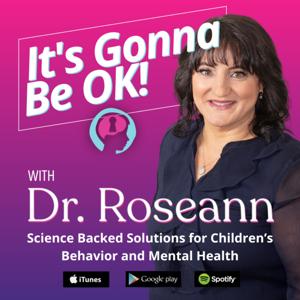

When your child melts down, every parent feels that moment of panic—What do I say? How do I help them calm? In this episode, I break down the 4 Calming Phrases Parents Say Changed Everything and how these simple, rhythmic statements help a dysregulated brain return to safety and connection.
Parenting a child whose emotions shift from zero to one hundred can feel overwhelming, but understanding what the brain needs in those tense moments changes everything. These phrases aren’t fluffy scripts. They’re co-regulation tools that speak directly to a child’s nervous system, reduce overwhelm, and open the door to emotional learning.
This episode offers practical guidance on why these phrases work, how to use them during real-life meltdowns, and how parents can stay grounded even when their child is losing control.
Why do calming phrases work better than lectures during meltdowns?
When a child is in fight, flight, or freeze, they literally can’t hear you. Logical thinking and critical thinking skills shut down as survival mode takes over. That’s why telling a child to “calm down,” “stop crying,” or “use your words” never works in the red zone—no matter your parenting style.
Calming phrases act as safety cues. They help create a shift because they:
These cues slow the moment and tell your child’s brain, “You’re not in danger. You’re not alone.”
And that’s when real connection—and real teaching—can finally happen.
If you’re tired of walking on eggshells or feeling like nothing works…
Get the FREE Regulation Rescue Kit and finally learn what to say and do in the heat of the moment.
Become a Dysregulation Insider VIP at www.drroseann.com/newsletter and take the first step to a calmer home.
What are the 4 calming phrases parents say changed everything?
1. “I’m with you.”
A parent shared that after years of nightly homework battles, whispering “I’m with you” softened her child’s panic—and changed the emotional tone of their entire household.
2. “Let’s slow down.”
3. “We’ll get through this.”
4. “It’s okay to feel upset.”
🗣️ "These phrases don’t reinforce negative behavior; they reinforce emotional safety, the foundation of all behavior change." — Dr. Roseann
How do I use these phrases during real-life meltdowns?
Start in the yellow zone—before your child hits full red. Lead with regulation, not correction.
Practical steps:
When you use these phrases with consistency, your child begins to internalize them. Over time, they’ll use them with themselves—a huge win for self-regulation.
Need instant tools before words even land? Try Quick CALM — a science-backed mini-course that helps settle your child’s nervous system fast.
FAQs
Why do these phrases calm kids so quickly?
They cue safety and connection, which downshift the nervous system faster than logic or discipline.
Should I use these phrases with teens too?
Absolutely. Older kids may resist comfort, but they still rely on safety cues to regulate.
Are calming phrases the same as giving in?
No—validation is not permissiveness. You regulate first, set boundaries second.
What if my child ignores me when I use these phrases?
They may be too dysregulated. Stay close, stay calm, and try again when they shift toward yellow.
Not sure which strategy your child needs most?
Take the guesswork out of parenting a dysregulated child.
Use the free Solution Matcher to get a personalized brain-based plan for your child—whether it’s ADHD, anxiety, OCD, or emotional dysregulation.
Start here: www.drroseann.com/help
 View all episodes
 By Dr. Roseann Capanna Hodge

4.9
9191 ratings
When your child melts down, every parent feels that moment of panic—What do I say? How do I help them calm? In this episode, I break down the 4 Calming Phrases Parents Say Changed Everything and how these simple, rhythmic statements help a dysregulated brain return to safety and connection.
Parenting a child whose emotions shift from zero to one hundred can feel overwhelming, but understanding what the brain needs in those tense moments changes everything. These phrases aren’t fluffy scripts. They’re co-regulation tools that speak directly to a child’s nervous system, reduce overwhelm, and open the door to emotional learning.
This episode offers practical guidance on why these phrases work, how to use them during real-life meltdowns, and how parents can stay grounded even when their child is losing control.
Why do calming phrases work better than lectures during meltdowns?
When a child is in fight, flight, or freeze, they literally can’t hear you. Logical thinking and critical thinking skills shut down as survival mode takes over. That’s why telling a child to “calm down,” “stop crying,” or “use your words” never works in the red zone—no matter your parenting style.
Calming phrases act as safety cues. They help create a shift because they:
These cues slow the moment and tell your child’s brain, “You’re not in danger. You’re not alone.”
And that’s when real connection—and real teaching—can finally happen.
If you’re tired of walking on eggshells or feeling like nothing works…
Get the FREE Regulation Rescue Kit and finally learn what to say and do in the heat of the moment.
Become a Dysregulation Insider VIP at www.drroseann.com/newsletter and take the first step to a calmer home.
What are the 4 calming phrases parents say changed everything?
1. “I’m with you.”
A parent shared that after years of nightly homework battles, whispering “I’m with you” softened her child’s panic—and changed the emotional tone of their entire household.
2. “Let’s slow down.”
3. “We’ll get through this.”
4. “It’s okay to feel upset.”
🗣️ "These phrases don’t reinforce negative behavior; they reinforce emotional safety, the foundation of all behavior change." — Dr. Roseann
How do I use these phrases during real-life meltdowns?
Start in the yellow zone—before your child hits full red. Lead with regulation, not correction.
Practical steps:
When you use these phrases with consistency, your child begins to internalize them. Over time, they’ll use them with themselves—a huge win for self-regulation.
Need instant tools before words even land? Try Quick CALM — a science-backed mini-course that helps settle your child’s nervous system fast.
FAQs
Why do these phrases calm kids so quickly?
They cue safety and connection, which downshift the nervous system faster than logic or discipline.
Should I use these phrases with teens too?
Absolutely. Older kids may resist comfort, but they still rely on safety cues to regulate.
Are calming phrases the same as giving in?
No—validation is not permissiveness. You regulate first, set boundaries second.
What if my child ignores me when I use these phrases?
They may be too dysregulated. Stay close, stay calm, and try again when they shift toward yellow.
Not sure which strategy your child needs most?
Take the guesswork out of parenting a dysregulated child.
Use the free Solution Matcher to get a personalized brain-based plan for your child—whether it’s ADHD, anxiety, OCD, or emotional dysregulation.
Start here: www.drroseann.com/help
1,321 Listeners

957 Listeners

2,058 Listeners

4,833 Listeners
1,447 Listeners

4,922 Listeners

3,488 Listeners

9,274 Listeners

134 Listeners

1,892 Listeners

4,516 Listeners

20,826 Listeners
347 Listeners
74 Listeners

1,077 Listeners