
Sign up to save your podcasts
Or

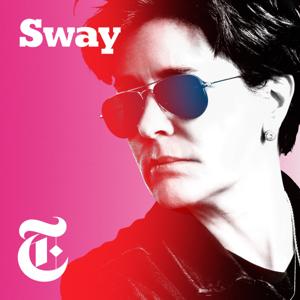

A shooter, radicalized online, plotted a racist attack with plenty of digital fingerprints, intended to livestream it on social media and published a manifesto online. It happened in Christchurch, New Zealand, in 2019. And it seems to have happened again last week in Buffalo. In the years in between, we’ve heard plenty about social media companies amping up their content moderation efforts and clamping down on violent extremism. Yet nothing — or not enough — has really changed.
In this conversation, Kara Swisher dissects the internet’s role in the Buffalo attack with Wesley Lowery, a journalist who covers race and justice, and Jared Holt, a resident fellow at the Atlantic Council’s Digital Forensic Research Lab. The three discuss how extremism spreads online, the role that Fox News and Tucker Carlson play and what platforms like 4chan, Facebook and Twitch could have done differently.
They also examine the free speech argument made by many conservatives and Elon Musk and consider how a Texas law — which allows individuals to sue platforms if they feel their posts have been censored — may give social media platforms cover to do even less. Lowery points out there are many options between being a “hyper-free-speech absolutist” and “censorship.” Ultimately, as he puts it, these platforms need to ask themselves, “If I’m hosting the block party, do I let the Nazi keep showing up and ranting?”
This episode contains strong language.
You can find transcripts (posted midday) and more information for all episodes at nytimes.com/sway, and you can find Kara on Twitter @karaswisher.
Unlock full access to New York Times podcasts and explore everything from politics to pop culture. Subscribe today at nytimes.com/podcasts or on Apple Podcasts and Spotify.
 View all episodes
 By New York Times Opinion


3.6
7676 ratings
A shooter, radicalized online, plotted a racist attack with plenty of digital fingerprints, intended to livestream it on social media and published a manifesto online. It happened in Christchurch, New Zealand, in 2019. And it seems to have happened again last week in Buffalo. In the years in between, we’ve heard plenty about social media companies amping up their content moderation efforts and clamping down on violent extremism. Yet nothing — or not enough — has really changed.
In this conversation, Kara Swisher dissects the internet’s role in the Buffalo attack with Wesley Lowery, a journalist who covers race and justice, and Jared Holt, a resident fellow at the Atlantic Council’s Digital Forensic Research Lab. The three discuss how extremism spreads online, the role that Fox News and Tucker Carlson play and what platforms like 4chan, Facebook and Twitch could have done differently.
They also examine the free speech argument made by many conservatives and Elon Musk and consider how a Texas law — which allows individuals to sue platforms if they feel their posts have been censored — may give social media platforms cover to do even less. Lowery points out there are many options between being a “hyper-free-speech absolutist” and “censorship.” Ultimately, as he puts it, these platforms need to ask themselves, “If I’m hosting the block party, do I let the Nazi keep showing up and ranting?”
This episode contains strong language.
You can find transcripts (posted midday) and more information for all episodes at nytimes.com/sway, and you can find Kara on Twitter @karaswisher.
Unlock full access to New York Times podcasts and explore everything from politics to pop culture. Subscribe today at nytimes.com/podcasts or on Apple Podcasts and Spotify.

8,822 Listeners
38,062 Listeners

6,826 Listeners

3,970 Listeners

4,038 Listeners

1,508 Listeners

9,622 Listeners

2,063 Listeners

145 Listeners

111,948 Listeners

1,522 Listeners

12,628 Listeners

310 Listeners

7,230 Listeners

466 Listeners

51 Listeners

2,347 Listeners

380 Listeners

6,685 Listeners

5,530 Listeners

15,950 Listeners

1,501 Listeners

10,745 Listeners

1,688 Listeners

3,483 Listeners

736 Listeners

13 Listeners

640 Listeners

27 Listeners

83 Listeners

0 Listeners