
Sign up to save your podcasts
Or

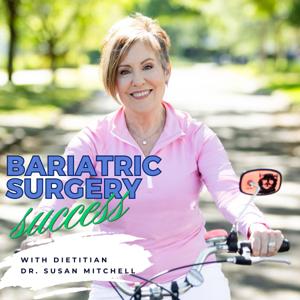


Do you worry and obsess about how you look? Over something in your appearance that bugs you, but yet to others, is minor or not even noticed? Does it bother you so much that you can’t stop thinking about it? Maybe you feel so anxious about it, that you even avoid social situations. Bariatric psychologist Dr. Connie joins me to explain the difference between a distorted body image and body dysmorphic disorder. You don’t want to miss this episode.
Visit Procarenow.com for all of your vitamin, calcium and protein needs. Use Code: Susan10 to save 10%
You can share the message of hope, healing and transformation with your purchase from NewHopeGirls.com Use code TRANSFORM to save 15%
Website: http://www.conniestapletonphd.com
BariAftercare: The Podcast; available on phone podcast apps, Apple podcasts and most other podcatchers
Mind Prep The Book: How To Prepare for Bariatric Surgery and Live as a Healthy Post-Op: Mind Prep: The Book
BariAftercare Daily Progress Journal
Questions that Dr. Connie and I discuss in this episode:
What are you doing right now? Are you looking thru the cabinets for something to snack on? Are you really hungry or is food your response to today’s stress, sadness or boredom? Mindless eating can really get you off track. Instead, let’s amplify your bariatric surgery journey with doable mindfulness strategies.
Visit Procarenow.com for all of your vitamin, calcium and protein needs. Use Code: Susan10 to save 10%
You can share the message of hope, healing and transformation with your purchase from NewHopeGirls.com Use code TRANSFORM to save 15%
Here's your freebie. I developed a tip sheet to help you remember these mindfulness strategies we talk about today.
Do you ever come home and eat the first thing you see in the fridge? I want you to stop a second and ask yourself these questions. Answer yourself honestly. Ready?
"Am I aware of what I reach for and eat? And how much I eat?”
"Do I multitask (watch TV, scroll thru my phone, or work) while I eat?"
"Do I eat fast?" "How long does it take me to finish a meal?"
"Do I feel satisfied after my meal?"
After bariatric surgery, you are working so hard to eat well and develop a healthy lifestyle. You’re reaching for good tasting, nutritious food that nourishes both your mind and body. But mindless eating can derail all of your best nutrition efforts.
Instead of mindless eating I want you to amplify the success of your journey. How? By learning and practicing the opposite of mindless eating which if mindful eating or mindfulness.
Mindfulness means to be present in the moment, aware of your surroundings and the food you eat. This method focuses more on how you engage in eating (such as how fast you eat, appreciation of your food, your personal responses to hunger). In other words, it's making conscious decisions about eating instead of eating because you're stressed, mad, sad or bored. Also, it’s NOT about willpower but rather listening to your body telling you when it's hungry and full.
Let's talk about how to use these seven tips:
Are you considering bariatric surgery? It can be so confusing, right? And downright scary. How much will it cost you? Who’s the best surgeon for you? How do you know if the surgeon is any good? What about the right hospital or surgical center? What services should you look for? Bariatric dietitians Gayle and Isabel join me to share information to help you save time and money in your selection of the right surgeon and hospital or surgical center.
Podcast Guests:
Bariatric Dietitian Isabel Maples, RD
Bariatric Coordinator
UVA Health in Haymarket, Virginia
Email: [email protected]
Gayle Brazzi Smith MS, RDN, CSOWM, LDN
Registered & Licensed Dietitian
Weight Loss and Bariatric Surgery Institute
Orlando, FL
Email: [email protected]
Website: OrlandoHealth.com/Bariatrics
Visit Procarenow.com for all of your vitamin, calcium and protein needs. Use Code: Susan10 to save 10%
You can share the message of hope, healing and transformation with your purchase from NewHopeGirls.com Use code TRANSFORM to save 15%
Resources:
Common CPT codes for insurance:
Sleeve - 43775
Bypass - 43644
Revision- 43659
Band removal - 43774
Rate, Review & Follow on Apple Podcasts:
"I love Dr. Susan and Bariatric Surgery Success." If this sounds like you, would you please rate and review my podcast? Click here. Then click on "Listen to Apple Podcasts" at the top. Scroll down to where you see Ratings & Reviews and tap on "Write a Review". Yes, I'd love a 5 star review! LOL Be sure and let me know what you love most about the podcast. Thank you for your time!
If you haven’t followed the podcast, be sure to Follow/Subscribe now so you never miss an episode.
There’s a lot to think about when you consider bariatric surgery. It can be so confusing and downright scary. There is a lot of information you need to find out before surgery. How much is this going to cost? Who’s paying for what? Who’s the best surgeon? What type of services should be included? We’re going to answer a lot of these questions and share things for you to think about. It’s so important to know up front what you can expect and what’s expected of you. Services and fees vary so you want to do homework to prevent any surprises and unexpected costs.
Topics we discuss:
One of the first things that comes to my mind is…..
Do you have insurance coverage?
If you do, find out if your insurance company has any specific requirements that your surgeon, hospital or surgical center must meet. Isabel, you spend quite a bit of time keeping up with insurance nuances. What questions should you be asking your insurance company?
Discussion of bariatric procedure codes...listed above for use with your insurance company
Coverage for nutrition consults among insurance companies as of course, I think this is very important.
Credentials matter. the MBSAQIP program and programs of distinction
What to look for in a well rounded program
Experience, beside manner fees
Becky asked if I would do a podcast on plant-based eating after bariatric surgery with tips on how to get in enough protein. Is a plant-based lifestyle appropriate or even doable after weight loss surgery? Let’s talk about various plant-based options and some smart strategies that can make a plant-based lifestyle work.
Visit Procarenow.com for all of your vitamin, calcium and protein needs. Use Code: Susan10 to save 10%
You can share the message of hope, healing and transformation with your purchase from NewHopeGirls.com Use code TRANSFORM to save 15%
Rate, Review & Follow on Apple Podcasts:
"I love Dr. Susan and Bariatric Surgery Success." If this sounds like you, would you please rate and review my podcast? Click here. Then click on "Listen to Apple Podcasts" at the top. Scroll down to where you see Ratings & Reviews and tap on "Write a Review". Yes, I'd love a 5 star review! LOL Be sure and let me know what you love most about the podcast. Thank you for your time!
If you haven’t followed the podcast, be sure to Follow/Subscribe now so you never miss an episode.
Resources:
EP 73 Slider Foods
EP 127 Can you really eat carbs?
EP 132 15 Bariatric-Friendly Carbs: Bariatric Nutrition Q & A
Topics covered in this podcast:
6 plant-based options to consider if you want to have a plant-based lifestyle after WLS
3 concerns over a strict vegan lifestyle after WLS
Slider foods
Carbs and weight regain
Consulting our bariatric dieititian
Choosing a wide variety of plant protein
Plant-based shakes
Complete protein/essential amino acids
Supplements
Tracking your intake
When I say the words ‘self-sabotage’, what’s the first thing that comes to your mind? Emotional or comfort eating? Maybe negative self talk? What about fear of failure or even fear of success? You know, those self defeating behaviors that we do to ourselves. Self-sabotage can wreck your weight loss journey after surgery. Bariatric psychologist, Dr. Connie, is here to help you recognize self-sabotage and also to teach you how to overcome it so you can have a successful transformation.
Visit Procarenow.com for all of your vitamin, calcium and protein needs. Use Code: Susan10 to save 10%
You can share the message of hope, healing and transformation with your purchase from NewHopeGirls.com Use code TRANSFORM to save 15%
Guest: Connie Stapleton, PhD
Website: http://www.conniestapletonphd.com
BariAftercare: The Podcast; available on phone podcast apps, Apple podcasts and most other podcatchers
Mind Prep The Book: How To Prepare for Bariatric Surgery and Live as a Healthy Post-Op: Mind Prep: The Book
BariAftercare Daily Progress Journal
Please Rate, Review & Follow on Apple Podcasts:
"I love Dr. Susan and Bariatric Surgery Success." If this sounds like you, would you please rate and review my podcast? Click here. Then click on "Listen to Apple Podcasts" at the top. Scroll down to where you see Ratings & Reviews and tap on "Write a Review". Yes, I'd love a 5 star review! LOL Be sure and let me know what you love most about the podcast. Thank you for your time!
If you haven’t followed the podcast, be sure to Follow/Subscribe now so you never miss an episode.
Are you receiving my weekly newsletter, Breaking Down Nutrition? You’ll be the first to know about product specials, helpful tips, the latest podcast and upcoming interviews that you don’t want to miss like today with Dr. Connie. Sign up on my website
Questions we discuss in depth:
Want to grab some attention? Just combine the word ‘toxic” or ‘deadly’ with the words sugar substitute and that will do it. Low calorie and no calorie sweeteners are so popular but on the flip side, social media posts and other media headlines have created fear and uncertainty about using them. Are they dangerous or even toxic? It’s confusing and hard to decipher what is sound factual science against what is low quality science or even pseudo science. Award-winning dietitian Neva Cochran is back to cut thru the hype, share the sound science, and make sense of it all so you know what to do.
Here are your resources:
Visit Procarenow.com for all of your vitamin, calcium and protein needs. Use Code: Susan10 to save 10%
You can share the message of hope, healing and transformation with your purchase from NewHopeGirls.com Use code TRANSFORM to save 15%
Guest: Neva Cochran, MS, RDN, LD, FAND
Twitter: @NevaRDLD
Instagram: @nevardld
Facebook: https://www.facebook.com/NevaRDLD/
YouTube
Website: www.NevaCochranRD.com
EP 122 with guest Neva Cochran: Should You Use Sugar Substitutes after Weight Loss Surgery
EP107 Can You Have Erythritol after Bariatric Surgery?
Neva and I cover a lot of helpful information in this podcast so you can make the right decision for your situation. Some of the many questions we talk about include:
There are so many names for sugar substitutes including artificial sweeteners, sugar substitutes and low and no sugar sweeteners. They actually fall into different groups such as sugar alternatives, sugar alcohols, and artificial or non nutritive sweeteners. Would you go over what sugar alternative or no sugar sweeteners belong in which group?
Recently, there were confusing headlines about sugar substitutes in general and another one specific to Sucralose. There is so much conflicting information in the news about sweeteners. Sometimes the information is accurate and reasonable and other times it’s unrealistic and even ridiculous in the real world. What is your take?
Is one sugar substitute better than another?
How much is safe to use?
Do you feel it varies between sugar alcohols and no sugar sweeteners with zero calories, even down to one specific sweetener over another?
Erythritol recently got some bad press too but there’s more to this story than the headline as well.
Neva, why do some people prefer one sweetener over another?
What else is in sweetener packets besides the low cal sweetener?
Neva, what is your bottom line advice to my bariatric community about non sugar sweeteners?
You’ve have weight loss surgery and now you find out that you need to follow some 30-30 rule. Are you surprised? Are you thinking to yourself…what the heck is a 30-30 rule? Why do I need to follow it? And…what if I get something stuck in my throat while I’m eating? Do I follow it forever? Actually, this 30-30 rule can help make your transformation and journey an even greater success. Bariatric dietitians Gayle and Isabel join me to answer your questions and explain why it’s beneficial to follow the 30-30 rule and for how long.
Podcast Guests:
Bariatric Dietitian Isabel Maples, RD
Bariatric Coordinator
UVA Health in Haymarket, Virginia
Email: [email protected]
Gayle Brazzi Smith MS, RDN, CSOWM, LDN
Registered & Licensed Dietitian
Weight Loss and Bariatric Surgery Institute
Orlando, FL
Email: [email protected]
Website: OrlandoHealth.com/Bariatrics
Visit Procarenow.com for all of your vitamin, calcium and protein needs. Use Code: Susan10 to save 10%
You can share the message of hope, healing and transformation with your purchase from NewHopeGirls.com Use code TRANSFORM to save 15%
I want to give a shout out to mdm232323. The 5-star Apple podcast review says “I had sleeve surgery in March and just happen to find your podcast. And what a blessing. I’m listening whenever I can to get through your library of past podcasts to educate myself.”
"Thank you so much for posting this 5 star review. I’m glad the podcast has been a blessing and that you gain usable knowledge from them. Keep listening!"
Questions about the 30-30 rules we discuss:
The 30-30 rule. It’s also called the “30-minute rule” and actually, it’s very beneficial after surgery. What’s it all about? Isabel, what is this 30-30 rule and are there other names for it?
Gayle, are most patients surprised when they hear about this rule?
Does the rule apply to all bariatric surgical procedures Isabel?
Gayle what about your surgical center?
Isabel, here’s a question from my Facebook group. Do I really have to wait 30 minutes to have water/any liquid before and after my meal?
Gayle, I’ve been asked in the Facebook group if this rule has to be followed forever. It’s somewhat debatable. In fact, it’s not just patients that want to know. You and I were talking about a question that you had from an ICU dietitian. Tell us more.
Isabel, why is it so smart to follow the 30-30 rule? What are the benefits to the body after surgery?
What happens to the body if you don’t follow this rule?
Did you know that one of the players in heart health is called nitric oxide, sometimes referred to as N-O? The N-O level tends to increase after weight loss surgery. Did you notice I said increases? You might be wondering if that a bad thing as when your cholesterol number goes up. Actually, it’s the opposite, you want an increase in nitric oxide. Grab your phone or pen and I’ll share 7 foods that will help increase this nitric oxide level naturally.
Visit Procarenow.com for all of your vitamin, calcium and protein needs. Use Code: Susan10 to save 10%
You can share the message of hope, healing and transformation with your purchase from NewHopeGirls.com Use code TRANSFORM to save 15%
Resources:
Rush Hour Ready Beets
There are so many fabulous benefits that result from bariatric surgery. Several that come to mind are lower blood pressure, lower blood glucose, a lower c-reactive protein or CRP blood level which means less inflammation in the body, and an improved lipid profile, specifically cholesterol and LDL numbers which result in an overall improvement in cardiovascular or heart health.
Nitric oxide is actually made by the body. It’s produced in the body as an end result of a process in which nitrates in food along with antioxidants like Vitamin C are turned into nitric oxide.
Let’s take a look at 7 natural nitrate containing foods to add to your meals in the coming weeks. Listen for more information about each food:
citrus, garlic, cabbage, carrots, broccoli, spinach, beets, dark chocolate
When was the last time you ate so much that you felt stuffed? Was it a big Thanksgiving meal or when you celebrated your best friend’s birthday with that ginormous cake and ice cream? Maybe after a bad day, you almost finished a half gallon of ice cream along with some cookies while watching TV. How did you feel afterward? Frustrated that you ate so much you made your stomach hurt or did you play the guilt and shame game? Overeating every once in a while is normal. However, in compulsive eating, food is often the way of coping with negative emotions. Then you feel guilty, ashamed or depressed. These are different feelings than when you just ate too much at Thanksgiving. Bariatric psychologist Dr. Connie joins me to talk about compulsive eating and how to deal with those feelings of guilt and shame.
Visit Procarenow.com for all of your vitamin, calcium and protein needs. Use Code: Susan10 to save 10%
You can share the message of hope, healing and transformation with your purchase from NewHopeGirls.com Use code TRANSFORM to save 15%
Guest: Connie Stapleton, PhD
Website: http://www.conniestapletonphd.com
BariAftercare: The Podcast; available on phone podcast apps, Apple podcasts and most other podcatchers
Mind Prep The Book: How To Prepare for Bariatric Surgery and Live as a Healthy Post-Op: Mind Prep: The Book
BariAftercare Daily Progress Journal
Rate, Review & Follow on Apple Podcasts:
"I love Dr. Susan and Bariatric Surgery Success." If this sounds like you, would you please rate and review my podcast? Click here. Then click on "Listen to Apple Podcasts" at the top. Scroll down to where you see Ratings & Reviews and tap on "Write a Review". Yes, I'd love a 5 star review! LOL Be sure and let me know what you love most about the podcast. Thank you for your time! If you haven’t followed the podcast, be sure to Follow/Subscribe now so you never miss an episode.
Listen now for a lively discussion. Here are the questions Dr. Connie and I discuss on today's episode:
Let’s start by explaining the difference between compulsive eating and binge eating disorder also called BED.
Today, our focus is on compulsive eating. I often see compulsive eating start as a result of diet restriction where foods are seen as either good or bad. When you don’t allow yourself certain foods, at some point it’s easy to say, forget it and eat way too much of that restricted food. Other times, it starts as a mindless habit like munching in front of TV instead of eating a meal of protein food and other macros on a regular schedule. From your perspective how does someone typically start compulsive eating? Are there underlying emotional issues or a negative body image?
What stands in the way of asking for treatment for either compulsive overeating?
How common is compulsive eating in the bariatric community?
Before someone is cleared for surgery, do they need to be treated for compulsive eating first?
Let’s get specific. How do you overcome guilt and shame? What are your best strategies?
What haven’t you said that we need to know?
Are you into working out and sports since your weight loss surgery? Wondering what to eat before and after your workouts, if you need more carbs, maybe calories too? Do you need a supplement for muscle gain? Bariatric sports dieititian Kim Tirapelle joins me to answer many of your questions and share the latest sports nutrition information.
Visit Procarenow.com for all of your vitamin, calcium and protein needs. Use Code: Susan10 to save 10%
You can share the message of hope, healing and transformation with your purchase from NewHopeGirls.com Use code TRANSFORM to save 15%
Guest: Kim Tirapelle, MS, RD, CSSD
Website: www.activebariatricnutrition.com
Podcast: www.activebariatricnutrition.com/podcast
Instagram: https://www.instagram.com/activebariatric/
YouTube: https://www.youtube.com/channel/UC4QJLjJ5vSzbCiXTlR59Tpw
TikTok: @ActiveBariatricNutrition
Facebook: https://www.facebook.com/ActiveBariatric
Joining me in the studio is dietitian Kim Tirapelle. Kim is a certified specialist in sports dietetics who focus on bariatric sports nutrition. She’s worked with bariatric clients and athletes for the last 16 years and was also a collegiate sports dietitian for a Division I University. Kim now works 1:1 with her clients to optimize nutrition to meet exercise goals after weight loss surgery. You can also listen to Kim weekly on her podcast, the Active Bariatric Nutrition Podcast.
When I found out you would be guest on the podcast, I put a poll in my FB group to see what questions they had about sports nutrition and they had a lot. So let’s jump right in and answer them.
Questions I ask Kim, many of which come from my Facebook group:
How far out from surgery should you be before you start heavier workouts and sports?
Do I need more calories every day if i work out hard?
How many calories should I add if I’m trying to gain muscle?
Do I need more grams of protein daily for my workouts?
How many grams of carbs do I need daily for my weight training?
Should I eat more carbs if I’m exercising more?
Is it normal to be hungrier some days and not others?
Kim asked:I work out 5-6 times per week cardio and strength training. I can’t seem to lose this last 20-25 pounds. Could it be not enough water/liquids? I’m stumped!
Karen wants to know: I had RNY Sept 2022. I am a regular CrossFitter and vegetarian. Always looking for more knowledge.
Jason asked: I’d like to get back into running after bariatric surgery? Any tips to safely get back into running?
What should I eat before/after a workout?
Are supplements helpful for muscle gain?
From the publisher's feed
871 Listeners

2,193 Listeners

7,233 Listeners
7,482 Listeners
1,128 Listeners
75 Listeners
38 Listeners
1,673 Listeners
415 Listeners

18,827 Listeners
266 Listeners
302 Listeners

22 Listeners

15 Listeners
172 Listeners