
Sign up to save your podcasts
Or

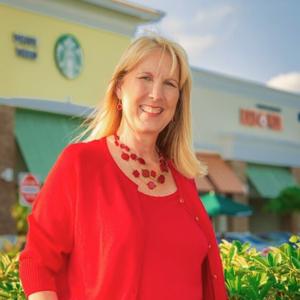


Imagine buying my first shopping center for $3.5M… and letting $1M in potential value sit vacant. That’s exactly what happened—and it took a no-fluff wake-up call from Beth Azor to make me see the truth every investor needs to hear.
In this episode, I unpack my conversation with a doctor-turned-investor who bought a 10-tenant retail property but is frustrated by two vacancies. Despite keeping the seller’s leasing team, nothing’s getting filled—and here’s the kicker: I haven’t even visited the market. Beth walks me through how that hands-off approach is costing me big, both in annual rent and in property value.
This episode is a powerful case study in the cost of inaction—and what it really takes to build a successful portfolio of shopping centers.
👉 Plus: I give a special shoutout to the Women’s Real Estate Investment Summit and share how men can support the women in their lives to invest in commercial real estate too.
🔑 Key Takeaways
Vacancies cost more than you think. Two empty units could mean $1M in unrealized value—know your numbers.
You can’t manage what you don’t understand. If you’ve never visited the property, how do you know what’s really going on?
Leasing agents aren’t miracle workers. If they’re not performing, replace them—especially before giving them renewal business.
Understand your market firsthand. Rents might be $40 PSF today—not $30 like 3 years ago. Are your leasing assumptions outdated?
Absentee ownership isn’t passive—it’s risky. If you want to scale, you need to be proactive or bring in the right partners.
Set systems, not silos. Build relationships with tenant reps, vendors, and your tenants—even if it’s just a 3-day visit.
In this episode, I share a compelling story about how collecting tenant sales data helped me identify a struggling franchise tenant—and how one smart hiring decision turned that failing store into a top performer. I emphasize the importance of staying proactive with your tenants, even if you’re not managing a local property, and why absentee ownership can be a serious red flag.
From spotting red flags to celebrating a turnaround, this episode highlights the power of involvement, holding tenants accountable, and simply paying attention to what’s happening on-site.
🔑 Key Takeaways:
✔️ I always collect sales data from my tenants—it alerts me to problems early.
✔️ I’ve noticed that absentee franchise owners often underperform compared to hands-on operators.
✔️ A single great hire can dramatically improve customer experience and store performance.
✔️ I believe in being proactive and vocal when I notice tenant issues—staying silent doesn’t help.
✔️ Visual merchandising and strong tenant visibility drive foot traffic and boost sales.
✔️ I don’t reduce rent as a quick fix—I push for operational improvements instead.
✔️ Even when I manage from afar, I monitor performance and intervene strategically.
In this episode, I share a wild (and very real) lesson on tortious interference - what it means, how I got sued for it, and what every landlord should understand when it comes to transferring leases. From NFL players selling overpriced smoothie shops to doctors trying their hand at burger franchises, I’ve seen my share of risky lease assignments - and learned to trust my instincts.
I walk through two real-life examples where I blocked lease transfers, faced legal threats, and ultimately protected my shopping centers. I also explain how I secured personal guarantees, maintained leverage, and stayed paid when things went sideways. For any landlord who’s ever second-guessed their judgment or felt pressured into approving a shaky deal, this episode is essential listening.
Key Insights:✔️ Tortious interference claims can surface - even when protecting the asset✔️ Lease assignment red flags are worth paying attention to✔️ Personal guarantees offer critical protection from unqualified tenants✔️ Tenants often return admitting they should have followed advice✔️ Backup tenants and strong lease terms can protect the landlord’s position✔️ Sometimes, saying “no” is the most responsible thing a landlord can do
After 30+ years in the business, it takes a lot to surprise me—but this lease clause did just that. In this episode, I share the unique situation that forced me to rethink how I approach use clauses. A tenant with a one-of-a-kind concept insisted on “any lawful retail use” as a condition of the lease. My initial reaction? No way. But what followed was a negotiation that pushed both sides to get creative.
I walk through the four protections I added—including noxious use exclusions, existing tenant conflict language, and even a recapture clause—all while preserving the deal and protecting my asset. If you’ve ever dealt with an assignment clause that felt like a landmine, or a tenant who had no potential assignee, this episode will give you a new playbook.
Key Insights:
✔️ Narrow use clauses protect your center—but sometimes, compromise is required
✔️ “Any lawful use” isn’t always risky—if structured carefully
✔️ Noxious use exclusions help future-proof your lease against shifting laws
✔️ Active negotiations and LOIs should also block conflicting assignments
✔️ A recapture clause gives landlords control in grey areas
✔️ Early negotiation (at LOI stage) helps avoid legal standoffs later
Should you be posting rental rates on sites like Crexi or LoopNet? In this episode, I explain why I don’t—and why you shouldn’t either. A Facebook post from a frustrated agent sparked this conversation, but it revealed a much bigger issue: in retail real estate, rent is never one-size-fits-all.I walk through exactly how I price space in my shopping centers, from tenant type to visibility to square footage and even lease term. I also share a story about a client who was charging the same rate—$23 PSF—across every property, including a second-story office and a Publix-anchored outparcel. Spoiler: We fixed that, fast. If you're looking to maximize NOI and get strategic about rent setting, this episode breaks down how to think like a pro.Key Insights:✔️ Rent should vary by tenant use, size, visibility, and lease term✔️ One flat rate across all units can dramatically limit your upside✔️ You can and should charge more for endcaps and high-traffic locations✔️ Don’t let online listings lock you into underpriced deals✔️ Educate your leasing agents on rent flexibility✔️ Strategic rent setting = long-term NOI growth
What happens when you’ve got a perfectly good vacancy—but exclusives are tying your hands? In this episode, I walk through one of my current leasing challenges: a second-gen restaurant space that should be a no-brainer to fill... except I’m bound by a long list of tenant exclusives. From chicken and bubble tea to even Middle Eastern food—I’m locked out of nearly every popular restaurant category.But here’s the truth: exclusives are common, and they don’t have to stall your leasing. I share the real-world strategies I use to work around them—like how I got a Latin restaurant in under a chicken-exclusive, and when it might actually make sense to challenge or negotiate a waiver. I also break down creative site planning tactics that can open doors to entirely new tenant types. If you’ve ever been stuck with a “hard-to-lease” space, this one’s for you.Key Insights:✔️ Exclusives are everywhere—but they’re not deal-breakers✔️ Strategic tenant outreach starts with knowing your approved categories✔️ Get creative with space planning to unlock better tenant matches✔️ Know the penalties for breaking exclusives—it might be worth it✔️ Waivers are possible—but often come with negotiation✔️ Encourage leasing agents to explore unexpected tenant formats
What do you do when a great property refuses to lease up—despite all your best strategies? In this episode, I share the full story of one of the toughest assets in my portfolio: a 24,000 SF strip center right across from Sawgrass Mills Mall that should’ve been a slam dunk. But thanks to poor visibility from outparcels, it sat at 60% occupancy for years. I tried everything—canvassing, broker incentives, Facebook ads, even a party. Nothing worked.
Eventually, I swallowed my pride, hired a third-party broker, and together we came up with something bold: offer one year of free rent—no TI, full guarantees, no gimmicks. That single shift caught tenants’ attention and changed everything. We fully leased the center in five months and ended up selling it shortly after. If you're feeling stuck with your leasing strategy, this episode is the permission you need to shake things up.
Key Insights:
✔️ Even experienced owners sometimes need outside help
✔️ Lack of visibility can kill demand—no matter how strong the market
✔️ One year of free rent (with no TI) can still create a win-win
✔️ Pressure with urgency—“clock starts in January” drove action
✔️ Creativity and humility matter as much as hustle
✔️ When leasing stalls, shake up the system and brainstorm hard
If you're feeling stuck on a tough leasing deal, this episode is proof that sometimes the best move is the bold one. Don’t be afraid to pivot. Your next lease might just need a different play.
Buying a shopping center off-market? It’s not fast. It’s not easy. But if you play the long game—it can be wildly profitable. In this episode, I reveal how she secured multiple off-market deals by doing what most investors won’t: cultivating relationships for years.
From befriending a 76-year-old owner (who eventually made her his 50/50 GP partner!) to pulling off a seller-financed deal in under 30 days, I share the behind-the-scenes stories of mu best acquisitions—and exactly how I made them happen. I also explain how one coaching client turned an outperforming asset into a portfolio expansion using the “knock-on-doors” method.
If you’re tired of getting beat out on listed deals or just want better returns, this episode is your roadmap to relationship-based acquisitions that actually work.
Key Insights:
✔️ Off-market deals take patience—but can deliver incredible upside
✔️ Add value early—before an owner is ready to sell
✔️ Seller financing is possible—even on a tight timeline
✔️ Managing and leasing for free can be a strategic foot in the door
✔️ Use overperforming assets as a launchpad to buy nearby centers
✔️ Don’t wait for deals to be listed—make the first move
Whether you're a long-term investor or just breaking into CRE, this episode will challenge how you think about deal sourcing. The best opportunities aren’t on LoopNet—they’re hiding in plain sight.
EV chargers are popping up in shopping centers everywhere, promising “free” money through ancillary income deals—but I say: not so fast. In this episode, I break down the hidden risks of adding EV charging stations, especially when it comes to parking ratios and long-term tenant satisfaction.
I explain why I haven’t jumped on the EV charger bandwagon just yet, including the potential loss of valuable parking spaces and the unintended consequences it could have on restaurant tenants and customer traffic. If you're considering installing EV chargers at your property, this episode might change your approach.
Key Insights:
✔️ EV charger companies often provide free equipment—but at the cost of parking spaces
✔️ Losing key parking can negatively affect restaurants and high-traffic tenants
✔️ Ancillary income is great, but not if it reduces your overall leasing potential
✔️ Every parking decision should factor into your site’s overall tenant mix and traffic flow
✔️ What looks like “free money” could cost you in NOI down the line
Ever wonder what your leasing broker is really dealing with behind the scenes? In this episode, I give shopping center owners a brutally honest breakdown of what it’s like to be a retail leasing broker - from commission-only paychecks to years of hustling without listings or income. If you're considering hiring a broker (or trying to figure out why yours isn’t delivering), this is a must-listen.
I share the hidden realities of training, hunger, experience, and how to spot the difference between a hustler and someone just riding the title. Whether you’re managing a broker or deciding whether your nephew should give it a go, this episode helps you make smarter decisions and set more realistic expectations.
Key Insights:
✔️ Most commercial leasing brokers start commission-only and need a second job to survive.
✔️ Newbies rarely get proper training—owners should ask how they learned the business.
✔️ A broker’s “hunger” is often shaped by their early hustle, not their title.
✔️ Big brokerage firms don’t always train or assign listings to juniors.
✔️ Rockstars with 30+ listings probably aren’t cold calling for your 1,200 SF vacancy.
✔️ Don’t assume activity—ask direct questions about canvassing and prospecting habits.
From the publisher's feed

1,712 Listeners
994 Listeners

145 Listeners

2,202 Listeners

70 Listeners

9,512 Listeners
558 Listeners

506 Listeners

2,647 Listeners
127 Listeners

158 Listeners

220 Listeners

2,213 Listeners

656 Listeners
930 Listeners