
Sign up to save your podcasts
Or

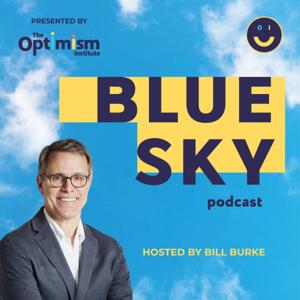


Sal Khan is one of the great innovators in education and in this Blue Sky episode, he discusses his book, Brave New Words: How AI Will Revolutionize Education (and Why That's a Good Thing). He and his colleagues at Khan Academy are well on their way to creating powerful AI teaching assistant called Khanmigo. At a time when many fear the onset of AI applications, Sal Khan presents an inspiring vision for the future of this technology in the classroom and beyond.
Chapters:
03:19 The Origin Story of Khan Academy Sal shares the inspiring origin story of Khan Academy, detailing how a simple act of tutoring his cousin evolved into a global educational platform.
09:39 Educated Bravery in AI Sal emphasizes the concept of 'educated bravery' when approaching AI technologies in education. He describes how Khan Academy is adapting its tools to mitigate risks while maximizing the benefits of AI for personalized learning.
12:46 Innovative Learning Experiences Sal illustrates how AI can create engaging learning experiences, such as conversing with literary characters like Jay Gatsby.
14:55 Engaging with Historical Figures The discussion turns to the use of AI to interact with historical figures, such as Thomas Jefferson. Sal explains the complexities of addressing sensitive historical issues through AI while maintaining educational integrity.
17:19 The Role of Teachers in an AI World Sal argues that AI will not replace teachers but rather enhance their roles in the classroom.
21:42 AI as a Tool for Empowerment The conversation highlights how AI can alleviate the burdens of administrative tasks for teachers, allowing them to focus on meaningful interactions with students.
23:18 Skepticism and Critical Thinking Sal stresses the importance of skepticism when engaging with AI and other technologies. He encourages students to critically evaluate the information provided by AI, fostering deeper discussions in the classroom.
27:39 Bridging the Economic Divide with AI In this chapter, Sal Khan discusses the potential of AI to serve as a leveling mechanism in education, especially for those who cannot afford traditional tutoring.
30:01 Navigating the Ethics of AI in Education Sal explores the ethical implications of using AI in education, particularly in the context of college admissions. He highlights the gray areas of academic support and the fine line between assistance and cheating, stressing the importance of maintaining integrity in the learning process.
33:41 Introducing Khanmigo: The AI Tutor Sal introduces Khanmigo, an AI tutor designed to enhance the learning experience by providing personalized support to students. He explains its features, such as contextual understanding of lessons and ethical tutoring practices that encourage student engagement.
37:34 Empowering Teachers with AI In this chapter, Sal discusses how Khanmigo not only benefits students but also supports teachers by alleviating administrative burdens. He emphasizes the importance of improving teacher morale and engagement in a profession facing significant challenges.
39:25 The Path to Implementation Sal explains the process of integrating Khan Academy and Khanmigo into school districts, highlighting the importance of support and training for teachers.
44:28 The Future of Learning with AI Sal envisions a future where Khanmigo enhances the educational experience through multimodal interactions and real-time support for both students and teachers.
52:29 Inspiring Innovation in Education In the closing chapter, Sal reflects on the inspiring innovations at Khan Academy and the positive impact of peer tutoring through Schoolhouse World. He encourages educators to embrace AI as a tool for enhancing the teaching experience and fostering student success.
Leslie and Richard Strauss are a husband-and-wife team who oversee Spirit Series, an innovative educational program in which young students perform plays about timeless stories. Through Spirit Series' immersive and rigorous process, participants gain confidence in themselves and improve their teamwork, higher order thinking and focus in the classroom. The program has served more than 60,000 students and research shows that it has improved their cognitive and social/emotional skills and even lowered absenteeism in participating schools.
FMI – Spirit Series website
Chapters:
02:44 Meet Richard and Leslie Strauss Bill introduces guests Richard and Leslie Strauss, co-directors of the Spirit Series, sharing their backgrounds and experiences in arts education. Their journey begins with personal loss and a desire to help children cope with grief.
07:56 Breaking into Schools Richard explains how Spirit Series gained traction in schools through word of mouth rather than advertising.
10:29 The Power of Storytelling The conversation shifts to the significance of storytelling in education, with Richard emphasizing the impact of historical narratives on young minds.
12:05 How the Program Works Richard outlines the structure of the Spirit Series program, detailing the intensive three-week residency model.
14:22 Casting and Participation The discussion focuses on the unique casting process of the Spirit Series, where roles are assigned by lottery. Richard shares how this approach fosters inclusivity and allows students to reinvent themselves.
17:01 Engaging Students with Big Questions Richard discusses the importance of starting each unit with a thought-provoking question. This method encourages students to reflect on their beliefs and engage deeply with the material over the course of the program.
20:09 Creating Community Through Performance The hosts explore how the Spirit Series fosters a sense of community among students.
22:33 The Role of Teachers in the Process Leslie and Richard describe how classroom teachers engage with the Spirit Series program. They highlight the collaborative nature of the curriculum and the positive changes it brings to teacher-student dynamics.
25:01 Empowering Teachers with New Curriculum The conversation shifts to the evolution of the Spirit Series curriculum, which now empowers teachers to implement the program independently. Richard shares the success of pilot programs that have expanded their reach.
28:28 Finding Silver Linings in Crisis The conversation begins with Richard and Leslie discussing how the pandemic, despite its challenges, sparked creativity and adaptability within their organization.
30:03 Innovating Through Adversity Richard elaborates on the innovative methods they adopted to engage students in a virtual setting, including the creation of films and storytelling videos.
32:54 The Spirit Series Impact Richard explains how students not only learn foundational stories but also create their own, enhancing their understanding and personal expression.
34:43 Measuring Success and Growth Richard and Leslie share the results of their program, emphasizing the positive feedback from teachers and students alike.
37:49 Addressing Absenteeism and Engagement The conversation highlights the program's success in reducing absenteeism, as students feel a sense of accountability to their peers.
43:21 Getting Involved with Spirit Series In this chapter, Richard and Leslie provide insights on how listeners can engage with the Spirit Series, whether by volunteering, donating, or bringing the program to their schools.
Business school professor and author Amy Edmondson shares her views on how we can make our workplace more productive, enriching, and positive for everyone. By creating an environment with "psychological safety," Amy says that organizations allow people to do their best work by not fearing to make the "right kinds" of mistakes and/or speaking up when things go wrong.
Order Amy's book Right Kind of Wrong
Chapters:
01:08 Introduction of Amy Edmondson Host Bill Burke introduces guest Amy Edmondson, a renowned professor at Harvard Business School, known for her work on psychological safety.
06:50 The Role of Managers in Psychological Safety The conversation shifts to the role of managers in understanding human behavior and fostering an environment where employees feel motivated to contribute
09:15 Hierarchy and Its Challenges The discussion delves into the impact of organizational hierarchy on psychological safety, with Edmondson explaining how it can inhibit open communication.
12:25 Creating a Safe Environment for Mistakes Edmondson discusses the importance of allowing employees to make mistakes and learn from them as a pathway to innovation.
16:30 Navigating Political Divisions at Work The conversation touches on the challenges of political divisions in the workplace and the importance of maintaining professionalism.
18:01 The Impact of Remote Work on Culture Edmondson reflects on how remote and hybrid work environments affect psychological safety and workplace culture. She discusses the need for face-to-face interactions to foster relationships and connectedness among team members.
23:41 Exploring the Right Kind of Wrong The focus shifts to Edmondson's recent book, 'Right Kind of Wrong,' where she explores the concept of failing well.
28:40 Understanding Different Types of Failures In this chapter, we explore the distinctions between basic, complex, and intelligent failures, emphasizing the importance of recognizing these differences. The conversation highlights how basic failures stem from single mistakes, while complex failures arise from multiple contributing factors.
31:50 The Value of Intelligent Failures The discussion shifts to intelligent failures, which are the results of thoughtful experiments aimed at innovation. The speakers discuss how organizations can learn from these failures and even budget for them in research and development.
33:49 Learning from Failure: A Difficult Process This chapter delves into the challenges of learning from failure, emphasizing the emotional aversion many people have towards it.
35:29 Reframing Failure: Insights from Ted Turner The conversation highlights Ted Turner's perspective on failure, illustrating how he framed losses as learning opportunities. This chapter discusses the cultural shift needed to embrace mistakes as part of the journey towards success.
36:31 The Role of Optimism in Leadership In this chapter, the speakers explore the significance of optimism in effective leadership, contrasting it with blind optimism. They introduce the Stockdale Paradox, emphasizing the balance between maintaining hope while facing harsh realities.
41:49 Optimism vs. Realism in Leadership The discussion continues on the interplay between optimism and realism in leadership, highlighting research findings on how these traits affect team dynamics. The speakers share insights from their studies during the COVID-19 pandemic, illustrating the importance of transparent communication.
44:08 The Future of Business Leadership As the conversation wraps up, the speakers reflect on the qualities of young leaders entering the business world.
On this installment of "A Bit of Blue Sky," host Bill Burke describes five books he recommends that will help listeners be more optimistic (and hopefully, fulfill their New Year's resolution to do so)!
Blue Sky Bookshelf: Link
Chapters:
00:00 Welcome to A Bit of Blue Sky Host Bill Burke introduces the podcast and its mission to inspire optimism through engaging discussions. He sets the stage for a conversation about books that can help listeners maintain their New Year's resolutions.
01:29 Factfulness: A New Perspective Bill discusses 'Factfulness' by Hans Rosling, a book that challenges common misconceptions about the world and highlights the progress we've made. He emphasizes the importance of understanding facts to foster a more optimistic outlook.
03:56 The Enlightenment and Its Impact Next, Bill explores 'Enlightenment Now' by Steven Pinker, which reflects on the values established during the European Enlightenment. He highlights how these values have contributed to a more peaceful and prosperous world.
05:31 Humankind: A Case for Optimism Bill introduces 'Humankind' by Rutger Bregman, a book that argues for the inherent goodness of humanity. Through compelling examples, Bregman refutes the notion that humans are naturally violent and emphasizes cooperation.
06:49 The Rational Optimist: A Thoughtful Approach In this chapter, Bill revisits 'The Rational Optimist' by Matt Ridley, discussing how free trade and cooperation have historically led to human progress. He advocates for a rational approach to optimism based on facts.
07:12 The Power of Kind Words Bill shares insights from 'The Power of A Few Kind Words' by Tracy Gates, a book inspired by the author's father that encourages expressing appreciation through handwritten letters. This practice aims to uplift both the sender and the recipient.
Neal Foard is an accomplished marketing expert and storyteller. On this episode, Neal describes why, after helping build household name global brands like Budweiser, Lexus, and Sony, he has turned his attention to telling and teaching stories. He's inspired by what he describes as the kindness of everyday people and shares personal anecdotes and stories online, hoping others will engage in what he's calling, "The Conspiracy of Kindness." He is also the founder of Storyfire, an online storytelling course.
Here is a link to Neal's Story, "A Postcard from 1969"
Chapters:
02:16 The Power of Positivity Neal Foard discusses his belief that there are more good people than bad, emphasizing the influence of media on public perception. He shares insights on how negativity can skew our view of humanity and the importance of focusing on the positive.
10:00 Traffic and Kindness Using traffic as a metaphor, Neal illustrates how our mindset can shape our experiences with others. He emphasizes the importance of kindness and how adopting a positive outlook can lead to a better day.
14:30 Reflections on 1969 Bill and Neall delve into the historical context of 1969, discussing societal turmoil and its parallels to today. They reflect on how understanding history can provide perspective on current events and the importance of kindness in turbulent times.
20:00 The ROI of Kindness Neal shares a compelling story about a car dealer who prioritizes kindness over profit, illustrating the long-term benefits of treating customers well. He introduces the concept of a 'conspiracy of kindness' and its impact on business.
25:03 The Transformative Power of Travel In this chapter, the conversation explores how travel can restore faith in humanity by revealing the commonalities among people across different cultures. Neal Foard shares personal anecdotes and insights about how experiences in various places can challenge preconceived notions.
29:03 The Journey of a National Road Trip The discussion shifts to an exciting national road trip that the speaker is undertaking, motivated by connections made through social media. This journey aims to highlight small businesses across America, showcasing the human interactions that define these local enterprises.
32:47 Celebrating Small Businesses The speaker shares heartwarming stories from small businesses, emphasizing the personal connections and community spirit that thrive in these environments. This chapter highlights the importance of small businesses in fostering human relationships and driving local economies.
35:03 The Role of Integrity in Business This chapter delves into the concept of integrity in business, arguing that most businesspeople are honorable and striving to do the right thing. The conversation emphasizes the significance of trust and regulation in maintaining a fair marketplace.
39:32 The Art of Storytelling in Business The focus shifts to storytelling as a vital skill in business, where effective communication can persuade and influence others. The speaker explains how stories resonate on an emotional level, making them a powerful tool for leaders and entrepreneurs.
46:47 The Impact of Stories on Human Connection In this final chapter, Neal reflects on the profound impact of storytelling on human connection and the importance of choosing the right narratives. The speaker encourages listeners to consider the stories they tell and how they shape perceptions and relationships.
In this Blue Sky episode, Zach Karabell describes how the roots of his optimistic worldview come from his deep understanding of history and the important societal trends that continue to move in a positive direction. This conversation covers a lot of ground, including how Zachary views President Trump and the "chaos" and "hysteria" he expects will be created during his second term, the remarkable medical breakthroughs like mRNA vaccines, and his new Substack newsletter, "The Edgy Optimist."
Chapters:
00:00 Welcome to the Blue Sky Podcast Host Bill Burke introduces the Blue Sky Podcast, setting the tone for discussions about optimism and the positive aspects of the world. He emphasizes the importance of looking beyond challenges to find hope.
00:54 Meet Zach Karabell Bill introduces Zach Karabell, the founder of the Progress Network and host of the What Could Go Right Podcast. The conversation highlights Zach's extensive background in economics, history, and his recent work on optimism.
03:04 From Academia to Optimism Zach shares his journey from academia to finance and eventually to promoting optimism through his work. He discusses how his historical perspective shapes his understanding of current events and the importance of focusing on positive narratives.
09:20 The Birth of the Progress Network Zach explains the inception of the Progress Network during a time of widespread negativity, aiming to unite voices advocating for a brighter future.
12:19 Finding Kindred Spirits Zach discusses the realization that many others share his vision of optimism, leading to a sense of community among like-minded individuals. He expresses hope in the growing number of movements focused on positive change.
13:14 Reviving the Edgy Optimist Zach reveals the motivation behind relaunching his Edgy Optimist column as a newsletter, emphasizing the power of self-publishing in today's media landscape.
16:30 Reflections on the Recent Election The conversation shifts to the recent election, with Zach sharing insights from his Edgy Optimist column written the day after. He emphasizes the need to separate words from actions in political discourse and reflects on the historical context of political behavior.
22:21 Words vs. Actions in Politics Zach elaborates on the significance of language in politics, arguing that actions often carry more weight than words.
29:04 The Weight of Words in Politics Zach discusses the significance of language in political discourse, referencing historical instances of election subversion.
31:07 Lessons from Bush v. Gore The conversation shifts to the contentious 2000 election, drawing parallels between past and present political challenges. Bill and Zach explore how historical context can inform our understanding of current electoral disputes.
32:54 Rising Expectations and Global Discontent Zach articulates the global trend of rising expectations among citizens for government accountability and social progress.
35:02 Healthcare Breakthroughs and Human Rights The discussion highlights significant advancements in healthcare and human rights, showcasing global progress in areas often overshadowed by conflict.
40:49 The Miracle of the COVID Vaccine Zach reflects on the rapid development of the COVID vaccine, calling it a remarkable scientific achievement. He warns against politicizing such advancements and stresses the need to appreciate the collective benefits of vaccination.
43:30 The Future of Optimism and Progress As the conversation wraps up, Zach shares his vision for the future of the Progress Network and the importance of maintaining a hopeful perspective amidst chaos.
Daniel Pink joins Blue Sky for a lively and wide-ranging discussion. He describes the importance of what he sees as a personal portfolio that includes a predominance of optimism that's balanced by a healthy and helpful dose of pessimism. He also forceful debunks "the cynical genius illusion," which leads to an undue bias towards those with cynical, negative viewpoints. He and Bill also discuss the connections between curiosity and optimism and Daniel describes the research and powerful conclusions from his latest bestseller, The Power of Regret: How Looking Backward Moves Us Forward.
Chapters:
02:36 Exploring Flexible Optimism Daniel Pink discusses the concept of flexible optimism, emphasizing the balance between optimism and pessimism. He explains how both perspectives can contribute to better decision-making and leadership.
04:18 The Role of Purpose in Motivation The conversation shifts to the importance of purpose over profit in motivating individuals. Daniel argues that a compelling purpose can inspire employees more effectively than mere financial goals.
07:27 Optimism vs. Pessimism in Today's World Daniel shares his perspective on the current state of the world, acknowledging both progress and significant challenges. He believes that it's possible to hold both optimism and realism simultaneously.
12:19 Predictions for the Future Daniel reflects on past predictions made about the future, highlighting how most extreme forecasts missed the mark. He emphasizes the value of moderate optimism in forecasting outcomes.
17:41 Understanding Regret The discussion transitions to Daniel's book, 'The Power of Regret,' where he challenges the notion of living without regrets. He explains how acknowledging and learning from regrets can lead to personal growth.
20:02 The Four Types of Regrets Daniel categorizes regrets into four types: foundation, boldness, moral, and connection regrets. Each type reflects different aspects of life and decisions that people often reflect upon.
25:01 Learning from Regrets The conversation explores how recognizing and confronting regrets can provide valuable insights into personal values and life choices.
30:04 Navigating Regret: A Path to Growth In this chapter, the discussion centers around how to differentiate between wallowing in regret and using it as a learning tool.
33:01 The Future: What Will Matter Most? Here, the conversation shifts to the long-term perspective on regrets and the decisions we make today.
34:24 Understanding Regrets of Omission Daniel Pink shares insights on how our fears of risks can lead to regrets of omission, particularly among pessimists. This chapter explores the value of understanding our regrets to align with our core values and make better decisions.
36:01 Curiosity as an Optimistic Act The dialogue delves into the relationship between curiosity and optimism, with Daniel asserting that curiosity stems from a sense of possibility.
39:02 The 'Why Not?' Approach Daniel discusses his 'Why Not?' series, which encourages open-mindedness and exploration of unconventional ideas. The chapter emphasizes the importance of fostering possibilities rather than simply sharing opinions.
42:00 The Illusion of Cynical Intelligence In this segment, the conversation tackles the misconception that cynicism equates to intelligence. Daniel explains the 'cynical genius illusion' and advocates for openness as a more accurate marker of intelligence.
45:26 What's Next for Daniel Pink? As the conversation wraps up, Daniel shares his current state of exploration and curiosity rather than focusing on a new book project.
Chloe Valdary shares her unique way of thinking about – and training others – in the field of diversity and difference. She describes her fascination with human beings in all our complexity and resists and rejects our tendencies to put everyone into the limiting categories of "oppressors or oppressed." Her thoughtful insights will make you think and might even challenge some listeners' long-held beliefs.
Chapters:
02:20 Chloe Valdary's Background Chloe shares her journey from New Orleans to becoming a thought leader in inclusion and belonging. Her passion for the human condition drives her work at Theory of Enchantment.
04:40 Understanding the Theory of Enchantment Chloe explains the concept of 'enchantment' as a balance between light and dark, contrasting it with the historical legacy of the Enlightenment. This framework aims to help individuals integrate their complexities.
09:27 Three Principles of Enchantment Chloe introduces the three principles of the Theory of Enchantment: treating people as human beings, criticizing to uplift, and rooting actions in love. She elaborates on the first principle, emphasizing the complexity of human identity.
15:12 Exploring DEI Training Approaches The conversation shifts to Chloe's approach to DEI training, which focuses on celebrating human complexity rather than reducing individuals to political labels. She critiques the binary mindset prevalent in many DEI frameworks.
20:01 Celebrating Human Mystery Chloe discusses a practice called 'Who Am I?' that encourages self-acceptance and recognizes the mystery within every individual.
23:34 The Illusion of Separation Chloe highlights the dangers of viewing society through the lens of separation, noting that we often have more in common with those we perceive as different. She emphasizes the importance of curiosity and connection.
27:37 Navigating Organizational Challenges Bill and Chloe discuss the varying environments Chloe encounters in organizations, from crisis situations to those merely checking boxes. She shares insights on how leadership alignment impacts the effectiveness of her training.
30:07 Transformative Training in Organizations Chloe shares her experiences training managers in organizations, highlighting how effective communication can transform difficult customer interactions. She emphasizes the importance of having all stakeholders on board for successful training outcomes.
32:38 The Challenges of Leadership Buy-In In this segment, Chloe reflects on the pitfalls of leadership initiatives that lack employee support, particularly when staff are overworked and burned out. She discusses the need for comprehensive engagement across all levels of an organization.
34:16 Navigating Complex Dynamics of Oppression Chloe addresses the sensitive dynamics that arise when discussing oppression and how she carefully introduces these concepts in her workshops to avoid alienating participants.
38:31 Engaging with Law Enforcement Chloe discusses her limited experience with police training and the complexities of addressing systemic issues within law enforcement.
42:29 The Role of Optimism in Challenging Work In this reflective segment, Chloe shares her perspective on optimism amidst the challenges of addressing divisive social issues. She believes that fostering gratitude can lead to significant societal improvements and encourages others to engage in this practice.
47:35 Future Aspirations for Theory of Enchantment Chloe reveals her exciting plans for the future of Theory of Enchantment, including incorporating music into her workshops to enhance personal expression and vulnerability.
Bill Burke hosts this first-ever installment of "A Bit of Blue Sky." In this shorter episode, Bill explains that on the first Wednesday of every month, The Optimism Institute will release a shorter episode with information about the podcast, reflections on past episodes, and hints about new shows in the queue. This month, to kick of 2025, Bill challenges his audience to make being more optimistic a New Years resolution.
Chapters:
00:32 Introducing A Bit of Blue Sky Bill unveils a new mini podcast series called A Bit of Blue Sky, designed to provide shorter episodes for listeners who may not have time for full-length shows. He shares the intention behind this change and what listeners can expect in the future.
01:43 New Year's Reflections and Resolutions As the new year begins, Bill reflects on 2024 and discusses the common practice of setting New Year's resolutions. He encourages listeners to consider making optimism a central goal for 2025.
02:30 The Benefits of Optimism Bill explores the health benefits of being optimistic, highlighting how it contributes to a longer life and better overall well-being. He emphasizes the importance of surrounding ourselves with positivity and joy.
03:53 Practical Steps to Cultivate Optimism In this chapter, Bill shares actionable advice on how to cultivate optimism, starting with managing social media habits. He suggests cleaning up feeds to focus on uplifting content and reducing exposure to negativity.
05:51 The Power of Gratitude Bill discusses the strong connection between gratitude and optimism, encouraging listeners to adopt a gratitude practice. He believes that recognizing the positive aspects of life can enhance our outlook and resilience.
06:49 Support from the Optimism Institute Bill assures listeners that the Optimism Institute will continue to provide uplifting content and support throughout the year. He encourages accountability among friends to help maintain a positive mindset.
This is an encore presentation of the 50th episode of Blue Sky, when Bill was joined by someone who has completed more than 400 of them. Bestselling author and TV/podcast host Kelly Corrigan describes to Bill the many things she's learned in her life and career about optimism and how we all can benefit from life's setbacks to become better people and forge stronger relationships. Kelly reflects on lessons she learned from her parents and how facing her own cancer diagnosis and battle with the disease left her with a greater sense of empathy for others with similar hardships. She also explains why she thinks intellectual humility is a key ingredient for an optimistic outlook and also that "there's no feeling as good as being useful to someone."
Chapters:
00:00 Introduction to Blue Sky Podcast Host
Bill Burke introduces the 50th episode of the Blue Sky Podcast, highlighting its significance and the guest, Kelly Corrigan, an accomplished podcaster and author.
03:07 The Power of Lifelong Learning
Kelly Corrigan shares her insights on the importance of being a lifelong learner and how it fosters a mindset of curiosity and openness.
09:02 Optimism in Discovery
The conversation delves into the optimistic belief that there is always more to learn and discover.
12:52 Finding Common Ground
Bill and Kelly explore the idea of starting conversations with shared experiences rather than differences, highlighting the importance of empathy in discussions, especially in polarized environments.
16:17 Lessons from Kelly's Dad
Kelly reflects on her father's optimistic worldview and his unique way of greeting the day, which instilled a sense of joy and agency in her life. She shares how his perspective can inspire others to approach life with openness and positivity.
23:03 The Steadiness of Kelly's Mom
Transitioning to her mother's influence, Kelly describes her mother's calm and competent nature during challenging times, particularly during her cancer diagnosis.
30:00 The Beauty of Brokenness
Kelly discusses her perspective that everyone is broken by the age of 50, and how this brokenness can lead to deeper connections with others. She emphasizes that meaningful connections often arise from shared hardships, transforming superficial interactions into profound conversations.
34:11 The Power of Shared Experiences
The conversation shifts to how shared challenges can break down barriers and foster genuine connections among people.
37:57 Finding Purpose in Pain
Kelly shares the story of her cousin who became a source of support after losing her son, illustrating how personal tragedy can lead to a greater sense of purpose and empathy. The discussion touches on the transformative power of helping others through their struggles.
39:01 The Journey to Wellbeing
Kelly introduces her PBS show focused on understanding wellbeing and the various factors that contribute to it, including mood, connection, and spirituality.
45:06 The Future of Mental Health Treatment
The discussion highlights advancements in mental health treatment, emphasizing the potential for precision medicine to revolutionize how we approach mental health issues. Kelly and Bill express optimism about the ongoing research and the possibility of more effective, individualized treatments.
49:06 Embracing Uncertainty in Science
Kelly reflects on her experiences interviewing leading scientists, revealing that even experts often disagree on key issues in mental health research. This segment emphasizes the importance of critical thinking and maturity in interpreting scientific findings.
From the publisher's feed

43,345 Listeners

934 Listeners
828 Listeners

3,311 Listeners
12,708 Listeners

111,868 Listeners

56,446 Listeners
1,276 Listeners

8,091 Listeners
2,212 Listeners

3,345 Listeners
1,391 Listeners

41,383 Listeners

1,651 Listeners
1,009 Listeners