
Sign up to save your podcasts
Or

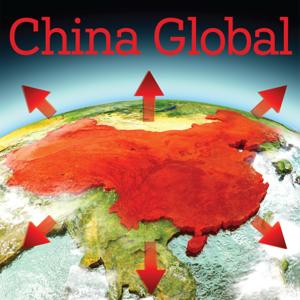

In 2001, Goldman Sachs economist Jim O’Neill coined the term “BRIC” to describe the fast-growing economies that he predicted would collectively dominate the global economy by 2050. The BRIC countries he was referring to were Brazil, Russia, India, and China. After a series of high-level meetings that included officials from the four countries, the BRIC grouping was founded in 2009. The following year, South Africa joined, and the name became “BRICS”. Last month, the fifteenth BRICS summit was held in Johannesburg. In addition to the leaders of the five core countries, representatives from more than 60 countries attended, and six were officially invited to join the club: Argentina, Egypt, Ethiopia, Iran, Saudi Arabia, and the United Arab Emirates.
How does the BRICS serve China’s foreign policy objectives? And is this expansion a major win for Xi Jinping? Is BRICS likely to become a global grouping of authoritarian countries that poses a challenge to the G-7 group of democracies – and is that what Beijing wants?
To discuss these topics and more, host Bonnie Glaser is joined by Colleen Cottle, deputy director of the Atlantic Council’s Global China Hub. Prior to joining the Atlantic Council, she spent over a dozen years at the Central Intelligence Agency where she worked on East and South Asia.
Timestamps
[01:45] What has BRICS achieved?
[05:33] China Driving the BRICS Agenda
[08:35] Where does BRICS fit into China’s foreign policy agenda?
[10:53] Why has BRICS refrained from endorsing BRI?
[12:53] Outcomes of Johannesburg Summit
[15:18] Criteria for Expanding BRICS Membership
[18:19] Potential for BRICS Disrupting the International Order
[23:52] China as a Developing Country
[26:56] Will we see any breakthroughs with BRICS?
 View all episodes
 By The German Marshall Fund

4.8
4141 ratings
In 2001, Goldman Sachs economist Jim O’Neill coined the term “BRIC” to describe the fast-growing economies that he predicted would collectively dominate the global economy by 2050. The BRIC countries he was referring to were Brazil, Russia, India, and China. After a series of high-level meetings that included officials from the four countries, the BRIC grouping was founded in 2009. The following year, South Africa joined, and the name became “BRICS”. Last month, the fifteenth BRICS summit was held in Johannesburg. In addition to the leaders of the five core countries, representatives from more than 60 countries attended, and six were officially invited to join the club: Argentina, Egypt, Ethiopia, Iran, Saudi Arabia, and the United Arab Emirates.
How does the BRICS serve China’s foreign policy objectives? And is this expansion a major win for Xi Jinping? Is BRICS likely to become a global grouping of authoritarian countries that poses a challenge to the G-7 group of democracies – and is that what Beijing wants?
To discuss these topics and more, host Bonnie Glaser is joined by Colleen Cottle, deputy director of the Atlantic Council’s Global China Hub. Prior to joining the Atlantic Council, she spent over a dozen years at the Central Intelligence Agency where she worked on East and South Asia.
Timestamps
[01:45] What has BRICS achieved?
[05:33] China Driving the BRICS Agenda
[08:35] Where does BRICS fit into China’s foreign policy agenda?
[10:53] Why has BRICS refrained from endorsing BRI?
[12:53] Outcomes of Johannesburg Summit
[15:18] Criteria for Expanding BRICS Membership
[18:19] Potential for BRICS Disrupting the International Order
[23:52] China as a Developing Country
[26:56] Will we see any breakthroughs with BRICS?

604 Listeners

1,064 Listeners

608 Listeners

207 Listeners

717 Listeners
292 Listeners

425 Listeners
110 Listeners
145 Listeners

406 Listeners
145 Listeners
22 Listeners
469 Listeners

372 Listeners

267 Listeners