
Sign up to save your podcasts
Or



Based on Podcast App listening data
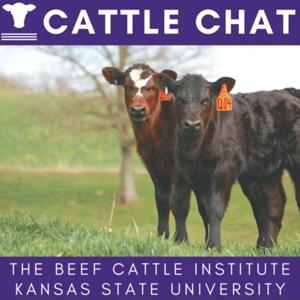
This episode of Cattle Chat focuses on practical management strategies for improving profitability in cow-calf operations, driven largely by listener questions. A major topic centers on how to add value to cull cows, emphasizing that even though calf sales make up most revenue, cull cow income is still significant. Experts discuss options like breeding open cows before sale, combining them into a single group, or simply adding weight through grazing or feeding to improve market value. Timing decisions based on forage availability and market conditions are highlighted as key to maximizing returns.
The conversation then shifts to grazing management, particularly the differences between cool-season and warm-season grasses. While rotational grazing has well-documented benefits in cool-season systems, research shows less consistent improvement in native warm-season pastures. Factors like lower rainfall, reduced fertilizer response, and greater plant diversity may explain why responses differ.
Speakers note that successful grazing management of warm-season systems often requires more flexibility and observation, blending science with practical “art.” Strategies like deferred rotation—changing grazing timing across pastures—may support long-term grass health, even if immediate livestock gains are less obvious. Overall, the discussion emphasizes tailoring decisions to each operation, using observation, records, and adaptability to balance forage productivity, animal performance, and economic outcomes.
Joined by guest Logan Thompson, this episode of BCI Cattle Chat covers a wide range of topics, beginning with updates on current cattle research projects underway during the summer. Researchers discuss ongoing work in areas such as semen evaluation technology, stocker cattle supplementation, grazing system optimization, and respiratory disease investigation. A key theme is how research helps refine management practices over time, even though results often require multiple trials to confirm reliability. The conversation then shifts to a listener question about vitamin A stability, highlighting how vitamin levels can degrade over time—especially in mineral mixes—and emphasizing strategic purchasing and seasonal supplementation.
The team also discusses magnesium supplementation, noting that risk depends heavily on forage type, with cool-season grasses posing the greatest threat for deficiencies like grass tetany. They emphasize tailoring supplementation to specific conditions such as lactation stage and pasture type rather than applying blanket recommendations. Another major topic examines the feasibility of raising cow-calf pairs in confinement systems. While possible, this approach introduces challenges including increased labor, higher feed costs, ventilation requirements, and greater disease risk—especially during calving.
Experts suggest that confinement may work best when used strategically, such as outside of calving season or in combination with grazing systems. Overall, the episode stresses the importance of adapting management decisions to specific operations, balancing economics, animal health, and available resources.
Joined by guest, Logan Thompson, this episode covers a wide range of topics, beginning with updates on current cattle research projects underway during the summer. Researchers discuss ongoing work in areas such as semen evaluation technology, stocker cattle supplementation, grazing system optimization, and respiratory disease investigation. A key theme is how research helps refine management practices over time, even though results often require multiple trials to confirm reliability. The conversation then shifts to a listener question about vitamin A stability, highlighting how vitamin levels can degrade over time—especially in mineral mixes—and emphasizing strategic purchasing and seasonal supplementation.
The team also discusses magnesium supplementation, noting that risk depends heavily on forage type, with cool-season grasses posing the greatest threat for deficiencies like grass tetany. They emphasize tailoring supplementation to specific conditions such as lactation stage and pasture type rather than applying blanket recommendations. Another major topic examines the feasibility of raising cow-calf pairs in confinement systems. While possible, this approach introduces challenges including increased labor, higher feed costs, ventilation requirements, and greater disease risk—especially during calving.
Experts suggest that confinement may work best when used strategically, such as outside of calving season or in combination with grazing systems. Overall, the episode stresses the importance of adapting management decisions to specific operations, balancing economics, animal health, and available resources.
This discussion focuses on how to recognize, evaluate, and manage neurologic (brain-related) cases in cattle. Common clinical signs include stumbling, circling, weakness, apparent blindness, head pressing, and paddling when animals are down, all of which indicate issues affecting the nervous system. Diagnosing these cases begins with key questions about the animal’s age, environment, recent management changes, and how many animals are affected. Neurologic problems may stem from several major categories, including toxins, infectious diseases, and metabolic disorders, with each requiring a different response.
Toxic causes are especially important, with lead exposure being one of the most common, particularly in young, curious animals. Other causes can include sulfur toxicity, water deprivation (salt toxicity), and certain feed or environmental exposures. A thorough physical exam and, when possible, necropsy and lab testing are critical steps in determining the exact cause. The number of animals affected can provide valuable clues, as widespread cases often suggest a shared exposure like a toxin.
The discussion also highlights the importance of water management, especially in summer, emphasizing both water quality and access. Improper rehydration of severely dehydrated cattle can lead to fatal complications, so water must be reintroduced gradually. Overall, early investigation and veterinary involvement are essential to identify the root cause and prevent additional losses within the herd.
This case study from a bovine science discussion examines a sudden and alarming incident in which 12 cows and 2 calves died within 12 hours of routine pre-weaning processing. Initially, the deaths raised concerns about vaccine reactions, toxic exposure, or handling stress, but the pattern of mortality did not align with typical causes. Adult cows, which only received topical parasite treatment, were more affected than calves that received vaccines, further complicating the diagnosis. A necropsy revealed elevated sodium levels in brain tissue, pointing to water deprivation as the underlying issue. Investigation of the environment uncovered that while a water source existed, access had been unintentionally blocked when a gate was left closed during processing. High temperatures and a dry pond exacerbated the situation, leading to rapid dehydration and neurological symptoms in the cattle. Surviving animals displayed abnormal behavior such as aggression, crowding in shade, and signs of severe dehydration. Recovery efforts required carefully controlled rehydration to prevent additional complications like cerebral edema. The case emphasizes the critical importance of ensuring continuous water access, especially when altering animal environments during handling.
Joined by special guest Dr. Lee Jones from Boehringer Ingelheim, this episode focuses on effective heifer development as a foundation for long-term herd success, emphasizing the importance of selecting the right genetics and defining clear production goals.
This conversation explores how early-life management—including colostrum intake, vaccination programs, and nutrition—plays a critical role in building immunity and supporting growth. They highlight key health risks such as bovine viral diarrhea (BVD) and stress the value of customized herd health plans developed with a veterinarian. Reproductive efficiency is another major theme, with strategies to ensure heifers reach puberty on time, breed early, and maintain long-term productivity. The group also evaluates whether heifers should calve at 24 or 30 months, weighing economic and logistical trade-offs. Overall, the conversation underscores that thoughtful planning and consistent management are essential to producing productive, profitable cows.
For more on BCI Cattle Chat, follow us on X at @ksubci, Facebook, and Instagram at @ksubci. Check out our website, ksubci.org. If you have any comments/questions/topic ideas, please send them to [email protected]. Don’t forget, if you enjoy the show, please go give us a rating!
Episode sponsored by Boehringer Ingelheim.
In this episode of BCI Cattle Chat, the hosts discuss recent research on liver abscesses in feedlot cattle, including how diet, grain processing, and days on feed may influence their prevalence and economic impact. They explore new findings suggesting liver abscesses may not be caused solely by rumen acidosis, highlighting the need for more research into other contributing factors and prevention strategies. The conversation then shifts to current cattle market conditions, where the team examines risk management options for cow-calf producers facing high calf prices, drought concerns, and decisions about retaining heifers. They also cover tools like futures contracts and livestock insurance programs that producers can use to manage price volatility heading into the fall.
3:10 Liver Abscess Research
14:37 Cattle Market Risk Management
For more on BCI Cattle Chat, follow us on X at @ksubci, Facebook, and Instagram at @ksubci. Check out our website, ksubci.org. If you have any comments/questions/topic ideas, please send them to [email protected]. You can also email us to sign up for our weekly news blast! Don’t forget, if you enjoy the show, please go give us a rating!
In this episode of Diving Into Diets on Bovine Science with BCI, Dr. Brad White and Dr. Todd Gunderson discuss a 2026 study on the high prevalence of bovine leukemia virus in cow-calf operations, implications for cow reproduction, culling, and calf weight. The conversation concludes there is not a great association between culling risk and pregnancy status associated with the ELISA test.
Read the article here
On this episode of Cattle Chat, the team discusses how Theileria, a tick-borne parasite that destroys red blood cells, requires laboratory testing for confirmation and cannot be diagnosed reliably from visual signs alone. They emphasized that positive test results must be interpreted alongside clinical signs and herd history, since infection does not always mean it was the direct cause of illness or death. The group also explored how larger cows may produce heavier calves but require greater nutritional inputs, making optimal cow size dependent on forage resources and overall production costs. In addition, they highlighted that successful rebreeding of first-calf heifers depends on early calving, proper nutrition, and consistent mineral intake to support recovery and fertility.
3:27 Theileria
9:01 Cow Size
17:53 Heifer Rebreeding
For more on BCI Cattle Chat, follow us on X at @ksubci, Facebook, and Instagram at @ksubci. Check out our website, ksubci.org. If you have any comments/questions/topic ideas, please send them to [email protected]. You can also email us to sign up for our weekly news blast! Don’t forget, if you enjoy the show, please go give us a rating!
From the publisher's feed
Ranked by our users in the last 21 days
126 Listeners
238 Listeners
84 Listeners

425 Listeners
124 Listeners

379 Listeners
73 Listeners
1,370 Listeners

775 Listeners
112 Listeners

995 Listeners

227 Listeners

73 Listeners

1,681 Listeners
22 Listeners