
Sign up to save your podcasts
Or



Based on Podcast App listening data
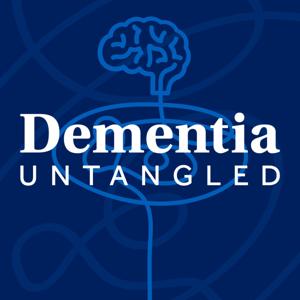
It’s the question we’re all asking – is there a way to avoid developing cognitive impairment? We turn to Dr. Pierre N. Tariot for answers, Banner Alzheimer’s Institute director and a renowned researcher and clinician. No topic is off-limits as we untangle recent scientific findings on the benefits of diet, exercise, sleep, and other lifestyle actions that can help us get healthy, stay healthy, and possibly avoid diseases of the brain, like dementia. He also implores us to try a 6-week challenge to create a habit and take manageable steps toward better brain health.
Don’t wait. Make a plan now for your end-of-life care needs while you’re able to express your wishes. We chat with Barbara Klauser, a licensed clinical social worker with Banner Alzheimer’s Institute, to better understand why it’s so important to have a conversation with our family and make choices about what we want for our health care in the future. Barb helps us untangle exactly what advance directives are, which forms we need to complete, and how to have these sometimes-uncomfortable talks with our loved ones about what we want our legacy to be.
If you’ve ever searched the web for “diet and dementia”, you were probably overwhelmed by the amount of conflicting information in the results. You’re not alone. We asked Dr. Pallavi Joshi from Banner Alzheimer’s Institute to help us untangle it all. She breaks down the difference between eating to help prevent cognitive impairment and eating to slow cognitive decline, and shares with us the single most important dietary factor for both. She also explains the popular diets you have likely heard of and if there really are supplements that can be taken to prevent dementia. Get ready to try some kitchen experimentation to find the best way to incorporate small changes into your lifestyle after this one!
Have you ever thought about donating your body to science? It may seem like a futuristic thought, but not for Dr. Tom Beach, Director of the Banner Sun Health Research Institute Brain and Body Donation Program, and his team. This unique program allows researchers to study the brain and other body tissues after death, looking for the cause of disease, starting with alterations in chemical reactions. Listen in to hear more about the research behind scientific discoveries that propel the search for a cure forward and how you can get involved.
It’s not always easy to talk to children about health concerns or topics we may consider to be “grown-up”, so we asked Geriatrician Dr. Corinne Self & Nurse Practitioner Melissa Koon from ElderHealth to help. We discuss the most common concerns like, the best way to explain dementia to children, when you should talk about it, and what types of emotions and feelings you can expect from your child. Learn how to create a safe space for conversation and how to encourage more meaningful interactions between children and their loved one.
We often talk about ways to live well with dementia, but Roger Marple is doing it every day. Roger is living with Alzheimer’s disease and has reignited his passion for advocacy, using it to spread the word about reducing stigma with empathy and kindness. He works with many organizations across Canada, as well as the World Health Organization to help doctors create a more positive and supportive environment for those who are newly diagnosed by planting a seed of hope and connecting people with community resources. He lovingly reminds us that it is possible to live a meaningful life for some time to come after a diagnosis, and to live the best life you possibly can for as long as you can.
We look back and revisit some of our favorite moments from Season 2, as well as dive a little deeper and untangle the podcast experience of our hosts and editor/producer Amber Ayers. Join Heather, Janice, and Amber as they offer insight into the inspiration behind Dementia Untangled and how our listeners continue to guide our topics and conversations with guests. The team also shares their most inspiring conversations of the season, as well as uncover an underlying theme of “heroes” throughout each episode.
When someone has dementia, it’s fairly common to see changes in their behavior in the late afternoon or early evening, often known as “sundowning”. Dr. Allan Anderson from Banner Alzheimer’s Institute helps us understand the what & why of this syndrome, and how to help alleviate some of the challenging behaviors caregivers may face because of it. He untangles the effects of changes in sleep patterns, degeneration of the brain, and a decrease in neurotransmitters that contribute to the agitated behavior associated with this syndrome. Dr. Anderson also encourages us to share our successes when helping loved ones through it, so that other caregivers and family members can be aware of the issues and the plan of action.
Unique cultures and traditions surround us, built on passion which create a bond that celebrates heritage and history. For the Hispanic and Latino populations, this can often be celebrated with food, family, and music. But they’re also connected by the disproportional rate in which they face Alzheimer’s disease - more than 50% times more likely than non-Hispanic white counterparts. Dr. David Coon and Berta Carbajal from the Center for Innovation in Healthy and Resilient Aging at Arizona State University join the podcast to help untangle the challenges impacting the health disparity and efforts to improve it. Their efforts with the Promotores and fellow educators who assist with outreach, invite community members in to discuss options and learn about the vast support systems that exist.
Scientists are working tirelessly to help find answers to better treat or even prevent Alzheimer’s disease for the millions of Americans facing this devastating illness. Inspired by colleagues, his community, and his passion for science, Dr. Eric M. Reiman set a goal to focus on the prevention of Alzheimer’s disease – but recognized the challenges of tackling it alone. In this episode, he helps us untangle the need for collaboration that manifested through scientific desperation, and partnerships began to form allowing the field collectively to push beyond barriers of any single institution. The new wave of collaboration helped launch a new era of prevention research, giving us a real chance at finding an effective therapy within the next five years.
From the publisher's feed
Ranked by our users in the last 21 days

3,334 Listeners

1,411 Listeners

2,085 Listeners

1,492 Listeners

2,513 Listeners
117 Listeners

719 Listeners
5,459 Listeners

132 Listeners

1,021 Listeners
388 Listeners

18,920 Listeners

47 Listeners
24 Listeners
647 Listeners