
Sign up to save your podcasts
Or

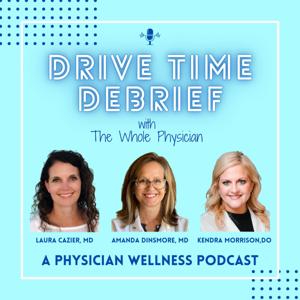


In this episode, hosts Amanda, Laura, and Kendra are thrilled to introduce a very special guest, Maggie Reyes, a renowned life and relationship coach with a knack for helping type A women enhance their marriages.
**Key Points Discussed:**
- **Introduction of Maggie Reyes:** Discover Maggie's unique approach to improving significant other relationships without waiting for the partner's action. Maggie brings a wealth of experience from her training with Esther Perel, the Gottman Institute, Layla Martin, and others. Her work focuses on empowering women in their relationships, utilizing both intuition and evidence-based strategies.
- **The Importance of Relationship Coaching for Physicians:** Maggie shares insights on common pitfalls in relationships for type A personalities, especially those in dual physician households. She emphasizes the need for contextual awareness and adapting skills that are successful in professional settings to personal relationships.
- **Strategies for a Happier Marriage:** Listeners get a sneak peek into Maggie's 12 core values for a fulfilling relationship. From learning to laugh about trivial disagreements to understanding the power of one person to instigate positive changes in a marriage, Maggie covers a broad spectrum of actionable advice.
- **Success Stories and Hope:** Maggie provides encouragement for those feeling stuck in their relationships, sharing success stories from her clients. She highlights the transformative power of mindset changes and practical tools based on cognitive science, neurobiology, and positive psychology.
- **Final Takeaway:** Maggie encourages listeners to start asking themselves what they truly want in their relationships and lives. Identifying and pursuing personal desires can lead to profound changes and fulfillment.
**Connect with Maggie Reyes:** For those interested in learning more about Maggie's work or seeking relationship coaching, visit her website at maggiereyes.com and listen to The Marriage Life Coach podcast.
**Closing Thoughts:** The hosts wrap up the episode by reminding listeners of the importance of self-care and the impact of healthy relationships on overall well-being. For more insights and resources, subscribe to our Weekly Well-Check at www.thewholephysician.com.
**Thank You for Listening!** Remember, you are whole, you are a gift to medicine, and the work you do matters.
Resources:
https://maggiereyes.com
Instagram: @themaggiesreyes
Book: Questions for Couples Journal
The Marriage Life Coach Podcast
Finally,
We at The Whole Physician have a couple of wild notions. Practicing medicine shouldn't be miserable, and true self-care is creating a life you don't have to escape from. If that sounds good, join us for our FREE Feb 15, 2024 class on how to work in the dumpster fire of medicine without getting burned. It's called "What's the ICD-10 Code for Injury Sustained in a Dumpster Fire?" Register here.
To receive our free Weekly Well Check including encouragement and tips for a better life in medicine, click here.
In this episode, we dive deep into the concept of authenticity in relationships, a topic that's often underestimated but crucial for personal and professional growth, especially in the medical field.
**Key Topics Discussed:**
1. **Authenticity and Vulnerability:**
- Discussing Brene Brown's books, "Atlas of the Heart" and "The Gifts of Imperfection," the hosts explore the connection between authenticity and vulnerability in relationships.
- The discussion highlights how authenticity, though uncomfortable, is essential for meaningful connections.
2. **Understanding Love and Trust:**
- Analyzing various definitions of love, including the works of emotions researcher Barbara Fredrickson.
- Emphasizing the importance of nurturing relationships and the role of trust in deepening connections.
3. **Self-Love and Self-Trust:**
- The significance of self-love and trusting oneself, using Brene Brown's BRAVING acronym as a guide.
- Addressing the challenges physicians face in terms of self-criticism and the impact on relationships.
4. **Love, Belonging, and Worthiness:**
- Exploring the innate human need for love and belonging, and the idea of worthiness independent of achievements.
- Discussing the concept of belonging and the difference between fitting in and being authentic.
5. **Overcoming People Pleasing:**
- The dangers of people-pleasing and its impact on genuine connections.
- Understanding the importance of presenting the real version of oneself to foster true belonging and find one's tribe.
6. **Cultivating True Connection:**
- The role of imperfections in creating deep connections and the need to provide a safe space for sharing vulnerabilities.
- The challenge of perfectionism in medical culture and its effect on fostering belonging.
7. **Brene Brown's Three Truths of Love and Belonging:**
- Discussing the uncertainties of love and belonging and the importance of self-relationship.
- The irreducible need for love and belonging from infancy through adulthood.
**Closing Remarks:**
The hosts conclude by encouraging listeners to embrace vulnerability, trust themselves, and show up authentically in relationships. They invite listeners to join their email list at www.thewholephysician.com for more information.
**End Note:**
"Thank you for joining us today. Remember, you are whole, you are a gift to medicine, and the work you do matters."
Finally,
We at The Whole Physician have a couple of wild notions. Practicing medicine shouldn't be miserable, and true self-care is creating a life you don't have to escape from. If that sounds good, join us for our FREE Feb 15, 2024 class on how to work in the dumpster fire of medicine without getting burned. It's called "What's the ICD-10 Code for Injury Sustained in a Dumpster Fire?" Register here.
To receive our free Weekly Well Check including encouragement and tips for a better life in medicine, click here.
In this episode, Amanda, Laura, and Kendra are joined by Jess Holtzworth, a wellness specialist and life coach. Amanda recently had the pleasure of taking one of Jess's classes while at the Miraval Resort in Arizona (and the class was filled with other physicians). They discuss the concept of manifestation and how it can be used to create the life you desire. Jess shares the five steps of manifestation: get clear, feel, believe, act, and trust. She emphasizes the importance of mindset, releasing limiting beliefs, and taking action. The conversation also explores common obstacles to manifestation and provides tips for getting started. Additional resources, including a recommended book and podcast, are shared for further exploration. In this conversation, Jess Holzworth discusses manifestation and its principles. She shares resources for learning more about manifestation, including podcasts and books. Jess also talks about her work with clients and the services she offers. She mentions her website and upcoming manifestation sessions. Finally, the conversation concludes with closing remarks and gratitude for Jess's insights.
Takeaways
Manifestation is the process of using your thoughts, feelings, beliefs, and actions to bring something into your physical reality.
The five steps of manifestation are: get clear, feel, believe, act, and trust.
Obstacles to manifestation include negative self-talk, limiting beliefs, fear, and lack of clarity.
To get started with manifestation, write a manifestation list, create a supportive environment, and practice alpha wave meditation.
Additional resources for learning more about manifestation include Dr. Tara Swart's work on the science behind manifestation.
Chapters
00:00 Introduction and Special Guest
01:22 Discovering Manifestation at Miraval
05:50 Jess's Journey to Becoming a Wellness Specialist
06:11 Understanding Manifestation
07:06 Step 1: Get Clear
07:28 Step 2: Feel
08:25 Step 3: Believe
09:17 Step 4: Act
10:10 Step 5: Trust
31:21 Obstacles to Manifestation
37:15 Examples of Successful Manifestation
38:38 Tips to Get Started with Manifestation
40:18 Additional Resources
40:47 Resources for Manifestation
41:57 Working with Clients
42:27 Future Offerings
42:41 Closing Remarks
Resources:
https://spiritualabode.com/
Insta: @spiritualabode
Joseph Murphy book
Dr. Tara Swart book: The Source
www.thewholephysician.com
In this second part of our podcast series, we delve deeper into the discussion about why resolutions often fail and how forming habits can be a more effective approach. Our guests, physician coaches from The Whole Physician, share their insights and expertise on the topic.
#### Key Topics Discussed
1. **Resolutions vs. Habits:** Exploring why habits are more sustainable and effective than resolutions.
2. **Common Thought Errors:** Addressing and correcting typical misunderstandings related to habit formation.
3. **Book Recommendations:**
- "Atomic Habits" by James Clear
- Other notable books on habits (mentioned in the show)
4. **Self-Control and Discipline:** Understanding how disciplined people structure their lives to avoid relying excessively on willpower.
5. **Self-Acceptance and Compassion:** Emphasizing the importance of self-compassion over self-criticism in habit formation.
6. **Practical Strategies:**
- Structuring the environment for success
- Integrating new habits into daily life
- Time management and planning
7. **Overcoming Perfectionism:** Discussing 'The Perfectionist's Guide to Losing Control' and addressing process perfectionism.
8. **Guests' Personal Insights:** The guests share their experiences and strategies for habit formation and overcoming challenges.
#### Episode Highlights
- **Quotes from 'Atomic Habits':** Insights into how small changes can lead to significant improvements.
- **Personal Experiences:** The guests share their own stories and examples.
- **Advice on Habit Formation:** Concrete tips and strategies for listeners to start forming their own habits.
#### Recommended Resources
- Book: "Atomic Habits" by James Clear
- Book: "Tiny Habits" by BJ Fogg
- Book: "The Perfectionist's Guide to Losing Control"
#### Call to Action
Listeners are encouraged to reflect on their own habits and consider reaching out for coaching or support if needed. The guests offer a free "physician wellness triage" session and have CME courses and coaching available on their website, www.thewholephysician.com.
#### Closing Remarks
The episode concludes with a powerful message about the importance of self-compassion, authenticity, and seeking support when needed.
Special episode featuring Dr. Andrea Austin and the Whole Physician team
- Discussion topic: Habits and Resolutions
**Guest Introduction:**
- Dr. Andrea Austin introduces the guests: Laura, Amanda, and Kendra from the Whole Physician
- Background of Whole Physician: Emergency physicians, burnout survivors, and coaches for doctors
- Mission: Helping physicians practice medicine sustainably and happily
**Discussion:**
1. **New Year Resolutions and Their Challenges:**
- Common failures in resolutions and alternatives
- Importance of understanding personal goals and values
- Discussion on setting realistic and value-aligned goals
2. **Overcoming Perfectionism and All-or-Nothing Thinking:**
- The problem with extreme goal setting
- Strategies for setting achievable, incremental goals
- Focus on self-compassion and realistic expectations
3. **Building Habits and Identifying Thought Errors:**
- Addressing common thought errors like catastrophizing and dichotomous thinking
- Importance of recognizing and working through negativity bias
- Tips for establishing and maintaining new habits
4. **Mindset Shifts and Self-Compassion:**
- The role of self-love in achieving goals
- Strategies for maintaining commitments to oneself
- Avoiding the trap of "arrival fallacy" in goal setting
5. **Enjoying the Journey, Not Just the Destination:**
- Emphasis on appreciating the process of achieving goals
- The concept of 'arrival fallacy' and its impact
- Inspirational anecdote from Zen and the Art of Motorcycle Maintenance about enjoying the journey
**Conclusion:**
- Summarization of key points discussed
- Encouragement and positive affirmations for listeners
- Closing remarks and preview of Part Two of the discussion
**Special Mention:**
- The Whole Physician podcast "Drive Time Debrief"
- Their role as strategic partners with Revitalize
**Ending Note:**
- Reminder of the importance of self-care and balance in life
- Sign off with a message of encouragement and acknowledgment of the value of physicians in medicine
Summary
Dr. Laura Fortner, a board-certified OBGYN and medical malpractice coach, joins the podcast to discuss memory reconsolidation. She shares her personal experience of going through a 10-year medical malpractice case and how it led her to explore memory reconsolidation as a healing technique. Memory reconsolidation is a process that can change the psychological and emotional response to traumatic events. Dr. Fortner explains the different techniques used in memory reconsolidation and emphasizes the importance of seeking help for trauma-related experiences. She also discusses the need for reform in the medical malpractice system and offers resources for those interested in trying memory consolidation.
Takeaways
Memory reconsolidation is a process that can change the psychological and emotional response to traumatic events.
Memory reconsolidation can be helpful in situations such as medical malpractice cases, bad outcomes, and peer review processes.
There are different techniques for memory reconsolidation, including EMDR and working on changing the emotion associated with the memory.
It is important to seek help from a trained professional who is knowledgeable about memory reconsolidation.
Memory reconsolidation can provide healing and peace for physicians who have experienced trauma.
Chapters
00:00 Introduction and Guest Introduction
01:17 Background and Motivation for Memory Reconsolidation
03:19 Discussion on the Duration of Medical Malpractice Cases
04:35 Introduction to Med Mal Coaching and Memory Reconsolidation
07:31 Explanation of Memory Reconsolidation
10:54 Examples of Situations Where Memory Consolidation is Helpful
16:00 Different Techniques for Memory Reconsolidation
20:45 Process of Memory Reconsolidation Session
25:53 Contraindications and Precautions for Memory Reconsolidation
31:22 Next Steps for Trying Memory Consolidation
35:53 Closing Thoughts and Call to Action
Dr. Laura Fortner's Website: themedmalcoach.com
**Introduction:**
- Welcome and introduction by hosts Amanda, Laura, and Kendra.
- Introduction of special guest Dr. Santi Tanikella, a board-certified pediatrician, integrative medicine specialist, coach, and Reiki practitioner.
---
**Guest Introduction:**
- Dr. Santi Tanikella shares her background.
- Education: Medical school at Drexel University, residency at the Children's Hospital at Montefiore.
- Current Practice: General pediatrics and pediatric integrative medicine in Pennsylvania.
- Virtual coaching and teaching of mind-body therapies.
---
**Discussion Topics:**
1. **Meditation:**
- Definition and historical context.
- Meditation as part of mind-body therapies.
- Use of meditation in healthcare for relaxation and stress reduction.
2. **Incorporating Meditation into Busy Lives:**
- Benefits of meditation for busy individuals.
- Simple ways to incorporate meditation into daily routines.
- Meditation's role in organizing thoughts and identifying emotional triggers.
3. **Different Forms of Meditation:**
- Addressing difficulties in meditation.
- Alternatives like yoga, Tai Chi, Qigong, guided imagery, and biofeedback.
- Personalizing meditation practices.
4. **Practical Application and Tips:**
- 'Elevator meditation' and other quick meditation practices.
- The importance of presence in patient interactions.
- Dr. Tanikella's experiences with mindfulness and meditation.
5. **Guided Meditation Session:**
- A brief guided meditation led by Dr. Tanikella.
6. **Dr. Tanikella's Meditation Course:**
- Introduction to her self-paced meditation course "Calm and Empowered".
- Discussion about the content and benefits of the course.
7. **Utilizing Meditation in Clinical Settings:**
- Application of meditation before medical procedures.
- Comparing guided imagery with conventional medication like midazolam.
8. **Concluding Thoughts:**
- Holiday stress and the role of gratitude and deep breathing.
- Encouragement for continuous practice and adaptation of mindfulness skills.
---
**Closing Remarks:**
- Thanking Dr. Tanikella for her insights and contributions.
- Reminder to subscribe to the email list and visit the website for more information.
---
**Links and Resources:**
- Dr. Santi Tanikella’s Website: https://www.iamwellmd.com/
- Meditation Course: "Calm and Empowered" on https://www.iamwellmd.com/
- Podcast Website: www.thewholephysician.com
Welcome to another episode of our podcast. Today, we're thrilled to have Dr. Amy Vertrees, a seasoned surgeon, coach, author, and podcast host, join us. Dr. Vertrees brings a wealth of experience and wisdom, especially in helping surgeons rediscover their passion for surgery and manage professional complications with grace and confidence.
**Key Highlights:**
1. **Dr. Amy Vertrees' Background:**
- Dr. Vertrees shares her unique journey through the only military medical school, her service as an officer in the army, and experiences from her deployments to Afghanistan and Iraq.
- Insights into her transition from employed surgeon to private practice for autonomy, and her motivations behind starting the BOSS (Business of Surgery Series) podcast.
2. **Addressing Professional Complications:**
- Dr. Vertrees emphasizes the importance of accepting and dealing with medical complications, a common challenge among physicians.
- She discusses reframing our perspective on complications and failures, focusing on learning and improvement rather than self-criticism.
3. **Coping with Perfectionism and Self-Compassion:**
- The conversation delves into dealing with the inherent perfectionism in the medical field, and the need for self-compassion and understanding in the face of complications.
- Strategies for maintaining a healthy perspective and balance when dealing with professional challenges.
4. **Imposter Syndrome and Self-Confidence:**
- Dr. Vertrees shares insights on overcoming imposter syndrome and building genuine self-confidence, differentiating it from mere competence.
- She also discusses the role of self-criticism in professional growth and the importance of being kind to oneself.
5. **Closing Thoughts:**
- Dr. Vertrees reiterates the value of embracing imperfection in the medical profession and the need for systemic changes to support physicians.
- Final words of wisdom and encouragement for all medical professionals.
**Resources Mentioned:**
- Dr. Amy Vertrees' Podcast: BOSS (Business of Surgery Series)
- BOSS podcast episode 99
- Dr. Vertrees' Book: Become the BOSS MD: Success Beyond Residency
- Upcoming Free Class: "Overcoming Over Whatevering" - December 27th at noon central.
**Connect with Dr. Amy Vertrees:**
- Website: bossurgery.com
**Closing Remarks:**
Thank you for joining us for this enlightening conversation with Dr. Amy Vertrees. Remember, your work in medicine is invaluable, and embracing imperfection is key to thriving both personally and professionally.
Introduction:
Main Discussion:
Strategies to Combat Work Dread:
Conclusion:
Additional Resources:
Closing Message: "You are whole. You are a gift to medicine, and the work you do matters."
---
Podcast Show Notes: Understanding Vicarious Trauma in Healthcare Professionals
Episode Overview:
Join Amanda, Laura, and Kendra as they delve into the critical topic of vicarious trauma in healthcare workers with their guest, Leticia Vaca Williams, a therapist, speaker, and owner of Urban Health Group. This episode explores the impact of vicarious trauma on healthcare professionals, especially ER physicians, and discusses the importance of addressing mental health in the medical community.
Key Points Discussed:
Introduction:
- Hosts: Amanda, Laura, Kendra
- Guest: Leticia Vaca Williams, a trauma specialist and owner of Urban Health Group
- Topic: Vicarious trauma and its impact on healthcare workers
Understanding Vicarious Trauma:
- **Leticia** explains vicarious trauma as an emotional response experienced by healthcare workers due to their exposure to traumatic events.
- **Kendra** reflects on recognizing vicarious trauma and the importance of naming and addressing it.
Leticia's Background and Approach:
- **Leticia** shares her journey, influenced by her family's challenges in accessing quality healthcare, leading her to specialize in social work and trauma therapy.
- She emphasizes the gap in support beyond hospital walls, leading to the creation of Urban Health Group.
The Toll of Vicarious Trauma:
- **Leticia** highlights the significant toll vicarious trauma takes on physicians, including effects on personal life, quality of care, and increased risk of substance abuse and mental health issues.
- The conversation covers the stigma around seeking mental health support within the medical community.
Tools and Techniques for Managing Trauma:
- **Leticia** discusses psychoeducation, mindfulness, and EMDR therapy.
- Importance of recognizing individual trauma responses and incorporating self-care into daily routines is emphasized.
Addressing Systemic Issues:
- **Laura** and **Leticia** discuss systemic issues in healthcare exacerbating trauma, including organizational support and infrastructure changes.
- The conversation covers overcoming the stigma of seeking mental health support in the medical profession.
EMDR Therapy and Group Healing:
- **Leticia** explains the process and benefits of EMDR therapy for treating recent and historical traumatic events.
- The concept of group healing and community support in therapy is explored.
EMDR in Detail:
- **Amanda** asks about EMDR and its applications.
- **Leticia** explains EMDR's reliance on the body’s wisdom to process emotional disturbances and the technique’s efficacy in various scenarios.
Real-life Applications of EMDR:
- **Leticia** provides examples of EMDR’s effectiveness in treating emotional responses related to specific medical procedures or events.
- Discussion on how EMDR can help healthcare professionals who feel emotionally hijacked or reactive in certain situations.
Getting in Touch with Leticia:
- **Leticia** shares ways to contact Urban Health Group for support, highlighting their responsive approach and willingness to provide information or referrals.
Episode Conclusion:
The discussion with Leticia Vaca Williams sheds light on the often-overlooked issue of vicarious trauma among healthcare workers, particularly ER physicians. The episode underscores the importance of acknowledging and addressing this trauma, both at an individual and systemic level, and highlights the critical role of mental health care in maintaining a healthy, functioning healthcare workforce.
Resources:
- Urban Health Group: Providing healthcare navigation and mental health support.
- EMDR Therapy: A specialized therapy technique for trauma treatment.
Additional Information:
- **Amanda** acknowledges the potential of EMDR therapy to help healthcare professionals dealing with specific triggers or emotional responses.
- **Leticia** confirms the efficacy of EMDR in various emotional disturbances and encourages healthcare professionals to seek support for their well-being.
Sign Up to receive our Weekly Well-Check here
From the publisher's feed

43,839 Listeners

1,865 Listeners

2,055 Listeners

5,135 Listeners

2,443 Listeners

111,852 Listeners

1,156 Listeners

7,978 Listeners

14,360 Listeners
226 Listeners

1,608 Listeners

19,155 Listeners
268 Listeners
40 Listeners

12,428 Listeners