
Sign up to save your podcasts
Or

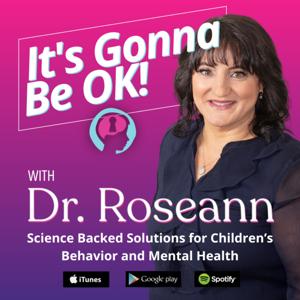

When meltdowns hit, parents often wonder what’s normal—and what happens when the brain goes offline under stress. In this episode, Dr. Roseann Capanna-Hodge, expert in Regulation First Parenting™ and childhood emotional dysregulation, explains how calming the brain first transforms behavior and builds resilience.
Every child melts down. Every parent wonders, Is this normal… or is something deeper going on? When you understand what happens when the brain goes offline, everything shifts—from frustration to clarity, from punishment to healing.
Let me break down the difference between regulated and dysregulated behavior, explain why the thinking brain goes offline under stress, and show you how calming the nervous system first creates the foundation for real, lasting change.
What’s the difference between regulated and dysregulated behavior in kids?
A regulated child still gets upset. They may cry, argue, or feel angry—but their nervous system allows recovery. They can accept comfort, use age-appropriate coping skills, and return to baseline within a reasonable time.
Regulated doesn’t mean calm. It means recoverable.
A dysregulated child, on the other hand, struggles to bounce back. You may notice:
What’s normal emotional dysregulation—and when should I worry?
All kids experience temporary nervous system overload—especially when routines shift, stress rises, or their beliefs challenged moments leave them feeling unsure or unsafe.
Normal dysregulation looks like:
The key word? Temporary. The nervous system bounces back.
You may want to explore further when:
This isn’t a discipline issue. It’s a regulation capacity issue.
Yelling less and staying calm isn’t about being perfect—it’s about having the right tools.
Join the Dysregulation Insider VIP list and get your FREE Regulation Rescue Kit, designed to help you handle oppositional behaviors without losing it.
Download it now at www.drroseann.com/newsletter
What happens when the brain goes offline during a meltdown?
This is where everything makes sense. When stress overwhelms the nervous system, the sympathetic nervous system activates the fight or flight response.
Stress hormones rise. Heart rate increases. Blood flow shifts away from the prefrontal cortex—the thinking brain responsible for rational thinking and problem-solving.
In simple terms? The emotional brain takes over.
The brain shuts down access to logic. The child is in survival mode. They’re not choosing to misbehave. Their brain is protecting them.
When the brain called survival centers activate:
That’s why talking doesn’t work but remember—behavior is communication.
Why does my child overreact to small triggers?
When a child lives in chronic stress, trauma responses can develop. Their nervous system stays on high alert. Even minor triggers feel threatening.
Research shows that when stress hormones stay elevated:
Most people don’t realize that repeated dysregulation reshapes the human brain’s survival mechanism. The child isn’t trying to fight you—they’re trying to feel safer in their world.
Ask yourself: Is my child regulated enough to behave right now?
That single shift changes everything.
How do I help my child when their brain shuts down?
Let’s calm the brain first. When the brain goes offline, teaching won’t land. You regulate first, teach second.
What helps:
You don’t eliminate dysregulation. You increase resilience.
🗣️ “Regulated doesn’t mean calm—it means recoverable.” — Dr. Roseann
Takeaway & What’s Next
Understanding what happens when the brain goes offline explains so much. Dysregulated behavior is normal—until it’s persistent and interfering with life.
When you shift from control to regulation, you change your child’s ability to heal, grow, and feel safe.
If you want structured daily support, join the Regulated Child Summit. It delivers short, actionable tools straight to your inbox—no overwhelm, just practical steps.
And if you need quick support, Quick CALM gives you step-by-step strategies to regulate fast.
FAQs
Why does my child seem unable to think during a meltdown?
When stress activates fight or flight, blood flow shifts away from the prefrontal cortex. Rational thinking becomes temporarily unavailable.
Is emotional dysregulation always trauma?
No. Trauma can contribute, but stress, transitions, illness, or developmental stages can also trigger nervous system overload.
Can dysregulation lead to anxiety or depression?
Chronic nervous system stress may increase risk for anxiety and depression symptoms over time.
Every child’s journey is different. That’s why cookie-cutter solutions don’t work.
Take the free Solution Matcher Quiz and get a customized path to support your child’s emotional and behavioral needs—no guessing, no fluff.
Start today at www.drroseann.com/help
 View all episodes
 By Dr. Roseann Capanna Hodge

4.9
9191 ratings
When meltdowns hit, parents often wonder what’s normal—and what happens when the brain goes offline under stress. In this episode, Dr. Roseann Capanna-Hodge, expert in Regulation First Parenting™ and childhood emotional dysregulation, explains how calming the brain first transforms behavior and builds resilience.
Every child melts down. Every parent wonders, Is this normal… or is something deeper going on? When you understand what happens when the brain goes offline, everything shifts—from frustration to clarity, from punishment to healing.
Let me break down the difference between regulated and dysregulated behavior, explain why the thinking brain goes offline under stress, and show you how calming the nervous system first creates the foundation for real, lasting change.
What’s the difference between regulated and dysregulated behavior in kids?
A regulated child still gets upset. They may cry, argue, or feel angry—but their nervous system allows recovery. They can accept comfort, use age-appropriate coping skills, and return to baseline within a reasonable time.
Regulated doesn’t mean calm. It means recoverable.
A dysregulated child, on the other hand, struggles to bounce back. You may notice:
What’s normal emotional dysregulation—and when should I worry?
All kids experience temporary nervous system overload—especially when routines shift, stress rises, or their beliefs challenged moments leave them feeling unsure or unsafe.
Normal dysregulation looks like:
The key word? Temporary. The nervous system bounces back.
You may want to explore further when:
This isn’t a discipline issue. It’s a regulation capacity issue.
Yelling less and staying calm isn’t about being perfect—it’s about having the right tools.
Join the Dysregulation Insider VIP list and get your FREE Regulation Rescue Kit, designed to help you handle oppositional behaviors without losing it.
Download it now at www.drroseann.com/newsletter
What happens when the brain goes offline during a meltdown?
This is where everything makes sense. When stress overwhelms the nervous system, the sympathetic nervous system activates the fight or flight response.
Stress hormones rise. Heart rate increases. Blood flow shifts away from the prefrontal cortex—the thinking brain responsible for rational thinking and problem-solving.
In simple terms? The emotional brain takes over.
The brain shuts down access to logic. The child is in survival mode. They’re not choosing to misbehave. Their brain is protecting them.
When the brain called survival centers activate:
That’s why talking doesn’t work but remember—behavior is communication.
Why does my child overreact to small triggers?
When a child lives in chronic stress, trauma responses can develop. Their nervous system stays on high alert. Even minor triggers feel threatening.
Research shows that when stress hormones stay elevated:
Most people don’t realize that repeated dysregulation reshapes the human brain’s survival mechanism. The child isn’t trying to fight you—they’re trying to feel safer in their world.
Ask yourself: Is my child regulated enough to behave right now?
That single shift changes everything.
How do I help my child when their brain shuts down?
Let’s calm the brain first. When the brain goes offline, teaching won’t land. You regulate first, teach second.
What helps:
You don’t eliminate dysregulation. You increase resilience.
🗣️ “Regulated doesn’t mean calm—it means recoverable.” — Dr. Roseann
Takeaway & What’s Next
Understanding what happens when the brain goes offline explains so much. Dysregulated behavior is normal—until it’s persistent and interfering with life.
When you shift from control to regulation, you change your child’s ability to heal, grow, and feel safe.
If you want structured daily support, join the Regulated Child Summit. It delivers short, actionable tools straight to your inbox—no overwhelm, just practical steps.
And if you need quick support, Quick CALM gives you step-by-step strategies to regulate fast.
FAQs
Why does my child seem unable to think during a meltdown?
When stress activates fight or flight, blood flow shifts away from the prefrontal cortex. Rational thinking becomes temporarily unavailable.
Is emotional dysregulation always trauma?
No. Trauma can contribute, but stress, transitions, illness, or developmental stages can also trigger nervous system overload.
Can dysregulation lead to anxiety or depression?
Chronic nervous system stress may increase risk for anxiety and depression symptoms over time.
Every child’s journey is different. That’s why cookie-cutter solutions don’t work.
Take the free Solution Matcher Quiz and get a customized path to support your child’s emotional and behavioral needs—no guessing, no fluff.
Start today at www.drroseann.com/help

1,331 Listeners

963 Listeners
2,061 Listeners
4,844 Listeners
1,473 Listeners

4,946 Listeners

3,470 Listeners

9,194 Listeners

150 Listeners

1,888 Listeners
4,524 Listeners

20,222 Listeners
373 Listeners
75 Listeners

1,204 Listeners