
Sign up to save your podcasts
Or

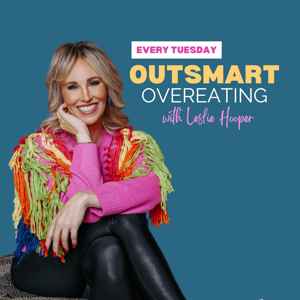

Have you ever noticed that you can go to bed at night feeling one way about your body, only to wake up the next morning and feel completely different? This is something to get curious about because the size of our bodies doesn't change in this period of time, but how we FEEL about our bodies does. If our body isn't different, then what's really going on? Few people are immune from having "bad body" days. The culture we live in assigns moral (and health) value based on how our body presents to the world. We are socialized to ignore, suppress, or numb our feelings, especially the uncomfortable, messy or "unacceptable" ones. Living in a culture that reinforces weight stigma at every turn teaches us that we can and should control the size of our bodies and that failure to do so is a sign of weakness or poor character. Participating in diet culture changes our relationship with ourselves, our bodies, and food, and over time we lose access to the language to describe our emotional world and adopt the language of food and fat. So when uncomfortable feelings arise, our body becomes the scapegoat. Instead of feeling angry, we scrutinize our body. Instead of feeling anxious about the big deadline at work, we feel more body shame. Instead of feeling sad because we had a terrible fight with our partner, we think about a plan to change our body. We can do this very differently. Join co-coach, Steph Miramontes, and me for today's episode of the Fat Murder Podcast to learn how to skillfully navigate bad body days without becoming self destructive.
 View all episodes
 By Leslie Hooper

4.5
8888 ratings
Have you ever noticed that you can go to bed at night feeling one way about your body, only to wake up the next morning and feel completely different? This is something to get curious about because the size of our bodies doesn't change in this period of time, but how we FEEL about our bodies does. If our body isn't different, then what's really going on? Few people are immune from having "bad body" days. The culture we live in assigns moral (and health) value based on how our body presents to the world. We are socialized to ignore, suppress, or numb our feelings, especially the uncomfortable, messy or "unacceptable" ones. Living in a culture that reinforces weight stigma at every turn teaches us that we can and should control the size of our bodies and that failure to do so is a sign of weakness or poor character. Participating in diet culture changes our relationship with ourselves, our bodies, and food, and over time we lose access to the language to describe our emotional world and adopt the language of food and fat. So when uncomfortable feelings arise, our body becomes the scapegoat. Instead of feeling angry, we scrutinize our body. Instead of feeling anxious about the big deadline at work, we feel more body shame. Instead of feeling sad because we had a terrible fight with our partner, we think about a plan to change our body. We can do this very differently. Join co-coach, Steph Miramontes, and me for today's episode of the Fat Murder Podcast to learn how to skillfully navigate bad body days without becoming self destructive.

2,200 Listeners

21,141 Listeners

14,917 Listeners

709 Listeners

244 Listeners
7,507 Listeners
774 Listeners

27,806 Listeners
878 Listeners

19,650 Listeners
623 Listeners
608 Listeners

613 Listeners

19 Listeners
109 Listeners