
Sign up to save your podcasts
Or

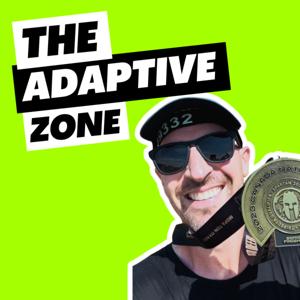


In this episode of the Adaptive Zone podcast, Matthew Boyd discusses his goal-setting process for 2025, focusing on distributing energy across four key areas: health, wealth, contribution, and connection. He reflects on his experiences from the previous year, sharing insights on maintaining health, managing business growth, contributing to the community, and nurturing personal relationships. Matthew emphasizes the importance of setting realistic and balanced goals, and he outlines a tactical approach to achieving them, including regular reviews and focusing on fewer, more impactful objectives.
Chapters
00:00 Introduction to Goal Setting for 2025
01:10 The Four Buckets of Life: Health, Wealth, Contribution, Connection
03:57 Reflecting on Past Goals and Setting New Ones
08:19 Health Goals: Maintaining Balance and Overcoming Challenges
10:38 Wealth Goals: Investing in the Business
14:39 Contribution Goals: Helping Runners and Making an Impact
16:56 Connection Goals: Nurturing Relationships
19:10 Final Thoughts on Goal Setting and Future Plans
Duchetto (2024) Can Foot Orthoses Benefit Symptomatic Runners? Mechanistic and Clinical Insights Through a Scoping Review
If you’re an injured runner we can help you get back to running pain-free.
Click the link to book a free call with us
https://matthewboydphysio.com/booking/
Running Fundamentals Course
https://matthewboydphysio.com/running-fundamentals-course/
https://www.instagram.com/matthewboydphysio/
Summary
This episode explores the role of insoles and orthotics in running, discussing their purpose, historical context, and current research findings.
Matthew Boyd delves into how orthotics are used to improve alignment and prevent injuries, the shift in professional attitudes towards their use, and the latest evidence regarding their effectiveness for various running-related injuries.
He emphasizes that while orthotics can be beneficial for specific conditions, their prophylactic use is not supported by current research.
Takeaways
If you’re an injured runner we can help you get back to running pain-free.
Click the link to book a free call with us
https://matthewboydphysio.com/booking/
Running Fundamentals Course
https://matthewboydphysio.com/running-fundamentals-course/
https://www.instagram.com/matthewboydphysio/
Summary
In this episode, Matthew Boyd discusses strategies for improving marathon performance by identifying and addressing specific constraints that runners face. The discussion is framed around the experience of a client, Eric, who is looking to improve his marathon time after completing his first race.
Mat emphasizes the importance of understanding one's limitations, whether they be muscular endurance, energy levels, or breathing capacity, and provides actionable insights on how to target these areas in training. He outlines a structured approach to training that focuses on overcoming these constraints to achieve better race results.
Takeaways
Connect with Tyler Eng:
Summary
In this episode of the Adaptive Zone podcast, Matthew Boyd and Tyler Eng discuss the concept of exercise dosage, particularly in relation to running and rehabilitation.
They explore how exercise can be viewed as medicine, emphasizing the importance of individualized dosage to prevent injuries and promote recovery.
Tyler shares a case study of a runner with Achilles pain, illustrating how adjusting the dosage of running and rehabilitation exercises can lead to successful outcomes.
The episode highlights the need for careful monitoring and adjustment of exercise dosage to ensure effective training and rehabilitation.
Takeaways
Chapters
Connect with Us:
If you’re an injured runner we can help you get back to running pain-free.
Book a free call with us:
https://matthewboydphysio.com/booking/
Running Fundamentals Course:
https://matthewboydphysio.com/running-fundamentals-course/
Instagram:
https://www.instagram.com/matthewboydphysio/
If you’re an injured runner we can help you get back to running pain-free.
Click the link to book a free call with us
https://matthewboydphysio.com/booking/
Running Fundamentals Course
https://matthewboydphysio.com/running-fundamentals-course/
https://www.instagram.com/matthewboydphysio/
Summary
In this episode, Matthew Boyd discusses the complexities surrounding meniscal tears and the considerations for surgery versus rehabilitation.
He emphasizes that many individuals with meniscal tears do not experience pain, and that surgery may not always be the best option. Recent research indicates that physical therapy can be just as effective as surgical intervention for managing knee pain associated with meniscal tears.
Boyd encourages listeners to explore rehabilitation options before considering surgery, highlighting the importance of comprehensive rehab programs.
Takeaways
If you’re an injured runner we can help you get back to running pain-free.
Click the link to book a free call with us
https://matthewboydphysio.com/booking/
Running Fundamentals Course
https://matthewboydphysio.com/running-fundamentals-course/
https://www.instagram.com/matthewboydphysio/
Summary
In this episode, Matthew Boyd discusses the common issue of running injuries, emphasizing that most injuries are repetitive stress injuries caused by training. He outlines three critical components for injury prevention: building muscular strength, strengthening the structures (tendons, ligaments, etc.), and refining running technique.
Boyd introduces the concept of the 'adaptive runner,' who understands how to manage their training to prevent injuries and maintain a lifelong running practice.
Takeaways
If you’re an injured runner we can help you get back to running pain-free.
Click the link to book a free call with us
https://matthewboydphysio.com/booking/
Running Fundamentals Course
https://matthewboydphysio.com/running-fundamentals-course/
https://www.instagram.com/matthewboydphysio/
Summary
Many runners question whether their rehab exercises are actually effective in helping them recover from injuries and get back to running. This is a common concern, as runners often receive generic exercises that may not address their specific needs.
One client, Steven, experienced knee pain that progressively worsened, impacting his ability to run and leading to weight gain and decreased activity. He had been told to take up low-impact activities like cycling or rowing, which was not a satisfactory solution for a runner.
Steven had lost faith in physical therapy due to previous experiences with ineffective exercises. However, when he consulted with Matthew Boyd, a different approach was taken. Matthew emphasized the importance of building strength and power in the muscles to absorb the high impact forces of running.
Steven followed a progressive strength program that included bodyweight exercises, dumbbell work, and plyometric exercises. Over the course of three months, Steven regained his ability to run five times a week and is now preparing for a 10K race.
The key takeaway is that rehab exercises should be challenging and make you feel stronger. If they are too easy, they may not be effective in helping you recover.
Takeaways
Connect with Mike James:
Instagram: @the_endurance_physio
Summary
In this episode, Matthew Boyd interviews Mike James, an endurance physiotherapist, about the reasons why rehab for running injuries may not go well. They touch on the role of patience, the potential pitfalls of underloading or overloading, and the importance of setting realistic timelines for recovery. Overall, the episode emphasizes the need for a personalized and tailored approach to rehab for running injuries.
Mat and Mike focus on the importance of communication, collaboration, and specificity in rehab and running guidance for runners. They emphasize the need for runners to be involved in the planning process, have a clear understanding of their rehab program, and have realistic expectations of the timeline for recovery.
The episode also highlights the need for therapists to provide detailed and specific exercise prescriptions, tailored to the individual runner's needs. It warns against cookie-cutter approaches and emphasizes the importance of individualized care.
Takeaways
Connect with Us:
If you’re an injured runner we can help you get back to running pain-free.
Book a free call with us:
https://matthewboydphysio.com/booking/
Running Fundamentals Course:
https://matthewboydphysio.com/running-fundamentals-course/
Instagram:
https://www.instagram.com/matthewboydphysio/
The Knee Pain Video that Miranda referenced:
https://matthewboydphysio.com/runners-knee-masterclass/
Connect with Us:
If you’re an injured runner we can help you get back to running pain-free.
Book a free call with us:
https://matthewboydphysio.com/booking/
Running Fundamentals Course:
https://matthewboydphysio.com/running-fundamentals-course/
Instagram:
https://www.instagram.com/matthewboydphysio/
Summary
Miranda Phillips, a runner who had experienced multiple injuries and surgeries, shares her journey of getting back into running with the help of the Fix My Running coaching program.
She initially turned to running as a way to escape and clear her head after having children. However, she started experiencing knee and ankle injuries that hindered her running progress.
Miranda reached out to Mat after seeing an ad on Facebook and decided to give it a shot, despite feeling skeptical. With the guidance and support of the Fix My Running program, Miranda was able to overcome setbacks, adjust her training, and build her running endurance.
She now feels confident and optimistic about her running future, with goals of running a half marathon and continuing to improve her speed.
Takeaways
If you’re an injured runner we can help you get back to running pain-free.
Click the link to book a free call with us
https://matthewboydphysio.com/booking/
Running Fundamentals Course
https://matthewboydphysio.com/running-fundamentals-course/
https://www.instagram.com/matthewboydphysio/
Summary
In this episode, Matthew Boyd discusses the often-overlooked role of running shoes in injury prevention and recovery. He emphasizes that while shoes are a factor, they are not the most critical element in ensuring pain-free running.
Instead, he highlights the importance of resilience, muscular strength, and biomechanics, structured in a priority pyramid. Boyd argues that runners should focus on building resilience and strength before worrying about the specifics of their footwear.
He also addresses when shoes might matter and encourages runners to seek help for injuries by focusing on the underlying components rather than just the shoes.
Takeaways
From the publisher's feed

11,782 Listeners
1,344 Listeners

111,868 Listeners

698 Listeners

7,997 Listeners
303 Listeners
137 Listeners

263 Listeners
1,875 Listeners

5,554 Listeners

29,187 Listeners

1,190 Listeners
164 Listeners
365 Listeners
42 Listeners