
Sign up to save your podcasts
Or

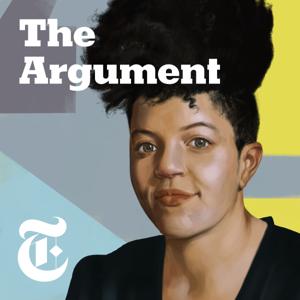

From Amazon and Starbucks to large media companies, unionization has become a siren call for workers — white- and blue-collar — fighting for rights and fair wages. But in 2022, after two years of a pandemic, how have our ideas about unions changed? And are Democrats, the so-called party of the unions, still allies in the fight for workers’ rights?
On today’s episode of “The Argument,” Jane Coaston asks two leading labor voices in America to debate the current role of unions, how the watershed vote at an Amazon warehouse is changing their work and whether Democrats have failed workers.
Liz Shuler is the president of the A.F.L.-C.I.O. Jane McAlevey is an organizer and a campaign strategist and the author of the recent book “A Collective Bargain: Unions, Organizing and the Fight for Democracy.”
“People used to say, ‘It’s the economy, stupid.’ It’s the base, stupid, in my argument,” McAlevey says, emphasizing the need for unions and large organizations like the A.F.L.-C.I.O. to learn from Amazon and focus on bringing more workers into the fold. “If we don’t return to bottom-up organizing, we’re simply not going to have the political muscle to force Democrats and Republicans to do that which they must: to honor the essential workers coming out of this pandemic.”
What’s your take on unions? How do you think unions should capitalize on this moment? We want to hear from you. Share your thoughts in the comments on The New York Times website once you’ve listened to the debate.
Mentioned in this episode:
(A full transcript of the episode will be available midday on the Times website.)
Unlock full access to New York Times podcasts and explore everything from politics to pop culture. Subscribe today at nytimes.com/podcasts or on Apple Podcasts and Spotify.
 View all episodes
 By New York Times Opinion


2.8
2727 ratings
From Amazon and Starbucks to large media companies, unionization has become a siren call for workers — white- and blue-collar — fighting for rights and fair wages. But in 2022, after two years of a pandemic, how have our ideas about unions changed? And are Democrats, the so-called party of the unions, still allies in the fight for workers’ rights?
On today’s episode of “The Argument,” Jane Coaston asks two leading labor voices in America to debate the current role of unions, how the watershed vote at an Amazon warehouse is changing their work and whether Democrats have failed workers.
Liz Shuler is the president of the A.F.L.-C.I.O. Jane McAlevey is an organizer and a campaign strategist and the author of the recent book “A Collective Bargain: Unions, Organizing and the Fight for Democracy.”
“People used to say, ‘It’s the economy, stupid.’ It’s the base, stupid, in my argument,” McAlevey says, emphasizing the need for unions and large organizations like the A.F.L.-C.I.O. to learn from Amazon and focus on bringing more workers into the fold. “If we don’t return to bottom-up organizing, we’re simply not going to have the political muscle to force Democrats and Republicans to do that which they must: to honor the essential workers coming out of this pandemic.”
What’s your take on unions? How do you think unions should capitalize on this moment? We want to hear from you. Share your thoughts in the comments on The New York Times website once you’ve listened to the debate.
Mentioned in this episode:
(A full transcript of the episode will be available midday on the Times website.)
Unlock full access to New York Times podcasts and explore everything from politics to pop culture. Subscribe today at nytimes.com/podcasts or on Apple Podcasts and Spotify.

8,908 Listeners

6,956 Listeners
3,923 Listeners

9,209 Listeners

1,507 Listeners

2,069 Listeners

148 Listeners

113,300 Listeners
2,380 Listeners

1,520 Listeners

12,633 Listeners

310 Listeners

7,255 Listeners

5,365 Listeners

466 Listeners

51 Listeners

2,347 Listeners

380 Listeners

6,688 Listeners

5,600 Listeners

16,494 Listeners

1,500 Listeners
10,889 Listeners

1,637 Listeners
3,541 Listeners

13 Listeners

613 Listeners

87 Listeners

0 Listeners