
Sign up to save your podcasts
Or

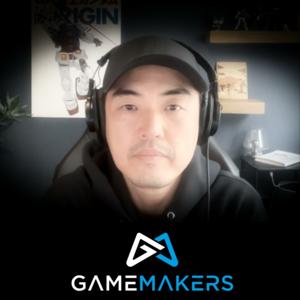


Ask ChatGPT for the best mobile puzzle game and it does not say Candy Crush. It says Monument Valley, a game from 2014 that is not on any top grossing chart.Kalie Moore has spent the last year working out why, and this is the version a game studio can act on.I keep getting the same question from studios: how do you get found now that players ask an AI instead of searching. So I asked someone who does it for a living.Kalie Moore runs High Vibe PR, a boutique PR agency for gaming, AI and frontier tech companies, with offices in the USA, Europe and Asia. Clients include Pocket Worlds, the publisher of Highrise, and Overwolf, who she has worked with for six years. She also started PRCoverage.AI, a PR reporting platform she built the first version of herself after a dev shop quoted her $60,000 to $80,000 for an MVP, and then brought on a co-founder and CTO to make it something other agencies could use. In this conversation she walks through the work, the data, and the parts she says she cannot prove yet.Generative engine optimization, or GEO, is the practice of getting a brand named in AI answers, the way SEO gets you ranked in search results. For a game studio that means tracking which games and studios ChatGPT, Gemini, Claude, Perplexity and Google AI Overviews name for a given prompt, then building the earned media those answers are assembled from.WHAT YOU GETHow game studios actually get recommended by ChatGPT, and why app store rank and AI recommendations measure two different things. When Kalie checked, Monument Valley sat at number 11 on US App Store paid and neither it nor the sequel appeared on free downloads or top grossing, and ChatGPT, Gemini and Perplexity all still named it first.Which sources AI engines actually cite for games. On the prompt she tested, 18 of ChatGPT's 24 cited sources were best-of listicles, 5 were Wikipedia and 1 was Reddit. Gemini used four sources for its whole answer, one of which was the game publisher's own blog.How Pocket Worlds' Highrise took 10 of 12 target prompts off Roblox in the US, including best mobile virtual world, and the earned media base that made it possible in a month rather than a year.Why you do not need IGN. Niche genre roundups, a publisher blog and creator videos all get cited, and for cozy games a single 500,000 subscriber YouTuber outweighs the games press.Whether ranking in AI actually converts to players. Kalie is direct that she cannot yet tie an AI ranking to paid users. What she can cite: AI platforms pulling 9.5 billion visits a month globally, up 70% year over year while Google search stays flat, AI's top pick becoming the user's pick in 74% of cases, and 88% of people accepting the shortlist without a second prompt.How fast a citation source can disappear. Reddit accounted for close to 4% of ChatGPT's search citations until 14 August, when PromptWatch measured an 86% drop.How a boutique PR agency ended up shipping software, and the one job Kalie will not let AI near: executive positioning. Including the client media list, clearly generated by a chatbot, that had a dead journalist on it.CHAPTERS0:00 What PR Actually Does3:47 How AI Decides Which Games Get Named8:50 Case Study: Outranking Roblox12:18 Does AI Ranking Convert?14:07 Building High Vibe on Word of Mouth18:36 Building PRCoverage.AI24:12 The Gaming GEO Leaderboard28:46 Founders Going Direct34:13 Six Years of Overwolf Comms37:48 Listicles, Reddit and the Citation Crash41:17 Start Narrow, Start Now45:09 Get Your Founders Writing47:23 Why AI Makes Everyone Average49:37 Where to Find KalieKALIE MOOREHigh Vibe PR: https://highvibepr.comPRCoverage.AI: https://prcoverage.aiLinkedIn: https://www.linkedin.com/in/kaliemoore/Gaming GEO leaderboard: https://www.highvibepr.com/gaming-geo-leaderboard?utm_source=youtube&utm_medium=podcast&utm_campaign=gamemakers
Unity just made direct-to-consumer payments free for every developer on its IAP SDK. No take rate, no fees. So what's the catch?
I sat down with Steve Ganem, VP of Product at Unity, to unpack the real strategy — and it turns out the story isn't about payments at all. It's about data.
Steve brings a rare vantage point: 19 years in games (EA, Activision's Tony Hawk franchise, 11 years running his own studio through the free-to-play transition), then a decade at Google Analytics. In this conversation we cover why "free" is a rational move rather than a giveaway, why going D2C without Unity could actually cost developers ad signal, the conversion tradeoff most coverage skips (web checkout is harder than Face ID), and how this connects to Unity's advertising business and its AI platform, Vector.
Whether you're a developer weighing D2C, a PM modeling the conversion math, or an investor watching Unity's turnaround, this one goes well past the announcement.
📖 Full written analysis: https://www.gamemakers.com/p/the-most-important-number-in-unitys
Epic spent five years and over $100M breaking the platforms' 30% tax — then cut V-Bucks by 20% to "pay the bills." If the company that won the fee war still gets squeezed, what does that say about everyone else?
The answer isn't about fees. When AI makes content infinite and attention stays finite, the only asset that appreciates is the direct relationship with your players — the one distribution channel that gets cheaper the stronger it gets. And a nearly invisible economy of community-run game servers has been proving its dollar value for fifteen years.
I sit down with Liam Wiltshire, GM of Tebex — the merchant-of-record platform behind direct payments for Rockstar, Take-Two, Hytale, and FiveM — to unpack it.
In this episode:
Read the full breakdown and subscribe at gamemakers.com.
Chapters
00:00 — Epic cut V-Bucks: why it's really a margin story
03:47 — When content is infinite, what's actually scarce?
07:38 — The shadow games industry: Hypixel, FiveM & a $1.5B economy
10:13 — The data: creator codes, BNPL & buying on a second screen
13:33 — Liam Wiltshire joins: the state of the industry
16:35 — Why every player purchase is a "CapEx decision"
18:50 — Is the 30% platform fee dead?
21:00 — Who really owns the player relationship?
23:27 — D2C across mobile, web, PC & console
34:59 — Treating the platform as an acquisition channel
42:57 — UGC servers & what a "merchant of record" actually does
1:00:40 — Creator codes: how trust drives more spend
1:19:04 — BNPL & crypto: the numbers that surprised Tebex
1:31:20 — Payment optimization & one-click checkout
1:40:43 — The £20 origin story & the $29M exit
AI is making it cheaper to build games. It's doing nothing for the cost of building the right game. That distinction is about to crush more studios than any technology shift in the past decade.
Ran Mo is the CEO of Proxima and creator of Suck Up — arguably the first commercially successful game to use AI at runtime. The game generated over 100 million YouTube views with zero marketing spend. Before founding Proxima, Ran led product teams at EA on The Sims franchise and spent time at YouTube and BCG.
In this episode, Ran live demos AI-assisted coding in Unity, breaks down his "trunk and leaves" framework for where AI helps (and where it destroys your codebase), and makes the contrarian case that AI in actual gameplay is overhyped — even though he built the first game to prove it works.
We go deep on: why vibe-coded games are architecturally unusable at scale, the power law that's about to eliminate mid-tier studios, why Ran hired a marketer with 1M TikTok followers, and the Taoist philosophy that keeps him sane while Silicon Valley burns out around him
Whether you're a game dev, studio head, or just trying to understand where AI actually moves the needle in creative industries, this conversation will sharpen your thinking.
🔗 Ran Mo's newsletter: newsletter.ranmo.me 🔗 Proxima: proxima.gg
Outline:
0:00 Intro
1:15 Ran Mo's background and founding Proxima
4:38 How Suck Up actually uses AI
8:49 Why Proxima won't use AI for art or design
12:32 Live demo: AI coding in Unity
22:33 Vibe coding gone wrong — the Stardew Valley test
25:14 The trunk and leaves framework
29:24 Real productivity numbers (not Twitter hype)
34:57 The technically capable designer
38:58 Power law distribution is coming for games
43:48 Suck Up's $0 marketing playbook
46:04 The Courage to Do Nothing
52:35 The velocity trap
58:13 Hot take: AI in gameplay is overhyped
61:01 Ran's personal story
66:15 Go your own way
69:15 Final advice: slow down to speed up
Last month, I sat on a panel about where the gaming industry is headed. The conversation was good — but there was one thing I didn't say out loud.
In this episode, I break down the key trends I think will define gaming in 2026:
Plus: the progression compression paradox that nobody's solving — why the attention economy is forcing games to speed up in ways that might break long-term engagement.
Whether you're running a studio, building a game, or trying to figure out where this industry is going — this one's for you.
📩 Subscribe to the Gamemakers newsletter: gamemakers.com
AppLovin just crossed $250 billion in market cap. Stock up 127% YTD. EBITDA margins at 82%. Is this the beginning—or the top?
We assembled the most qualified panel possible to break it down: an operator running millions through AppLovin's platform, a gaming-focused financial analyst, and an institutional investor who's seen these cycles before.
What emerged isn't your typical bull-bear debate. It's a breakdown of how dominance actually works in ad tech—and what could break it.
IN THIS EPISODE
→ Why AppLovin doesn't need to be better than competitors—just 95% as good
→ The MAX/Axon lock-in that keeps publishers captive
→ E-commerce expansion: AppLovin is beating Google on Android
→ The SEC investigation and deplatforming risk (how worried should you be?)
→ What one operator's portfolio data reveals about where the cracks are forming
→ Each panelist's prediction for AppLovin in 2026
SPEAKERS
Josh Chandley — President & CEO, WildCard Games
Matthew Kanterman, CFA — Director of Research, Blue River Financial Group
Brian Peganoff — Former TMT Investor, Founder Timber Advisors
Joseph Kim — CEO, Lila Games
TIMESTAMPS
[00:00] Introduction & Panel Overview
[01:22] AppLovin Financial Recap: 127% YTD, 82% Margins
[04:52] Valuation Analysis: Is Growth Priced In?
[07:15] The Bull Case: Infrastructure Lock-In
[10:30] How MAX & Axon Create Publisher Dependency
[15:45] E-Commerce Expansion: Beating Google on Android
[22:10] Why Meta & Google Can't Compete on iOS
[28:40] The Bear Case: Five Risks
[35:20] SEC Investigation & Deplatforming Risk
[42:15] The Infrastructure Risk Nobody Discusses
[48:30] Competitive Landscape: Unity, Moloco, Meta
[58:20] Connected TV: Wild Card or Dead End?
[1:05:40] Panel Predictions for 2026
[1:15:30] Key Takeaways
LINKS
Newsletter: https://www.gamemakers.com
Full article: https://www.gamemakers.com/p/applovin-bull-bear-case
Pixels & Profits is a GameMakers series covering the business and investing side of the gaming industry.
Most game studios either skip validation entirely or waste hundreds of thousands on academic testing that doesn't move the needle. Both approaches kill products.
In this episode, we discuss why product validation is the difference between success and years of wasted development—and introduces two frameworks to fix your process.
You'll discover:
This matters if:
The uncomfortable truth: It's nearly impossible to evaluate a "right tastemaker" without historical success—and even then, they might fail in a new genre. Meanwhile, over-intellectualized academic approaches sound impressive but rarely translate to product gains.
Bottom line: Product velocity = speed × direction. Validation should steer your direction, not justify executive forecasts or create someone to blame. This episode gives you the frameworks to validate what matters, when it matters.
Read the full breakdown with detailed frameworks:https://www.gamemakers.com/p/your-validation-passed-your-players
Timestamps:
#gamedev #productvalidation #gamedevelopment #productmanagement #gamedevelopmenttips
Most game studios waste weeks of runway on the wrong analytics decision—here's how to avoid that mistake.
Traditional analytics SDK vendors like Amplitude, Mixpanel, and Braze promise plug-and-play simplicity but deliver silent failures, contract negotiations, and escalating costs that can destroy startup velocity. In this episode, we discuss why the old analytics playbook is obsolete in 2025—and reveals the new meta that's eating market share.
You'll discover:
This matters if:
Bottom line: Your analytics decision could mean the difference between product-market fit and running out of runway. For small to mid-sized game studios, PostHog combines enterprise-grade power with pay-as-you-go pricing—no contracts, no traffic forecasting, no silent failures.
Read the full breakdown with technical details, pricing tables, and implementation guides:
https://www.gamemakers.com/p/the-new-meta-for-game-analytics-save
Timestamps (Episode Chapters):
(00:00:00) The Studio-Killing Problem You're Ignoring(00:01:26) The "Silent Failure" Trap (How SDKs Hide Bugs)(00:02:41) How 15-Minute Data Delays Destroy QA Velocity(00:06:02) The Obsolete 3-Tier Analytics Model (and Why It's Broken)(00:10:38) The 6-Week Contract Negotiation Trap(00:14:16) The "Nostradamus" Forecasting Problem: Why You Always Overpay(00:16:19) Option 1: Traditional SDKs (Amplitude, Mixpanel)(00:25:32) Option 2: Firebase + BigQuery(00:28:34) Option 3: Unity Analytics(00:30:21) Option 4: The New Meta (PostHog)(00:36:14) Option 5: The Enterprise Trap (Snowflake)(00:39:01) Integrated (Braze) vs. Best-of-Breed (PostHog + CRM)(00:42:56) The Final Verdict: What to Choose By Studio Size
Most game studios think they have a talent problem. They don't. They have a structure problem.
Chris Casanova spent 15+ years as a producer across Microsoft Xbox, Mojang (Minecraft), Relic Entertainment, Offworld Industries, and Hypixel Studios. He's watched talented teams fail repeatedly—not from lack of skill, but from organizational friction.
Traditional studios organize around craft silos: design departments, engineering departments, art departments. Every feature requires handoffs. Every handoff loses fidelity. The result? Friction, misalignment, wasted iteration, and missed deadlines.
Chris reveals the alternative: cross-functional outcome teams of 5-9 people who own their results from concept to ship.
━━━━━━━━━━━━━━━━━━━━
TIMESTAMPS
━━━━━━━━━━━━━━━━━━━━
00:00 - Chris's background: Xbox, Mojang, Relic
02:59 - Why he wrote "Structure Teams to Win"
06:54 - The problem with craft-based teams
08:17 - Outcome teams: The procedural worlds example
18:32 - Why 5-9 people is optimal team size
24:10 - Three organizational layers explained
31:48 - When leaders resist change
42:20 - The political reality of reorganization
47:15 - Case study: 70-person AA co-op shooter
58:07 - Advice for small teams (10 people)
01:01:06 - How to connect with Chris
━━━━━━━━━━━━━━━━━━━━
KEY INSIGHTS
━━━━━━━━━━━━━━━━━━━━
THE PROBLEMS:
- Design creates specs without context → over-engineered solutions
- Art produces assets without validation → endless iteration
- QA receives unclear requirements → irrelevant bug reports
- Every handoff loses the original intent
THE SOLUTION:
Cross-functional teams of 5-9 people with:
→ Mixed disciplines (designers, engineers, artists, QA embedded)
→ Clear mission and measurable KPIs
→ Everything needed to own their outcome
→ Minimal handoffs, maximum collaboration
REAL EXAMPLE:
Procedural worlds team mission: "Every world seed feels fresh, readable, performant"
KPI: Biome novelty per minute
Team: Generation engineers, world designers, environment artists, technical artists, QA
━━━━━━━━━━━━━━━━━━━━
70-PERSON STUDIO STRUCTURE
━━━━━━━━━━━━━━━━━━━━
Chris provides detailed org structure for AA co-op shooter:
- Combat & Gameplay (15 people, 2 teams)
- Progression & Economy (10 people, 2 teams)
- Social & Co-Op (12 people, 2 teams)
- Content & Live Ops (15 people, 2 teams)
- World & Narrative (10 people, 1 team)
- Technical Foundation (8 people, 1 team)
Each team has 5-9 people with mixed disciplines focused on specific outcomes.
━━━━━━━━━━━━━━━━━━━━
THE HARD TRUTHS
━━━━━━━━━━━━━━━━━━━━
Some leaders won't make the transition from managing 30 people to being on a team of 8. They'll resist or self-select out. And that's okay—holding onto territorial structures to preserve egos is how studios fail.
"If you have a C-suite that's divided, you're not going to be able to make this change. You need unified leadership."
━━━━━━━━━━━━━━━━━━━━
RESOURCES MENTIONED
━━━━━━━━━━━━━━━━━━━━
- "Team of Teams" by Gen. Stanley McChrystal
- "Extreme Ownership" by Jocko Willink
- "Structure Teams to Win" (Chris's Medium article)
━━━━━━━━━━━━━━━━━━━━
CONNECT WITH CHRIS
━━━━━━━━━━━━━━━━━━━━
Chris is seeking his next production leadership role.
LinkedIn: https://www.linkedin.com/in/chris-casanova/
Email: [email protected]
Article: https://medium.com/@chris.casanova/structure-teams-to-win-15d98e65c5d7
━━━━━━━━━━━━━━━━━━━━
READ THE FULL BREAKDOWN
━━━━━━━━━━━━━━━━━━━━
Detailed newsletter post with implementation templates and additional examples:
https://www.gamemakers.com/p/why-your-game-studios-organizational
━━━━━━━━━━━━━━━━━━━━
Gamemakers podcast: Gaming business insights for developers, executives, and investors. Hosted by Joseph Kim. New episodes weekly.
#gamedev #productmanagement #teamstructure #leadership
Western AAA development is not dead. Battlefield 6's 7 million unit launch proves it. This episode deconstructs how EA and Vince Zampella reversed the "disaster" of Battlefield 2042 by focusing on leadership, community feedback , and a smarter studio structure.
Then, we explore why leadership is the ultimate "alpha". Joseph Kim breaks down the stunning turnaround of the UCLA football team—who went from a 0-4 disaster to a 3-0 winning streak (including beating #7 Penn State ) with the exact same players. The only thing that changed? Leadership and strategy. Learn how to apply these lessons on accountability , clear roles , and scheme-to-personnel fit to your game studio.
Finally, we feature an excerpt from an interview with veteran producer Chris Casanova on why your studio is likely structured for failure. He explains the critical shift from "craft-based" (siloed) teams to cross-disciplinary "outcome-based" teams and how to implement it.
Timestamps:
[00:01:51] Corrections: Revisiting the EA/PIF Deal & The "Copy, Improve, Innovate" Framework
[00:04:33] Top 3 News: Battlefield 6 (7M copies) , Switch 2 Production , Arc Raiders CCU
[00:06:42] MACRO: The Battlefield 6 Redemption Story
[00:07:41] By the Numbers: BF6 (7M units) vs 2042 (4.2M)
[00:09:19] A Quick History of the Battlefield Franchise
[00:11:12] What Changed? The "Save the Franchise" Game
[00:13:01] Fix #1: A Better Studio Coalition Structure
[00:15:05] Fix #2: Going Back to Basics & Listening to the Community
[00:16:14] Fix #3: Polish and Giving the Game Time
[00:17:53] Fix #4: The Vince Zampella Factor
[00:20:40] Deep Dive: Who is Vince Zampella? (Infinity Ward, Respawn)
[00:28:22] ALPHA: Leadership is Your Biggest Competitive Advantage
[00:31:18] Case Study: The UCLA Football Turnaround
[00:32:15] The 0-4 Disaster (The Problem)
[00:37:31] The Mid-Season Fix: Firing the Coach
[00:39:10] The 3-0 Turnaround (The Result)
[00:41:03] The Lessons: 1) Play to Strengths, 2) Accountability, 3) Clear Roles, 4) Belief
[00:44:47] Applying the Lessons to Your Game Studio
[00:48:55] GAME DEV: Interview with Chris Casanova
[00:49:41] The Thesis: Shifting from "Craft-Based" to "Outcome-Based" Teams
[00:52:43] A Practical Example: A "Procedural Worlds" Team
[00:57:51] Key Takeaway: Why Outcome-Based Teams Win
From the publisher's feed

541 Listeners

111,856 Listeners
100 Listeners

32,252 Listeners

20 Listeners

5,391 Listeners

10,187 Listeners

5,558 Listeners

15,823 Listeners

22 Listeners

1,457 Listeners

3 Listeners

743 Listeners
8 Listeners