
Sign up to save your podcasts
Or



Based on Podcast App listening data
Indiana's response brief in the Richard Allen appeal does not read like the work of a State that's confident in its conviction. It reads like the work of a State that's worried about its record.
The defense brought specifics. A van timeline contradicted by FBI cell data and surveillance footage. A confession from Richard Allen claiming he shot Abby Williams and Libby German, when the medical examiner concluded the girls were killed with a blade. An alternative suspect whose interview was allegedly recorded over by Indiana investigators, whose firearm was never collected, whose phone was never searched.
The State did not rebut those points on their merits. The State argued procedure. Harmless error. Waiver. Default. The defense filed the paperwork wrong. The defense argued the wrong way. The defense forfeited the issue.
That isn't a defense of the trial. That's an attempt to keep an appellate panel from ever reaching the trial.
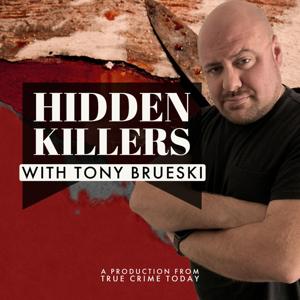
Defense attorney Bob Motta joins Tony Brueski for Part One of a three-part panel on the procedural-versus-factual collision at the center of this appeal. They unpack why a State holding a conviction would build its strategy around stopping the panel at the courthouse door instead of inviting them in. They examine what the recorded-over interview means now that three judges are reading the same record the jury never saw. They get into the cause-of-death mismatch and why a confession to the wrong method of murder is harder to brush off in an appellate brief than it ever was in a closing argument.
Three judges. No more paper. The State's procedural firewall is the only thing standing between the panel and the underlying record.
LINKS:
Join Our SubStack For AD-FREE ADVANCE EPISODES & EXTRAS!: https://hiddenkillers.substack.com/
Want to comment and watch this podcast as a video? Check out our YouTube Channel. https://www.youtube.com/channel/UC8-vxmbhTxxG10sO1izODJg?sub_confirmation=1
Instagram https://www.instagram.com/hiddenkillerspod/
Facebook https://www.facebook.com/hiddenkillerspod/
Tik-Tok https://www.tiktok.com/@hiddenkillerspod
X Twitter https://x.com/TrueCrimePod
DISCLAIMER:
This publication contains commentary and opinion based on publicly available information. All individuals are presumed innocent until proven guilty in a court of law. Nothing published here should be taken as a statement of fact, health or legal advice.
HASHTAGS:
#RichardAllen #DelphiMurders #DelphiAppeal #IndianaAttorneyGeneral #AbbyAndLibby #BobMotta #HiddenKillers #HarmlessError #BridgeGuy #TrueCrime
Part 2 of our interview with James Lasdun, author of The Family Man, digs into the night of the murders — and what the jury at Alex Murdaugh's trial was never shown.
The full SLED timeline from June 7th included calls and texts between Alex and men with criminal records just hours before the killings. Alex had deleted his entire call log from that week. The next morning, Cousin Eddie texted him three words: "at fishing hole." Prosecutors stripped all of it from the timeline they presented to jurors.
The book also reveals what the defense wanted to do but couldn't. Jim Griffin told Lasdun that their plan was to cross-examine Cousin Eddie about his failed polygraph and the fabricated story he gave SLED about the murders. Eddie was their alternative suspect. Prosecutors pulled him from the witness list to shut that door.
There's physical evidence too. Maggie's car was found at the main house with the driver's seat pushed all the way back — not where it would be if she'd been the last to drive. The Beach family's attorney told the author there's a belief the car was at the kennels that night and someone moved it. Unidentified tire tracks near the bodies were noted by the fire chief but never investigated.
And then there's the theory nobody else has explored. Eddie told the author that Alex described what happened at Moselle as "things just got all fucked up." The book asks: Was this a staged attack that went wrong? The same play Alex ran three months later on the Old Salkehatchie Road — only at Moselle, somebody didn't follow the script.
Join Our SubStack For AD-FREE ADVANCE EPISODES & EXTRAS!: https://hiddenkillers.substack.com/
Want to comment and watch this podcast as a video? Check out our YouTube Channel. https://www.youtube.com/channel/UC8-vxmbhTxxG10sO1izODJg?sub_confirmation=1
Instagram https://www.instagram.com/hiddenkillerspod/
Facebook https://www.facebook.com/hiddenkillerspod/
Tik-Tok https://www.tiktok.com/@hiddenkillerspod
X Twitter https://x.com/TrueCrimePod
This publication contains commentary and opinion based on publicly available information. All individuals are presumed innocent until proven guilty in a court of law. Nothing published here should be taken as a statement of fact, health or legal advice.
#AlexMurdaugh #MurdaughMurders #TheFamilyMan #MurdaughEvidence #TrueCrime #HiddenKillers #CousinEddie #MurdaughTrial #MaggieMurdaugh #Moselle
The evidence across the D4VD case, Nancy Guthrie's alleged abduction, and the Duggar family allegations shares something uncomfortable in common — each allegedly involves a system designed to protect people that reportedly failed the people who needed it most. Tony Brueski and Robin Dreeke work through the most pressing questions across all three cases.
The D4VD evidence demands accountability for every adult who allegedly had proximity to the relationship between David Burke and fourteen-year-old Celeste Rivas Hernandez. The alleged chainsaw purchases, the reported international travel with a minor using fake identification, and the three missing persons reports that allegedly changed nothing fuel the most intense emotional engagement. Robin applies behavioral analysis to the alleged grooming patterns and what they reveal about operational planning.
Nancy Guthrie's case draws questions about alleged institutional breakdown at the investigative level. The FBI allegedly locked out for four days. A porch suspect allegedly caught on camera with amateur disguise elements. Ransom demands allegedly made in Bitcoin and never collected. Three months with no arrest. Robin provides the federal investigative context for understanding what the alleged friction between Pima County and the FBI may have cost.
The Duggar segment connects Joseph's charges to the alleged family pattern. Recorded jail calls. Jim Bob's email. An alleged religious framework that substituted forgiveness for reporting. The alleged line from Josh to Joseph — and whether the system allegedly breaks or allegedly repeats.
Join Our SubStack For AD-FREE ADVANCE EPISODES & EXTRAS!: https://hiddenkillers.substack.com/
Want to comment and watch this podcast as a video? Check out our YouTube Channel. https://www.youtube.com/channel/UC8-vxmbhTxxG10sO1izODJg?sub_confirmation=1
Instagram https://www.instagram.com/hiddenkillerspod/
Facebook https://www.facebook.com/hiddenkillerspod/
Tik-Tok https://www.tiktok.com/@hiddenkillerspod
X Twitter https://x.com/TrueCrimePod
This publication contains commentary and opinion based on publicly available information. All individuals are presumed innocent until proven guilty in a court of law. Nothing published here should be taken as a statement of fact, health or legal advice.
#HiddenKillers #TrueCrime #RobinDreeke #D4VD #NancyGuthrie #JosephDuggar #CelesteRivasHernandez #DuggarFamily #FBI #TonyBrueski
Two years before Lynette Hooker disappeared off a dinghy in the Bahamas, she sent messages to a friend that read, in hindsight, like a flashing light. She had walked away from her husband Brian. She had walked away from the boat. She told her friend, in her own words, it was real bad — that she could not be out there with him. A month later, the messages show, she was back. Two years later, she was gone.
This episode introduces the full Lynette Hooker case to anyone just catching up. The 55-year-old Michigan woman who vanished on April 4, 2026 from an eight-foot dinghy in choppy water near Elbow Cay. Her husband, an ex-Marine, who says she fell with the keys and was carried away by the current. The hours he then spent paddling alone toward a marina, in the opposite direction from where his wife was last seen.
Tony walks through what her daughter Karli Aylesworth has said publicly — including allegations that Brian had previously choked her mother and threatened to throw her overboard. The mutual police record from before the Bahamas, including Brian’s 2006 acquittal on a child abuse charge and a 2015 incident in Michigan in which both spouses accused each other of assault. And the development that has the case back in headlines: the U.S. Coast Guard Investigative Service publicly appealing for the owner of a separate sailboat that was moored near the Hookers’ yacht Soulmate the night Lynette disappeared.
Brian Hooker has not been charged with a crime. He denies any wrongdoing. The Royal Bahamas Police continue to call him a suspect, more than a month after the search for Lynette began.
Join Our SubStack For AD-FREE ADVANCE EPISODES & EXTRAS!: https://hiddenkillers.substack.com/
Want to comment and watch this podcast as a video? Check out our YouTube Channel. https://www.youtube.com/channel/UC8-vxmbhTxxG10sO1izODJg?sub_confirmation=1
Instagram https://www.instagram.com/hiddenkillerspod/
Facebook https://www.facebook.com/hiddenkillerspod/
Tik-Tok https://www.tiktok.com/@hiddenkillerspod
X Twitter https://x.com/TrueCrimePod
This publication contains commentary and opinion based on publicly available information. All individuals are presumed innocent until proven guilty in a court of law. Nothing published here should be taken as a statement of fact, health or legal advice.
#LynetteHooker #BrianHooker #HiddenKillers #MissingWoman #BahamasMystery #TrueCrimePodcast #ColdCase #MissingMom #MarneeStevenson #CoastGuard
The recorded jail calls between Joseph and Kendra Duggar allegedly tell a story the family probably never intended the public to hear. Kendra's alleged repeated question about whether Joseph still loves her. The warnings about recorded lines. The instruction to save case details for attorney meetings. And then Jim Bob's email arrived in the public record — "terrible decisions" followed by an alleged pivot to getting Kendra's charges dropped and reassurance that God has already forgiven.
Tony Brueski and Robin Dreeke dig into what this evidence allegedly reveals about the generational pattern. Joseph Duggar faces charges of lewd and lascivious behavior on a child under twelve. He has pleaded not guilty. But his brother Josh's alleged history — the reported molestation of four sisters, the child sexual abuse material conviction — makes the question unavoidable: is the alleged system that protected Josh now allegedly protecting Joseph?
Robin analyzes the behavioral signatures in the jail calls. The alleged absence of victim-focused language. The alleged prioritization of family cohesion over external accountability. The IBLP framework that allegedly taught this family that forgiveness from God supersedes consequences from the law. Whether CPS should investigate beyond the immediate case, whether Josh ever allegedly accounted for what he did to his sisters, and whether more children were allegedly harmed push this conversation into the territory the Duggar family has allegedly avoided for decades.
Join Our SubStack For AD-FREE ADVANCE EPISODES & EXTRAS!: https://hiddenkillers.substack.com/
Want to comment and watch this podcast as a video? Check out our YouTube Channel. https://www.youtube.com/channel/UC8-vxmbhTxxG10sO1izODJg?sub_confirmation=1
Instagram https://www.instagram.com/hiddenkillerspod/
Facebook https://www.facebook.com/hiddenkillerspod/
Tik-Tok https://www.tiktok.com/@hiddenkillerspod
X Twitter https://x.com/TrueCrimePod
This publication contains commentary and opinion based on publicly available information. All individuals are presumed innocent until proven guilty in a court of law. Nothing published here should be taken as a statement of fact, health or legal advice.
#JosephDuggar #DuggarFamily #HiddenKillers #TrueCrime #RobinDreeke #JimBobDuggar #KendraDuggar #JoshDuggar #IBLP #TonyBrueski
When a community spends eight years with an open wound, it stops looking for the right answer and starts looking for any answer. That’s what happened in Austin after the yogurt shop murders. Four teenagers were pulled into the investigation in 1991, released for lack of evidence, and then pulled back in eight years later by new detectives who found their names in an old file and decided they were worth another shot.
The detective who shaped the early investigation, Hector Polanco, had already been found responsible for at least seven false confessions in other cases. One of his previous victims suffered permanent brain damage from a prison beating after being wrongfully convicted on a manufactured confession. The city paid millions in settlements. And then the system kept running, using the same playbook, pointed at new targets.
Part 2 of this Hidden Killers series examines the investigation from 1991 to 1999 — the contaminated information, the institutional momentum, and the psychological dynamics that turned four innocent teenagers into the most blamed men in Austin’s history. What happens when the system can’t find the killer through evidence? It finds someone through convenience. And the people who fit that profile are almost never the ones with resources to fight back.
Join Our SubStack For AD-FREE ADVANCE EPISODES & EXTRAS!: https://hiddenkillers.substack.com/
Want to comment and watch this podcast as a video? Check out our YouTube Channel. https://www.youtube.com/channel/UC8-vxmbhTxxG10sO1izODJg?sub_confirmation=1
Instagram https://www.instagram.com/hiddenkillerspod/
Facebook https://www.facebook.com/hiddenkillerspod/
Tik-Tok https://www.tiktok.com/@hiddenkillerspod
X Twitter https://x.com/TrueCrimePod
This publication contains commentary and opinion based on publicly available information. All individuals are presumed innocent until proven guilty in a court of law. Nothing published here should be taken as a statement of fact, health or legal advice.
#YogurtShopMurders #HiddenKillers #FalseConfession #WrongfulConviction #ColdCase #TrueCrime #AustinTexas #CriminalJustice #InvestigativeFailure #TrueCrimePodcast
Former members of the Twelve Tribes describe a childhood defined by a single object: a thin, reed-like rod kept above the door in every room of every home in every community. It was reportedly always within reach because, according to the people who grew up inside, it was always in use.
In this episode, Tony Brueski builds the case from the ground up. The group’s own published teachings defend corporal punishment as an act of love. Their internal Child Training Manual, reportedly running 267 pages, allegedly instructs parents to make it hurt enough to produce the desired result. Former members describe being struck dozens of times daily for offenses as minor as looking around while walking.
The 1984 Vermont raid — in which authorities removed one hundred and twelve children from the Island Pond compound — was ruled unconstitutional. Every child went back. The state prosecutor publicly stated that the ruling meant it was still acceptable to beat children with a religious justification. That precedent reportedly chilled enforcement for decades.
In 2013, Germany acted on hidden camera footage and removed forty children from a compound. The European Court of Human Rights upheld the decision. The same group. The same allegations. One country intervened. One did not.
Former members say the practices continue. The group says their approach is rooted in scripture and love. The evidence spans decades. The question is why children are still inside.
Join Our SubStack For AD-FREE ADVANCE EPISODES & EXTRAS!: https://hiddenkillers.substack.com/
Want to comment and watch this podcast as a video? Check out our YouTube Channel. https://www.youtube.com/channel/UC8-vxmbhTxxG10sO1izODJg?sub_confirmation=1
Instagram https://www.instagram.com/hiddenkillerspod/
Facebook https://www.facebook.com/hiddenkillerspod/
Tik-Tok https://www.tiktok.com/@hiddenkillerspod
X Twitter https://x.com/TrueCrimePod
This publication contains commentary and opinion based on publicly available information. All individuals are presumed innocent until proven guilty in a court of law. Nothing published here should be taken as a statement of fact, health or legal advice.
#12Tribes #TwelveTribes #YellowDeli #HiddenKillers #TrueCrime #CultExposed #ChildProtection #IslandPondRaid #TrueCrimePodcast #TonyBrueski
A masked figure allegedly stood on Nancy Guthrie's porch at 1:47 a.m., carrying a backpack, wearing ill-fitting gloves, and reportedly grabbing foliage to block the doorbell camera. The FBI released two images from the Nest camera. Three months later, nobody has been identified — and the alleged institutional breakdown between Pima County and federal investigators may be the reason.
Tony Brueski and Robin Dreeke work through what the evidence allegedly reveals and what it allegedly conceals. The blood confirmed as Nancy's near the front door. The back door reportedly propped open. The cryptocurrency ransom demands that allegedly went nowhere — no Bitcoin was reportedly ever withdrawn despite passed deadlines. Robin profiles the alleged behavioral indicators in the porch footage: sophistication or desperation? Prior surveillance or impulse? Real demands or alleged misdirection designed to burn investigative hours?
The family clearance timeline drives intense scrutiny — how quickly it allegedly happened, who made that determination, and whether the investigation allegedly narrowed too fast on external suspects. The single-perpetrator versus multiple-perpetrator question fuels the sharpest analysis. Robin provides the behavioral framework for alleged abductions that appear personal versus transactional — and what the alleged evidence pattern reveals about who allegedly entered that house and what they allegedly wanted.
Join Our SubStack For AD-FREE ADVANCE EPISODES & EXTRAS!: https://hiddenkillers.substack.com/
Want to comment and watch this podcast as a video? Check out our YouTube Channel. https://www.youtube.com/channel/UC8-vxmbhTxxG10sO1izODJg?sub_confirmation=1
Instagram https://www.instagram.com/hiddenkillerspod/
Facebook https://www.facebook.com/hiddenkillerspod/
Tik-Tok https://www.tiktok.com/@hiddenkillerspod
X Twitter https://x.com/TrueCrimePod
This publication contains commentary and opinion based on publicly available information. All individuals are presumed innocent until proven guilty in a court of law. Nothing published here should be taken as a statement of fact, health or legal advice.
#NancyGuthrie #SavannahGuthrie #HiddenKillers #TrueCrime #RobinDreeke #Tucson #PimaCounty #FBI #MissingPerson #TonyBrueski
The alleged methodical cover-up in the D4VD case is what separates it from panic — prosecutors say the disposal unfolded over weeks with calculated precision. A shovel allegedly ordered the day after the killing. Two chainsaws a week later. A body bag and inflatable pool twelve days after, all under the fake name "Victoria Mendez." A burn cage two months later. Meanwhile, D4VD allegedly texted Celeste's phone as if she were still alive. The question that follows is obvious: did someone else allegedly know?
Tony Brueski and Robin Dreeke work through what the evidence allegedly reveals about David Burke, the singer accused of murdering fourteen-year-old Celeste after she allegedly threatened to expose their sexual relationship. Robin brings retired FBI behavioral analysis to the grooming patterns — the alleged isolation tactics, the matching "Shhh..." tattoos, the reported international travel with a child. The systemic failures run deep: Celeste was reportedly missing three times in 2024 and the system allegedly let her return to danger each time.
The accountability question fuels the most anger — why an entire circle of adults allegedly connected to a rising music star reportedly failed to protect a child who was allegedly being groomed in plain sight. D4VD's family dynamics and whether early warning signs allegedly existed get Robin's full behavioral breakdown. Every question leads back to the same unbearable truth: Celeste allegedly needed someone to act, and according to the evidence prosecutors have presented, nobody did.
Join Our SubStack For AD-FREE ADVANCE EPISODES & EXTRAS!: https://hiddenkillers.substack.com/
Want to comment and watch this podcast as a video? Check out our YouTube Channel. https://www.youtube.com/channel/UC8-vxmbhTxxG10sO1izODJg?sub_confirmation=1
Instagram https://www.instagram.com/hiddenkillerspod/
Facebook https://www.facebook.com/hiddenkillerspod/
Tik-Tok https://www.tiktok.com/@hiddenkillerspod
X Twitter https://x.com/TrueCrimePod
This publication contains commentary and opinion based on publicly available information. All individuals are presumed innocent until proven guilty in a court of law. Nothing published here should be taken as a statement of fact, health or legal advice.
#D4VD #CelesteRivasHernandez #HiddenKillers #TrueCrime #RobinDreeke #JusticeForCeleste #DavidBurke #ChildGrooming #HollywoodHillsMurder #TonyBrueski
Before the murders at Moselle, before the 911 call, before any of it — there was a pattern. And James Lasdun's new book The Family Man traces it through original interviews and evidence that never made it into the trial.
The night of the boat crash that killed Mallory Beach, Alex Murdaugh was already running the playbook. He showed up at the hospital and started working the hallways — trying to get into rooms where passengers were being treated, cornering Connor Cook and telling him to keep quiet, attempting to reach Morgan Doughty even after she begged nurses to keep him away. A nurse told investigators she believed Alex was "trying to orchestrate something." This was years before the murders.
The book reveals that Morgan's first written statement — given before Alex reached her — said Connor Cook was driving when the boat hit the bridge. That story changed the next day under circumstances that remain murky. Lasdun argues the accepted version of who caused Mallory's death may have been built after the fact.
There are other findings that have never been publicly reported. A $5,000 check Alex wrote to a local police chief who was at the Moselle crime scene, backdated by months, with no credible explanation. A jellyfish business connected to associates with drug-smuggling histories. Evidence that SLED gave Alex's own brother two different stories about where a key piece of physical evidence was found.
This is Part 1 of a three-part interview with author James Lasdun. The blueprint was always there. Nobody was looking at it.
Join Our SubStack For AD-FREE ADVANCE EPISODES & EXTRAS!: https://hiddenkillers.substack.com/
Want to comment and watch this podcast as a video? Check out our YouTube Channel. https://www.youtube.com/channel/UC8-vxmbhTxxG10sO1izODJg?sub_confirmation=1
Instagram https://www.instagram.com/hiddenkillerspod/
Facebook https://www.facebook.com/hiddenkillerspod/
Tik-Tok https://www.tiktok.com/@hiddenkillerspod
X Twitter https://x.com/TrueCrimePod
This publication contains commentary and opinion based on publicly available information. All individuals are presumed innocent until proven guilty in a court of law. Nothing published here should be taken as a statement of fact, health or legal advice.
#AlexMurdaugh #TheFamilyMan #MurdaughMurders #TrueCrime #HiddenKillers #MurdaughCase #MaggieMurdaugh #PaulMurdaugh #MalloryBeach #SouthCarolina
From the publisher's feed
Ranked by our users in the last 21 days
8,577 Listeners

507 Listeners
861 Listeners
1,070 Listeners
612 Listeners
1,564 Listeners
10,414 Listeners

2,459 Listeners

136 Listeners
1,164 Listeners
2,185 Listeners
493 Listeners

95 Listeners
794 Listeners

293 Listeners
23 Listeners
95 Listeners
10 Listeners
62 Listeners
225 Listeners

321 Listeners
609 Listeners
7 Listeners

8 Listeners
7 Listeners
17 Listeners
5 Listeners
12 Listeners
6 Listeners
6 Listeners

8 Listeners
828 Listeners
5 Listeners