
Sign up to save your podcasts
Or

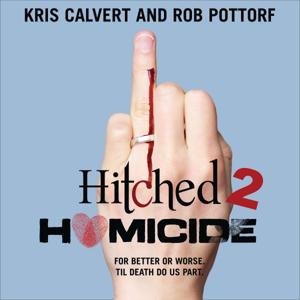
By Kris Calvert and Rob Pottorf


4.6
227227 ratings


The podcast currently has 280 episodes available.
The most played episodes among Podcast App listeners.
On December 10, 2003, the Whitaker family sat down for what they thought was a graduation dinner. By the time they got home, a masked gunman was waiting inside their house — and two of them wouldn't survive the night. On the surface, it looked like a burglary interrupted. But within days, investigators discovered that the "victim" sitting in the back seat, 24-year-old Bart Whitaker, had actually orchestrated the entire attack — and that this wasn't even his first attempt. In this episode, we dig into the disturbing timeline of the Whitaker family murders in Sugar Land, Texas: the failed 2000 plot involving a Baylor roommate, the aborted 2001 murder-for-hire scheme that a former classmate walked into a police station to confess, and the final, successful conspiracy that took the lives of Bart's mother, Tricia, and his 19-year-old brother, Kevin. We trace Bart's troubled teenage years — including a string of school burglaries at 17 — through the recruitment of at least four separate accomplices, the frantic days-long investigation that unraveled his lies about college, his years as a fugitive in Mexico, and the courtroom battle over what actually drove him to try to erase his own family, not once, but repeatedly. We also spend real time on what happened after the conviction: Kent Whitaker, the father who survived being shot in his own family's ambush, publicly forgiving his son and spending over a decade fighting to keep him off death row — a fight that came down to the final 40 minutes before a scheduled execution. It's a case that asks hard questions about motive, memory, and what forgiveness can look like when the person you're forgiving is the one who took almost everything from you. Sources used for this podcast Join the H2H In-laws & Outlaws Follow H2H on Instagram Follow H2H on X Send Kris and Rob a Text or Message Start Reading Kris Calvert's Books for FREE Bart Whitaker, Sugar Land Murders, Whitaker family murders, Thomas Bartlett Whitaker, Sugar Land Texas murder, Bart Whitaker family murder, Fake graduation murder, Sugar Lakes subdivision murder, Kent Whitaker, Tricia Whitaker, Patricia Whitaker, Kevin Whitaker, Chris Brashear, Steve Champagne, Steven Champagne, Pappadeaux dinner murder, Sam Houston State University fake graduation, Murder for inheritance, Murder-for-hire Texas, Texas true crime, Family murder, Inheritance murder, Murderous son, Suburban murder, Capital murder Texas, True crime podcast, Family betrayal murder, Deadly family dynamics #BartWhitaker, #SugarLandMurders, #WhitakerFamily, #SugarLandTexas, #TexasTrueCrime, #FamilyMurder, #MurderForHire, #Hitched2Homicide, #TrueCrimePodcast, #TrueCrime, #TrueCrimeCommunity, #CrimeJunkie, #TrueCrimeAddict, #InheritanceMurder, #MurderousSon, #FamilyBetrayal, #SuburbanNightmare, #DeathRowStories, #TexasCrime, #RealCrime, #CrimeStory Hosted by Simplecast, an AdsWizz company. See pcm.adswizz.com for information about our collection and use of personal data for advertising.

On August 23, 1987, teenagers Don Henry and Kevin Ives were struck by a Union Pacific freight train near the Crooked Creek trestle in Alexander, Arkansas. The first official explanation was shocking: authorities said the friends had become incapacitated by marijuana, fallen asleep on the tracks, and died in a tragic accident. Their families did not accept it. Independent medical opinions challenged the THC-intoxication theory, the original accidental finding was changed to “undetermined,” and a Saline County grand jury later classified the deaths as a probable homicide. Yet despite the finding, no one was ever charged. In this episode, we trace the timeline of the “Boys on the Tracks” case—from the early-morning train collision and disputed forensic evidence to the allegations of drug trafficking, local corruption, witness deaths, disappearances, and the later Mena and political conspiracy narratives. We also examine what is documented, what remains allegation, and why the murder of Don Henry and Kevin Ives is still one of Arkansas’s most haunting unsolved true-crime cases. Sources used for this podcast Join the H2H In-laws & Outlaws Follow H2H on Instagram Follow H2H on X Send Kris and Rob a Text or Message Start Reading Kris Calvert's Books for FREE Boys on the Tracks documentary, Don Henry and Kevin Ives case, Alexander Arkansas murder, Arkansas unsolved case, true crime podcast episode, Saline County cold case, railroad tracks homicide, Crooked Creek trestle, Fahmy Malak, Mara Leveritt, Boys on the Tracks book, Arkansas crime history, drug trafficking allegations, Mena Arkansas conspiracy, true crime investigation, unsolved double homicide #BoysOnTheTracks #DonHenry #KevinIves #ArkansasTrueCrime #AlexanderArkansas #SalineCounty #UnsolvedCase #ColdCase #TrueCrime #TrueCrimePodcast #UnsolvedMystery #CrimeHistory #RailroadMystery #MaraLeveritt #JusticeForDonAndKevin Hosted by Simplecast, an AdsWizz company. See pcm.adswizz.com for information about our collection and use of personal data for advertising.
FROM THE H2H VAULT: On June 27, 1977, one of Minnesota’s grandest mansions became the scene of a brutal double murder. Inside Glensheen, the sprawling Congdon family estate overlooking Lake Superior in Duluth, 83-year-old heiress Elisabeth Congdon was found smothered in her bed. Her night nurse, Velma Pietila, had been beaten to death nearby. What followed was a sensational investigation involving family money, inheritance, an adopted daughter with a troubled history, and the son-in-law prosecutors believed was willing to kill for a fortune. Suspicion soon centered on Elisabeth’s adopted daughter, Marjorie Congdon Caldwell, and Marjorie’s husband, Roger Caldwell. Roger was convicted of murdering Elisabeth and Velma, but his conviction was later overturned. Marjorie was tried separately—and acquitted. Years later, Roger would plead guilty to the killings, while questions surrounding exactly what happened inside Glensheen that night continued to haunt the case. This is the story of Elisabeth Congdon and Velma Pietila, the extraordinary Congdon fortune, and the 1977 Glensheen Mansion murders—a case filled with wealth, family dysfunction, courtroom drama, and a legacy that remains inseparable from one of Minnesota’s most famous homes. Sources used for this podcast Join the H2H In-laws & Outlaws Follow H2H on Instagram Follow H2H on X Send Kris and Rob a Text or Message Start Reading Kris Calvert's Books for FREE Hosted by Simplecast, an AdsWizz company. See pcm.adswizz.com for information about our collection and use of personal data for advertising.
Helen Golay and Olga Rutterschmidt looked more like retirees than ruthless killers, but prosecutors said the two women spent years building an elaborate life insurance murder scheme in Los Angeles. Their victims, Paul Vados and Kenneth McDavid, were vulnerable men living on the margins when Golay and Rutterschmidt entered their lives with offers of food, housing, and help. Behind that apparent generosity, the women secured multiple life insurance policies, fabricated personal and financial relationships, and waited for the policies to mature. Then both men died in separate apparent hit-and-run incidents. What first looked like two unrelated tragedies eventually unraveled into a chilling case of fraud, greed, and murder. Insurance records, surveillance footage, towing records, forensic evidence, and DNA beneath a Mercury Sable helped investigators connect the women to both deaths and expose a scheme worth millions. Known as The Black Widows of L.A., Helen Golay and Olga Rutterschmidt were ultimately convicted of murdering Paul Vados and Kenneth McDavid and sentenced to life in prison without parole. This is the story of two unlikely killers, two vulnerable victims, and a plot built on patience, deception, and one deadly calculation: making a man worth more dead than alive. Sources used for this podcast Join the H2H In-laws & Outlaws Follow H2H on Instagram Follow H2H on X Send Kris and Rob a Text or Message Start Reading Kris Calvert's Books for FREE #TrueCrime, #BlackWidowsOfLA, #HelenGolay, #OlgaRutterschmidt, #PaulVados, #KennethMcDavid, #BlackWidowMurders, #LosAngelesMurders, #LosAngelesTrueCrime, #LifeInsuranceMurder, #InsuranceFraud, #MurderForMoney, #TrueCrimeDocumentary, #TrueCrimePodcast, #Hitched2Homicide Hosted by Simplecast, an AdsWizz company. See pcm.adswizz.com for information about our collection and use of personal data for advertising.
In September 1921, Roscoe “Fatty” Arbuckle was one of the most recognizable figures in American entertainment: a silent-film comedian, director, and major Paramount star. Virginia Rappe was a model, designer, and working actress with ambitions of her own in the young film industry. After both attended a Labor Day gathering in Arbuckle’s suite at San Francisco’s St. Francis Hotel, Rappe became critically ill. She died four days later from peritonitis associated with a ruptured bladder. What happened in the hotel rooms—and what caused her fatal injury—became the subject of competing accounts, disputed medical testimony, and one of the most sensational criminal cases of the 1920s. Arbuckle was charged in connection with Rappe’s death and faced three manslaughter trials. The first two trials ended in hung juries. In April 1922, the third jury acquitted him and issued an extraordinary statement arguing that he had been treated unjustly. But the legal verdict did not end the public scandal. Newspapers had already circulated lurid allegations, including claims never established by forensic evidence, while Rappe’s private life and reputation were publicly attacked in ways that reflected the era’s deep misogyny and victim-blaming culture. In this episode, we reconstruct the party at the St. Francis Hotel, trace Virginia Rappe’s life before the scandal, examine the accusations made by Maude Delmont, follow the contested medical and courtroom evidence, and explore why Arbuckle’s career never recovered despite his acquittal. We also investigate how the case helped fuel anti-Hollywood outrage and strengthened calls for the movie industry to regulate its stars and public image.This is not a story with a neat conclusion. It is a case shaped by a woman’s death, disputed testimony, unreliable reporting, celebrity power, public prejudice, and the enduring difference between a courtroom verdict and historical certainty. Sources used for this podcast Join the H2H In-laws & Outlaws Follow H2H on Instagram Follow H2H on X Send Kris and Rob a Text or Message Start Reading Kris Calvert's Books for FREE Roscoe Arbuckle, Fatty Arbuckle, Virginia Rappe, Roscoe Arbuckle trial, Virginia Rappe death, Fatty Arbuckle scandal, Hollywood true crime, silent film true crime, silent film scandal, St Francis Hotel 1921, Maude Delmont, Hollywood history documentary, old Hollywood scandal, historical true crime, famous court cases, 1920s true crime, 1920s Hollywood, Paramount Pictures history, Hollywood censorship history, Hays Office history, celebrity scandal documentary, true crime documentary, unsolved historical mystery #RoscoeArbuckle #VirginiaRappe #TrueCrime #HollywoodHistory #SilentFilm #OldHollywood #HistoricalTrueCrime #TrueCrimeDocumentary #1920s #FilmHistory Hosted by Simplecast, an AdsWizz company. See pcm.adswizz.com for information about our collection and use of personal data for advertising.
The podcast currently has 280 episodes available.

4,180 Listeners
1,897 Listeners
2,535 Listeners
6,969 Listeners
8,882 Listeners

3,443 Listeners
370,068 Listeners
5,914 Listeners

3,003 Listeners
920 Listeners
10,468 Listeners

3,359 Listeners

940 Listeners

386 Listeners

679 Listeners