
Sign up to save your podcasts
Or

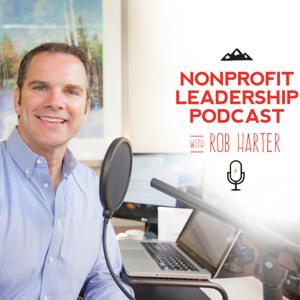

Rob interviews William Vanderbloemen who shares his experience about starting a cause-based search firm. His firm emphasizes the need for nonprofits to prioritize soft skills when recruiting new staff. He also highlights the significance of clearly articulating the organization’s mission and values to attract the right talent. Additionally, Vanderbloemen emphasizes the role of a healthy organizational culture in recruitment and retention, and suggests using tools like theculturetool.com to assess and improve culture. In this conversation, Rob and William discuss the importance of organizational culture and employee satisfaction in the nonprofit sector. They explore the eight cultural values that shape behavior within an organization and how to assess and improve culture. They also discuss the impact of culture on employee retention and the need for organizations to adapt to the changing expectations of millennials and Gen Z. The conversation highlights the value of feedback and collaboration in creating a positive culture, as well as the importance of balancing professional development with organizational efficiency.
Recruiting the right people at the right time is crucial for staff retention in nonprofits. Soft skills, or human-to-human skills, are essential for success in the nonprofit sector. Nonprofits should clearly articulate their mission and values to attract the right talent. A healthy organizational culture is key to recruitment and retention in nonprofits. Assessing and improving organizational culture is crucial for nonprofit organizations to create a healthy and effective work environment. Understanding the cultural values that shape behavior within an organization can help identify areas for improvement. Employee satisfaction and well-being are key factors in retaining staff, especially in a generation that values career mobility. Involving staff in the decision-making process and addressing their feedback can lead to a more engaged and committed workforce. Balancing professional development with organizational efficiency requires identifying the right timing and opportunities for growth.
#FromTheArchives
 View all episodes
 By Dr. Rob Harter

4.7
8080 ratings
Rob interviews William Vanderbloemen who shares his experience about starting a cause-based search firm. His firm emphasizes the need for nonprofits to prioritize soft skills when recruiting new staff. He also highlights the significance of clearly articulating the organization’s mission and values to attract the right talent. Additionally, Vanderbloemen emphasizes the role of a healthy organizational culture in recruitment and retention, and suggests using tools like theculturetool.com to assess and improve culture. In this conversation, Rob and William discuss the importance of organizational culture and employee satisfaction in the nonprofit sector. They explore the eight cultural values that shape behavior within an organization and how to assess and improve culture. They also discuss the impact of culture on employee retention and the need for organizations to adapt to the changing expectations of millennials and Gen Z. The conversation highlights the value of feedback and collaboration in creating a positive culture, as well as the importance of balancing professional development with organizational efficiency.
Recruiting the right people at the right time is crucial for staff retention in nonprofits. Soft skills, or human-to-human skills, are essential for success in the nonprofit sector. Nonprofits should clearly articulate their mission and values to attract the right talent. A healthy organizational culture is key to recruitment and retention in nonprofits. Assessing and improving organizational culture is crucial for nonprofit organizations to create a healthy and effective work environment. Understanding the cultural values that shape behavior within an organization can help identify areas for improvement. Employee satisfaction and well-being are key factors in retaining staff, especially in a generation that values career mobility. Involving staff in the decision-making process and addressing their feedback can lead to a more engaged and committed workforce. Balancing professional development with organizational efficiency requires identifying the right timing and opportunities for growth.
#FromTheArchives

21,984 Listeners
10,724 Listeners
2,272 Listeners
1,161 Listeners
1,455 Listeners

4,571 Listeners

321 Listeners

4,426 Listeners

56,595 Listeners

1,209 Listeners
9,161 Listeners
2,445 Listeners
1,124 Listeners
2,172 Listeners

20,090 Listeners