
Sign up to save your podcasts
Or



Based on Podcast App listening data
In this mini-sode we unpack a standout chapter from The Life Hack Playbook using the “Skittles” framework—an unfiltered, easy-to-grasp way to measure where your energy is actually going each day. The message is simple and confronting: energy is currency, and what you consistently “fund” with your attention is what grows—whether that’s purpose, progress, resentment, or the same recycled excuses.
Joined by Cameron and Wiley Karber, the conversation moves from rant to real-life application: how scrolling, gossip, venting, and negative rehearsal quietly invest in the reality you say you want to change. They explore “sneaky drains” like unfinished tasks and lingering mental load—the background programs running on your brain that steal focus, capacity, and peace without you noticing. The episode lands on a practical takeaway: audit the ledger, reduce friction, clear the live wires, and intentionally reallocate your energy toward what actually matters—so your life changes not magically, but measurably.
This podcast dives deep into real, raw topics—think vulnerability, triggers, and childhood trauma. But just so we're super clear: I’m not a licensed therapist, mental health professional, or anything close. I’m just a human sharing stories, lessons, and life hacks based on personal experience and a whole lot of curiosity.
So, while you might find some golden nuggets here, this is not therapy and should never replace professional mental health care. If you or someone you love is going through it, please—seriously—reach out to a licensed therapist or healthcare provider. You deserve the real deal.
Need Help Now?
Here are a few amazing resources:
· 988 Suicide & Crisis Lifeline (U.S.): Call or text 988
· NAMI HelpLine: 1-800-950-NAMI (6264) or nami.org/help
· Therapy Directory: psychologytoday.com
· Crisis Text Line: Text HOME to 741741
The opinions expressed on this show are ours and ours alone—no official organizations are responsible for what we say (or how much we overshare).
This show is proudly produced at PS Studios — learn more https://www.psstudios.co
In this powerful conversation, Anne sits down with Jazzy The Healer for a grounded, no-fluff reset on self-worth, boundaries, and what it actually means to show up for yourself. They unpack how people-pleasing gets programmed early, why “replaying your story with switched roles” can change everything, and how self-care can become the decision that saves your life—not a luxury you earn later.
You’ll hear practical truth about driving on fumes, learning to say “no” without over-explaining, and recognizing that your triggers aren’t random—they’re your assignment. Jazzy and Anne explore the discipline of rest, the courage to admit when you don’t have enough to give, and the difference between being abundant in money versus abundant in life. From “put your mask on first” to sitting with your shadows, this episode is a direct invitation to embody your highest self, reclaim your energy, and become the version of you that your younger self would be proud of.
Jazzy The Healer is a multi-hyphenate creative, spiritual guide, and performer whose work bridges sacred healing and center-court presence. As a Massage Therapist and Energy Healer, Jazzy helps people move from chaos to clarity through intentional self-care, honest self-inquiry, and everyday ritual. She is also a National Anthem performer for the WNBA, NBA, NCAA, and major sporting events, bringing grounding, power, and soul into every space she enters. Through her work and her brand, Everyday Alchemy, Jazzy creates spaces where people feel safe, seen, supported — and reminded of their own magic.
http://www.instagram.com/jazzy_thehealer
http://linktr.ee/jazzy_thehealer
This podcast dives deep into real, raw topics—think vulnerability, triggers, and childhood trauma. But just so we're super clear: I’m not a licensed therapist, mental health professional, or anything close. I’m just a human sharing stories, lessons, and life hacks based on personal experience and a whole lot of curiosity.
So, while you might find some golden nuggets here, this is not therapy and should never replace professional mental health care. If you or someone you love is going through it, please—seriously—reach out to a licensed therapist or healthcare provider. You deserve the real deal.
Need Help Now?
Here are a few amazing resources:
· 988 Suicide & Crisis Lifeline (U.S.): Call or text 988
· NAMI HelpLine: 1-800-950-NAMI (6264) or nami.org/help
· Therapy Directory: psychologytoday.com
· Crisis Text Line: Text HOME to 741741
The opinions expressed on this show are ours and ours alone—no official organizations are responsible for what we say (or how much we overshare).
This show is proudly produced at PS Studios — learn more https://www.psstudios.co
In this mini-sode, Anne and Cameron break down the “Insta-Trigger Reflex”—that split-second emotional hijack when a stranger’s curated post flips your mood into jealousy, irritation, insecurity, or a full spiral. The key insight: most reactions aren’t about what you saw, they’re about what it poked—unhealed comparison wounds, unmet desires, and ego bruises that quietly hand your self-worth to someone else’s highlight reel.
They reframe social media as a trigger mirror you can use as emotional intelligence homework: notice the reaction, name the wound, and turn it into self-work instead of self-sabotage. Practical takeaways include curating your feed with intention, unfollowing without guilt, avoiding doom-scrolling, and recognizing how algorithms amplify outrage and misinformation—especially when clips are taken out of context and spread without responsibility. The episode ultimately lands on emotional sovereignty: your mood is not negotiable based on someone else’s content, and you always have the power to take your energy—and your day—back.
This podcast dives deep into real, raw topics—think vulnerability, triggers, and childhood trauma. But just so we're super clear: I’m not a licensed therapist, mental health professional, or anything close. I’m just a human sharing stories, lessons, and life hacks based on personal experience and a whole lot of curiosity.
So, while you might find some golden nuggets here, this is not therapy and should never replace professional mental health care. If you or someone you love is going through it, please—seriously—reach out to a licensed therapist or healthcare provider. You deserve the real deal.
Need Help Now?
Here are a few amazing resources:
· 988 Suicide & Crisis Lifeline (U.S.): Call or text 988
· NAMI HelpLine: 1-800-950-NAMI (6264) or nami.org/help
· Therapy Directory: psychologytoday.com
· Crisis Text Line: Text HOME to 741741
The opinions expressed on this show are ours and ours alone—no official organizations are responsible for what we say (or how much we overshare).
This show is proudly produced at PS Studios — learn more https://www.psstudios.co
In “Generational Patterns,” Anne opens with a direct conversation about the hidden ways childhood pain gets carried forward—especially for men taught to survive abuse, neglect, and emotional shutdown by staying silent instead of healing. Joined by her husband Cameron and their nearly 19-year-old son Wiley, the episode moves into a raw family discussion about what it actually takes to break generational patterns in real time.
Cameron shares the reality of growing up with a deeply damaging father relationship—and how “not repeating the abuse” isn’t enough if the deeper behavioral programming stays intact. Together, they unpack the quieter patterns that get passed down: avoidance, emotional absence, delayed connection, overwork, control, and the instinct to minimize pain until it mutates into anger or disconnection. Anne reflects on sobriety, perspective shifts over time, and the humbling moment of hearing her son say he doesn’t even remember her drinking—evidence of how hard internal work can change what the next generation experiences as “normal.”
This episode is both a mirror and a roadmap: savage self-awareness, learning emotional language, getting support, noticing the “little” moments that shape attachment, and choosing presence over default reactions. The central message is clear—healing isn’t about rewriting the past; it’s about refusing to pass it forward, so your kids grow up lighter, safer, and more emotionally free than you ever were.
Cameron Karber is an Arizona native and passionate entrepreneur with a lifelong love for competitive angling.
https://www.instagram.com/karberfishing/
https://www.facebook.com/p/Karber-Fishing-61554201821670/
http://www.karberfishing.com
This podcast dives deep into real, raw topics—think vulnerability, triggers, and childhood trauma. But just so we're super clear: I’m not a licensed therapist, mental health professional, or anything close. I’m just a human sharing stories, lessons, and life hacks based on personal experience and a whole lot of curiosity.
So, while you might find some golden nuggets here, this is not therapy and should never replace professional mental health care. If you or someone you love is going through it, please—seriously—reach out to a licensed therapist or healthcare provider. You deserve the real deal.
Need Help Now?
Here are a few amazing resources:
· 988 Suicide & Crisis Lifeline (U.S.): Call or text 988
· NAMI HelpLine: 1-800-950-NAMI (6264) or nami.org/help
· Therapy Directory: psychologytoday.com
· Crisis Text Line: Text HOME to 741741
The opinions expressed on this show are ours and ours alone—no official organizations are responsible for what we say (or how much we overshare).
This show is proudly produced at PS Studios — learn more https://www.psstudios.co
In this Elementary EQ minisode of Let’s Get Naked, Anne and Cameron unpack the Martyr Meltdown—that familiar pattern where “I’ll just do it myself” slowly turns into resentment, burnout, and emotional explosions. What starts as generosity often masks deeper issues: control, unspoken expectations, inherited roles, and the belief that suffering equals worth.
Through candid storytelling and sharp emotional insight, Anne breaks down how martyrdom shows up in relationships, parenting, and daily life—especially through invisible scorekeeping, unshared cognitive load, and unasked-for responsibility. The episode explores why no one wants the emotional invoice that comes after overgiving, and how the real work begins when you stop playing the hero and start setting boundaries.
This conversation challenges listeners to examine perceived expectations, release outdated programming, and recognize that asking for help is not weakness—it’s emotional intelligence. If you feel stretched thin, underappreciated, or stuck in a cycle of resentment, this episode offers a direct, no-BS invitation to put the pen down, rewrite the story, and choose a healthier way forward.
This podcast dives deep into real, raw topics—think vulnerability, triggers, and childhood trauma. But just so we're super clear: I’m not a licensed therapist, mental health professional, or anything close. I’m just a human sharing stories, lessons, and life hacks based on personal experience and a whole lot of curiosity.
So, while you might find some golden nuggets here, this is not therapy and should never replace professional mental health care. If you or someone you love is going through it, please—seriously—reach out to a licensed therapist or healthcare provider. You deserve the real deal.
Need Help Now?
Here are a few amazing resources:
· 988 Suicide & Crisis Lifeline (U.S.): Call or text 988
· NAMI HelpLine: 1-800-950-NAMI (6264) or nami.org/help
· Therapy Directory: psychologytoday.com
· Crisis Text Line: Text HOME to 741741
The opinions expressed on this show are ours and ours alone—no official organizations are responsible for what we say (or how much we overshare).
This show is proudly produced at PS Studios — learn more https://www.psstudios.co
This powerful episode of Let’s Get Naked features wellness expert Darlene Greene in a raw, eye-opening conversation about the hidden drivers of health, healing, and human resilience. Darlene and Anne explore why the body is its own source of wisdom, how modern medicine often overlooks root causes, and why relying solely on prescriptions or antibiotics can create deeper imbalances. Darlene breaks down the science and real-world impact of GHK-CU, one of the most powerful peptides for cellular repair, along with how light-patch therapy can activate the body’s natural healing pathways more effectively than injections. They discuss terrain theory, chronic stress, self-care, and the emotional burden placed on today’s caregivers. If you’re curious about alternative healing, root-cause medicine, or the future of peptide and light-based therapies, this episode will challenge your assumptions and expand how you think about your own health.
Darlene Greene is a retired Navy Commander with over 26 years of experience in executive leadership and senior management positions across diverse industries, including positions such as: Vice President of Strategic Technology Partner at McAfee (Intel), Dean of Culver Girls Academy, and currently Director of Client Services for HyeTech Networks and Security and health technology consultant.
Darlene’s passion is helping people activate their stem cells by elevating their GHK-Cu, repairing their DNA, reversing age, and getting out of pain through the latest photobiomodulation technology.
https://www.facebook.com/darlene.bennett.greene
https://www.linkedin.com/in/darlenegreene/
https://www.youtube.com/@DarleneGreene-iamreverseaging
This podcast dives deep into real, raw topics—think vulnerability, triggers, and childhood trauma. But just so we're super clear: I’m not a licensed therapist, mental health professional, or anything close. I’m just a human sharing stories, lessons, and life hacks based on personal experience and a whole lot of curiosity.
So, while you might find some golden nuggets here, this is not therapy and should never replace professional mental health care. If you or someone you love is going through it, please—seriously—reach out to a licensed therapist or healthcare provider. You deserve the real deal.
Need Help Now?
Here are a few amazing resources:
· 988 Suicide & Crisis Lifeline (U.S.): Call or text 988
· NAMI HelpLine: 1-800-950-NAMI (6264) or nami.org/help
· Therapy Directory: psychologytoday.com
· Crisis Text Line: Text HOME to 741741
The opinions expressed on this show are ours and ours alone—no official organizations are responsible for what we say (or how much we overshare).
This show is proudly produced at PS Studios — learn more https://www.psstudios.co
In this mini-sode, the conversation challenges a modern habit that’s quietly damaging relationships and mental clarity: text messaging as a primary form of communication. The key issue isn’t convenience—it’s distortion. Text strips away tone, timing, facial expression, and context, making it dangerously easy to misread intent, assume the worst, and create conflict that never needed to exist.
You’ll hear why people are increasingly trying to live a full emotional life through a phone screen—and how that shift fuels anxiety, misunderstandings, and avoidable stress. We explore the internal side of the problem: how the mind fills in missing information, loops on stories, and turns ambiguity into suffering. The takeaway is practical and immediate: if you want clearer relationships, calmer decision-making, and fewer unnecessary blowups, you need better communication channels than a text thread.
This podcast dives deep into real, raw topics—think vulnerability, triggers, and childhood trauma. But just so we're super clear: I’m not a licensed therapist, mental health professional, or anything close. I’m just a human sharing stories, lessons, and life hacks based on personal experience and a whole lot of curiosity.
So, while you might find some golden nuggets here, this is not therapy and should never replace professional mental health care. If you or someone you love is going through it, please—seriously—reach out to a licensed therapist or healthcare provider. You deserve the real deal.
Need Help Now?
Here are a few amazing resources:
· 988 Suicide & Crisis Lifeline (U.S.): Call or text 988
· NAMI HelpLine: 1-800-950-NAMI (6264) or nami.org/help
· Therapy Directory: psychologytoday.com
· Crisis Text Line: Text HOME to 741741
The opinions expressed on this show are ours and ours alone—no official organizations are responsible for what we say (or how much we overshare).
This show is proudly produced at PS Studios — learn more https://www.psstudios.co
This episode delivers an unfiltered conversation on marriage, identity, and personal transformation featuring Belinda Christie and Casey Morgan. Through raw storytelling and hard-earned lessons, the discussion explores how relationships evolve when individuals stop performing old patterns and start asking deeper, more honest questions. From navigating health crises and emotional setbacks to confronting ego, boundaries, and self-worth, the episode highlights how “the little things” compound into meaningful change. Belinda and Casey reflect on surrender, recognizing destructive behaviors, reclaiming personal power, and learning when to say no. The result is a candid exploration of growth, intimacy, and what it truly means to show up as a whole, authentic partner without dimming yourself for anyone.
Belinda Christie is an intuitive channel, Reiki practitioner, and sound healing facilitator dedicated to helping others reconnect with their true essence. Through Reiki Energy and the Connecting With the Creator Method, she serves as a conduit for Source’s blessings, offering restorative and soul-nourishing experiences. Belinda also weaves the power of frequency and vibration into her work, guiding clients into states of deep balance, release, and transformation. With a gift for holding sacred, supportive space, she empowers others to embody love, align with their higher path, and experience healing on every level—mind, body, and spirit.
Casey Morgan is a mom of three who’s been working alongside Anne Karber, host of Let’s Get Naked Podcast, for more than 20 years — which means she’s seen (and survived) just about everything. Equal parts organized and easygoing, Casey has a talent for keeping chaos in check without losing her sense of humor. She’s the one making sure life and the Let’s Get Naked podcast run smoothly, all while building a collection of stories, perspectives, and behind-the-scenes moments you won’t hear anywhere else.
This podcast dives deep into real, raw topics—think vulnerability, triggers, and childhood trauma. But just so we're super clear: I’m not a licensed therapist, mental health professional, or anything close. I’m just a human sharing stories, lessons, and life hacks based on personal experience and a whole lot of curiosity.
So, while you might find some golden nuggets here, this is not therapy and should never replace professional mental health care. If you or someone you love is going through it, please—seriously—reach out to a licensed therapist or healthcare provider. You deserve the real deal.
Need Help Now?
Here are a few amazing resources:
· 988 Suicide & Crisis Lifeline (U.S.): Call or text 988
· NAMI HelpLine: 1-800-950-NAMI (6264) or nami.org/help
· Therapy Directory: psychologytoday.com
· Crisis Text Line: Text HOME to 741741
The opinions expressed on this show are ours and ours alone—no official organizations are responsible for what we say (or how much we overshare).
This show is proudly produced at PS Studios — learn more https://www.psstudios.co
In this mini episode of Let’s Get Naked, Anne kicks off the Elementary EQ series with a brutally relatable topic: the traffic tantrum—and what it reveals about emotional intelligence. From blinkerless lane changes to blocked intersections, traffic becomes the perfect mirror for how quickly adults hand over their mood, energy, and nervous system to total strangers.
Anne and Cameron break down why traffic rage isn’t about the road—it’s about misplaced regulation, wasted emotional energy, and unexamined habits. Using the concept of finite “energy currency,” they explore how losing your cool over minor inconveniences drains the same resources you need for presence, joy, and connection later in the day. The episode reframes traffic as low-hanging fruit for EQ growth—a daily opportunity to practice self-awareness, restraint, and emotional maturity.
Blending humor, blunt truth, and practical reframes, this conversation challenges listeners to stop personalizing inconvenience, recognize toddler-level reactions in adult bodies, and intentionally choose the “chill way.” At its core, this episode is about reclaiming agency over your emotional state, conserving energy for what actually matters, and learning how small moments of self-regulation can create outsized change in everyday life.
This podcast dives deep into real, raw topics—think vulnerability, triggers, and childhood trauma. But just so we're super clear: I’m not a licensed therapist, mental health professional, or anything close. I’m just a human sharing stories, lessons, and life hacks based on personal experience and a whole lot of curiosity.
So, while you might find some golden nuggets here, this is not therapy and should never replace professional mental health care. If you or someone you love is going through it, please—seriously—reach out to a licensed therapist or healthcare provider. You deserve the real deal.
Need Help Now?
Here are a few amazing resources:
· 988 Suicide & Crisis Lifeline (U.S.): Call or text 988
· NAMI HelpLine: 1-800-950-NAMI (6264) or nami.org/help
· Therapy Directory: psychologytoday.com
· Crisis Text Line: Text HOME to 741741
The opinions expressed on this show are ours and ours alone—no official organizations are responsible for what we say (or how much we overshare).
This show is proudly produced at PS Studios — learn more https://www.psstudios.co
In this brutally honest and refreshingly relatable episode, Anne sits down with Brittany Karber to unpack what really happens when you step away from social media—and why the freedom is far deeper than anyone admits. Brittany shares how cutting off apps transformed her mental health, friendships, and daily energy, explaining everything from “social media food poisoning” to addictive rabbit holes, retinal-scan level app locks, and the unexpected depression ebb-and-flow that comes with detoxing your brain from constant comparison culture. She opens up about losing friends, rediscovering real life, hosting intentional dinners, reconnecting with nature, and how unplugging made space for what she calls “The Anne Project,” a personal evolution built on clarity instead of chaos. If you've ever wondered whether deleting the apps might change your life, Brittany’s story will hit you harder than you expect—and she might even convince you to do it.
Brittany Karber is the daughter of Anne Karber, so she is destined to succeed, naturally! She has traveled many places, met many people, and shared many experiences with the world around her. Since Brittany was able to, she has been passionate about cleaning and organizing; like OCD, but in a cool way. Brittany loves being outdoors in any way, playing any kind of games (board, card, court, video, etc.)
This podcast dives deep into real, raw topics—think vulnerability, triggers, and childhood trauma. But just so we're super clear: I’m not a licensed therapist, mental health professional, or anything close. I’m just a human sharing stories, lessons, and life hacks based on personal experience and a whole lot of curiosity.
So, while you might find some golden nuggets here, this is not therapy and should never replace professional mental health care. If you or someone you love is going through it, please—seriously—reach out to a licensed therapist or healthcare provider. You deserve the real deal.
Need Help Now?
Here are a few amazing resources:
· 988 Suicide & Crisis Lifeline (U.S.): Call or text 988
· NAMI HelpLine: 1-800-950-NAMI (6264) or nami.org/help
· Therapy Directory: psychologytoday.com
· Crisis Text Line: Text HOME to 741741
The opinions expressed on this show are ours and ours alone—no official organizations are responsible for what we say (or how much we overshare).
This show is proudly produced at PS Studios — learn more https://www.psstudios.co
From the publisher's feed
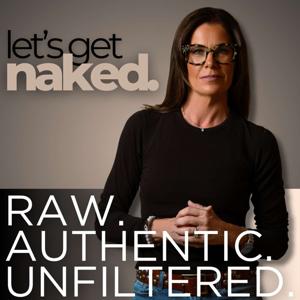
Let's Get Naked isn't about getting naked physically.
It's about stripping away the excuses, the ego, the victim stories, the BS we've all been dragging around, and taking…
Every week, Anne Karber sits down with incredible guests—and occasionally goes off on her own—to tackle the conversations most people avoid. Emotional maturity. Relationships. Success. Failure. Trauma. Politics. Parenting. Addiction. Leadership. Money. Fear. Identity. Personal responsibility. Nothing's off limits.
If you're looking for polished interviews full of rehearsed talking points and inspirational clichés...you're probably in the wrong place.
If you're ready to laugh, get uncomfortable, challenge your own thinking, and maybe realize you've been making your own life harder than it needs to be...welcome.
Around here we believe:
Some episodes will make you laugh.
Some will punch you in the emotional face.
The best ones usually do both.
So pull up a chair, leave your ego at the door, and...
Let's Get Naked.
Disclaimer (Because Apparently We Need One)
Let's get a few things straight...
I'm not a therapist. I'm not a psychologist. I'm not a psychiatrist. I'm not your life coach. I don't even play one on the internet.
I'm just a curious human who has spent a ridiculous amount of time fixing my own shit, talking to fascinating people, asking uncomfortable questions, and occasionally saying the quiet part out loud.
This show is full of stories, opinions, observations, questionable analogies, wildly inappropriate laughter, and an unhealthy amount of oversharing. If something resonates, awesome. If it inspires you to look at your own life a little differently, even better.
But this podcast is not therapy, medical advice, legal advice, financial advice, or permission to text your ex.
If your life is genuinely kicking your ass, please go talk to someone who's actually qualified. Asking for help is badass.
Also, the opinions shared here belong to us, our guests, and whoever was brave enough to sit in front of the microphones that day. They don't represent our employers, sponsors, families, neighbors, or anyone else who'd probably prefer plausible deniability.
Now that we've handled the grown-up stuff...
Take what serves you.
Leave what doesn't.
And for the love of all things holy...
Fix your shit.
Need Help Now?
Here are a few amazing resources:
· 988 Suicide & Crisis Lifeline (U.S.): Call or text 988
· NAMI HelpLine: 1-800-950-NAMI (6264) or nami.org/help
· Therapy Directory: psychologytoday.com
· Crisis Text Line: Text HOME to 741741
Ranked by our users in the last 21 days

227,562 Listeners

43,324 Listeners

8,463 Listeners
369,570 Listeners

164,509 Listeners

27,855 Listeners

3,867 Listeners

19,270 Listeners

5,078 Listeners

15,942 Listeners

148 Listeners

216 Listeners