
Sign up to save your podcasts
Or



Based on Podcast App listening data
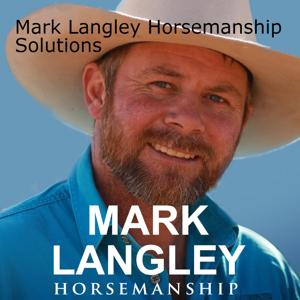
What should you check before putting a horse under saddle — especially when you don’t know everything about its previous training?
In this episode, Mark answers questions about taking an eight-year-old mare through the early stages of starting, helping a horse become comfortable with girth pressure, and addressing anxiety when a horse begins to struggle once a float ramp is closed or the vehicle starts moving.
Listen to find out why good preparation is about much more than simply getting a horse to stand still or accept a saddle, how to recognise anxiety and tension before they become bigger problems, and why developing softness, mobility and understanding can make horses safer and more confident as their education progresses.
Mark also explains why previous experiences can influence how horses respond to training, how to assess what a horse already understands, and why the horse’s education needs to stay ahead of the challenges you are asking it to handle.
Want to apply Mark’s approach with your own horse?
Join Mark Langley Online for access to the complete training library, detailed step-by-step groundwork and ridden exercises, and regular member Q&A support to help you better understand your horse’s behaviour, training and emotional responses.
Trail riding can reveal a lot about how well a horse handles change, pressure and the presence of other horses.
In this episode, Mark answers member questions about preparing horses for unfamiliar trail situations, riding safely in groups, and why some horses become unsettled when they are asked to ride at the back. Learn about how horses process their surroundings and how riders can use education to improve challenges before they become problems on the trail.
Mark also addresses how to improve rein responsiveness in a large horse that is hard to stop.
Learn more at Mark Langley Online, with access to the complete training library, step-by-step groundwork and ridden exercises, and regular member Q&A support.
Mark answers member questions about head shyness, head tossing, bit chomping, nipping and cribbing, looking beyond the behaviour to understand what horses are actually thinking and feeling.
“Memories can be changed and you can create new associations with things.”
Listen to this podcast episode to learn what you can do to help your horse through these situations.
Get access to Mark’s complete training library, detailed groundwork and ridden exercises, plus regular member Q&A support through Mark Langley Online.
What does Mark mean when he talks about eye brace, resetting a horse, emptying the worry cup, shutting out and shutting down?
In this special episode, Jenny asks Mark to explain some of the terminology he uses when assessing and working with horses — and, more importantly, what is actually happening in the horse’s mind.
Mark explains what a healthy “flow” mindset looks like, how to recognise when a horse is coping versus shutting down or shutting out, and why a horse that appears quiet may actually be carrying a significant amount of worry.
You’ll also learn how Mark uses resets to bring a horse back into an active, thinking state, how horses can learn to process pressure rather than simply escape it, and what he means by eye brace — when a horse’s eyes and mind stop searching and interacting with what is happening around them.
The episode also explores the “worry cup”, why allowing a horse to make decisions can help reduce anxiety, and why understanding a horse’s history and previous training is so important when deciding how to help them.
A fascinating insight into how Mark reads a horse’s mindset — and how changing that mindset can change the way a horse learns, responds and feels.
Continue your horsemanship journey with Mark Langley Online — practical training solutions, full video lessons and ongoing guidance to help you and your horse progress with confidence.
This week Mark looks at some common horse behaviours and asks a simple question: is it okay if…?
What if your horse looks around on a trail ride? Doesn’t want to work in a particular arena? Nips during rehabilitation exercises? Or becomes increasingly anxious the further you get from home?
Rather than simply trying to stop the behaviour, Mark explains how to look at what the horse is communicating, how comfortable they are with pressure, and what may be happening emotionally underneath the surface.
You’ll learn about graded exposure, helping horses become more comfortable with pressure, understanding nervousness through the eyes, and building confidence away from home by creating experiences where the horse can feel safe and successful.
A practical episode about looking beyond the behaviour to understand the horse.
Want to understand your horse on a deeper level?
Join Mark Langley’s online membership for access to the full training library, step-by-step exercises and regular Q&A support to help you better understand your horse’s behaviour, training and emotional responses.
Learn to create more confidence, softness and understanding in your horse.
👉 Find out more at marklangley.com.au and click Join.
Some horses refuse to load. Others load perfectly for years before suddenly deciding they don't want to step into the trailer anymore. So what's really happening? And a look into why, if getting a horse on with something behind it is easier, why Mark doesn't advise it.
Plus - ever been told to "make the outside of the trailer uncomfortable"? Listen to find out why this doesn't build confidence and an alternative that is much better for your horse.
Throughout the podcast, Mark explains how helping horses understand pressure, boundaries and movement creates safer, calmer loading that lasts well beyond simply getting them onto the trailer.
Ready to go deeper? Join Mark Langley Online for practical lessons, personalised insights and a supportive learning community. Inside you'll find detailed training that takes you deep into foundations that set your horse to understand and cope with loading and travelling. Take a look and see if its a good fit for you with the 7 day free trial.
This week, we're asking Mark for his opinion on three common questions horse owners often face.
Should you keep riding a horse that's making you lose confidence? Is it harmless when a young horse constantly mouths everything, or is it a habit that needs changing? And when it comes to massage, chiropractic care, stretching, red light therapy and acupuncture—are they really worth the investment?
Drawing on decades of experience, Mark shares his thoughts on building confidence, preventing unwanted habits before they become ingrained, and why education, correct training and understanding the horse's mind remain the foundation of long-term soundness.
Want to learn how to apply these principles with your own horse?
Join the Mark Langley Horsemanship Membership for access to over 800 step-by-step training videos, practical exercises and regular member Q&As—giving you the knowledge to understand your horse's behaviour and make confident training decisions every step of the way.
This week, Mark answers three member questions about horses that appear very different—but all share the same underlying cause.
Learn why an ex-harness horse becomes defensive during saddling and rugging, how to help an impatient young horse stand quietly, and why a horse that leads well can still struggle with worming.
Rather than focusing on the behaviour itself, Mark explains how changing a horse's mindset creates lasting change. Discover practical ways to build softness, trust and emotional balance through clearer communication and better understanding of how horses think.
Want help applying these ideas to your own horse?
Join the Mark Langley Horsemanship Membership and access over 800 step-by-step training videos that show you exactly how to develop softness, confidence and understanding at every stage of training. With regular member Q&As and a complete training platform, you'll gain the knowledge to solve problems by understanding why they happen—not just managing the symptoms.
Why does one horse plant their feet while another refuses to trot? Although the behaviours look different, they often share the same underlying cause.
In this episode, Mark answers questions from members about horses that stop, shut down or resist moving forward under saddle. He explains why adding more pressure isn't always the answer, and shares practical training ideas to help horses become more confident, responsive and willing.
You'll also hear advice on ribcage awareness, forward thinking, separation anxiety, float preparation and helping horses stay mentally connected during training.
Could a horse that bites during handling and another that rushes under saddle actually be struggling with the same underlying issue?
In this episode, Mark explains why behaviours like biting, spooking, rushing and resistance are often connected—not by disobedience or dominance, but by anxiety, confusion and the way horses have learned to respond to pressure.
Through two real member questions, Mark shares practical advice on rebuilding confidence, improving leading, creating healthier personal space, preparing horses before lunging, and helping anxious horses become softer and more willing partners.
If you've ever felt like you're fixing one problem only for another to appear, this episode will help you understand what's really happening beneath the surface.
If you'd like to dive deeper into creating softer, more confident horses through practical step-by-step training, explore the Mark Langley Horsemanship Membership, where every week we help members work through challenges just like these.
From the publisher's feed
Ranked by our users in the last 21 days

779 Listeners

755 Listeners

131 Listeners

547 Listeners

8,463 Listeners

3,612 Listeners
443 Listeners
19 Listeners
213 Listeners

2,028 Listeners

19,270 Listeners

1,613 Listeners

1,051 Listeners

242 Listeners

250 Listeners