
Sign up to save your podcasts
Or

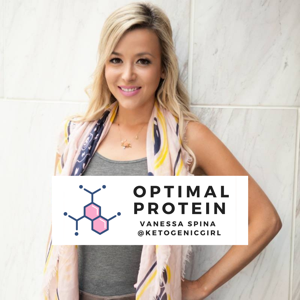
By Vanessa Spina


4.6
750750 ratings


The podcast currently has 1,215 episodes available.
The most played episodes among Podcast App listeners.
Vanessa breaks down the biggest takeaways from her conversation with Dr. Sara Oikawa, including what the research says about losing body fat while preserving—or even gaining—lean mass. A major focus is a tightly controlled body recomposition study in which young men followed a 40% calorie deficit while completing intensive resistance and interval training. The group consuming 2.4 g/kg of protein per day actually gained lean mass while losing fat, while the lower-protein group maintained lean mass. Vanessa explains why resistance training was likely the most important signal, how higher protein intake may support muscle preservation during a deficit, and why body recomposition depends on much more than calories alone. Back-to-School Sale! Save 40% sitewide at ketogenicgirl.com with code BACKTOSCHOOL40, including the Protein-Sparing Modified Fasting Library, ToneLUX Red Light Therapy Collection, and Tone Breath Ketone Analyzer. Australia, New Zealand & Southeast Asia: Save 75% on available ToneLUX and Tone products during our warehouse moving sale with code WAREHOUSE75, while supplies last. Vanessa also recaps Dr. Oikawa's step-reduction research, where older adults reduced their activity to just 750 steps per day. Even while consuming a high-protein diet, participants still lost lean mass—highlighting why protein cannot completely replace the stimulus of muscle contraction. Another major focus is protein quality. Vanessa breaks down research comparing whey protein isolate and collagen peptides, why they do not produce the same muscle protein synthetic response, and why simply counting total grams of "protein" may not tell you whether you are getting enough essential amino acids to support muscle. They also explore how aging, energy availability, periods of inactivity, illness, surgery, and aggressive calorie restriction can influence muscle loss and recovery. 🥤 True Nutrition Create your own custom protein blend at truenutrition.com/vanessa and use code VANESSA for 20% off your first order. Let Vanessa know what your custom blend is! Now shipping internationally. In This Episode Can you gain muscle while losing body fat? The 40% calorie-deficit body recomposition study Why the 2.4 g/kg protein group gained lean mass Why the 1.2 g/kg group maintained lean mass Why resistance training may be the most important muscle-preserving signal Why protein cannot fully "out-nutrition" inactivity What happened when participants dropped to 750 steps per day How quickly skeletal muscle responds to reduced activity Why muscle contraction matters during fat loss High protein during a calorie deficit Protein quality versus total protein intake Whey protein isolate vs. collagen peptides Why collagen does not stimulate muscle protein synthesis like whey Essential amino acids and leucine Why a protein label does not tell the whole story Why aging changes the muscle protein synthetic response Anabolic resistance and older adults Why energy availability matters for preserving muscle When aggressive calorie restriction may work against your goals Muscle loss during illness, injury and inactivity Why recovery is an especially important time to prioritize protein How resistance training helps preserve lean mass during weight loss Why scale weight does not tell you the quality of your weight loss Fat loss versus lean mass loss Why body composition matters more than simply becoming lighter How to protect hard-earned muscle while dieting Why muscle is one of the most valuable tissues to preserve as we age How nutrition and exercise can support recovery from surgery Why protein, training and total energy all work together⸻ 🔥 Limited-Time Offers Save 40% sitewide at ketogenicgirl.com with code BACKTOSCHOOL40. Australia, New Zealand & Southeast Asia: Save 75% on available ToneLUX and Tone products with code WAREHOUSE75, while supplies last. 📲 Follow Vanessa Follow Vanessa's postpartum body recomposition journey on Instagram @ketogenicgirl. 📚 Free Resource Get your free high-protein keto guide: 👉 The Keto Reset eBook 👤 Connect with Vanessa Instagram: @ketogenicgirl 📱 Follow for: Latest fat loss research Protein optimization strategies Body recomposition science 🎙 @optimalproteinpodcast for episode updates 💬 Join the Optimal Protein Podcast Community on Facebook ⚠️ Disclaimer This podcast is for informational purposes only and is not medical or nutritional advice. Always consult your healthcare provider before making dietary or lifestyle changes.

Dr. Cassandra Evans joins Vanessa to break down the science of protein, body recomposition, fat loss, muscle preservation, genetics, caffeine, and women's iron health. BACK TO SCHOOL SALE! For a limited time, save 40% sitewide at ketogenicgirl.com with code BACKTOSCHOOL40, including the Protein-Sparing Modified Fasting Library, ToneLUX Red Light Therapy Collection, and Tone Breath Ketone Analyzer. Australia, New Zealand & Southeast Asia: Save 75% on available ToneLUX and Tone products during the warehouse moving sale with code WAREHOUSE75, while supplies last. They discuss how much protein may be optimal during body recomposition and fat loss, including research showing that higher-protein diets can help preserve lean mass, improve satiety, and in some cases even support muscle gain while losing body fat. Cassandra also shares fascinating protein-overfeeding research suggesting that increasing calories from protein may affect body composition very differently than overfeeding on fat or carbohydrates. They break down the myth that high-protein diets are harmful to bone health, including research in resistance-trained women, and explore the FTO "obesity gene," how it may influence hunger and food intake, and why exercise appears to reduce some of the differences associated with genetic risk. Try my favorite new electrolytes Cure Hydration! Head to curehydration.com/VANESSA and use code VANESSA to save 20% on your order. 💙 Now available on Amazon! Vanessa and Cassandra also discuss caffeine and energy drinks, why caffeine appears to be doing most of the heavy lifting for performance and cognition, and common myths around caffeine and hydration. They finish with Cassandra's emerging research on lactoferrin and iron status in women, including how lactoferrin may influence hepcidin, iron utilization, gut health, pregnancy, postpartum health, and menopause. In this episode: How much protein do you need for body recomposition? Can you gain muscle while losing fat? How protein helps preserve lean mass during a calorie deficit Why higher protein may support greater fat loss What protein-overfeeding studies reveal Why resistance training is critical during fat loss Are high-protein diets bad for bone health? The FTO "obesity gene" explained How exercise may reduce genetic risk Energy drinks versus caffeine Does caffeine dehydrate you? Dr. Evans' evidence-based supplement routine Iron deficiency in active, pregnant, and postpartum women What lactoferrin is and how it affects iron metabolism Why more iron is not always better Emerging lactoferrin research in women's health and menopause BACK TO SCHOOL SALE! For a limited time, save 40% sitewide at ketogenicgirl.com with code BACKTOSCHOOL40, including the Protein-Sparing Modified Fasting Library, ToneLUX Red Light Therapy Collection, and Tone Breath Ketone Analyzer. Australia, New Zealand & Southeast Asia: Save 75% on available ToneLUX and Tone products during the warehouse moving sale with code WAREHOUSE75, while supplies last. Follow @ketogenicgirl and @optimalproteinpodcast on Instagram to see visuals and posts mentioned on this podcast. Link to join the Facebook group for the podcast The content provided in this podcast is for informational purposes only and should not be construed as medical advice. Consult with a healthcare professional before making significant changes to your diet, supplements, or exercise regimen.
How many steps do you actually need every day—and do you really need 10,000 steps to support fat loss, health and body recomposition? BACK TO SCHOOL SALE! For a limited time, save 40% sitewide at ketogenicgirl.com with code BACKTOSCHOOL40, including the Protein-Sparing Modified Fasting Library, ToneLUX Red Light Therapy Collection, and Tone Breath Ketone Analyzer. Australia, New Zealand & Southeast Asia: Save 75% on available ToneLUX and Tone products during the warehouse moving sale with code WAREHOUSE75, while supplies last. In today's episode of the Optimal Protein Podcast, Vanessa sits down with physical activity researcher Dr. Amanda Paluch to unpack what the science really says about daily steps, walking, energy expenditure, appetite, fat loss and longevity. One of the biggest surprises? The famous 10,000-steps-per-day goal was not originally based on scientific research. Vanessa and Dr. Paluch dive into what the latest research actually suggests about optimal daily step counts, why benefits can occur well below 10,000 steps, and how walking can fit into a smart body-recomposition strategy. Try my favorite new electrolytes Cure Hydration! Head to curehydration.com/VANESSA and use code VANESSA to save 20% on your order. 💙 Now available on Amazon! They also explore why adding more activity does not always lead to the amount of weight loss we might mathematically expect, how the body can compensate for increases in energy expenditure, and why low levels of daily movement may affect appetite regulation and fat gain. In this episode, they discuss: • Where the 10,000-steps-per-day recommendation actually came from • Whether 10,000 steps is really necessary • How many daily steps are associated with meaningful health benefits • Why the ideal step target may differ depending on age • Whether benefits continue increasing beyond 10,000 steps • Why increasing steps from a very low baseline may provide especially large benefits • Walking and daily energy expenditure • How increasing daily movement can support fat loss • The role of steps during a body-recomposition phase • Why exercise sometimes produces less weight loss than expected • Energy compensation and how the body responds to increased activity • Whether increased exercise can influence appetite and food intake • The relationship between sedentary behavior, appetite regulation and fat gain • NEAT and why movement outside of formal workouts matters • Whether walking speed matters as much as total step count • Step volume versus exercise intensity • Whether sitting less matters even if you already exercise • Why walking and resistance training serve different purposes for body composition • Whether you need to hit the same step target every day • Simple, realistic ways to increase daily movement without adding another formal workout If your goal is to lose body fat while preserving or building metabolically active muscle, this episode breaks down one of the simplest and most accessible tools available: walking. And perhaps most importantly, you do not need to be perfect or hit an arbitrary number every single day. Moving from less activity to more activity can be incredibly meaningful—and the biggest gains may come simply from getting off the lowest end of the activity spectrum. BACK TO SCHOOL SALE! For a limited time, save 40% sitewide at ketogenicgirl.com with code BACKTOSCHOOL40, including the Protein-Sparing Modified Fasting Library, ToneLUX Red Light Therapy Collection, and Tone Breath Ketone Analyzer. Australia, New Zealand & Southeast Asia: Save 75% on available ToneLUX and Tone products during the warehouse moving sale with code WAREHOUSE75, while supplies last. Follow @ketogenicgirl and @optimalproteinpodcast on Instagram to see visuals and posts mentioned on this podcast. Link to join the Facebook group for the podcast The content provided in this podcast is for informational purposes only and should not be construed as medical advice. Consult with a healthcare professional before making significant changes to your diet, supplements, or exercise regimen.
Vanessa breaks down 7 of the biggest science-backed lessons from her recent conversation with Dr. Cassandra Evans on protein, body recomposition, fat loss, muscle preservation, genetics, caffeine, and women's iron health. BACK TO SCHOOL SALE! For a limited time, save 40% sitewide at ketogenicgirl.com with code BACKTOSCHOOL40, including the Protein-Sparing Modified Fasting Library, ToneLUX Red Light Therapy Collection, and Tone Breath Ketone Analyzer. Australia, New Zealand & Southeast Asia: Save 75% on available ToneLUX and Tone products during the warehouse moving sale with code WAREHOUSE75, while supplies last. Vanessa explains why higher protein intake becomes especially important during fat loss, how it can help preserve lean mass, improve satiety, and in some cases even support muscle gain while losing body fat. She also breaks down protein-overfeeding research suggesting that extra calories from protein may affect body composition differently than overfeeding on fat or carbohydrates. Create your own custom protein blend at truenutrition.com/vanessa and use code VANESSA for 20% off your first order. Let Vanessa know what your custom blend is! Now shipping internationally. Vanessa also covers why high-protein diets do not appear to harm bone health, how the FTO "obesity gene" may influence hunger and food intake, and why regular exercise may reduce some of the differences associated with genetic risk. The episode finishes with caffeine myths, energy drinks, lactoferrin, hepcidin, and emerging research around iron status in women. In this episode: How much protein do you need during fat loss? Can you gain muscle while losing body fat? Why higher protein helps preserve lean mass Protein, satiety, and diet adherence What protein-overfeeding studies reveal BACK TO SCHOOL SALE! For a limited time, save 40% sitewide at ketogenicgirl.com with code BACKTOSCHOOL40, including the Protein-Sparing Modified Fasting Library, ToneLUX Red Light Therapy Collection, and Tone Breath Ketone Analyzer. Australia, New Zealand & Southeast Asia: Save 75% on available ToneLUX and Tone products during the warehouse moving sale with code WAREHOUSE75, while supplies last. Follow @ketogenicgirl and @optimalproteinpodcast on Instagram to see visuals and posts mentioned on this podcast. Link to join the Facebook group for the podcast The content provided in this podcast is for informational purposes only and should not be construed as medical advice. Consult with a healthcare professional before making significant changes to your diet, supplements, or exercise regimen.
Dr. Sara Oikawa joins Vanessa to break down the science of protein, body recomposition, muscle preservation, and protein quality. BACK TO SCHOOL SALE! For a limited time, save 40% sitewide at ketogenicgirl.com with code BACKTOSCHOOL40, including the Protein-Sparing Modified Fasting Library, ToneLUX Red Light Therapy Collection, and Tone Breath Ketone Analyzer. Australia, New Zealand & Southeast Asia: Save 75% on available ToneLUX and Tone products during the warehouse moving sale with code WAREHOUSE75, while supplies last. They discuss a fascinating study in which young men followed a 40% calorie deficit while completing intensive resistance and interval training. The group consuming 2.4 g/kg of protein actually gained lean mass while losing fat, while the lower-protein group maintained lean mass. Sara also shares research showing how quickly muscle can be lost during severe inactivity, why protein cannot fully replace the stimulus of muscle contraction, and why high-quality protein becomes especially important during recovery. Try my favorite new electrolytes Cure Hydration! Head to curehydration.com/VANESSA and use code VANESSA to save 20% on your order. 💙 Now available on Amazon! They also compare whey protein isolate versus collagen, including research showing that collagen does not stimulate muscle protein synthesis like a complete, high-quality protein source. In this episode: Can you build muscle while losing fat? How much protein helps preserve lean mass in a calorie deficit? Why resistance training is critical during fat loss What happens to muscle during periods of inactivity Whey protein versus collagen for muscle protein synthesis Why protein quality and essential amino acids matter Aging, energy availability, and muscle loss How protein and exercise can support recovery from surgery BACK TO SCHOOL SALE! For a limited time, save 40% sitewide at ketogenicgirl.com with code BACKTOSCHOOL40, including the Protein-Sparing Modified Fasting Library, ToneLUX Red Light Therapy Collection, and Tone Breath Ketone Analyzer. Australia, New Zealand & Southeast Asia: Save 75% on available ToneLUX and Tone products during the warehouse moving sale with code WAREHOUSE75, while supplies last. Follow @ketogenicgirl and @optimalproteinpodcast on Instagram to see visuals and posts mentioned on this podcast. Link to join the Facebook group for the podcast The content provided in this podcast is for informational purposes only and should not be construed as medical advice. Consult with a healthcare professional before making significant changes to your diet or exercise regimen.
The podcast currently has 1,215 episodes available.
1,073 Listeners
987 Listeners
4,867 Listeners
3,440 Listeners
9,169 Listeners

336 Listeners
136 Listeners
1,093 Listeners
614 Listeners
845 Listeners
299 Listeners
225 Listeners
1,685 Listeners

1,214 Listeners
215 Listeners