
Sign up to save your podcasts
Or

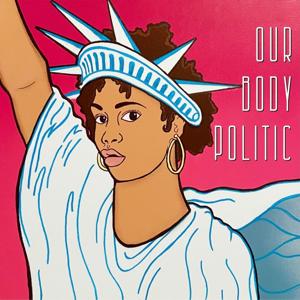


This week, Farai Chideya and her guests dissect the aftermath of the January 6th coup attempt at the Capitol. New York AG Letitia James shares the values that guide her work, which includes investigating President Trump. Boston Globe reporter Jazmine Ulloa reflects on her first-hand experience of the Capitol siege. As transition director of Vice President-Elect Kamala Harris’ team, political strategist Minyon Moore expands on Harris’ role in uniting the country. Plus, a new extended segment of “Sippin’ the Political Tea” with contributors Errin Haines and Jess Morales Rocketto.
EPISODE RUNDOWN
0:51 Farai Chideya breaks down what she calls the “Black Cassandra Syndrome” and why she thinks more people should listen to journalists of color.
2:34 New York Attorney General Letiticia James talks about her goal to uphold an equal application of the law, regardless of social status.
5:50 James explains that her humble upbringing and daily interactions with her community encourage her to seek justice for all.
7:55 Lawmakers’ priorities tend to neglect the needs of average Americans, especially minority communities, James explains.
13:12 Journalist Jazmine Ulloa describes what the siege on the Capitol looked like, on the ground.
14:56 Many journalists in the Senate press gallery doubted that rioters could break into the building, Ulloa explains.
17:40 Ulloa has had a career in crime reporting and describes the impact her work has on her community.
21:48 The Covid Update looks at the uptick in daily deaths and the effects of the illness on “long-haulers.”
24:04 Political strategist Minyon Moore gives her insight on the upcoming Biden-Harris Administration.
24:47 Moore’s political career began with the campaign to elect Chicago’s first Black mayor.
28:17 Vice President-Elect Kamala Harris uplifts the voices of everyday Americans and “represents the people,” Moore explains.
29:42 The SPEAK platform takes in input from callers all across the country. This week, one caller shares what they’d do if they were President, on their first day in the Oval Office.
32:31 Our Body Politic’s extended roundtable “Sipping the Political Tea” covers all things news and politics with contributors Jess Morales Rocketto and Errin Haines.
34:03 Chideya breaks down her blog post from four years ago, “The Call to Whiteness,” which dissects and predicts the patterns that result from white supremacy in politics.
37:16 Haines expresses the frustration that her and other Black journalists have experienced over the years when they try to talk about racism and white supremacy.
39:17 Morales Rocketto looks into the motives behind President Trump’s supporters in the Capitol, Senators Ted Cruz and Josh Hawley, and their future roles in the Republican Party.
43:19 Haines, Morales Rocketto, and Chideya talk about what in politics has most surprised them most in the last week.
This week, Farai Chideya and her guests dissect political news across the country, from the Senate races in Georgia to the violence in our nation’s capital. And we welcome new contributor and legal analyst Tiffany Jeffers. Impact investor Nathalie Molina Niño takes on the exclusion of women of color in finance. Business reporter Ruth Umoh takes stock of corporations’ promises to invest in racial equity. Former journalist Carla Murphy tells Farai about her mission to understand why other journalists of color leave newsrooms. Plus, the leaders of the Guild of Future Architects on what work will look like decades from now.
EPISODE RUNDOWN
0:45 Farai Chideya asks supporters of President Trump why they came to DC on January 6th.
2:41 Legal analyst Tiffany Jeffers breaks down the different legal and ethical questions behind Trump’s call to Georgia’s Secretary of State.
4:46 Political contributor Errin Haines and Tiffany Jeffers dissect what the insurrection means for democracy in America.
6:16 Jeffers explains how white supremacy is baked into the country’s legal systems.
10:00 Haines describes what the group of reluctant Trump supporters will mean for the incoming Biden-Harris administration.
13:09 Impact investor Nathalie Molina Niño talks about her background in tech, and her increasing interest in political financing.
17:45 Niño explains the importance of investing in women of color, one the most entrepreneurial and innovative groups of businesspeople across the globe.
19:37 In order to get more money in the hands of women business owners, we have to invest, loan, and buy from this same community, Niño says.
22:27 The Covid update looks at the upward trend of confirmed cases and deaths due to the coronavirus, as well as the implication of the newest variant of the virus.
26:11 Our Body Politic contributor and business reporter, Ruth Umoh, looks into corporations’ promises to invest in racial equity.
28:07 The mechanism behind diversity initiatives differs from company to company, leaving it up to reporters to hold them accountable, Umoh says.
30:17 Umoh suggests that companies should first define what they mean by diversifying their company, before trying to hit unknown targets.
32:38 Carla Murphy, a former journalist, has stepped out of the profession and now focuses on why others are leaving the industry.
34:56 The reckoning in journalism is being shaped by the social movements of the last few years, Murphy explains, like Occupy Wall Street and #MeToo.
36:32 Murphy says it’s very difficult to succeed in the media industry without having independent financial support as an early career journalist.
37:24 Organizing for a living wage is imperative in the journalist world, Murphy says.
39:55 The SPEAK platform records callers’ voicemails and gives a prompt for listeners to participate in Our Body Politic.
41:46 Sharon Chang and Kamal Sinclair of The Guild of Future Architects return to examine how we can better understand the role work plays in our lives.
45:50 Sinclair suggests society should invest in unlocking human potential by not only valuing people’s work output, but by valuing the creativity and passion within their work.
49:30 Chang explains why she thinks the word retirement should be abolished altogether.
This week, Farai Chideya spends more time with the sparkling roster of Our Body Politic contributors. Errin Haines of the 19th predicts the most important political stories of 2021 for women of color. Mutale Nkonde of AI for the People shares her secrets to envisioning success. Psychologist Dr. Ryan DeLapp offers advice to parents about having conversations on race and resilience with their children. Newsy reporter Casey Mendoza reflects on the successes and failures of 2020 in entertainment. Forbes reporter Ruth Umoh looks back on how the year impacted Black women.
EPISODE RUNDOWN
3:27 Errin Haines reflects on 2020 and predicts what could happen politically in 2021.
7:39 Haines says Black women were key figures in politics in 2020: “as crucial part of the electorate, you definitely saw Black women flexing their power in 2020.”
14:18 Mutale Nkonde of AI for the People takes listeners back to being inspired by Oprah 20 years ago, and how those practices helped her work towards her future.
15:42 Nkonde describes how she envisions and reaches the goals she sets for herself professionally.
17:54 Nkonde talks about Dr. Timnit Gebru’s studies on racism within facial recognition technology.
24:50 Dr. Ryan DeLapp, an attending psychologist at Montefiore health system in the Bronx, explains the mental health impact Covid is having on children.
26:56 Dr. Delapp says reorganizing routines will be important as things continue to change with the pandemic.
29:23 Dr. DeLapp explains that having a conversation with children about race should start from a place of pride.
32:30 Casey Mendoza gives updates on the major gains and losses in entertainment in 2020.
25:45 One group that has emerged with the pandemic is the National Independent Venue Association or NIVA, a lobbying group for venues across the country.
37:28 Mendoza offers a glimmer of hope for the upcoming year.
38:52 Ruth Umoh recaps the financial ramifications of 2020 for Black women and all women of color.
39:52 Umoh discusses why she thinks Black women should invest more in the stock market, especially since it’s been fruitful during the pandemic.
44:34 Reflecting and looking towards the New Year with the Our Body Politic team.
This week, Farai Chideya talks with Nse Ufot of the New Georgia Project about the power of organizing the vote. Air Force Sergeant Tamika Hamilton on what inspired her to run in California, and Varshini Prakash of the Sunrise Movement connects racial inequity and the climate crisis. Saru Jayaraman of One Fair Wage explains the pandemic's effect on service workers. Alejandra Gomez of Living United for Change in Arizona reflects on organizing efforts in the election. Plus, how Dr. Camilla Pang explains the average human’s behavior.
EPISODE RUNDOWN
2:27 Chief officer of The New Georgia Project Nsé Ufot explains how The New Georgia Project used platforms like Twitch to reach a younger audience.
8:16 Ufot gives details on the group’s goal to knock on one million doors ahead of the Georgia Senate race.
15:45 Air Force Sergeant Tamika Hamilton describes what inspired her to run as the Republican candidate for California’s 3rd Congressional District.
19:52 Hamilton talks about her plans to run in 2022.
22:51 Varshini Prakash, co-founder and executive director of the Sunrise Movement, explains why climate policies might have a chance in 2021.
25:14 Prakash explains that to deal with the climate crisis, the country must also deal with inequality.
28:23 Prakash talks about the prospect of Deb Haaland as Interior Secretary in the Biden Administration.
32:22 Saru Jayaraman is the president of One Fair Wage, an organization fighting for a more equitable wage structure for workers in the service industry.
34:20 Jayaraman says workers who live off tips are facing major challenges with the pandemic.
38:32 Alejandra Gomez of LUCHA shares what inspired her to get involved in organizing.
40:16 Gomez the role of organizing and activism in the political changes in her state of Arizona.
44:19 Dr Camilla Pang talks about how she uses science to better understand human behavior.
This week, Farai Chideya talks with Representative Veronica Escobar about Covid and immigration in her district of El Paso. Gina Pérez of the Texas State Board of Education explains how continued cuts to school programs inspired her to take action. Our political contributor Errin Haines brings updates from the political world, and business contributor Ruth Umoh analyzes Black homeownership. Medical student Nia Buckner explains why she and other students updated the Hippocratic Oath, and entertainment contributor Casey Mendoza reflects on the representation of Latinos on television. Plus, journalist Paola Ramos goes looking for the meaning of “Latinx."
EPISODE RUNDOWN
1:35 Representative Veronica Escobar describes the impact of Covid in her district of El Paso.
4:42 Rep. Escobar explains how the pandemic has laid bare the inequalities that exist in the country.
10:46 The incoming Biden-Harris Administration will be crucial in addressing immigration in border towns like El Paso, Rep. Escobar explains.
13:24 Gina Pérez sits on the Texas State Board of Education on behalf of District One in Texas and explains how Covid is impacting education in her district.
15:31 Pérez describes why she first got involved on the State Board of Education.
19:30 The Covid update breaks down the issues rural communities might face distributing the vaccine.
22:26 Medical student Nia Buckner explains how her and other students intend to confront racism within the medical field.
24:42 Buckner explains the importance of understanding patients’ outside lives when treating them inside the clinic.
26:27 Errin Haines talks about the significance of Deb Haaland being nominated for Secretary of the Interior in the upcoming Biden-Harris Administration.
27:55 The Biden-Harris Administration is on its way to breaking records if all 25 women who are nominated are confirmed to cabinet level positions.
31:20 Haines says civil rights leaders are looking for “real systemic change and not just kind of the incremental change” that has been happening in American politics.
32:13 Ruth Umoh explains the disparities between Black and white homeownership in the U.S.
34:15 Discriminatory policies have historically prevented Black people from being able to buy homes and accrue wealth, Umoh states.
36:37 Umoh looks back on the financial commitments made by corporations in the wake of George Floyd protests, and says that they’re a step in the right direction, they are “a drop in the bucket” for many of these companies.
38:08 Our SPEAK callers share why self-care is important to them during the pandemic.
39:19 Paola Ramos discusses her new book, Finding Latinx: In Search of the Voices Redefining Latino Identity.
40:56 Ramos digs into her own history to try to understand the systemic discrimination against Afro-Latinos among Latinos in the U.S., and abroad.
42:53 Ramos says President-Elect Biden will have to keep his promises to the Latinos who voted for him, or there will be important consequences for the Democratic party.
43:53 Entertainment contributor Casey Mendoza speaks about Latino representation on TV.
47:12 Mendoza goes over the films added to the National Film Registry this year, and how they show a growing understanding in entertainment about the importance of people of color in film.
This week Farai Chideya talks with Representative-Elect Jamaal Bowman of New York about his plans for a more just and equitable district, with a major focus on education. Contributor Errin Haines of The 19th updates listeners on the latest moves in the incoming Biden Administration, and NPR correspondent Hansi Lo Wang explains why the 2020 Census is still not over. Advocate Imani Barbarin discusses the intersection of disability and social media. And Dr. Tressie McMillan Cottom beautifully annotates her lived experience as a Black woman and sociologist in her collection of personal essays.
EPISODE RUNDOWN
1:13 Representative-Elect Jamaal Bowman of New York on why he ran for office.
4:05 Bowman discusses possibilities for adapting education for Covid safety, and why it’s hard to make change in education systems.
8:13 In years prior, Bowman didn’t align with any particular political party, because he “didn't feel either party spoke to my needs personally or the needs of my family and my community.”
14:00 Errin Haines discusses the lack of diversity in President-Elect Joe Biden’s administration so far.
15:35 Susan Rice is slated to become the next Director of White House Domestic Policy Council, Haines says, a position that crucially does not require Senate confirmation.
18:37 A new poll out of Georgia finds that a majority of registered Black female voters are highly concerned about the outcome of the Senate races.
21:04 Our Covid update highlights the crisis in Navajo Nation, and the systemic difficulties that health care providers face there.
24:06 NPR national correspondent Hansi Lo Wang breaks down the importance of the 2020 Census, and how the Supreme Court could be making some historic changes to the way it operates.
33:00 Disability activist Imani Barbarin talks about how she uses social media to get her message out and connect with others in the disability community.
35:02 Barbarin explains the parallels between those impacted by Covid and those in the disability community.
37:48 Having lived in France, Barbarin says having a disability in the two countries is a completely different experience.
38:38 Author, professor and sociologist Dr. Tressie McMillan Cottom talks about her latest collection of essays and her lived experience of being a Black woman in America.
40:09 “..whiteness defends itself against change, against progress, against hope, against black dignity, against black lives, against reason,” McMillan Cottom says.
41:46 McMillan Cottom talks about the trauma of her own birthing experience, and explains the dangers of the US healthcare system for Black women and others who are meant to understand their bodies are “incompetent.”
This week Farai Chideya talks to Dallas Chief of Police Reneé Hall about her career in law enforcement at a time of rising consciousness across the nation. Dr. Kavita Trivedi explains the intricacies of Covid testing and why it’s important to keep safety protocols in place. Reporter Ruth Umoh makes the connection between student debt and entrepreneurship, and Errin Haines gives us an update on the incoming stars of the Biden-Harris White House. Plus, a higher education leader on how students and colleges are coping during Covid, and searching for a shared history with author Morgan Jerkins.
EPISODE RUNDOWN
2:09 Dallas Chief of Police Reneé Hall talks about being a police officer for the majority of her career and explains why after three years as Chief, she is now stepping down.
6:51 Chief Hall describes a series of “unimaginable events” in her resignation letter and explains how she coped with tumultuous times in law enforcement.
8:16 During the onset of the George Floyd protests, Chief Hall received criticism for detaining protesters in Dallas. Chief Hall explains why she stands by her decision.
13:18 Chief Hall reflects on the current racial reckoning and her place in it:,“So how can blue lives matter and Black lives not? And how can Black lives matter and blue lives not? I happen to be both.”
15:29 Political contributor Errin Haines dives into the President-Elect’s incoming staff selections.
15:45 Recent news of a Georgia election official reaching his boiling point has put even more eyes on the status of Georgia’s election system.
17:07 Haines talks about how the upcoming Georgia senate election is a reflection of our democracy..
18:59 Vaccines, survival rates, and more, in our weekly Covid update.
20:19 Low income students are falling behind in their education as the pandemic forces schools to use a distance learning model.
21:51 Dr. Angel Perez, CEO of the National Association for College Admission Counseling, talks about the changes in higher education due to Covid.
23:27 Dr. Perez explains that in some ways, higher education is more accessible than ever before, as the pandemic forces institutions to rethink their admissions process.
24:29 Funding for under-resourced schools, including K-12 schools, is needed right now, says Dr. Perez.
26:35 Dr Kavita Trivedi says we shouldn’t rely on testing as a means of preventing Covid infection.
28:39 Dr. Trivedi urges the public to continue sticking to CDC guidelines to prevent further spread of the virus.
32:08 Ruth Umoh, Forbes magazine journalist, breaks down how student debt forgiveness could impact Black businesses.
33:15 Umoh states that Black students are more likely to borrow money for higher education, and are more likely than their white counterparts to owe a majority of their initial loan balance 20 years later.
36:30 Several tech companies gave shout-outs to Black owned businesses ahead of Black Friday, and Umoh says corporations can participate in the country’s racial reckoning in meaningful ways.
38:15 Leezel Tanglao of Tayo Help talks about the prevalence of disinformation among the Filipino community and how her group is combating it.
40:16 Tanglao says there are cultural barriers that make it more difficult to help those who might be affected by Covid within the Filipino community.
42:38 Morgan Jerkins is a New York Times bestselling author and Senior Editor for ZORA, and talks about her book “Wandering in Strange Lands: A Daughter of the Great Migration Reclaims Her Roots.”
44:18 Jerkins explains that she wrote the book to understand her ancestry, which she felt disconnected from as a Black American.
47:20 While exploring her roots, Jerkins discovered pieces of history that were never taught to her through her formal education.
This week Farai Chideya talks with journalists who are changing the world around them. First, veteran journalist Maria Hinojosa on creating a more inclusive newsroom as one of the pioneering Latinas in public radio. Then journalist Wendi Thomas on why she built a newsroom by and for locals in Memphis; and Jenni Monet on decolonizing our news feeds. The New York Times’ Somini Segupta talks about covering the climate crisis. And Lisa Lucas explains how a Twitter hashtag changed her career path, and her goals as a new publisher. Plus, the women behind the Guild of Future Architects join Farai for the second part of their conversation on envisioning our collective future.
Episode Rundown
1:22 Veteran journalist Maria Hinojosa talks about the ups and the downs of her career in public radio and what she’s learned in the process.
5:12 Hinojosa talks about having to defend herself in the newsroom, even as colleagues accused her of having a “Latino agenda.”
6:55 Hinojosa talks about creating the newsroom she wished she had as a young journalist, in Futuro Media Group.
13:05 Tennessee journalist Wendi Thomas on why she started her media outlet, MLK 50, and how she was able to get the funding to make it all happen.
15:40 Thomas recently won an award for her investigative piece about a local hospital suing patients, “whose only mistake was being sick and poor at the same time.”
17:05 Thomas talks about why local journalism is so important in creating change.
18:30 Our weekly Covid update looks into how the pandemic has wreaked havoc on those who were already experiencing hardships before Covid.
20:39 Investigative reporter Jenni Monet talks about her newsletter, called Indigenously: Decolonizing Your News Feed.
24:04 Chideya and Monet reflect on their time at Standing Rock and whether or not people should expect their government to make change.
27:42 Somini Sengupta shares what she’s learned covering climate change for The New York TImes, “I've learned that climate change is not a future risk. It is a now risk.”
32:03 Lisa Lucas, the Executive Director of the National Book Foundation, talks about rising up in the literary world.
35:57 Lucas talks about the tweet that landed her a publishing job.
34:40 Lucas never imagined herself to be a publisher, but has big goals for the position.
38:39 Journalist Sarah Smarsh talks about her piece “Poor Teeth,” which explores the accessibility of dental care in America and how it is an indicator of socioeconomic status.
40:39 Smarsh talks about The Poor People’s Campaign and how it is carrying out the legacy of the Reverend Martin Luther King Jr.
42:42 Why Dolly Parton is an important role model for feminist, working class women.
44:28 Guild of Future Architects founder Sharon Chang explores the importance of imagination in studying history.
46:36 Farai shares a listener voicemail and discusses paths to equitable and accessible care systems with the Guild of Future Architects leaders.
Congresswoman Tlaib talks about The Squad’s role and how grassroots activism is shaping the future of the Democratic Party. Infectious disease expert Dr. Celine Gounder, a member of the Biden Covid-19 task force, offers insights into two promising vaccines. Scholar Robert P. Jones discusses the intersection of religion and politics, and bestselling author Yaa Gyasi tells us about her new book, her Ghanaian roots, and removing the stigma around mental health.
Episode 9 Rundown
2:42 Representative Rashida Tlaib on how she continues to fight for her constituents despite working in a polarized Congress.
4:28 Representative Tlaib reminisces on her upbringing in Detroit and how her community was so accustomed to inequality, they didn’t realize they had the short end of the stick.
9:12 When talking about The Squad, Representative Tlaib says it’s all about the grassroots support, and how that supports the progressive policies she champions.
13:14 Dr. Celine Gounder dives into the goals of President-Elect Joe Biden’s Covid Task Force.
15:05 Dr. Gounder breaks down the challenges that low-income and rural communities will have distributing a Covid vaccine.
21:12 Learn about how experts like Dr. Anthony Fauci envisions the rollout of the vaccine in our weekly Covid update.
22:28 Lonnae O’Neal of ESPN’s “The Undefeated” investigates the intersection of race, sports and health in America.
25:00 The distrust of the medical system among the Black community dates back decades, O’Neal explains.
27:03 Errin Haines of The 19th shares her take on current events as a political contributor for Our Body Politic.
27:53 Haines says the division between those who trust and those who don’t trust election results speaks to a wider disenfranchisement of Black and brown voters.
30:29 The Biden-Harris administration has a plan to put people in historically underrepresented communities into his cabinet, Haines explains, but where are the Black women?
32:23 Robert P. Jones, CEO and founder of The Public Religion Research Institute, gives listeners some insight on the influence of religion on how people vote.
37:17 Jones breaks down the cultural divide we are seeing in the country, “It really comes down to this big question of who is America, who gets to be an American, what does an American look like?”
41:45 Yaa Gyasi talks about writing, her Ghanaian roots, and finding her identity in America.
46:20 Growing up, Gyasi recalls her parents finding community in the church and explores the topic of finding community in her book.
This week Farai Chideya speaks with Senator Tammy Duckworth about serving in the military, becoming a mother, and advocating for safe and equitable environments for veterans. Washington insider Stephanie Valencia breaks down the so-called Latino vote, and challenges the major parties to show up beyond an election year. Farai talks to our finance contributor Ruth Umoh about the significance and optics of Vice President-Elect Kamala Harris for women of color. And journalist S. Mitra Kalita and Farai get real on the role of journalists in a pandemic.
Episode Rundown
1:00 Farai gets a feel for post-election celebrations in Washington, DC, and introduces this week’s show.
1:52 Tammy Duckworth talks about serving in the military and how she would do it again, even if that meant she’d be injured again.
8:46 Duckworth shares her thoughts on the importance of Senator Kamala Harris becoming the Vice President elect.
9:38 The Senator balances being career-driven and becoming a mother.
13:20 We congratulate our political contributor Errin Haines for receiving the Vernon Jarrett Medal for Journalistic Excellence.
15:03 Chideya and Haines talk about what the Biden-Harris administration can and should do to materially improve the lives of Black Americans.
17:54 Looking into the Senate race in Haines’ home state, Georgia.
20:50 Stephanie Valencia breaks down the “Latino vote” and insists there’s just as much nuance to this voter group as others, but less attention paid to that complexity.
24:06 “I would like Democrats to treat Latino voters a little bit more like white swing voters. We are that diverse and that nuanced...” says Stephanie Valencia of EquisLabs.
24:58 Our weekly Covid update looks at how communities of color are continually impacted by the pandemic.
26:02 Researchers determine that there are not enough people getting the flu shot this season.
27:07 Ruth Umoh talks about the Biden Plan for Black America and how it could be accomplished.
29:26 Umoh breaks down how we hold politicians accountable by continuing to mobilize and vote.
30:25 Forbes researches the best employers for veterans, and how to ensure veterans succeed in civilian careers.
32:18 Imagining a future of liberation for women of color, with Sharon Chang and Kamal Sinclair of The Guild of Future Architects.
33:58 Sinclair talks about how and when people feel liberated, and why imagining that liberation can be powerful.
36:16 Chang explains why she’s an optimist: “My optimism really rests on our ability to just think outside of all frameworks, all language, all understanding, all mindsets, so we can liberate ourselves in the sense that anything really is possible.”
39:25 Call into our SPEAK platform to participate in the collective envisioning of our future!
40:21 Ajón Crump decides to make the best of her time in lockdown by fundraising for and sending free sneakers to nurses on the frontline of the pandemic.
42:48 Journalist S. Mitra Kalita talks about how her own experience in the pandemic made her aware of the importance of tight-knit communities and taking care of your neighbors.
45:28 How Kalita uses her skills as a journalist to help her community survive the effects of the pandemic, and gets the idea for starting a local newsletter, Epicenter-NYC.
46:53 Kalita talks about how Epicenter-NYC could be the framework for a new model of community-based, hyperlocal journalism.
From the publisher's feed

2,852 Listeners

9,176 Listeners

5,750 Listeners

8,430 Listeners

1,859 Listeners

10,199 Listeners

7,649 Listeners

14,648 Listeners

674 Listeners

2,375 Listeners

6,446 Listeners

623 Listeners

129 Listeners
18 Listeners

4,748 Listeners

47 Listeners

77 Listeners

41,316 Listeners

2,317 Listeners

6,157 Listeners
1,745 Listeners