
Sign up to save your podcasts
Or

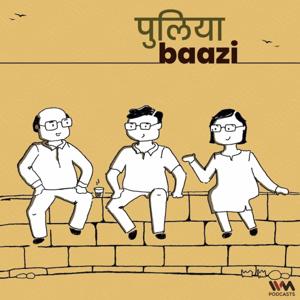


High price of land in India has made housing unaffordable for a majority of urban Indians, who have no option but to live in congested slums or unauthorized housing. While this is a burning issue for the public, it hasn’t received enough policy attention. What can be a long term solution to provide good, legal and affordable housing to more Indians?
This is our second episode with independent economist Prof. Gurbachan Singh on the issue of housing crisis in India. Prof. Singh has previously taught at many esteemed institutions such as Indian Statistical Institute (ISI), Jawaharlal Nehru University (JNU), and Ashoka University. He applies a macro-economics approach to dissect this issue from multiple dimensions.
We discuss:
* What is Unauthorised Housing
* The need for an enabling policy
* Land readjustment in existing cities
* 100 new cities
* Marketing to attract new networks
* Market malfunctioning due to faulty policy
* Politician and Developer Nexus
* Pillars of a policy framework
* Vested interest of land-holders
* Redevelopment of Dharavi
Our previous conversation with Prof. Gurbachan Singh:
Why is land so costly in India? ज़मीन के दाम की ज़मीनी हकीकत
Also, please note that Puliyabaazi is now available on Youtube with video.
Related Links:
The high price of land in India: The problem and the solution by Gurbachan Singh
Prof. Gurbachan Singh’s website: here
Read Curated Hindi Articles here
Puliyabaazi Playlist: here
You can submit articles to us. Submission and Contest Guidelines are here:
If you have any questions for the guest or feedback for us, please comment here or write to us at [email protected]. If you like our work, please subscribe and share this Puliyabaazi with your friends, family and colleagues.
Website: https://puliyabaazi.in
Guest: @gurbachan_econ
Hosts: @saurabhchandra @pranaykotas @thescribblebee
Twitter: @puliyabaazi
Instagram: https://www.instagram.com/puliyabaazi/
Subscribe & listen to the podcast on iTunes, Google Podcasts, Castbox, AudioBoom, YouTube, Spotify or any other podcast app.
This week we have a fun chat where we discuss a range of topics and mark them as overrated, underrated or complicated! Listen in and tell us what you think!
Oh! and this week we have a few contest announcements to make. If you are interested, do check out the details here.
We discuss:
* Schooling in mother tongue
* Jugaad
* Going to a good college
* Manufacturing
* Metro for Public Transport
* UPI
* Emigration
* Work from Office
* Demographic Dividend
Also, please note that Puliyabaazi is now available on Youtube with video.
Thanks for listening to पुलियाबाज़ी Puliyabaazi! If you like our work, please share it with others.
Submission and Contest Guidelines:
Read Curated Hindi Articles on Puliyabaazi.in
अवसर लागत और विकल्पों की ताक़त | Opportunity Costs, Optionality, and the Quiet Art of Choosing by Jeet Joshi
200 साल की गुलामी का मिथक | The myth of 200 years of British rule in India
If you have any questions for the guest or feedback for us, please comment here or write to us at [email protected]. If you like our work, please subscribe and share this Puliyabaazi with your friends, family and colleagues.
Website: https://puliyabaazi.in
Hosts: @saurabhchandra @pranaykotas @thescribblebee
Twitter: @puliyabaazi
Instagram: https://www.instagram.com/puliyabaazi/
Subscribe & listen to the podcast on iTunes, Google Podcasts, Castbox, AudioBoom, YouTube, Spotify or any other podcast app.
दुनिया में बदलते आंतरराष्ट्रीय समीकरणों के चलते भारत और यूरोपीय संघ के बीच बेहतर संबंधों के आसार नज़र आ रहे हैं, पर भारत में यूरोपीय संघ के बारे में चर्चा कम ही होती है। इसीलिए हमने सोचा कि इस विषय पर किसी विशेषज्ञ से बात की जाए। इस एपिसोड पर हमारे साथ पुलियाबाज़ी के लिए जुड़ रही है गरिमा मोहन जो जर्मन मार्शल फंड ऑफ़ यूनाइटेड स्टेट्स में सीनियर फेलो हैं और यूरोपीय संघ पर लंबे समय से अध्ययन कर रही हैं।
We discuss:
* What is the European Union?
* How does the EU handle matters of resource distribution?
* Europe’s Geopolitical Challenges
* How will Europe deal with China?
* India-EU Priority Sectors
* Trade and Technology Council
* European Universities in India
* India-EU Foreign Trade Agreement
* EU’s attitude towards India’s Russia Policy
* Impact of CBAM on India
* The Future of India-EU Relations
* Labour Mobility
Also, please note that Puliyabaazi is now available on Youtube with video.
Read our Monthly Roundup for some interesting contest announcements:
Related episodes:
यूरोपीय किसान भी कर रहे चक्का जाम। Why are European farmers protesting?
भारत का विश्वशास्त्र। India’s Foreign Policy in a New World Order ft. Dhruva Jaishankar
If you have any questions for the guest or feedback for us, please comment here or write to us at [email protected]. If you like our work, please subscribe and share this Puliyabaazi with your friends, family and colleagues.
Website: https://puliyabaazi.in
Hosts: @saurabhchandra @pranaykotas @thescribblebee
Twitter: @puliyabaazi
Instagram: https://www.instagram.com/puliyabaazi/
Subscribe & listen to the podcast on iTunes, Google Podcasts, Castbox, AudioBoom, YouTube, Spotify or any other podcast app.
इस हफ़्ते पुलियाबाज़ी पर और एक सफ़रनामा। इस बार चलिए करते हैं जापान की सैर। ३.५ करोड़ की आबादी वाला शहर टोक्यो कैसे चलता है? एटॉमिक बम से धराशयी होने वाला शहर हिरोशिमा आज कैसा दीखता है? जापान के अद्यतन पब्लिक ट्रांसपोर्ट से भारत क्या सीख सकता है?
We discuss:
* Public Transport in Japan
* Innovation in public transport funding
* Land readjustment for urban development
* Pedestrian friendly cities
* Meiji restoration
* Hiroshima and the effects of Atomic bomb
* Japanese Toilets
* Cultural aspects of Japan
* Japanese aesthetics
Also, please note that Puliyabaazi is now available on Youtube with video.
Read:
Article | How to redraw a city
Book | Japan Story by Christopher Harding
Listen:
Kimi Wo Nosete (Carrying You) | Joe Hisaishi | Chorus version with subtitles
Kimi Wo Nosete (Carrying You) | OST sung by Azumi Inoue
Kanashikute Yarikirenai - In This Corner of the World OST
Omoide - Tsunekichi Suzuki Lyrics and translation (Tokyo Diner OST)
Joe Hisaishi - One Summer's Day
Related episodes:
सफ़रनामा: अमरीका से थाईलैंड से केन्या तक। Travelogue from US, Thailand, Kenya
सफ़रनामा: रोबोटिक्स का तीर्थस्थल। Boston Travelogue
If you have any questions for the guest or feedback for us, please comment here or write to us at [email protected]. If you like our work, please subscribe and share this Puliyabaazi with your friends, family and colleagues.
Website: https://puliyabaazi.in
Hosts: @saurabhchandra @pranaykotas @thescribblebee
Twitter: @puliyabaazi
Instagram: https://www.instagram.com/puliyabaazi/
Subscribe & listen to the podcast on iTunes, Google Podcasts, Castbox, AudioBoom, YouTube, Spotify or any other podcast app.
This week on Puliyabaazi, a fun conversation with tech reporter Shephali Bhatt on the fast changing world of internet trends and creator economy.
We discuss:
* How has internet culture changed over time?
* Reel ki Duniya
* Fan following is the new currency
* Is social media an essential part of doing business?
* Is phone addiction increasing or decreasing?
* India’s equivalent of WeChat
* Are creators dependent on platforms?
* How do different generations use the internet differently?
* Internet lingo
* Influencer marketing
* Positive aspects of internet
* content moderation on platforms
Also, please note that Puliyabaazi is now available on Youtube with video.
Read:
Shephali’s Articles: linktr.ee/ShephaliBhatt
Related episodes:
कुछ नुस्खे स्वस्थ डिजिटल समुदाय बनाने के। The key to healthy online communities
डिजिटल इंडिया का भविष्य कैसा है? India’s Digital Future ft. Nikhil Pahwa
If you have any questions for the guest or feedback for us, please comment here or write to us at [email protected]. If you like our work, please subscribe and share this Puliyabaazi with your friends, family and colleagues.
Website: https://puliyabaazi.in
Guest: @ShephaliBhatt
Hosts: @saurabhchandra @pranaykotas @thescribblebee
Twitter: @puliyabaazi
Instagram: https://www.instagram.com/puliyabaazi/
Subscribe & listen to the podcast on iTunes, Google Podcasts, Castbox, AudioBoom, YouTube, Spotify or any other podcast app.
इस हफ़्ते पुलियाबाज़ी पर चर्चा राजद्रोह जैसे गंभीर विषय पर। राजद्रोह आखिर होता क्या है? अक्सर इस शब्द को लेकर हमारी समझ कुछ उलझी सी रहती है। एंटी-नेशनल शब्द को लेकर भी ऐसा ही हाल है। पर पोलिटिकल साइंस में इन शब्दों का एक विशिष्ट अर्थ होता है जिसे समझने से इस मुद्दे पर कुछ रोशनी डाली जा सकती है। तो आइये राजद्रोह बनाम अभिव्यक्ति की स्वतंत्रता की बहस के कुछ तार खोलते हैं आज की पुलियाबाज़ी में।
We discuss:
* Nation vs. State vs. Government
* What is a Nation?
* What is sedition?
* What qualifies as sedition
* Sedition laws in a new form
* Do we have freedom of speech?
Also, please note that Puliyabaazi is now available on Youtube with video.
Read:
Book | Missing In Action: Why You Should Care About Public Policy by Pranay Kotasthane and Raghu S. Jaitley
Article | Pratap Bhanu Mehta writes: SC order in Mahmudabad case casts a shadow on our rights
Thanks for reading पुलियाबाज़ी Puliyabaazi! This post is public so feel free to share it.
Related episodes:
बेलगाम संस्थाएं, जनता का नुकसान। Caged Tiger ft. Subhashish Bhadra
लोकनीति सरल शब्दों में। Making Public Policy Interesting Again Ft. Raghu Jaitley
If you have any questions for the guest or feedback for us, please comment here or write to us at [email protected]. If you like our work, please subscribe and share this Puliyabaazi with your friends, family and colleagues.
Website: https://puliyabaazi.in
Hosts: @saurabhchandra @pranaykotas @thescribblebee
Twitter: @puliyabaazi
Instagram: https://www.instagram.com/puliyabaazi/
Subscribe & listen to the podcast on iTunes, Google Podcasts, Castbox, AudioBoom, YouTube, Spotify or any other podcast app.
नमस्ते, पुलियाबाज़ी में आज हम एक हटके विषय पर चर्चा करेंगे—युद्ध में हाथियों का प्रयोग। यह विषय हमें काफी इंटरेस्टिंग लगा, तो हमने सोचा कि क्यों न इस पर आदित्य रामनाथन से बात की जाए। आदित्य तक्षशिला इंस्टीटूशन के साथ एसोसिएट फैलो हैं और मिलिटरी हिस्ट्री में गहरी दिलचस्पी रखते हैं। इस पुलियाबाज़ी पर चर्चा इतिहास के उस दौर की जब भारत एक ‘आर्म्स एक्सपोर्टर’ हुआ करता था। भारत के हाथी और उनको काबू में करने वाले महावत दुनियाभर में मशहूर थे। समय के साथ टेक्नोलॉजी में आये बदलाव से युद्ध का रूप भी बदल गया। क्या इस बदलाव में भारत कहीं पीछे छूट गया? इतिहास से हम क्या सीख ले सकते हैं?
अगर आपको हिस्ट्री और मिलिटरी हिस्ट्री में दिलचस्पी है, तो आपको यह पुलियाबाज़ी ज़रूर पसंद आएगी।
We discuss:
* Was India an arms exporter in the ancient world?
* How were elephants used in a war?
* Where did war elephants come from?
* What do we know about elephants in ancient India?
* Were elephants an obsolete platform?
* Was there a political purpose of elephants
* Defence against elephants
* When were elephants phased out?
* Recommendations
Also, please note that Puliyabaazi is now available on Youtube with video.
Read:
Book | Elephants and Kings An Environmental History By Thomas R. Trautmann
Book | War Elephants by Konstantin Nossov
Podcast | Yuddha Ep. 01 The Age of the War-Elephant by Aditya Ramanathan and Anirudh Kanisetti
Related episodes:
भारत में एविएशन का इतिहास। The History of Aviation in India ft. Aashique Iqbal
चोला साम्राज्य का इतिहास। Chola Kings, Merchants and Temples ft. Anirudh Kanisetti
If you have any questions for the guest or feedback for us, please comment here or write to us at [email protected]. If you like our work, please subscribe and share this Puliyabaazi with your friends, family and colleagues.
Website: https://puliyabaazi.in
Guest: @adityascripts
Hosts: @saurabhchandra @pranaykotas @thescribblebee
Twitter: @puliyabaazi
Instagram: https://www.instagram.com/puliyabaazi/
Subscribe & listen to the podcast on iTunes, Google Podcasts, Castbox, AudioBoom, YouTube, Spotify or any other podcast app.
This week on Puliyabaazi, we take a leap of imagination into the world of the future. With ever increasing AI adoption and automation, is a jobless world imminent? What will be the nature of jobs for humans in such a world? How will human society cope with such a disruption?
ये पुलियाबाज़ी हमारे लिए तो काफ़ी मज़ेदार रही, आप भी हमारे साथ इस ख़याली पुलाव पकाने में लग जाईये और अपनी कुछ टिप्पणियाँ हो तो वो हमसे ज़रूर शेयर कीजिये।
We discuss:
* How will work change in future?
* Should self worth be connected to work?
* Dealing with inequality
* Will new sectors emerge?
* Jobless and poor
* What initial conditions can be useful?
Also, please note that Puliyabaazi is now available on Youtube with video.
Read:
Book | A World Without Work: Technology, Automation, and How We Should Respond by Daniel Susskind
Poem | On Work by Kahlil Gibran
Thanks for listening to पुलियाबाज़ी Puliyabaazi! If you like our work, don’t forget to share it with others.
Related episodes:
Will AI Disrupt Jobs? AI और रोज़गार का एक नया दौर
डिजिटल इंडिया का भविष्य कैसा है? India’s Digital Future ft. Nikhil Pahwa
If you have any questions for the guest or feedback for us, please comment here or write to us at [email protected]. If you like our work, please subscribe and share this Puliyabaazi with your friends, family and colleagues.
Website: https://puliyabaazi.in
Hosts: @saurabhchandra @pranaykotas @thescribblebee
Twitter: @puliyabaazi
Instagram: https://www.instagram.com/puliyabaazi/
Subscribe & listen to the podcast on iTunes, Google Podcasts, Castbox, AudioBoom, YouTube, Spotify or any other podcast app.
पिछले कुछ दिनों से भारत और पाकिस्तान के बीच हो रहे टकराव को आप सभी ने देखा ही होगा। इससे जुड़ी खबरें और अफवाहों से भी हम सभी वाकिफ हैं। ऐसे माहौल में क्यों न इस विषय को थोड़ी शांति से और अकादमिक दृष्टिकोण से देखा जाए?
आज हमारे साथ पुलियाबाज़ी पर जुड़ रहे हैं अतुल मिश्रा, जो शिव नादर इंस्टिट्यूट ऑफ एमिनेंस में इंटरनैशनल रिलेशन्स के प्रोफेसर हैं। उनकी किताब भारत और पाकिस्तान के रिश्तों को पार्टिशन और संप्रभुता के नज़रिये से समझने की कोशिश करती है। यह हमारे लिए तो बहुत ही दिलचस्प चर्चा रही और एक अलग ही दृष्टिकोण से हमने भारत और पाकिस्तान के रिश्तों को समझा। तो आज की चर्चा जरूर सुनिए।
We discuss:
* A framework to understand international relations in South Asia
* Understanding the current India-Pak conflict from the framework of partition
* What is Sovereignty?
* How did minority politics emerge in India?
* The internationalisation of Hindu-Muslim community relations
* Was partition inevitable?
* Alternatives to partition
* The process of minoritization post independence
* The Theory of Hostage Minorities
* Nehru’s Discovery of India
* Territorial aspect of Sovereignty
Also, please note that Puliyabaazi is now available on Youtube with video.
Read:
Book | The Sovereign Lives of India and Pakistan: Post-Partition Statehood in South Asia by Atul Mishra
Atul’s column on Hindustan Times
Article | The Many Imaginations of Partition: Lost ideas for India and the neighbourhood by Atul Mishra
Notes:
At 5:26, Atul meant to say "सबसे बड़े जो समूह है उनके अंतर संबंधों को आप पाकिस्तान को ध्यान में रखे बिना आप समझ नहीं सकते।"
Reference for Jinnah’s quote mentioned by Atul at 01:15:17. The speech was made at Kanpur on 30 March 1941. Source: Jinnah His Successes, Failures and Role in History by Ishtiaq Ahmed
One correction: John Stuart Mill makes his argument that India is unfit for self-governance in his book Considerations on Representative Government (1961). Khyati incorrectly mentions it as the 1880s. In the 1880s, Mill’s argument was used by Sir Syed Ahmed Khan to oppose devolution of British power to Indians.
Related episodes:
पाकिस्तानी मिलिट्री के अनगिनत कारोबार। Pakistan’s Military Inc ft. Ayesha Siddiqa
पाकिस्तान का आर्थिक सफ़र। Understanding Pakistan's Economic Challenges ft. Uzair Younus
TippaNi | भारत-पाक संबंध खाई से रसातल तक
If you have any questions for the guest or feedback for us, please comment here or write to us at [email protected]. If you like our work, please subscribe and share this Puliyabaazi with your friends, family and colleagues.
Website: https://puliyabaazi.in
Guest: @atulm01
Hosts: @saurabhchandra @pranaykotas @thescribblebee
Twitter: @puliyabaazi
Instagram: https://www.instagram.com/puliyabaazi/
Subscribe & listen to the podcast on iTunes, Google Podcasts, Castbox, AudioBoom, YouTube, Spotify or any other podcast app.
एक गणतंत्र में संविधान के ज़रिये सरकार की शक्ति पर रोक लगायी जाती है, पर भारत में हम देखते हैं कि अक्सर होता इससे ठीक उल्टा है। सरकार ही भारतीय नागरिकों पर इतनी रोक लगाती है कि पूछो ही मत। और हम नागरिकों को भी इसकी इतनी आदत पड़ चुकी है कि हम पूछते भी नहीं कि ये नियम हम पर क्यों लगाए जा रहे हैं। प्रणय ने तो बेकार नियमों के इस जाल को सरकार का चंगुल कहा है।
खैर, अच्छी बात ये है कि अब सरकार ने भी इस चंगुल को पहचाना है और इसके लिए डिरेगुलेशन कमिशन की घोषणा भी हुई है, पर ये डिरेगुलेशन कैसा होना चाहिए? या प्रणय के शब्दों में कहे तो इस चंगुलतोड़ का क्या फ्रेमवर्क होना चाहिए? इसी पर होगी आज की चर्चा।
We discuss:
* Reducing Government Control
* Why do we have so much regulation?
* There are no limits on regulation
* Govt should have to present a deregulation statement to the Legislative
* Steering function should be separated from Rowing function
* Open up service delivery to private players
* Cost-benefit analysis before introducing new restrictions
* Why do Indian firms remain small?
* How to deregulate Firms?
* How to deregulate our Cities?
* Deregulating human capital
Also, please note that Puliyabaazi is now available on Youtube with video.
Read:
Substack | India Policy Watch: A Deregulation Agenda by Pranay Kotasthane
Book | Banishing Bureaucracy: The Five Strategies for Reinventing Government by David Osborne and Peter Plastrik
Related episodes:
फैक्ट्री बनाने के दुखड़े। How Poor Building Standards Hurt Indian Firms ft. Bhuvana Anand and Sargun Kaur
Why is land so costly in India? ज़मीन के दाम की ज़मीनी हकीकत
बिजली और मौसम परिवर्तन का नाता। Power Sector Reforms will Unlock Climate Transition ft. Akshay Jaitly
If you have any questions for the guest or feedback for us, please comment here or write to us at [email protected]. If you like our work, please subscribe and share this Puliyabaazi with your friends, family and colleagues.
Website: https://puliyabaazi.in
Hosts: @saurabhchandra @pranaykotas @thescribblebee
Twitter: @puliyabaazi
Instagram: https://www.instagram.com/puliyabaazi/
Subscribe & listen to the podcast on iTunes, Google Podcasts, Castbox, AudioBoom, YouTube, Spotify or any other podcast app.
From the publisher's feed

8,770 Listeners

157 Listeners

5 Listeners

27 Listeners

1 Listeners

4 Listeners
34 Listeners
14 Listeners

7 Listeners

7 Listeners

56 Listeners

88 Listeners

39 Listeners

10,115 Listeners

289 Listeners

555 Listeners

40 Listeners

13 Listeners

2 Listeners

15 Listeners

9 Listeners

93 Listeners

11 Listeners