
Sign up to save your podcasts
Or

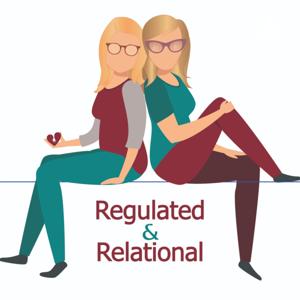


In this episode, Julie and Ginger talk about the delicate balance between structure and nurture. What are the differences in punishment, consequences, accountability, and discipline? These terms are defined and discussed to determine what works best when doing trauma informed, therapeutic parenting and why. We should always seek to understand what is underneath the child’s behaviors, and we need to ask why they are acting the way that they do. As Julie said, “None of this is easy. It’s all about establishing a connection. This cannot be done without a relationship.” Check out the new book by Dr. Mona Delahooke, Brain-Body Parenting: How to Stop Managing Behavior and Start Raising Joyful, Resilient Kids. Dr. Delahooke says, “Human beings don’t develop new strengths without some level of stretching, but it must be individualized.” This book can be ordered from ATN's bookstore at Brain-Body Parenting.
This episode is dedicated to the trail-blazing trauma-informed and attachment-focused work done by Larry Smith, LCSW. (1951-2016)
In this episode, Julie and Ginger reflect on what our lives have been like dealing with Covid and building resilience throughout the pandemic. Ginger says that “It’s important to recognize that we can be both overwhelmed AND hopeful at the same time.” What is meant by holding space for others in a time of chaos? In her book, The Art of Holding Space, Heather Platt says that holding space means “being willing to walk alongside another person on whatever journey they are on.” Julie and Ginger also point out that it is vital to accept that the only way to handle this is to take care of ourselves. If we don’t take care of ourselves, we can’t hold space for others. Everything is relational! And remember, even in a time of grief, don’t forget to play! Play is a gift! To purchase a copy of Heather Platt’s book, go to: https://www.amazon.com/Art-Holding-Space-Liberation-Leadership/dp/1989603475.
In this episode, Julie and Ginger talk with Jessica Sinarski. She is a renowned mental health professional and author, having authored Riley the Brave, Riley the Brave Returns to School, and What’s Inside Your Backpack. Jessica’s superpower is making brain science accessible and entertaining for both children and adults. Jessica says that she loves to take “her brain nerdy self and marry it with what everyone needs to know about the brain and attachment and development”. In this podcast, Jessica explains exactly what she means by “Reframing the Narrative”. Find her books in ATN’s bookstore here: https://bookshop.org/shop/AttachmentTraumaNetwork.
ATN is thrilled to have Jessica presenting a pre-conference workshop at our upcoming 5th Annual Creating Trauma-Sensitive Schools Conference, February 20-25, 2022. There's still time to register! Learn more at www.attachmenttraumanetwork.org/conference
In this episode, Julie and Ginger talk with Dyane Carrere, educator, author, counselor, and staff developer. Dyane specializes in supporting students on the fringes. Her book, The Re-Set Process: Trauma Informed Behavior Strategies can be found here: https://www.amazon.com/Re-Set-Process-Trauma-Informed-Behavior-Strategies/dp/1681254190.
Dyane describes the four steps of the Re-Set Process and explains how these steps can proactively help all students, not just those that are dysregulated. She discusses what behavior plans actually work and which ones are downright harmful. Visit her web site at https://dcarrereconsulting.wixsite.com/home.
In this episode, Julie and Ginger are joined by Taneesha Thomas and Emily Meeks of Focused Minds Education Group. Not only are they trauma informed, but they dive into how to address the cultural biases that we all have. We know about the 4 Rs of education, but what are the 4 Rs of equitable instruction? They recognize that being trauma informed and acknowledging our own biases go hand in hand. We all need to realize the truth in what Emily says, “Choosing love is a real choice.” To learn more about Focused Mind Education Group and to order their latest book, go to https://focusedmindsedugroup.com/
In this episode, Julie and Ginger talk with Dr. Jenna Lichter, ATN’s Trauma-Sensitive Schools Coordinator. Listen in to learn more about trauma sensitive schools - what they are and what ATN does to support their creation. Dr. Lichter says, “It’s a culture shift. The school must realize the prevalence of trauma and its impact. There needs to be a recognition of the signs of trauma and the schools must have trauma informed reactions and a resistance to re-traumatization."
For more information about ATN’s Creating Trauma-Sensitive Schools Conference happening in February 2022, visit our website at https://www.attachmenttraumanetwork.org/conference/.
If your school is looking for trauma-informed training or consultation, contact our PD Collaborative at https://www.attachmenttraumanetwork.org/atn-announces-new-pd-collaborative/.
To reach Dr. Jenna Llichter, email her at [email protected].
Learn how to be a leader in this movement!
In this episode, Julie and Ginger chat with Cissy White. Cissy is a self-proclaimed Joy Stalker and Truth Teller, and boy, is she ever! Her passion is to make trauma informed changes for survivors of trauma who are parenting with ACEs. With Julie and Ginger, Cissy discusses her path to healing. She says, “Trauma informed change must be led by survivors” and ATN could not agree more! In 2013, Cissy began her blog, Heal Write Now. You can read more at https://healwritenow.com/.
In this episode Julie and Ginger acknowledge that the holidays are not always full of cheer for all families. Children with traumatic experiences may not be able to embrace the joy of the season. How can we manage? Julie and Ginger share tools that have worked for them, but Julie says, “Sometimes you just have to think outside of the box.” They reference Kathleen Benckendorf’s list of trauma-informed gift ideas. The list can be found here: https://www.attachmenttraumanetwork.org/wp-content/uploads/Gift-List.pdf
Their best advice – Take care of yourself! You must have something in your cup to be able to serve it up.
If this podcast has helped you, please consider joining our Giving Tuesday campaign. You can donate on Tuesday, November 30 or before/after. Now more than ever, children, families, schools and communities need ATN. Won’t you help us reach farther in 2022? -- www.attachtrauma.org/donate
In this episode, Julie and Ginger revisit the concept of shame. Shame is a dangerous tool that leads to maladaptive behaviors. Ginger says that “Shame is much more likely to cause destructive behaviors than to cure them.” They explore the differences between empathy and sympathy by using Brene Brown’s video found here: https://www.youtube.com/watch?v=KZBTYViDPlQ. If you want to learn more about how to become shame resistant and exercise self-compassion, visit Kristin Neff’s website at https://self-compassion.org/.
Don’t forget! Our 5th annual Creating Trauma Sensitive Schools Conference is coming up in February! For more information about this conference go to: https://www.attachmenttraumanetwork.org/conference/ Here you can learn more about the conference and register. We hope to see you there!
In this episode, Julie and Ginger introduce the concept of shame. According to Brene Brown, a world-renowned social worker with a focus on shame, shame is an “intensely painful feeling or experience of believing that we are flawed and therefore unworthy of love and belonging.” What are the differences between shame, guilt, humiliation, and embarrassment and when are they harmful? Be sure to get your copy of Brene’s book, Daring Greatly, in ATN’s bookstore at ATN's Bookshop: Daring Greatly. Stick around and tune into Shame: Part 2 coming up next.
From the publisher's feed

8,836 Listeners
78,375 Listeners

30,707 Listeners

38,681 Listeners

2,589 Listeners
678 Listeners

14,658 Listeners

369,525 Listeners

5,082 Listeners
119 Listeners
367 Listeners
248 Listeners

29,190 Listeners
4,496 Listeners