
Sign up to save your podcasts
Or



Based on Podcast App listening data
Join host Jeb Blount Jr. as he welcomes legendary sales expert, Mark Hunter, to The Sales Gravy Podcast! In this episode they dive into actionable Outbound strategies, discuss the latest AI trends, and reveal why authentic relationships are the cornerstone of every successful sale.
– Success in outbound selling relies on maintaining strict discipline, consistent activity, and following a structured process to keep momentum and drive results.
– Results in prospecting don’t happen overnight; staying consistent over time is key to building a strong pipeline and generating lasting success.
– The opening of a conversation is just as important as closing a deal, making daily prospecting essential for building new relationships.
– Focusing prospecting activities during peak energy hours increases the likelihood of success, allowing reps to engage with full focus.
– A multi-channel outreach approach—integrating phone, email, and social media—reaches a wider audience and meets prospects where they are.
– Persistence is non-negotiable in outbound sales; overcoming rejection is part of the journey to closing more deals.
– Selling “for people” instead of “to people” fosters trust, and delivering genuine value makes sales interactions more meaningful and memorable.
– Handling multiple Ideal Customer Profiles (ICPs) is doable by creating tailored strategies, specific value propositions, and allowing focused time blocks for each profile.
– Reducing scattered, unfocused activity by batching outreach for a specific ICP minimizes burnout, increases productivity, and improves employee retention.
– AB testing and trial-and-error are essential to determine if an ICP approach is effective, focusing on factors like potential value and customer lifetime worth.
Success often comes down to the right mix of activities and strategies. To achieve goals, sales professionals must focus not only on the end results but also on the daily actions that contribute to those results.
Understanding the importance of a balanced approach to activities is crucial. Relying on a single tactic, like a pass play in football, can lead to stagnation if opponents catch on. Salespeople must diversify their activities based on various factors, such as their Ideal Customer Profile (ICP), the sales cycle’s stage, and their mental state. When these elements align, the rhythm of successful sales becomes apparent.
A key principle is that if a salesperson has the ability to help someone, they have an obligation to reach out. Many professionals fall into the trap of merely making appointments without considering the value they can bring to potential clients. It’s essential to approach sales with the mindset of genuinely helping others rather than pushing a sale. This shift in perspective leads to more meaningful interactions and better results.
Sales is not just about transactions; it’s about building relationships. Effective salespeople engage in sales “for” people rather than “to” people. This distinction is crucial for developing trust and creating positive experiences. Sales professionals can often recall encounters with exceptional sales representatives who made a lasting impression, highlighting the importance of providing a memorable sales process.
When dealing with multiple ICPs, sales professionals can adopt strategies that allow them to tailor their approach to different customer segments. It’s possible to have two or three distinct ICPs, each requiring unique strategies, questions, and value propositions. A suggested approach is to dedicate specific days to focus on each ICP. For instance, a salesperson might spend Tuesdays on one ICP and Wednesdays on another, allowing them to immerse themselves fully in the specific language and needs of that audience.
It’s essential to avoid a scattergun approach to sales. Jumping between calls and customer segments without a clear strategy can lead to inefficiency. Sales professionals should concentrate on one ICP for a focused period, such as three or four hours. This method fosters deeper understanding and more effective communication. Over time, organizations can structure teams to specialize in different ICPs, further enhancing productivity.
Determining when to adjust strategies or ICPs requires patience and analysis. A recommended approach is to commit to a process for a set period, such as three months, before considering changes. This timeframe allows sales professionals to gather enough data to evaluate the effectiveness of their efforts.
In addition to time, several criteria can guide the decision to stick with or adjust an ICP. These criteria include the opportunity size, the industry’s standing, learning potential, and the lifetime value of customers. By assessing these factors, sales professionals can identify whether it’s worthwhile to invest time in pursuing a particular ICP.
For example, one sales company recently closed a significant deal after 46 interactions over 18 months. Despite the lengthy process, the salesperson continued to provide valuable insights through emails and social media, which kept the prospect engaged. When the time was right, the conversation led to a swift closing, highlighting that consistent value delivery can lead to successful outcomes.
Success in sales also hinges on learning and growth. Continual self-improvement is vital in a competitive landscape. Sales professionals should never end their day without acquiring new knowledge or insights. Engaging with industry experts and peers at events like the OutBound Conference can significantly enhance one’s skills and network.
Networking is a powerful tool in sales. Interacting with other motivated individuals can lead to valuable connections and friendships. Many attendees leave events like OutBound with new job opportunities or collaborations, emphasizing the importance of relationship-building. Sales professionals should aim to leave with actionable ideas and new relationships that they can implement within days. Engaging with like-minded individuals fosters a collaborative environment that enhances overall performance.
Mastering the art of sales requires a blend of strategies, consistent effort, and a focus on building relationships. By understanding their ICPs, diversifying activities, and committing to continuous learning, sales professionals can significantly improve their success rates. Events like OutBound provide opportunities to learn from others and expand one’s network, ultimately leading to greater achievements.
Level up your sales game with Mark’s courses on Sales Gravy University. Find all of his courses HERE.
On this episode of The Sales Gravy Podcast, JBJ sits down with Amy Franko, a sales expert specializing in the mid-market, to discuss pipeline velocity, qualifying deals, and the importance of asking the right questions in sales.
Amy shares her insights on how to overcome common sales obstacles and provides practical advice for improving sales performance.
– Pipeline Velocity as a Critical Metric: Pipeline velocity is essential for sales success, particularly in the mid-market segment where businesses are reaching for ambitious goals. Monitoring how quickly deals move through the pipeline can significantly impact quarterly and yearly outcomes.
– Balancing Quality and Speed: Sales teams often struggle to balance quality with pipeline velocity. Moving deals through the pipeline quickly while maintaining high standards, avoiding the pitfall of focusing solely on speed without closing quality deals.
– Breaking Up with Prospects: One challenge for sellers is recognizing when to disengage from prospects who show little progress. Find strategies for professionally and respectfully “breaking up” with prospects to avoid wasting time on deals that are unlikely to close.
– Adapting to New Products: Sales teams can face difficulties when launching new products. Adoption often picks up once new products become measurable within the sales compensation plan, highlighting the importance of aligning comp plans with product priorities.
– Coaching Through Adversity: Amy talks about how mindset plays a critical role in sales success. Coaching sellers to handle adversity effectively, particularly when deals stall or face internal resistance from stakeholders, can make a significant difference in closing deals.
– The Importance of Ongoing Training: Continuous learning and training are vital for improving sales performance, especially in qualifying deals. The OutBound Conference provides an excellent opportunity for sales professionals to refine their skills, interact with industry leaders, and learn new strategies to enhance their pipeline management.
Pipeline velocity is a crucial metric for sales teams, especially for those operating in the mid-market. Many companies in this space have dedicated sales teams and hefty goals, and pipeline velocity can be the difference between meeting targets or falling short.
At its core, pipeline velocity measures how quickly deals move through the sales pipeline. It’s not just about the number of deals in the pipeline but also how fast they progress from one stage to the next. If deals are moving too slowly, there’s a risk of losing momentum, and opportunities may slip away. On the other hand, moving deals too quickly without considering quality can result in low win rates or deals that aren’t truly solid.
In many mid-market organizations, sales teams find themselves in a balancing act. They want to move deals through quickly to meet their goals, but at the same time, they need to maintain a high level of quality. This balance is tricky, and many teams either rush deals that aren’t ready or slow down too much, risking missed opportunities.
One of the challenges sales teams often face is launching new products or services. Salespeople who are comfortable selling established products may be hesitant to push new offerings, even if they know those products are key to the company’s growth. Without the right level of comfort and confidence, sellers may not focus on the new product, preferring to stick with what they know.
However, when new products become part of a measurable sales goal or compensation plan, things can change. Sellers are more motivated to include the new product in their conversations with prospects. This shift can lead to increased pipeline velocity, as salespeople become more confident in discussing and selling the new product.
Another key to pipeline management is knowing when to walk away from a prospect. It’s common for sellers to get stuck on deals that are moving slowly. They may have good conversations with the main contact, but other stakeholders in the organization aren’t as engaged. This can lead to frustration and wasted time.
In these situations, sellers need to recognize the signs that it’s time to “break up: with the prospect. You can do this respectfully and professionally by placing the ball back in the prospect’s court. Sellers might say something like, “It seems like we’re on the same page, but the rest of the organization may not be ready. Why don’t we revisit this in six months?” This approach helps the seller avoid wasting time and energy on deals that are unlikely to close while maintaining a positive relationship with the prospect.
One thing all sales professionals can agree on is the value of ongoing training. No matter how experienced a seller is, there’s always room for improvement, particularly in areas like qualifying deals and pipeline management. Training sessions, such as those offered at the OutBound Conference, help salespeople refine their skills, stay motivated, and stay up to date on the latest sales strategies.
By focusing on pipeline velocity, balancing quality and speed, knowing when to walk away, and continuously improving through training, sales teams can increase their chances of success. Whether they’re launching new products or fine-tuning their approach to closing deals, these strategies are essential for boosting pipeline performance.
Check out Amy’s Five Traits of Modern Selling and learn why these traits are setting top performers apart in the new sales economy.
In this episode of The Sales Gravy Podcast, host Jeb Blount Jr. sits down with LinkedIn expert and OutBound speaker Brynne Tillman to discuss the keys to leveraging LinkedIn for sales success.
Brynne shares essential information on avoiding common mistakes like the dreaded “pitch slap,” the importance of personalization over automation, and how to truly engage with prospects on LinkedIn.
– LinkedIn as a Networking Tool: Approach LinkedIn interactions like networking at an event. Your first conversation should not be a pitch but rather meaningful engagement with others’ content, showing genuine interest and adding value.
– The Power of Engagement: Engaging with someone’s content purposefully, by reading and leaving thoughtful comments, is a better strategy than sending unsolicited pitches. It creates a connection by making the interaction about them, not you.
– Avoiding the “Pitch Slap”: Sending unsolicited, impersonal sales pitches (referred to as a “pitch slap”) is ineffective and can be perceived as obnoxious. Personalized, relationship-driven outreach is far more impactful.
– Personalization vs. Automation: When using sales automation, it’s crucial to remain authentic. Don’t try to appear personalized if your outreach is automated. Authenticity in personalization makes a big difference in building genuine connections.
– The Importance of OutBound Conference: OutBound is a key event for sales professionals, offering insights into improving pipeline productivity and performance. It’s described as a must-attend for those wanting a competitive edge in sales.
– Sales Gravy University Resources: Sales Gravy University offers valuable courses, taught by top experts like Brynne, providing resources to improve skills in sales and LinkedIn prospecting.
LinkedIn is a powerful platform for sales professionals, but many people miss its potential by using the wrong approach. While it can seem like a place to make a quick pitch, the real strength of LinkedIn lies in how it mirrors a networking event. Building relationships and establishing trust are far more valuable than rushing to sell.
When thinking about LinkedIn, it’s important to compare it to how you act at a networking event. At an event, your first conversation with someone isn’t about immediately selling a product or service. Instead, it’s about making connections, learning about the other person, and finding common ground.
This same concept applies to LinkedIn. The first step should be to engage with someone’s content in a meaningful way. By commenting mindfully on their posts, you show interest in what they care about. This approach gets you noticed in a more positive light than jumping straight into a pitch.
A common mistake that salespeople make on LinkedIn is pitching too early. Sending a message that dives right into selling feels impersonal and can be easily ignored. However, if you take the time to engage with someone’s posts by leaving thoughtful comments, you build a connection. These comments should clearly relate to the content, showing that you took the time to read and understand it. This makes your interactions feel more genuine and builds trust over time.
For instance, instead of sending a cold pitch, you should be liking their posts and sharing insightful comments about them. This can make a huge difference. Over time, these kinds of interactions can naturally lead to a conversation about sales without feeling forced.
One of the most disliked tactics on LinkedIn is what’s known as the “pitch slap”—a sudden, unsolicited sales message that appears right after connecting with someone. This method often leads to frustration. People receiving these messages view them as intrusive and, in most cases, simply delete them.
Many professionals on LinkedIn experience this kind of message frequently. Instead of helping, it hurts the chances of building a productive relationship. It’s essential to remember that LinkedIn is not just another sales platform but a community. Being patient and building a connection first can have a lasting impact on your sales prospects.
Another issue in modern sales is finding the balance between automation and personalization. While sales tools can help save time, they shouldn’t take away the personal touch. Automated messages often lack the authenticity needed to build trust.
Personalized outreach, on the other hand, shows that you’ve done your homework. Instead of sending a generic message, a personalized one reflects that you’ve taken the time to learn about the person you’re reaching out to. This approach is far more effective in generating interest and meaningful responses.
LinkedIn offers a unique opportunity to connect with prospects in a way that feels more natural and less sales-focused. By treating LinkedIn like a networking event, avoiding hard pitches, and focusing on genuine engagement, sales professionals can build better relationships. Avoiding the common mistakes of “pitch slapping” and focusing on personalized interactions instead of automation can go a long way in increasing success on the platform.
For sales professionals looking to improve their skills, conferences like OutBound offer valuable insights. OutBound is described as one of the top events for salespeople who want to get better at pipeline productivity, performance, and prospecting. It brings together industry experts who share strategies and tips to improve sales tactics.
Attending events like these helps salespeople stay ahead of trends and sharpen their skills. If you’re serious about improving in sales, conferences and resources like Sales Gravy University offer courses that can further develop your abilities in areas like LinkedIn selling.
Explore Brynne Tillman’s courses on Sales Gravy University to master your social selling so you can sell more.
Join Jeb Blount Jr. and, special guest, Anthony Iannarino on The Sales Gravy podcast as they dive deep into the world of sales. Discover the secrets to successful outbound strategies, learn how to elevate your executive briefings, and gain valuable insights on navigating a potential recession.
– Behavioral Changes for Success: Incremental improvements and a willingness to change behavior are critical for success in sales. Consistent effort, particularly in prospecting, is emphasized as key to long-term success.
– Economic Outlook: Economic headwinds suggest a potential recession, and sales teams should be proactive by focusing on activity, knowledge, and behavioral adjustments to stay competitive.
– Sales as Self-Competition: Sales is often a competition with oneself. A disciplined, daily commitment to prospecting is essential, especially during challenging economic times.
– Sales Leadership in Challenging Times: Sales leaders should focus on guiding their teams through tough economic conditions by emphasizing activity, skill development, and adapting behaviors to maintain a competitive edge.
– Value of OutBound Conference: Attendees of the OutBound Conference will gain insights and strategies to enhance their sales performance, especially as the year-end approaches, making it a valuable opportunity for those looking to improve their results.
The OutBound Conference, happening from November 6th to the 8th in San Antonio, Texas, is set to be one of the most impactful sales events of the year. Salespeople, sales leaders, and executives are encouraged to attend to gain valuable insights that can help them elevate their sales performance. This event is designed for anyone in the sales field who wants to sharpen their skills and learn from top industry experts.
One of the key benefits of attending OutBound is the opportunity to stay ahead of the competition. With economic uncertainty on the horizon, many companies are coming out of some of their most successful years but now face challenges in maintaining growth. By attending OutBound 2024, sales professionals can learn strategies that will help them navigate these tough times, adapt their behavior, and position themselves for success, no matter what the market brings.
As companies face economic headwinds, staying active, increasing knowledge, and adapting behaviors will be essential for continued growth. OutBound offers key strategies on how to guide teams through tough economic periods. Encouraging a culture of continuous improvement, focusing on daily activities that lead to success, and fostering a positive mindset within the team will be critical to maintaining high performance.
Behavioral change is a critical theme that sales professionals need to focus on if they want to succeed. Consistent, incremental improvements can make all the difference in a competitive market. Success doesn’t happen overnight. Instead, it comes from daily actions, like prospecting, following up with leads, and continuously refining one’s approach. Attendees of OutBound 2024 will learn how to apply these small changes in a way that leads to significant long-term results.
In addition to learning actionable sales techniques, attendees can benefit from insights on personal development. One key takeaway is the importance of reducing negativity in everyday life. Just like the phrase “crap in, crap out,” the idea is to reduce negative influences to create a more positive mindset. In sales, having the right mindset is often the difference between hitting goals and falling short. Learning how to maintain positivity, even in challenging situations, will give sales professionals an edge in their careers.
An important concept to keep in mind is that sales is often more of a competition with oneself than with others. Just like in golf, where players compete against their own previous scores, salespeople must constantly strive to beat their own performance. This requires discipline, focus, and the willingness to push forward even when results aren’t immediate. Consistency in prospecting and maintaining a positive attitude, even when appointments aren’t being set, will separate top performers from the rest.
The OutBound Conference promises to provide attendees with the tools and strategies needed to excel, especially as the end of the year approaches. Those looking to get ahead in sales, improve their results, or lead their teams through challenging times should consider attending this transformative event.
Check out Anthony Iannarino and Jeb Blount’s new book, The AI Edge.
Join Jeb Blount Jr. and, special guest, Anthony Iannarino on The Sales Gravy podcast as they dive deep into the world of sales. Discover the secrets to successful outbound strategies, learn how to elevate your executive briefings, and gain valuable insights on navigating a potential recession.
– Behavioral Changes for Success: Incremental improvements and a willingness to change behavior are critical for success in sales. Consistent effort, particularly in prospecting, is emphasized as key to long-term success.
– Economic Outlook: Economic headwinds suggest a potential recession, and sales teams should be proactive by focusing on activity, knowledge, and behavioral adjustments to stay competitive.
– Sales as Self-Competition: Sales is often a competition with oneself. A disciplined, daily commitment to prospecting is essential, especially during challenging economic times.
– Sales Leadership in Challenging Times: Sales leaders should focus on guiding their teams through tough economic conditions by emphasizing activity, skill development, and adapting behaviors to maintain a competitive edge.
– Value of OutBound Conference: Attendees of the OutBound Conference will gain insights and strategies to enhance their sales performance, especially as the year-end approaches, making it a valuable opportunity for those looking to improve their results.
https://www.youtube.com/watch?v=jBWwl_fLFmM
The OutBound Conference, happening from November 6th to the 8th in San Antonio, Texas, is set to be one of the most impactful sales events of the year. Salespeople, sales leaders, and executives are encouraged to attend to gain valuable insights that can help them elevate their sales performance. This event is designed for anyone in the sales field who wants to sharpen their skills and learn from top industry experts.
One of the key benefits of attending OutBound is the opportunity to stay ahead of the competition. With economic uncertainty on the horizon, many companies are coming out of some of their most successful years but now face challenges in maintaining growth. By attending OutBound 2024, sales professionals can learn strategies that will help them navigate these tough times, adapt their behavior, and position themselves for success, no matter what the market brings.
As companies face economic headwinds, staying active, increasing knowledge, and adapting behaviors will be essential for continued growth. OutBound offers key strategies on how to guide teams through tough economic periods. Encouraging a culture of continuous improvement, focusing on daily activities that lead to success, and fostering a positive mindset within the team will be critical to maintaining high performance.
Behavioral change is a critical theme that sales professionals need to focus on if they want to succeed. Consistent, incremental improvements can make all the difference in a competitive market. Success doesn’t happen overnight. Instead, it comes from daily actions, like prospecting, following up with leads, and continuously refining one’s approach. Attendees of OutBound 2024 will learn how to apply these small changes in a way that leads to significant long-term results.
In addition to learning actionable sales techniques, attendees can benefit from insights on personal development. One key takeaway is the importance of reducing negativity in everyday life. Just like the phrase “crap in, crap out,” the idea is to reduce negative influences to create a more positive mindset. In sales, having the right mindset is often the difference between hitting goals and falling short. Learning how to maintain positivity, even in challenging situations, will give sales professionals an edge in their careers.
An important concept to keep in mind is that sales is often more of a competition with oneself than with others. Just like in golf, where players compete against their own previous scores, salespeople must constantly strive to beat their own performance. This requires discipline, focus, and the willingness to push forward even when results aren’t immediate. Consistency in prospecting and maintaining a positive attitude, even when appointments aren’t being set, will separate top performers from the rest.
The OutBound Conference promises to provide attendees with the tools and strategies needed to excel, especially as the end of the year approaches. Those looking to get ahead in sales, improve their results, or lead their teams through challenging times should consider attending this transformative event.
Check out Anthony Iannarino and Jeb Blount’s new book, The AI Edge.
On this episode of The Sales Gravy Podcast, Jeb Blount Jr. and special guest Victor Antonio, renowned sales expert and author, dive deep into the world of sales, AI, and mindset. Victor offers valuable insights on how to leverage cutting-edge technology to boost your sales productivity, overcome common challenges, and achieve peak performance in 2024 and beyond.
– The Role of AI in Sales: Sellers are being inserted deeper into the sales process, with AI managing much of the early stages such as lead generation and pipeline building. This shift makes human skills even more essential in later stages of the sales process.
– Mindset Shift for Sellers: Salespeople often need to adjust their mindset when handling objections and friction. For example, instead of fearing customer reactions based on past experiences, sellers should prioritize addressing concerns promptly, reducing anxiety and maintaining customer trust.
– Value-Based Selling: One of the major challenges in sales is convincing prospects to see beyond the initial costs and focus on the long-term benefits. This is crucial for sellers to prevent buyers from shortchanging their own success by opting for cheaper but less effective solutions.
– Action Over Avoidance: Procrastination in sales, such as delaying difficult customer conversations, can lead to missed opportunities. A proactive approach, where sellers “rip the Band-Aid off” and address issues head-on, often leads to smoother resolutions.
– Continuous Improvement: Moving from a “B+ seller” to an “A+ seller” requires mindset improvements, including overcoming mental blocks, addressing challenges quickly, and refining the approach to proposals and customer interactions.
– Networking and Learning at OutBound: The OutBound Conference offers a unique opportunity for sales professionals to learn from top industry experts. Attendees can network with peers, gain insights from successful speakers, and improve productivity, prospecting, and sales pipeline strategies.
Sales professionals are constantly looking for ways to improve their strategies and stay ahead in a competitive market. The OutBound Conference, taking place from November 6th-8th, 2024, at the J.W. Marriott Resort in San Antonio, Texas, is the perfect event for sellers who want to sharpen their skills. With top industry speakers, practical sales strategies, and opportunities to connect with fellow salespeople, this year’s OutBound promises to deliver the ultimate sales bootcamp.
Whether focusing on mindset, productivity, or pipeline building, OutBound 2024 has something for every salesperson looking to finish the year strong and charge into 2025 with fresh energy.
One of the key topics discussed at OutBound is the evolving role of artificial intelligence (AI) in the sales process. AI has made significant advances in automating lead generation and building robust pipelines, but that doesn’t mean the human touch is becoming less important. In fact, it’s the opposite.
As AI takes over many of the early stages in sales, sellers are now responsible for mastering the later stages of the process, where human interaction is critical. At OutBound, participants will learn how to use AI to their advantage while refining their interpersonal skills to close deals. This combination of AI and human skill sets the stage for salespeople to be more effective than ever.
The mindset of a salesperson plays a crucial role in determining success. One of the major themes of OutBound 2024 is how sales professionals can shift their mindset to overcome common challenges. Every seller faces friction at some point, whether it’s objections from prospects, hesitations in decision-making, or issues with pricing.
What separates great salespeople from average ones is how they deal with these roadblocks. Instead of fearing difficult conversations or avoiding follow-ups because of past rejections, successful sellers tackle issues head-on. Speakers at OutBound will provide actionable advice on shifting from a mindset of avoidance to one of proactivity. Attendees will learn how to embrace challenges and find solutions rather than letting fear hold them back.
One of the toughest parts of sales is getting customers to understand the long-term value of what they are purchasing. Many buyers look at the initial cost of a product or service and hesitate to invest because it seems like a high expense upfront. However, successful sellers know that focusing on long-term value rather than short-term savings is key to closing bigger deals.
At OutBound, this principle of value-based selling will be a major focus. Sales professionals will learn how to present their proposals in a way that highlights the benefits a customer will gain over time. By shifting the conversation from immediate costs to long-term returns, sellers can help their prospects see that an investment now can prevent bigger problems down the road.
Sales professionals often find themselves stuck in a middle zone of competence. They may be doing well, making decent money, but they aren’t reaching their full potential. OutBound 2024 aims to help these “B+ sellers” break through to the next level.
A key element of this transformation is overcoming mental barriers that hold people back. Many salespeople have moments where they delay responding to emails or avoid making a follow-up call because they are afraid of what the customer might say. This type of procrastination can cost valuable deals. At OutBound, experts will provide insight into how sellers can develop the confidence to act quickly and deal with challenges as soon as they arise.
Speakers will focus on techniques to help sales professionals avoid letting past negative experiences influence future decisions. With the right mindset, salespeople can move from good to great, taking control of their outcomes rather than letting fear dictate their actions.
OutBound is unlike any other sales conference. It brings together some of the biggest names in sales, like Victor Antonio, Anthony Iannarino, Jeb Blount, and Amy Franko. These experts have not only mastered the art of selling but have also become renowned speakers and trainers. They know what it takes to succeed in sales, and they are ready to share their insights with attendees.
The J.W. Marriott Resort in San Antonio provides the perfect backdrop for this event. Situated just outside the city, the resort offers everything you need in one place, allowing attendees to fully immerse themselves in the conference without distractions. Whether you’re looking to boost productivity, sharpen your prospecting skills, or build a more efficient sales pipeline, OutBound 2024 is the event that will take your career to the next level.
Beyond the main conference sessions, there will be plenty of opportunities for networking. OutBound brings together a diverse group of sales professionals facing similar challenges. The chance to connect with peers, share strategies, and learn from each other is one of the highlights of the conference. It’s a rare opportunity to meet industry leaders and discuss sales strategies with those who truly understand the field.
For anyone serious about sales, attending OutBound 2024 is a must. The combination of cutting-edge sales techniques, mindset coaching, and the unique opportunity to learn from the best in the business makes this event an invaluable experience. Whether you’re a seasoned sales veteran or just starting out in the industry, OutBound will equip you with the tools and knowledge you need to succeed.
If you haven’t already secured your ticket, head over to OutboundConference.com to grab yours today. Don’t miss out on the chance to learn from the best, network with top professionals, and take your sales game to the next level.
You can learn more about value-centric selling, creating compelling virtual sales presentations, and having better business conversations in Victor Antonio’s courses on Sales Gravy University.
On this episode of The Sales Gravy Podcast, Lucy Beth Adams sits down with Master Sales Trainer, Jessica Stokes to discuss her journey in sales, from her early days in cold calling to becoming a top trainer. She offers valuable insights on maintaining customer relationships, handling objections, and staying motivated in a challenging sales career.
– Facing Rejection with Determination: Early sales careers can involve a lot of cold calling, rejection, and setbacks. However, having a competitive spirit can drive you to keep pushing, knowing that persistence will eventually pay off.
– Self-Motivation and Rewards: Using personal rewards as motivation throughout your career and setting specific goals, such as a trip to Las Vegas, and continuing to find ways to reward yourself with commission-based incentives can help you reach your goals.
– Building and Maintaining Relationships: Focus on nurturing customer relationships, both past and present. You can do this by using traditional methods, such as handwritten notes, to stand out and stay connected, along with maintaining a presence on LinkedIn.
– Engaging Disengaged Learners: To connect with disengaged learners, it’s effective to engage them directly, whether by calling on them in class or approaching them during breaks. Building rapport can help break down their defenses and encourage a more open attitude toward learning.
– Preparation for Handling Objections: Sales professionals should anticipate common objections and prepare responses in advance, similar to bringing a study guide to an exam. This preparation helps maintain composure during uncomfortable moments and prevents rambling.
– Recognizing Common Objections: The most common objections encountered by salespeople often include being “not interested,” “too busy,” and requests to “just send an email.” Acknowledging these objections as knee-jerk reactions can help salespeople better handle them.
– Persistence After Losing Deals: After losing a deal, it’s crucial to maintain a positive mindset. Finding ways to uplift oneself, such as connecting with friends or engaging in enjoyable activities, can help restore motivation. Additionally, continuing to prospect for new opportunities is essential.
– The Importance of Micro Commitments: Gaining micro commitments—small agreements to follow up or have another meeting—throughout the sales process can reduce the likelihood of being ghosted. This strategy fosters engagement and provides opportunities to understand why a deal was lost.
– Time Blocking for Efficiency: Time blocking, a strategy learned from sales, is effective for managing tasks and maintaining focus. By dedicating specific time slots to activities without multitasking, individuals can increase productivity in both professional and personal life.
Diverse experiences before entering sales can provide valuable perspectives. Serving in the military, for example, instills discipline and a sense of adventure, both of which are beneficial in a sales career. Transitioning through different industries, such as hospitality, also helps build resilience and adaptability—traits essential for success in sales.
Cold calling is one of the toughest aspects of starting in sales. Rejection is common, but embracing a competitive spirit and focusing on the long-term goals can push through these hurdles. The key takeaway is that perseverance, even in the face of frequent setbacks, is essential to achieving sales success.
Sales is often misunderstood and mischaracterized. Initially, there may be hesitancy to fully embrace the role of a salesperson due to negative stereotypes. However, direct experience in the field reveals that sales is not about being pushy or gimmicky, but about solving problems and building trust. The advice here is to embrace the sales profession confidently and redefine what it means through personal integrity and service.
Positive self-talk is a powerful tool for staying motivated and resilient. Sales can be a rollercoaster of highs and lows, and internal dialogue plays a crucial role in maintaining focus. Regularly setting personal rewards for achieving targets also helps to stay motivated. The lesson is to practice positive reinforcement and create small incentives that boost long-term success.
Building strong, lasting customer relationships is key to sustainable success in sales. Personalized outreach, such as handwritten notes, can make a significant difference in how customers perceive a salesperson. The advice is to find ways to stand out by showing genuine appreciation for customers, which can set one apart in an increasingly digital world.
Another effective strategy is gaining micro commitments throughout the sales process. By asking for small agreements, such as scheduling a follow-up meeting, salespeople can create a sense of engagement and prevent potential customers from going silent. These commitments lead to better conversations and provide valuable insights into why a deal may not have moved forward.
Time management is crucial for both sales and everyday life. Implementing time blocking can significantly enhance productivity. This involves dedicating specific time slots for focused work without distractions. By using this method, individuals can improve their efficiency in both professional tasks and personal responsibilities. Adopting these strategies can lead to greater success in engaging learners and customers alike.
Sharing knowledge and helping others succeed brings a unique sense of fulfillment in a sales career. When techniques shared in training positively impact others, it highlights the importance of continuous learning. The lesson here is that the journey of growth never stops, and teaching others is an effective way to reinforce personal skills while contributing to the success of the broader team.
Connecting with disengaged learners and potential customers can be challenging. To build a meaningful connection with those who seem uninterested, it is important to engage them directly. For example, educators can call on disengaged students during class or approach them during breaks. These small interactions help break the ice and lower defenses, especially for individuals with Type-A personalities who may initially resist engagement. Once those barriers come down, they often become more open to learning and discussion.
When it comes to handling objections from potential customers, preparation is key. Sales professionals should anticipate the most common objections and have their responses ready. Common objections include “I’m not interested,” “I’m too busy,” and requests to “just send me an email.” It is crucial to recognize that these responses are often knee-jerk reactions to an unexpected sales call. Being prepared can help salespeople maintain their composure during these challenging moments and prevent them from rambling or panicking.
After losing a deal, it is natural to feel discouraged. However, it is important to maintain a positive mindset. Finding support from friends, family, or colleagues can provide the motivation needed to move forward. Engaging in enjoyable activities, such as watching a favorite show or listening to music, can also help lift spirits. Additionally, immediately returning to prospecting for new opportunities is essential to replacing lost deals.
The journey through sales is a dynamic process that blends diverse life experiences, resilience, and strategic thinking. From overcoming the challenges of cold calling to mastering time management and handling objections, each lesson contributes to a foundation for long-term success. Building lasting relationships and staying motivated through positive self-talk are essential skills, while the joy of training others and sharing knowledge brings fulfillment to the sales profession. By embracing continuous growth and adapting strategies like micro commitments, sales professionals can thrive in an ever-evolving landscape.
See what courses Jessica has to offer on Sales Gravy University HERE.
In this episode of The Sales Gravy Podcast, host Brad Adams interviews Stephen Drum, a retired Navy SEAL Master Chief, renowned keynote speaker, and author.
Drum shares his unique insights on leadership, team building, and performance under pressure, drawing from his extensive military experience and his work as the co-creator of the US Navy Warrior Toughness program.
– Agility in sales involves being prepared to pivot and adjust based on the situation and the customer’s needs.
– Effective salespeople assess the context before presenting their offerings to ensure it is the right moment.
– Reflection on experiences is crucial for continuous improvement and learning in a corporate setting.
– Establishing a framework for learning allows for efficient integration of lessons into future interactions.
– Simplifying complex processes into frameworks, like commit, prepare, execute, and reflect, aids in clarity and focus.
– Receiving feedback from clients can provide insights into the impact of sales efforts on individuals and organizations.
– Building rapport and human connections is fundamental to effective sales and teaching.
– Embracing nervousness before speaking can indicate a serious commitment to delivering quality presentations.
– Transitioning from professional to personal life requires conscious effort to maintain focus and presence.
– Utilizing mental skills, such as mindfulness and breathing exercises, can help reset focus and reduce anxiety before critical interactions.
– After every engagement, analyzing what contributed to success or failure informs better preparation for future opportunities.
In sales, the ability to adapt and respond effectively to various situations is crucial. Agility and intentionality are two key components that can lead to success. Sales professionals who enter a meeting with a flexible mindset are better equipped to understand their potential customers’ needs and respond accordingly.
When a salesperson walks into a room, they must remain aware of their surroundings. What’s happening in the customer’s life? Instead of diving straight into a pitch about products or services, it’s essential to gauge whether the timing is right. Should the salesperson make adjustments based on the customer’s mood or current circumstances? Being aware of these nuances can greatly influence the outcome of the conversation.
Salespeople should aim to reflect on their experiences regularly. Reflection allows individuals to learn from their successes and failures, and it’s an aspect often overlooked in corporate environments. Many companies dismiss the need for reflection, claiming they don’t have time for it. However, taking a moment to analyze what went well and what could have been improved can yield significant benefits. It’s not just about celebrating victories; it’s about understanding the lessons learned, what worked well, and how can it be replicated. Conversely, what went wrong, and how can adjustments be made.
One effective approach is to simplify processes into a framework that’s easy to follow. A powerful framework to consider is: commit, prepare, execute, and reflect. Simplifying these steps helps sales professionals remain focused and intentional in their approach. The importance of being intentional in sales cannot be overstated. Intentionality drives the actions that lead to meaningful interactions with customers.
Feedback from clients serves as a vital tool for understanding the impact of one’s efforts. Often, during engagements, comments received can be gratifying and affirm the effectiveness of a presentation. However, it’s essential to recognize that such positive feedback shouldn’t be taken for granted. While it feels good to receive praise, it’s important to consider whether the impact will be long-lasting.
Creating opportunities for meaningful connections is a core motivation for many sales professionals. Engaging with others allows them to share knowledge, facilitate growth, and inspire change. There is an intrinsic value in making an impact, and that drives individuals to put in the hard work necessary to succeed.
Even seasoned speakers experience a level of anxiety before addressing an audience. This feeling serves as a reminder of the responsibility they hold and the need to deliver quality content. Feeling nervous before a presentation indicates that one is taking the opportunity seriously. This approach aligns with the idea that complacency can lead to missed opportunities.
Transitions from professional to personal life also require attention. It’s easy to carry the stresses of a workday into personal time, especially when commuting takes little time. Unlike lengthy drives that offer a chance to decompress, shorter commutes can lead to a rush into home life without proper mental preparation. Recognizing this transition is essential. Practicing mindfulness or breathing exercises can help reset the focus and ease the shift from work to home life.
Ultimately, success in sales involves creating one’s own luck through preparation and dedication. It’s essential to forecast potential challenges and identify what resources and rehearsals are necessary to meet goals. Confidence plays a crucial role in executing sales strategies. This confidence should be rooted in the knowledge that preparation has been thorough.
After each engagement, it’s vital to analyze the factors that contributed to either success or failure. This feedback loop informs future preparations and ensures continuous growth. By committing to the framework of commit, prepare, execute, and reflect, sales professionals can enhance their approach and drive positive outcomes in their interactions.
The combination of agility and intentionality can lead to meaningful connections and impactful results in sales. Embracing a reflective mindset allows for ongoing learning and adaptation, paving the way for greater success. Sales is not just about transactions; it’s about building relationships, understanding needs, and making a difference. By focusing on these core principles, sales professionals can enhance their effectiveness and foster lasting change within their organizations and among their clients.
Download the free Seven Steps to Building Effective Prospecting Sequences Guide to help take your prospecting campaigns to the next level.
Sales professionals are always looking for fresh strategies to boost their performance and outshine the competition. Surprisingly, one key factor that’s often neglected is their physical fitness for sales.
On this episode of the Sales Gravy Podcast, Jeb Blount discusses how physical fitness impacts sales success with online fitness coach Josh Hulsebosch.
– Importance of Posture: Maintaining a “proud posture” is crucial for both physical health and psychological confidence during workouts and daily activities.
– Habit Formation: Developing a consistent awareness of posture and practicing corrective habits over time can help shift one’s natural stance to a more aligned position.
– Physical and Mental Energy: Maintaining a proud posture can reduce fatigue and boost energy levels, leading to increased confidence over time. Deep diaphragmatic breathing, facilitated by good posture, can boost energy and reduce fatigue, impacting both physical and mental performance.
– Long-term Muscle Growth Strategies: Prioritizing recovery, nutrition, and consistent resistance training, while focusing on proper form, is essential for sustainable muscle growth and overall fitness improvement.
– Proper Posture Enhances Breathing and Communication: Maintaining proud posture expands the chest, improving breathing and vocal projection, which is especially important for professionals like salespeople who rely on strong communication.
– Sleep and Recovery: Adequate sleep and nutrition, particularly protein intake, are vital for muscle recovery and growth, especially as one ages.
– Mindset and Stoicism: Emphasizing control over actions and reactions, rather than focusing on external outcomes, can improve mindset, productivity, and overall well-being.
– Regular Posture Self-Checks: Developing good posture habits requires consistent self-checks throughout the day. Simple reminders can combat the effects of prolonged sedentary activities like desk work. Instead of pulling the shoulder blades back unnaturally, focusing on lowering the shoulders can alleviate tightness and promote better posture.
– Tempo Training for Muscle Control: Slowing down the eccentric phase of exercises like squats enhances muscle stabilization, control, and strength, supporting better posture and overall fitness.
– Muscle Strengthening: Strengthening the posterior muscles is essential for supporting good posture. Recommended exercises include rows, lat pulldowns, and hip flexor stretches.
– Core Engagement: Exercises like planks are emphasized for their role in core stabilization, essential for maintaining proper posture and functional strength.
– Resistance Band Training: Resistance bands are effective tools for muscle building, especially when access to traditional gym equipment is limited. Compound exercises are preferred over isolation movements.
Many people struggle with maintaining proper posture. Whether sitting at a desk, driving, or working out, poor posture can lead to discomfort and fatigue. The concept of “proud posture” plays a crucial role in both fitness and daily activities. Understanding how to achieve and maintain this posture can significantly enhance physical well-being and confidence.
Proud posture involves standing tall with shoulders back and chest open. This position not only makes a person appear more confident but also contributes to better physical health. Unfortunately, many individuals often find themselves hunching over, especially when engaged in everyday tasks. This common issue can lead to energy loss and discomfort, making it essential to focus on posture throughout the day.
It is important to have correct shoulder positioning to achieve proud posture. Many people mistakenly pull their shoulder blades back too much, which can cause unnecessary tension. Instead, you should draw the shoulders down to engage the lats while relaxing the traps. This adjustment helps create a more natural and comfortable posture.
Another vital area to consider is the thoracic cavity. Opening the chest and activating back muscles can improve breathing and overall communication skills. This is particularly beneficial in professional settings like sales, where clear communication is essential. Poor posture often leads to shallow breathing, which can negatively impact projection and confidence. By correcting posture, individuals can enhance their breathing, enunciation, and overall communication abilities.
Despite understanding the importance of proud posture, many people struggle to maintain it throughout the day. Routine activities like typing or driving often lead to hunching over, a habit that has developed over the years. Recognizing this issue is the first step toward making positive changes.
Strengthening posterior muscles supports better posture. Exercises such as rows, lat pulldowns, and back stretches can help activate these muscles and improve alignment. Additionally, incorporating dynamic hip flexor stretches can loosen tight muscles and contribute to proper posture. Regular activation of these muscles is essential for maintaining proud posture over time.
Creating lasting change in posture comes down to habit formation. With consistent awareness and practice, individuals can shift their natural posture toward a more aligned and confident stance. This requires dedication and a commitment to being mindful of posture throughout the day.
One effective technique for improving posture involves standing against a wall with your feet about two feet away. Keeping the head in contact with the wall while pulling the hips slightly away can help activate key muscles. After a minute or two, this exercise encourages the body to follow suit into a natural upright position.
In addition to exercises, modern fitness wearables can provide reminders to adjust posture. Gadgets like apps or hardware can alert users when they start to hunch, serving as helpful tools for maintaining awareness. Another method involves placing body tape along the back to provide tactile feedback when posture slips. This technique trains muscle memory, helping individuals maintain proper alignment.
Core strength plays a crucial role in maintaining good posture. The plank is emphasized as the most important core exercise, as it engages the core in its primary function: stabilization. While sit-ups and crunches focus on aesthetics, planks help improve overall strength and posture.
Variations of planks, such as side planks, are also recommended. These exercises engage lateral muscles and offer a comprehensive workout for the entire core. Integrating planks into workout routines can enhance core strength while reinforcing proper posture.
A well-rounded fitness routine should focus on improving flexibility, strength, and posture. Dynamic exercises targeting multiple muscle groups can significantly enhance overall physical well-being. For example, starting with a hamstring stretch while bending the knees and transitioning into a plank position can activate the core and improve flexibility.
Deadlifts are another essential exercise for building strength and improving posture. They work the posterior chain, which includes the legs, glutes, and back. Proper glute activation is crucial during deadlifts to alleviate lower back pain and ensure the body remains aligned. Focusing on form, such as driving the hips back instead of lowering the weight, can prevent injuries and ensure effective muscle engagement.
Building muscle and maintaining proper posture also require attention to nutrition. Protein intake is essential for muscle repair and growth. Experts recommend consuming between 0.8 to 1 gram of protein per pound of lean body mass. While this amount can be challenging to achieve, it’s vital for supporting physical health.
Incorporating proud posture into daily life can lead to significant benefits, both physically and psychologically. By understanding the importance of posture, addressing common mistakes, and implementing effective techniques, individuals can improve their overall well-being. Consistent practice, awareness, and a commitment to strengthening the appropriate muscles will help maintain proud posture, enhancing confidence and health for years to come.
Join The Sales Fitness Journey Learning Path to go on a life changing journey to transform your body, mind, and sales performance.
In this episode of The Sales Gravy podcast, Jeb Blount Jr. hosts Barrett King, Senior Director of Revenue and Partnerships. In this episode they dive into key insights on building effective sales training, the importance of a well-defined go-to-market strategy, and the power of partnerships to drive customer success.
Barrett’s approach to how sales enablement and partnerships can dramatically reduce the time it takes for a sales team to become proficient, creating stronger, faster results.
– Training vs. Coaching Distinction: Successful organizations differentiate between training (knowledge transfer) and coaching (enhancement of skills). Training provides the foundational knowledge, while coaching develops and fine-tunes the skills that have been learned, allowing individuals to apply them effectively.
– Proficiency Framework: Organizations that excel in training have a clear framework for progression—from theory to practice and application. This framework accelerates skill development, enabling employees to achieve in two months what typically takes twelve, improving overall organizational efficiency.
– Ongoing Development: Training doesn’t stop at onboarding. Continuous development and management of employees’ growth are crucial. Organizations that treat training as a continuous process, rather than a one-time event, maintain higher levels of talent retention and skill proficiency.
– Value of Partnerships: Partnerships in a go-to-market strategy are about delivering exponential value to customers by combining the strengths of two businesses. The “value triangle” concept emphasizes that a business, its partner, and the intersection of their services create more value for the customer than each could individually.
– Customer-Centered Strategy: A customer-first approach drives effective go-to-market strategies. Partnerships, particularly for startups, should focus on aligning with partners who already have customer trust. By understanding customer needs and other solutions they’re using, organizations can better strategize and offer more meaningful, value-driven collaborations.
– Listen to Customer Patterns: Even with a small customer base, patterns emerge in how customers use your product or service. Identifying and understanding why certain customers adopt similar practices helps inform product strategy and go-to-market approaches, ensuring you’re addressing real needs.
– Customer-Centric Messaging: When reaching out to partners or customers, focus on how your solution will improve the customer’s experience, rather than simply pushing your product. It’s crucial to show how you can add value to the customer’s existing operations, rather than expecting them to sell or adopt your product without a clear benefit.
– Keep Outreach Simple and Genuine: Authentic, straightforward communication is often the most effective. Instead of overcomplicating messages with details about your offerings, a simple approach that highlights shared networks or experiences can open doors to meaningful conversations and partnerships.
– Ego Can Be a Barrier: In the early stages of a sales career, ego can cloud judgment. It’s crucial to focus on genuinely helping prospects rather than trying to prove oneself. Authentic engagement is key to fostering successful partnerships.
– Timing and Personalization Matter: Sending emails at unconventional times (e.g., evenings or early mornings) can improve response rates. Tailoring outreach to when your prospects are more likely to be free and receptive helps break through the noise of their day-to-day work.
Building meaningful partnerships can be a game-changer for your growth. But how do you move beyond just pitching products and get partners genuinely interested in what you offer? It’s not just about numbers or features. It’s about people working together for a shared purpose.
One of the most common mistakes salespeople make is focusing too much on technical benefits and outcomes. Sure, increasing ROI by 448% sounds great, but at the core, partnerships are about people. When reaching out to a potential partner, the conversation should feel natural, like you’re trying to build a genuine relationship.
Instead of diving straight into the pitch, start by saying something simple like, “I want to help you.” It sounds basic, but being clear and genuine goes a long way. It’s also realistic—out of the thousands of people you may reach out to, many won’t be interested, and that’s okay. Focus on the ones who are, and keep your message simple and authentic. Those genuine conversations are what spark real partnerships.
Many sales professionals tend to overthink their outreach. We get caught up in scripts, email templates, and trying to perfect every little detail. But sometimes, it’s better to strip it all down. Success can come from simply reaching out to agency partners and saying, “Let’s chat for five minutes to see if we’re a good fit.” This approach isn’t complicated or flashy—it is about starting a real conversation.
If you approach someone and say, “I think we can help each other,” it makes the whole interaction feel less like a sales pitch and more like a collaboration. That’s what people want—a partner, not a salesperson. And when they see that you genuinely care about helping them, it’s easier to gain their trust.
Partnerships are built on understanding, not selling. It’s easy to forget that when we’re so focused on what we’re offering. The best way to build trust with a partner is to listen. Take the time to research and understand their business, their challenges, and what their customers need. It’s importance to observe, listen, and then act on what you’ve learned.
For example, if you’re reaching out to a partner, you might say, “I’ve been talking to some of your customers, and they mentioned that while your services are great, they could use a better way to manage their tech support.” This shows that you’ve done your homework and understand their business. It also gives you a foot in the door to offer a solution that fits into their strategy. The more you listen, the better you can tailor your outreach to meet their specific needs.
It’s not just about what you say, but also when you say it that makes a difference. Timing can play a huge role in whether someone opens your email or takes your call. The speaker mentions an interesting tactic: sending emails at obscure times, like 8:37 p.m. or 6:12 a.m. The logic here is simple—your target audience is probably winding down at the end of the day or just starting their morning. That’s when they’re most likely to check their phones and see your message.
By reaching out to them when they’re more available, you increase the chances of getting a response. Sending a well-timed email with a simple message like, “I’ve been on your website and noticed this challenge. I’d love to spend five minutes talking about how we can help,” feels personal and relevant.
Ultimately, your goal isn’t just to make a sale. You’re trying to create value for your partners and their customers. If what you’re offering makes their business better, it becomes a win-win situation. True partnerships are about aligning with the customer’s needs, not just pitching a product. If your partner can see that by working together, their customers will benefit, they’ll be much more open to collaborating.
Great partnerships are all about being people-first and focusing on creating better outcomes for everyone involved. If your message highlights how both of you can win by working together, the relationship becomes much more powerful than a simple transaction.
At the end of the day, a lot of us hesitate to ask for partnerships because we’re afraid of rejection. If you’ve done your homework, listened to your potential partners, and have a clear understanding of how you can help them, there’s no harm in asking. Worst case scenario? They say no, and you move on. Best case? You build a strong, lasting partnership that drives growth for both sides.
The next time you’re reaching out to a potential partner, remember to keep it simple, stay human, and always focus on how you can create value together. Building partnerships is about helping each other succeed—one genuine conversation at a time.
Download the free A.C.E.D. Buyer Style Playbook to learn how to build deeper emotional connections when you interact with buyers and stakeholders.
From the publisher's feed
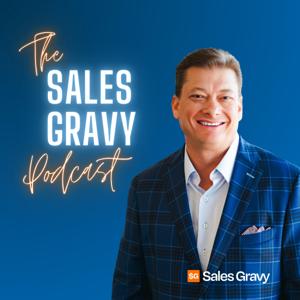
From the author of Fanatical Prospecting and the company that rewrote the rules of modern selling, the Sales Gravy Podcast helps you sell more, win more, and earn more.
Ranked by our users in the last 21 days

3,898 Listeners
1,116 Listeners
346 Listeners
16,852 Listeners

1,934 Listeners
322 Listeners

13,957 Listeners
578 Listeners

4,458 Listeners

1,201 Listeners
70 Listeners

395 Listeners

145 Listeners
257 Listeners

162 Listeners