
Sign up to save your podcasts
Or

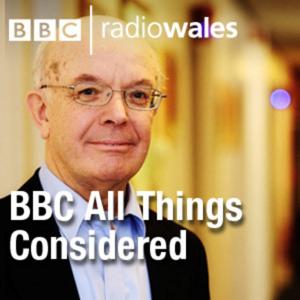

As part of the BBC “Be Scam Safe” campaign, Rosa Hunt and guests examine the impact the growing scale of scams has on the way we see the world around us. A recent survey by the Good Faith Partnership and the University of Birmingham’s Jubilee Centre found that honesty is the most important virtue for all religious groups, yet on a daily basis we are encouraged to be suspicious that the text messages, phone calls or emails we receive could be fraudulent. It’s estimated that in the UK ten billion pounds each year are stolen by fraudsters. But what impact does learning to be distrustful have on us? Are people of faith more susceptible to being scammed?
Rosa is joined by three guests: Professor Keith Jones leads the national research into financial fraud and scams with the Trading Standards Institute and their National Scams Team. He’s a Christian, has a background in social work and specialises in the safeguarding vulnerable adults. Katharine Gray is the founder and director of Friends First, a Christian dating agency, and she shares insights into how to prevent romance fraud. Phil Swann explores the theology around honesty and trust. Phil is the pastoral director of the Evangelical Movement of Wales and the pastor of Llanelli Free Evangelical Church.
We hear from Trading Standards officer Sarah Thomas-Grant who shares the current scams identified in Rhondda Cynon Taf. Steve Bumford, a Safeguarding officer in the Major Investigations Team in the Vale of Glamorgan, offers insights into a case of romance fraud. Reverend Mae Christie shares her personal experience of con artists stealing £138, 000 from her church in South London.
 View all episodes
 By BBC Radio Wales

4.3
9292 ratings
As part of the BBC “Be Scam Safe” campaign, Rosa Hunt and guests examine the impact the growing scale of scams has on the way we see the world around us. A recent survey by the Good Faith Partnership and the University of Birmingham’s Jubilee Centre found that honesty is the most important virtue for all religious groups, yet on a daily basis we are encouraged to be suspicious that the text messages, phone calls or emails we receive could be fraudulent. It’s estimated that in the UK ten billion pounds each year are stolen by fraudsters. But what impact does learning to be distrustful have on us? Are people of faith more susceptible to being scammed?
Rosa is joined by three guests: Professor Keith Jones leads the national research into financial fraud and scams with the Trading Standards Institute and their National Scams Team. He’s a Christian, has a background in social work and specialises in the safeguarding vulnerable adults. Katharine Gray is the founder and director of Friends First, a Christian dating agency, and she shares insights into how to prevent romance fraud. Phil Swann explores the theology around honesty and trust. Phil is the pastoral director of the Evangelical Movement of Wales and the pastor of Llanelli Free Evangelical Church.
We hear from Trading Standards officer Sarah Thomas-Grant who shares the current scams identified in Rhondda Cynon Taf. Steve Bumford, a Safeguarding officer in the Major Investigations Team in the Vale of Glamorgan, offers insights into a case of romance fraud. Reverend Mae Christie shares her personal experience of con artists stealing £138, 000 from her church in South London.

7,913 Listeners
376 Listeners

863 Listeners

1,067 Listeners

5,576 Listeners

1,808 Listeners
977 Listeners

1,729 Listeners

1,018 Listeners

2,113 Listeners

480 Listeners
1,996 Listeners

488 Listeners
113 Listeners

49 Listeners
154 Listeners
73 Listeners
746 Listeners
159 Listeners

143 Listeners

3,245 Listeners

779 Listeners
1,010 Listeners

15,506 Listeners