
Sign up to save your podcasts
Or

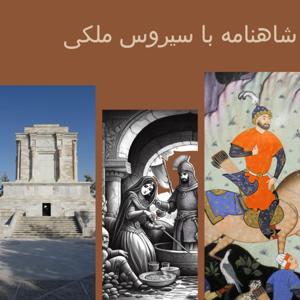


این بخش شامل نود و هفتمین نشست از سلسله نشستهای شاهنامهخوانی در انجمن ایرانشهر است که با معرفی حضار جدید و خوشآمدگویی به آنان آغاز میشود. سپس، به بررسی پایان داستان رستم و مرگ او به دست انسانهایی فریبکار پرداخته میشود. سخنران به سوگواری زال و رودابه، انتقام فرامرز از پادشاه کابل و خاکستر کردن خاندان رستم اشاره میکند. در ادامه، تاجگذاری بهمن و انتقامگیری او از خاندان رستم به دلیل مرگ اسفندیار روایت میشود که منجر به جنگ فرامرز با بهمن و شکست و مرگ فرامرز میگردد. در پایان، سخنران به ضرورت مطالعه شاهنامه و لزوم پاسخهای خردمندانه در جامعه امروز اشاره میکند.
واژهنامه کلیدی
This audio excerpt opens with a poetic recitation that sets a melancholic yet grand tone, before transitioning into an analysis of a crucial epic narrative from the Shahnameh: "Rostam and Esfandiar." The speaker introduces the story's central conflict between the legendary hero Rostam and the valiant prince Esfandiar, emphasizing their heroic qualities and Esfandiar's lineage as a Zoroastrian prince. The text then explores Ferdowsi's prelude to the tale, including his personal reflections on spring and wealth, contrasting his own circumstances with the lavish lives of other poets, and also presents a vivid description of nature, which subtly foreshadows the impending tragedy. The narrative further develops by outlining King Goshtasb's reluctance to cede his throne to Esfandiar, despite the prince's many heroic deeds, and ultimately Goshtasb manipulates Esfandiar into confronting Rostam, who the stars foretell will be his killer. The source concludes with Esfandiar's mother and Esfandiar's son, Bahman, attempting to dissuade him, and Esfandiar's rejection of his mother's wisdom, as well as ominous omens on his journey, highlighting his tragic destiny and setting the stage for the climactic confrontation between the two legendary figures.
The Journey to Zabolestan
At dawn, Esfandiyar departs with his retinue. At a crossroads, one path leads to Gonbadān, the other to Zabol. A leading camel collapses, refusing to move. Esfandiyar interprets this as an omen urging him toward Gonbadān. He sacrifices the camel to divert misfortune, but the omen shifts—foreshadowing his own death. Though troubled, he dismisses it, declaring that both good and evil come from God and that his triumph will secure his fate.
Reaching the Hirmand River in Sistan, he sets camp with his wise brother, Pashootan. Esfandiyar reflects on straying from his father’s path and his past disregard for Rostam’s service. Acknowledging Rostam’s vital role for Iran, he chooses diplomacy, hoping the hero will submit without conflict. Pashootan advises him to preserve Rostam’s honor (Āzarm Mardān). Esfandiyar sends his son, Bahman, as envoy to persuade Rostam to come willingly and allow himself to be bound. Yet the narrator reminds us that Rostam will never accept such humiliation—fate is sealed.
Main Figures
Esfandiyar: Prince, son of Gushtasb, famed for the Haftkhan and avenging Lohrasb. Loyal to his father yet tragically bound to die at Rostam’s hands. Brave but flawed in ignoring counsel.
Gushtasb: King of Iran, manipulative and power-hungry. Despite his son’s victories, he denies him the throne, sending him on a doomed mission.
Rostam: The legendary Jahān Pahlavān, loyal to Iran’s kings, unmatched in strength and honor. Respected across the land, yet refuses submission or binding.
Supporting
Katayun: Esfandiyar’s mother, wise and compassionate, warning him of Gushtasb’s schemes.
Jamasb: Court astrologer, loyal yet sorrowful, who foresees Esfandiyar’s death.
Pashootan: Esfandiyar’s saintly brother, voice of wisdom and restraint.
Bahman: Esfandiyar’s son, entrusted with the mission to Rostam, later to become king.
Mentioned
Ferdowsi: Poet of Shahnameh, who laments his poverty versus the patronage given to Farrokhi, Asadi, and Unsuri.
Lohrasb: Grandfather slain by Arjasp.
Arjasp: Enemy king defeated by Esfandiyar.
Zal: Rostam’s father, esteemed elder of Zabol.
Zavarh & Faramarz: Rostam’s kin and warriors.
Div-e Sepid: Demon once slain by Rostam.
King of Hamavaran, Soodabeh, Siyavash, Kay Kavoos, Kay Qobad, Manuchehr, Kay Khosrow: Earlier figures shaping Rostam’s legacy and Iran’s fate.
This tale contrasts Esfandiyar’s obedience and tragic fate with Rostam’s independence and enduring honor—two heroes bound by destiny to clash.
A key philosophical interlude discusses Yuval Noah Harari's "Sapiens," highlighting the importance of storytelling, myths, and shared beliefs as a strength of Homo sapiens over Neanderthals. The speaker posits that the Shahnameh can serve as a similar unifying national belief system for contemporary Iran, transcending religion or other ideologies, helping the "Phoenix of Iran rise from its ashes." The success of the Shahnameh-reading movement is attributed to three factors: its engagement with children (180 entries from children in a recent festival), the leadership of women (over 90% of Shahnameh teachers are women, known for their perseverance), and the profound nature of the Shahnameh itself.
The story begins with a prophecy: a fortune-teller informs Zal (Rostam's father) that the child born to his singing and lute-playing concubine, Shaghad, will bring ruin to Zal's lineage and cause unrest in Sistan and Iran. Despite this grim prophecy, Zal names the child Shaghad and sends him to the King of Kabul when he grows up. Shaghad marries the King of Kabul's daughter, becoming a royal son-in-law.
Historically, Rostam collected an annual tribute of a large ox-hide from Kabul. Shaghad, believing his new connection would exempt Kabul, conspired with the King of Kabul to ambush Rostam. Their plan involved the King of Kabul publicly humiliating Shaghad, leading Shaghad to falsely complain to Rostam that the King insulted Rostam's lineage and denigrated Zal and Rostam themselves. This would provoke Rostam to seek revenge.
Shaghad then advises the King of Kabul to prepare a hunting ground with numerous concealed pits, filled with sharp weapons (swords, spears, daggers), large enough to trap Rostam and his horse, Rakhsh. The King of Kabul follows this advice, preparing at least 100 such pits, covered with straw.
The plan unfolds: the King of Kabul publicly shames Shaghad during a feast, calling him of "impure lineage" and saying he is "less than a servant" to Rostam. Shaghad, feigning anger, goes to Rostam in Sistan, tears streaming, complaining bitterly about the King of Kabul's insults, particularly the accusation of Rostam's impure lineage. Rostam, enraged by the perceived insult to his family, vows to depose the King of Kabul and install Shaghad in his place.
Shaghad cunningly convinces Rostam to bring only a small retinue (Zavareh and ten horsemen) to Kabul, arguing that the mere mention of Rostam's name would terrify the King, who would surely come seeking forgiveness. Rostam, despite his wisdom and experience, is swayed, especially by the prospect of a good hunt. Ferdowsi injects a poignant philosophical reflection here, noting that when a person's time is up, their wisdom fails, and they unknowingly walk towards their fate, just as the world is fleeting and unstable.
Upon Rostam's approach, the King of Kabul, feigning utmost humility, comes out to greet him, bareheaded and barefoot, weeping and begging for forgiveness for Shaghad's sake. Rostam, true to his noble character, forgives him. The King then invites Rostam to a feast in a beautiful hunting ground, enticing him with the promise of abundant game. Rostam, whose weakness is hunting, readily agrees.
As Rostam and his small group ride into the hunting ground, Rakhsh, intelligent and perceptive, senses the fresh earth and refuses to move, exhibiting fear. Rostam, blinded by destiny and frustrated, whips Rakhsh. Rakhsh, caught between two hidden pits, falls into one, and Rostam falls with him. The pit is filled with sharp weapons, severely wounding both horse and rider.
Rostam, despite his injuries, pulls himself out of the pit. He immediately recognizes Shaghad's betrayal. Shaghad, unrepentant, mocks Rostam, declaring that his time has come. The King of Kabul arrives, feigning shock and offering to bring doctors, still fearful of Rostam even in his dying state.
شاهنامه با سیروس ملکی
روایت اصلی این جلسات حول محور مرگ رستم، قهرمان افسانهای ایران، میچرخد. این رویداد هم در خود حماسه و هم برای فردوسی، نویسنده، لحظهای عمیق و اندوهبار به تصویر کشیده شده است.
شاهنامه با سیروس ملکی
اسفندیار، پهلوان نامدار ایران، به فرمان پدرش گشتاسپ راهی سیستان شد تا رستم را که فرمان شاه را نپذیرفته بود، به بند کشد. رستم که همواره پاسدار ایران بود، از جنگ با پهلوان ایرانی سر باز زد و بارها کوشید اسفندیار را از نبرد بازدارد. اما سرانجام کار به نبردی بزرگ کشید. دو پهلوان چندین روز با یکدیگر جنگیدند؛ رستم در برابر تن رویینتن اسفندیار کاری از پیش نمیبرد. سرانجام با راهنمایی سیمرغ، رستم تیری ساخت از چوب گز و در نبرد، آن تیر را به چشم اسفندیار زد. اسفندیار در دم جان سپرد و رستم اندوهگین و سوگوار شد. این نبرد غمانگیز یکی از تلخترین رویدادهای شاهنامه است، زیرا دو قهرمان بزرگ ایرانزمین به روی یکدیگر شمشیر کشیدند.
From the publisher's feed

477 Listeners

10,064 Listeners

7,892 Listeners

2,496 Listeners
1,660 Listeners

1,157 Listeners

270 Listeners
128 Listeners

136 Listeners

2,992 Listeners

6 Listeners

47 Listeners

406 Listeners

193 Listeners

241 Listeners