
Sign up to save your podcasts
Or

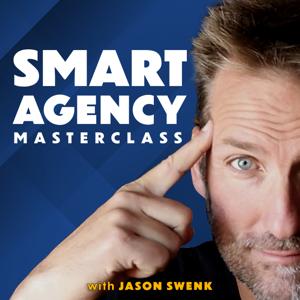


Would you like access to our advanced agency training for FREE? https://www.agencymastery360.com/training
Are you considering narrowing your focus in the near future, or do you prefer to retain the flexibility to take advantage of growth opportunities in specific sectors? Our featured guest established a PR agency by recognizing the potential to connect forward-thinking companies with journalists. In the current uncertain economic climate, she opts for diversification and maintains the agility of her agency to capitalize on the expansion of emerging sectors. Gain insights into her journey of building a PR agency that harnesses technology to enhance brand visibility, her pivotal moments in realizing the agency's success, her strategies for solidifying its growth, and the ongoing learning curve inherent in the agency's evolution.
Amy Jackson is the founder of TaleSplash, a PR agency focused on effectively helping startups and emerging brands. She shares her journey from working in corporate PR to starting her own agency, discusses the role of the media in times of change, and explains how the agency is using AI to efficiently connect journalists with relevant sources and products.
In this episode, we'll discuss:
The power of versatility and adapting to economic shifts.
Getting beyond the $ million mark.
Why growing an agency is a continued learning experience.
Apple | Spotify | iHeart Radio
The Art of Brand Elevation and Media MatchmakingAfter a decade in the corporate world and navigating the challenges of the pandemic, Amy recognized the pivotal role of media in shaping people's understanding of the world. This realization sparked her vision of bridging innovative companies with journalists to promote their products. Serving as a matchmaker between clients and journalists, she has steadily expanded her agency, empowering founders to elevate their brand awareness and position themselves as valuable resources for journalists.
So far, her agency journey has been one of discovery. As much as one can prepare themselves, speak with other owners, and read about the experience, you won't really know until you jump in and start your journey. Her first year with the agency was about building and creating. After that, each year has brought on new challenges as they grow, like staffing and learning to run the business profitably.
Overall, she always keeps in mind what clients want from her agency, which is coverage at big outlets, speak at conferences, and have people pay attention to what they represent as thought leaders to bring in more customers, investors, and have more credibility. This commitment to meeting client expectations is vital in the face of intense competition, ensuring the agency's ongoing relevance in the industry.
Building an Agency Team of ExpertsAmy first felt the momentum of her agency when she began enlisting the support of experienced individuals, enabling her to deliver top-notch services to her clients. She surrounds herself with people who have decades of experience. As a result, has been able to offer a diverse range of services and support to her clients, ultimately leading to their success.
Her team has helped multiple clients be recognized by the White House, brought into Senate hearings, and be a part of important conversations in the media. This level of support and expertise has added immense value to her clients and set her agency apart from others in the industry. All this is possible thanks to the team of experts she assembled.
The Power of Staying Versatile and Adapting to Economic ShiftsAmy cites the current economy as a key factor in why she hasn't niched down her services. Amy's agency needs to remain fluid during tough times while certain niches have their moment. Versatility makes it easier to focus on some key industries like AI, climate solutions, lifestyle brands, and health tech.
By diversifying, Amy can capitalize on growth opportunities in various sectors and mitigate risks associated with focusing solely on one industry while allowing her agency to adapt to changing economic conditions and industry trends, ensuring long-term sustainability and success.
Growth Strategies to Get Beyond the $2 Million MarkUp to this point, Amy has relied on personal networking to drive her business. She has explored various marketing channels such as lead generation, attending events and conferences to connect with other industry professionals, and has also received some referrals. However, the majority of her agency's growth has been attributed to meeting people at events.
Typically, this approach can only take a business so far, usually up to the $2 million mark, before hitting a ceiling. This is because the potential to meet new prospects at events is limited. To surpass this point, it is essential to establish alternative channels for business growth. These channels are:
Inbound: This includes social media, podcasts, blogs, website, and ads as ways for the clients to find you and get to know you and your services before reaching out and becoming customers.
Outbound: Building an effective sales team with a clear target and a deep understanding of the ideal customer profile to actively pursue leads.
Strategic partnerships: A key component in any agency's growth strategy. In her case, forming alliances with other businesses has helped her expand her agency's reach, access new clients, and tap into new markets. Strategic partnerships also provide opportunities for collaboration, knowledge sharing, and mutual support, ultimately enhancing the agency's capabilities and competitiveness in the industry.
In the world of PR, if you come from a traditional PR education and agency background, you won't have any notion of sales and financial infrastructure. In Amy's case, it's something she's had to learn on the fly as an entrepreneur and a focus of hers as her agency continues to grow.
The agency experience is all about continuous learning and overcoming challenges. As Guy Kawasaki explained in a past episode, looking back at his career he likes to break life up into thirds - grit, growth, and grace. This concept emphasizes the idea that learning is a lifelong process that involves embracing challenges, seeking growth opportunities, and remaining humble and open to new experiences and knowledge.
Do You Want to Transform Your Agency from a Liability to an Asset?Looking to dig deeper into your agency's potential? Check out our Agency Blueprint. Designed for agency owners like you, our Agency Blueprint helps you uncover growth opportunities, tackle obstacles, and craft a customized blueprint for your agency's success.
Would you like access to our advanced agency training for FREE? https://www.agencymastery360.com/training
Is your agency prepared for a strategic acquisition to accelerate its growth? What advantages does an acquisition offer compared to organic growth? Do you have the necessary resources to navigate the acquisition process while ensuring the continued growth of your agency? Our featured guest today will discuss his ongoing acquisition process, outlining his reasoning behind this move, sharing why this felt like the perfect moment for an acquisition, and how he kept his peace of mind during this time-consuming process.
Manish Dudharejia is the founder and CEO of E2M Solutions, one of the largest white label services agencies with clients all over the globe. Manish is a friend of the podcast who's been on previously talking about big decisions agency owners need to make and sharing hiring tips for agencies.
On this occasion, he discusses the recent acquisition of a white label WordPress development company, adding over 80 new team members and 100 new agency clients to their existing roster. He explains the decision-making process behind choosing to acquire rather than solely build, emphasizing the need for rapid growth and expansion in serving over 300 agency clients globally.
In this episode, we'll discuss:
Strategic acquisitions as a strategy for agency growth.
Acquisition vs. organic growth.
2 tests for cultural compatibility.
The Lion Framework.
Apple | Spotify | iHeart Radio
Strategic Acquisition as a Fast-Track to Agency GrowthManish has been building E2M for the past ten years and recently embarked on a new phase in his journey by adopting acquisition as a growth strategy. Why now? One of the key reasons was the ability to acquire clients and add new team members rapidly.
When it comes to rapid expansion, acquisition stands out as one of the most effective strategies for an agency. Manish had a clear objective to increase his agency's scale by around 50% over the next three years. While achieving this organically was not impossible, it would have been time-consuming and presented its own set of challenges, so an acquisition made sense.
By acquiring an existing company, E2M was able to instantly add 80+ new team members and over 100+ agency clients to its portfolio. This immediate influx of resources and clientele allowed E2M to scale up its operations significantly and achieve its growth goals much faster than if it had pursued organic growth strategies.
Ultimately, Manish's goals of dominating his niche in a short amount of time required a big investment and he opted to make a big move that would take less time. This way, combining forces with another company in the same space allowed E2M to strengthen its market presence and establish itself as a dominant player.
The Biggest Appeal of an Agency AcquisitionFor Manish, the biggest appeal of an acquisition is that it'll bring your agency new customers and especially new talent. Building a strong team is no small feat, and the process can be disheartening. However, acquiring a company with a skilled team already proficient in the area where Manish aims to expand can significantly expedite his agency's growth and heighten its chances of success.
Of course, is not as easy as finding a great team and adding them to your company. It's crucial to consider the cultural fit between the acquiring and acquired companies. Culture plays a pivotal role in the success of an acquisition. Misaligned cultures can lead to integration hurdles, increased employee turnover, and ultimately impede the success of the acquisition. Therefore, gaining a deep understanding of the company being considered for acquisition is essential. This understanding provides valuable insights into its operations, culture, team dynamics, and overall potential for success.
In Manish's case, he knew exactly what to expect, having established an eight-year relationship with the owners of the acquired company that provided a clear understanding of its internal workings, team dynamics, and overall performance. This familiarity allowed for a smooth transition and integration of the new team into his agency.
Vetting Acquisition Targets: 2 Tests for Cultural CompatibilityThere are two big tests to pass before embarking on an acquisition process.
First off, ask yourself can you take an entire month off from the business and find it has grown when you come back?
The second test is for those who don't have the luxury of having known the other company for many years and can attest to how they work. Do a test project with the company you're planning on purchasing. This way, you can see first-hand how you would work together. Regarding this second step, Manish goes even further and prompts agency owners to ask themselves if they would invite the CEO of the company they want to purchase to have dinner at their home since most likely they will be a reflection of their company culture.
Finally, Manish also mentions the importance of having a strong leadership team in place before considering an acquisition. Two years ago, he wouldn't have embarked on such a time-consuming endeavor as acquiring a business since he still didn't have the proper support and was more involved in the day-to-day tasks in the business. Having a capable team supporting him through the integration process helped increase their chances of a successful acquisition.
The Lion Framework to Learn the Importance of Rest and DowntimeAgency owners often feel the pressure to maintain a constant 100% effort, fearing that any time off will lead to everything falling apart. In reality, taking time away is not just an opportunity to recharge, but also a chance to evaluate what's not working and what is, ensuring you have the energy to address any issues upon your return.
Moreover, your attitude and energy will dictate your team's overall attitude to work. A pissed-off owner that hates their job will likely lead a frustrated and exhausted team that lacks initiative. This is why Manish takes his time off seriously. After removing himself from day-to-day operations, he enjoyed a freedom he hadn't seen in years.
However, the acquisition process brought him back to 18-hour workdays and numerous critical decisions. During this time, he made a point to take daily walks, giving himself the opportunity to recharge and gain the clarity needed to face the next day's challenges.
According to Manish's Lion Framework, which he shared at a recent mastermind event, taking time for self-care is not a luxury but a necessity. Rest time is crucial not only for personal health but also for sustaining productivity and creativity as a business owner. It serves as a vital tool in preventing burnout, maintaining mental clarity, and enhancing overall well-being. In this sense, Manish emphasizes the importance of surrounding oneself with a supportive team and community that offers encouragement, guidance, and assistance during difficult periods.
Do You Want to Transform Your Agency from a Liability to an Asset?Looking to dig deeper into your agency's potential? Check out our Agency Blueprint. Designed for agency owners like you, our Agency Blueprint helps you uncover growth opportunities, tackle obstacles, and craft a customized blueprint for your agency's success.
Do you run a virtual agency or a more traditional in-office business? It all comes down to what suits your and your team's work style, and one agency owner has found a way to incentivize in-office days. She also shares the lessons learned after two big clients left within weeks of each other. This feature guest has constantly been evolving and adapting to change. She shares her reasons for being an advocate for the collaborative and innovative environment that comes with a shared physical workspace. She also shares the challenges she has faced that forced her to diversify her client roster and empower her team to be independent.
Sarah Segal is the CEO and founder of Segal Communications, a public relations, social media, and influencer marketing agency that specializes in crafting communication strategies spanning the events, hospitality, and food niche. She shares her journey from broadcast journalism to accidental agency ownership. Sarah also talks about why she established a hybrid agency show where she encourages her staff to go to the office, and the decision to resize her agency and diversify their client roster.
In this episode, we discuss:
An innovative approach to promoting office culture.
Adaptability and resilience when big clients leave.
Building a self-reliant agency team.
Apple | Spotify | iHeart Radio
Going from Broadcast Journalist to Accidental PR Agency OwnerSarah began her career as a broadcast journalist in New York City, first working behind the scenes for various networks before transitioning to an on-camera reporter. However, her move to San Francisco marked a significant turning point in her life. While covering a particularly harrowing story, Sarah, now a new mom, found herself unable to desensitize herself from such distressing content. This realization prompted her to pivot her career path.
This new stage of her career involved moving into PR and working starting in in-house positions before eventually moving to an agency, where she reunited with an old college friend who first presented the idea of starting an agency together. Sarah was working a couple of freelance gigs and a particular opportunity to launch a resort in Sun Valley, Idaho offered the perfect chance for the agency's first gig.
Following her partner's departure for an in-house role, Sarah has successfully operated as a solo agency owner ever since.
An Innovative Approach to Promote In-Office CultureSarah, a forward-thinking advocate of new technologies and platforms, initially established her business as a virtual agency even before the pandemic. However, as she began to expand her team with freelancers and staff, she quickly recognized the irreplaceable value of in-person communication within her PR agency. Face-to-face interactions and fostering a sense of community in the workplace were paramount to her.
While her team had become accustomed to remote work, Sarah sought to strike a balance between virtual and physical presence. She carefully selected an office space that felt like a home away from home and introduced amenities such as work slippers. Furthermore, she implemented mandatory office days for all staff members. She created a point-based reward system for additional days in the office. Points are cashed info things like extra PTO, high-end headphones, and even international travel.
This way, days at the office don't have to feel like punishment for her staff and she is leaving room for them to spend extra days of the year there at their choosing. This not only fosters a sense of community and camaraderie among team members but also allows for more spontaneous and creative interactions that can lead to better collaboration and idea generation.
When Big Clients Leave: A Lesson in AdaptabilityEvery entrepreneur is cautious about how they move ahead with growing a company. Throughout the years, Sarah has received all types of advice about what not to do with her agency, and, by heeding this advice, she successfully expanded her client base, securing several major accounts. However, when the agency lost two of those clients in six weeks, Sarah had to start making tough decisions to stay afloat.
Unfortunately, this meant she had to lay off part of her staff leaving her feeling terrible, yet also relieved about being able to make payroll. This experience served as a poignant lesson that she hopes never to repeat.
Since losing those clients, Sarah has restructured her agency to diversify their portfolio. Now, her agency does not focus solely on big clients and has a range of small and mid-size clients. This way, if any of those clients depart, it has no impact on her P&L. By spreading out the risk across multiple clients, the business owner was able to protect their bottom line and ensure financial security moving forward.
Furthermore, diversifying clients also opens up opportunities for new business relationships and partnerships. By working with a range of clients, the business can expand its network and potentially tap into new markets and industries. This can lead to increased revenue streams and a more stable financial foundation for the business.
Cultivating Independence by Building a Self-Reliant Agency TeamAs your agency grows and you bring in new team members, you'll find that your role shifts to that of a leader who nurtures and develops others. It becomes essential to empower them to embrace your vision and handle challenges independently. By doing so, you can free yourself from the pressure of making every decision.
When you invest in training a proficient team, they become equipped to tackle any obstacle, allowing you to step back from being involved in every single decision. For instance, Sarah entrusts her team to handle minor decisions and seek guidance for major issues. It's not about her making the final call, but rather ensuring that all written materials leaving the agency are reviewed by a second party.
Her team knows to come prepared with multiple options when seeking her input, akin to the 1-3-1 rule recommended for mastermind members. By teaching your staff to consider various solutions and choose the best one, they can gradually take charge of decision-making.
For Sarah, one of the most important things is that her team keeps her up to date about the temperature of each client. Unfortunately, she also thinks temperature checks are something people don't necessarily learn until they've had the experience of getting that call from a client who is leaving. As an agency owner, patience is key as your team gains the necessary experience, ultimately surpassing your expectations.
Only by adopting this mindset of letting go of small tasks that your team can handle on their own can agency owners finally let go of some of the things they used to do and start doing the things no one else can do.
Shaping the Agency's Client Communication StrategyAs someone who runs a communications and PR agency, Sarah has seen with concern that most agencies have a very close-to-the-vest approach to how they handle their media. These agencies won't give clients access to the emails and connections they have and keep those as their value.
According to Sarah, the primary reason clients seek her agency's services is the time and effort it saves them. She and her team handle tasks that clients simply don't have the bandwidth for. This understanding has shaped her client communication strategy, emphasizing transparency.
Sarah prioritizes open and honest communication with her clients, sharing media lists, expenses, and other pertinent information. This commitment to transparency not only fosters trust but also ensures that clients are well-informed and aligned with the agency's goals and objectives.
Do You Want to Transform Your Agency from a Liability to an Asset?Looking to dig deeper into your agency's potential? Check out our Agency Blueprint. Designed for agency owners like you, our Agency Blueprint helps you uncover growth opportunities, tackle obstacles, and craft a customized blueprint for your agency's success.
What does it take to be truly remarkable? Do you struggle with imposter syndrome? Even uber-successful entrepreneurs like Guy Kawasaki have had those moments. Transitioning from corporate giants like Apple, Inc. to crafting a legacy of remarkability, he has devoted the latter part of his career to unraveling the essence of extraordinary achievements and the secrets of remarkable personalities.
Learn more from Guy Kawasaki's reflections on navigating the dichotomy of being undervalued and overvalued throughout his career, his unwavering commitment to paying it forward, and his enduring quest to craft a legacy that transcends generations.
Guy Kawasaki is a world-known marketer, author, speaker, and podcaster whose career has lately focused on empowering and inspiring people to reach their full potential. His expertise spans innovation, entrepreneurship, and social media, and he has worked with esteemed clients such as Apple, Nike, Audi, Google, and Microsoft. Currently serving as the Chief Evangelist at Canva, he is fervently committed to helping people become extraordinary through his latest book. Learn about his fascinating life story and insights on career progression and personal growth.
In this episode, we'll discuss:
What is an evangelist and how does it relate to marketing?
Overcoming self-doubt and hidden benefits of imposter syndrome.
Guy's advice on growing a successful marketing agency.
Apple | Spotify | iHeart Radio
Sponsors and ResourcesE2M Solutions: Today's episode of the Smart Agency Masterclass is sponsored by E2M Solutions, a web design, and development agency that has provided white-label services for the past 10 years to agencies all over the world. Check out e2msolutions.com/smartagency and get 10% off for the first three months of service.
The Evolution of Success: an Entrepreneur's Career in ThirdsThroughout his career, Guy has experienced the spectrum of financial success, from feeling undervalued in the early stages to being pleasantly surprised by the substantial offers he received later on. Now, he views his career path in thirds. For the first third of his career, he felt underpaid for his accomplishments. However, in the second third of his life, he found himself being offered significant sums of money for his work. He knew how much he wanted but was surprised to see people were willing to pay that sum. Now, in the final third of his life, he is financially stable and focused on giving back.
Looking back on his journey, he reflects on the importance of not having everything handed to him as a way to build character and resilience. He had to work hard, prove himself, and continually strive for more to reach the level of success he has achieved, something for which he is now thankful.
With such an interesting and successful career, Guy now aims to leave a legacy of empowering others, which he actively pursues through his podcast and writing, solidifying his commitment to positively impacting people's lives.
Chief Evangelism Officer: Spreading the Word on InnovationGuy is currently the Chief Evangelist at Canva, a position he previously held at Apple as well. According to the definition of evangelism, this means he is dedicated to spreading the good news about products that can benefit others, emphasizing their value in enhancing creativity, productivity, and communication.
To him, evangelism goes beyond traditional sales tactics because it's about genuinely believing in the value of what you are promoting and wanting to share that value with others. It is about making a positive impact on the lives of others by introducing them to something that can improve their quality of life.
Whether it is through promoting a product that enhances creativity or sharing a personal success story, spreading the good news can have a ripple effect, encouraging others to pursue their own goals and dreams. This is why being an evangelist is very close to his heart and something that influences the rest of the work he does.
Overcoming Self-Doubt and Finding the Hidden Benefit of Imposter SyndromeThinking back on his career, Guy reflects on the things that held him back at times and finds that most people are held back by their mindset. You can have people in your life who don't believe in you and, as much as it sucks it's also a relatively easy thing to ignore as long as you believe in yourself. However, if you don't believe in yourself, then that's a real problem.
In his experience, this kind of mentality can slow your progress, as it did for him back when he was writing his first book. Filled with self-doubt, he wondered if he had what it took to publish a book. Thankfully, he was able to overcome this by realizing that he didn't need external validation or permission to pursue his passion. It's a thinking he carries with him and advises anyone to adopt, whether they wish to write a book, make a movie, or try anything new.
Doubts about one's capabilities often stem from imposter syndrome, a common feeling of inadequacy experienced in new or challenging situations. However, Guy asserts that imposter syndrome can signify awareness and humility, catalyzing growth, rather than a barrier to success. He contrasts this with entitlement syndrome, emphasizing that while imposter syndrome can be overcome and lead to personal development, entitlement is counterproductive to growth.
Guy's Advice on Growing a Successful Marketing AgencyThe most impactful companies in history are those that continually revisit their customers' preferences and adapt to industry innovations. They go back and ask what it is their customers most enjoy about the product they offer and adapt using new technologies. According to Guy, Kodak could have realized they were in the preserving memories business instead of the chemicals and film business and pivoted to adapt to that new technology.
Likewise, successful agencies must keep 'working backward' and never lose sight of what it is clients want and how they can help them. Moreover, the best agencies are the ones that can solve the biggest problems the fastest. For instance, agencies that integrate AI into their services and embrace new technologies outperform their competitors. This forward-thinking approach ensures agencies remain relevant and capable of addressing clients' most pressing challenges.
The Paradox of Remarkability and the True Path to a Remarkable CareerIn his latest book, Think Remarkable, Guy delivers a practical and sometimes radical discussion on how to transform your life and make a difference. It is an extension of the work he has done on his podcast Remarkable People, where he has interviewed the likes of Jane Goodall and Marc Benioff. Through his conversations with high achievers, he shares valuable insights on how to become remarkable.
First off, as counterintuitive as it may sound, Guy's #1 advice to creating a remarkable career is not striving for remarkability. To him, the real way to be remarkable is by striving to make a difference. People like Jane Goodall didn't stop to think how she could get people to think she was remarkable. She just went ahead and did remarkable things. The natural outcome of adopting this mindset is that you don't need to position yourself as a visionary; people just conclude that you are.
In today's rapidly changing world, where technology and artificial intelligence are transforming industries and job markets, the importance of making a difference becomes even more crucial.
So how can agencies be in the game long enough to make a difference and find success? From his experience in tech, Guy's advice is to keep throwing stuff at the wall and be ready to highlight your success. "One thing Silicon Valley is very good at doing is declaring victory and hiding defeat", he says jokingly. He acknowledges that navigating the path to success in business is often humbling and emphasizes the importance of perseverance and resilience.
Do You Want to Transform Your Agency from a Liability to an Asset?Looking to dig deeper into your agency's potential? Check out our Agency Blueprint. Designed for agency owners like you, our Agency Blueprint helps you uncover growth opportunities, tackle obstacles, and craft a customized blueprint for your agency's success.
Have you considered the potential for growth through a strategic acquisition? How do you anticipate the agency owner's role evolving during an acquisition process? What steps can be taken to ensure a seamless integration once the deal is finalized? Our featured guest today has undergone a significant transformation, transitioning from white label to a more comprehensive service offering and shifting from project-based to retainer-based services. Now, she embarks on a new journey for her agency as she navigates a strategic acquisition. Tune in to hear about the evolution of her career and what she's learned about setting the course for a smooth agency transition and post-acquisition planning.
Leah Messina is the founder and CEO of Sinuate Media, a full-service digital marketing agency that works as equal parts data analytics, creative genius, and strategic mastermind for its clients. Leah recounts her transition from the entertainment industry to establishing her own agency in New Mexico, highlighting key milestones such as the shift to a retainer model and the expansion of services through a strategic acquisition.
In this episode, we'll discuss:
The downside of the white label model.
Shifting to a retainer model.
Seeking to grow through a strategic acquisition.
Post-acquisition planning and integration.
Apple | Spotify | iHeart Radio
From White Label to Reinvention: Adapting to Market ShiftsLeah always wanted to have her own business and, after working in digital publishing and working at a small digital agency, she fell in love with this evolving industry and felt drawn to the emerging technology.
Leah's agency opened for business in 2006 and initially operated as a white label agency, providing services to larger media agencies who would then resell them to clients. While this arrangement allowed her team to work on prestigious projects, it also relegated them to the background, handling the day-to-day marketing tasks and creative execution.
The economic downturn revealed the drawbacks of the white label model, with clients delaying payments and seeking to internalize services. This shift led to a substantial loss of business, as white label clients accounted for approximately 70% of their revenue at the time.
Determined to overcome this setback Leah thought about some of the requests they sometimes got from customers, and identified an opportunity to diversify their services.
The shift was not easy, as it meant redefining the agency's business model and finding new ways to generate revenue. By embracing it, she showcased her willingness to embrace change and steer the agency towards a more sustainable and diverse future.
Transitioning to a Retainer Pricing ModelAs she reevaluated her service offering, Leah also started thinking about the direction of the business and making strategic changes to adapt to the evolving needs of clients and the industry, which included a shift from project-based work to retainers.
With projects, the focus was on delivering work efficiently and quickly, while retainers required building long-term relationships and serving as advisors to clients. This shift necessitated more integration with clients, being involved in early conversations, and offering solutions to operational issues that could impact marketing efforts.
During this transition, Leah's agency was able to keep some key clients who were in the process of launching new businesses, which was a definite win. Apart from that, attracting new clients and retaining existing ones demanded additional sales efforts, such as public speaking and marketing training.
One of the primary challenges encountered in this shift to retainer-based work was persuading clients accustomed to giving orders to seek advice instead, which took positioning themselves as trusted advisors by showcasing their expertise. Additionally, Leah's team had to find a balance between providing valuable resources and not undermining the positions of marketing directors or CMOs.
Charting a New Course for Growth with a Strategic AcquisitionAfter two years of putting a heavy focus on the sales side of the business, Leah has been able to step away from the day-to-day operations and the role of project manager. Now she's focusing on the business development side.
Looking ahead, her plans for the agency include integrating AI into their work and expanding through acquisition, specifically a web development company to enhance their services and capabilities further. In terms of fit, Leah focused on cultural fit, niche expertise, profitability, and the retention of key personnel as the main features to ensure a smooth transition. She also looked for an agency with a good process that didn't require immediate huge changes. This way, they could just get to work and optimize it over time.
Right now, her mayor concern is how to integrate the teams and manage client expectations. In some cases, this requires keeping the acquisition a secret from clients for a period during the transition. By maintaining continuity and gradually introducing changes, businesses can mitigate potential concerns and ensure a positive experience for all parties involved.
Post-Acquisition Planning and Navigating IntegrationDuring the acquisition process, Leah has learned the importance of good documentation and having a solid set of books and proper records when considering buying a company. Without accurate and comprehensive documentation, it becomes challenging to justify the acquisition and make informed decisions about the business's financial health and potential for growth.
Agency owners can run into a few gotchas once the past owners leave and the hard part starts with the integration so it's important to ensure the sellers are coming from a place of transparency and accuracy in financial reporting.
Finally, being very conscious of the need for ongoing business development and strategic planning post-acquisition, Leah is now thinking about developing new retainer opportunities. This will involve taking a fresh look at the industry after the acquisition and finding new opportunities to establish a business that drives recurring revenue and complements its existing services.
Do You Want to Transform Your Agency from a Liability to an Asset?Looking to dig deeper into your agency's potential? Check out our Agency Blueprint. Designed for agency owners like you, our Agency Blueprint helps you uncover growth opportunities, tackle obstacles, and craft a customized blueprint for your agency's success.
Are you the bottleneck in your own agency's growth? Does the weight of every decision rest on your shoulders, leaving you overworked and your team underutilized? This guest is a successful agency owner who found himself in the industry after being laid off during the global economic crisis. He turned this setback into an opportunity and started his own business. However, as the agency expanded, he realized he was hindering progress. He had to shift away from the superhero mindset and empower his team to move forward. Tune in to learn how unexpected events can lead to new beginnings and the importance of seizing opportunities.
Irwin Hau is a successful entrepreneur running two agencies: Chromatix, an agency focused on stunning web design that drives users to engage faster; and ConversionCow, a SaaS focused on lead conversions. He shares his journey from working at top ad agencies to starting his own businesses. Despite being made redundant during the Global Financial Crisis, Irwin took the opportunity to venture out on his own in a move that ultimately shaped his success in the business world.
In this episode, we discuss:
Unlocking agency potential by shedding the superhero mentality.
Rethinking agency roles.
The Lion Framework.
Apple | Spotify | iHeart Radio
Sponsors and ResourcesE2M Solutions: Today's episode of the Smart Agency Masterclass is sponsored by E2M Solutions, a web design, and development agency that has provided white-label services for the past 10 years to agencies all over the world. Check out e2msolutions.com/smartagency and get 10% off for the first three months of service.
Going from Redundancy to ResilienceThe global financial crisis of fifteen years ago was a pivotal moment for Irwin. Despite having worked at the top two agencies in Melbourne and loving his job, he found himself made redundant – a harsh reality that could have easily crushed his spirit. However, Irwin's philosophy was simple: life's too short to wallow in self-pity, and true character is revealed in how one picks himself up.
Instead of giving up, he seized this unexpected turn of events as an opportunity to pursue his long-harbored entrepreneurial dreams. Yet, as any business owner knows, the path to success is rarely a straight line. He faced challenges, struggled to find clients, and had to take on low-paying projects just to keep the business afloat. However, his passion for making websites fueled his resilience and he continued to push forward.
This unwavering passion fueled Irwan's resilience, enabling him to push forward despite the obstacles. To him, true resilience isn't merely about bouncing back from failure; it's about adapting, growing, and thriving in the face of challenges. It's a mental toughness and determination to keep going, even when the road ahead seems insurmountable.
Shedding the Superhero Mentality to Unlock Agency PotentialIrwin understood at some point he was becoming the bottleneck at his agency. Everything had to go through him and the first step to solving that was learning to let go.
His initial reluctance to delegate stemmed from a fear of losing control and a belief that he was the only one who could do things the right way. However, as he reflected on his own mindset and the impact it was having on his team and his business, he recognized holding onto this mentality was hindering growth and limiting the potential of his team.
Ultimately, he was working more hours and was constantly tired. The fact that everyone came to him for everything slowed the overall process. Instead of being the central figure, he should've been the one bringing superstars together to build something great. The more he was tying himself to every project, the harder it was to scale. In the end, people didn't necessarily want "Irwin's results," they wanted the results Irwin's team got.
Ask yourself which "line" your agency is currently on: 1. Unfocused line 2. Emergency line 3. Table line
Whenever you find yourself in the emergency line, remember the easiest job in the world is the hardest to do by yourself. Yet, the hardest job can become the most rewarding when you have a team to support you. Trust in your team and rely on them to help you get through the emergency line(s).
Rethinking Agency Roles: Is Someone Else the Better Leader?Once he decided to address the bottleneck situation, Irwin called his team. Following the "important and urgent matrix," he instructed them to take care of all important and urgent tasks themselves while deciding what to delegate, delay, or eliminate from the rest.
They also conducted an exercise where mentally every member of the team, including himself, was fired. Then they wrote down who they needed and wanted on the team based on their overall goals and whether they were the right fit for the role.
This exercise can help agency owners not only assess the team but also whether they are the best suited to lead the team or if someone else could be doing a better job. Once you let go of your ego, you may find that delegating most of your workload would greatly improve the overall process so you can get to a place where your team can deliver amazing results without your involvement at any stage of the process. This way, you'll be closer to the goal of sticking to the parts of the business you really enjoy and reducing working hours.
The Lion Framework for Being Productive Rather Than Being BusyMost agency owners start their business to do something they're passionate about while creating more freedom for themselves. However, they often go from being a slave to someone else to being a slave for themselves. During this year's Elevate event, mastermind member Manish Dudharejia, Founder and CEO of E2M, spoke about the Lion framework. He drew parallels between the hunting habits of lions and the need for agency owners to emulate their balanced approach to work and rest.
It is okay to rest and space out. Don't fill your day up with activity so you don't feel lazy and unproductive. Whenever you're not working you're exercising or thinking you'll end up burned out and never have the time to think about the things you need to think about.
Just because you're moving doesn't mean you're going forward, so think about being productive rather than being busy. Being busy all day is not a guarantee that you're actually being productive and getting things done.
Leaning on Your Agency Experience to Empathize with Your ClientsFor Irwin, the biggest success in his career has been starting a business and seeing it through, despite challenges and uncertainties. Turning what was just an idea into a business didn't happen overnight, but with dedication and perseverance, he was able to build something.
He encourages agency owners to move forward and try, even when faced with obstacles and setbacks. Success is not just about hitting financial goals or being acquired by another company, but about following through with your ideas and commitments.
Moreover, by going through the process of getting from idea to actual business agency owners are better able to understand and relate to clients who come to them for help in designing and building their businesses. This empathy allows them to provide more accurate guidance and support, based on their own experiences and lessons learned.
Do You Want to Transform Your Agency from a Liability to an Asset?Looking to dig deeper into your agency's potential? Check out our Agency Blueprint. Designed for agency owners like you, our Agency Blueprint helps you uncover growth opportunities, tackle obstacles, and craft a customized blueprint for your agency's success.
Have you ever felt like a broken record with your team? Do you find yourself repeating the agency's goals and vision, only to be met with glazed-over expressions? Have you effectively communicated the agency's direction and vision? It's a common struggle for agency owners to feel they're desperately trying to rally the troops behind a unified purpose, yet somehow missing that elusive "click" of genuine understanding and buy-in. Today's guest is a specialist in the art of leadership alignment and how to foster authentic goal comprehension that permeates every level of your organization. Learn how leaders can achieve authentic goal understanding by talking, not just telling, and invest in aligning their teams to the business's direction for success.
Julie Williamson is the managing partner at The Karrikins Group, a small boutique consultancy focused on helping leaders align and deliver on shared goals. She discusses the need for clear and easy-to-articulate goals, highlighting that repetition does not equate to clarity, and stresses the importance of engaging in productive conversations with team members to ensure understanding and alignment.
In this episode, we'll discuss:
Fostering authentic goal understanding among your agency team.
Making sure the path toward the goal is clear.
Navigating trade-offs and unified execution with your team.
Apple | Spotify | iHeart Radio
How Leaders Can Foster Understanding of Agency GoalsAs a specialist particularly interested in executive engagement, Julie works with business owners that are having a hard time aligning with their teams to pursue a common goal.
It could happen that they haven't really defined said goals but often business owners make the mistake of assuming that clarity is measured in volume – the more they repeat or emphasize a goal, the more likely their team will understand and align with it. However, this is not how alignment works. This approach often falls short because it fails to engage employees in productive conversations that help them truly grasp the goals and their significance.
One of the things she encourages in these cases is to talk, not tell, when it comes to setting and communicating goals. Leaders need to invest in meaningful conversations with team members to ensure they not only understand the goals but also feel connected to them on a personal level. By involving employees in discussions about the goals, leaders can help them internalize the objectives and understand the impact of their work on achieving them.
One of the key aspects of engaging in these conversations, as Julie explains, is ensuring that team members can articulate the goals in their own words and understand the underlying drivers behind them. This deeper level of understanding will allow them to make informed decisions and choices that align with the shared outcomes.
Bridging Individual Roles to the Overarching PurposeTo ensure each team member understands and works towards a common goal there must be consistency in how every member is contributing to the overall goal.
Just because the goal is clear it doesn't guarantee that the way to the goal is clear. Each individual may have a different perspective on how to achieve the goal based on their role and responsibilities within the organization.
Therefore, leaders must clearly articulate the goal and ensure everyone understands what it means in the context of their own work. Otherweise, different employees may end up having their own interpretations of thegoal and behave differently in moments when they need to use their discretionary decision-making skills.
To address this challenge, leaders must create a shared understanding of the goal and how each individual's efforts contribute to it. This can be achieved through open communication, collaboration, and a clear alignment of roles and responsibilities. By fostering a culture of teamwork and shared purpose, organizations can ensure that everyone is working towards a common goal in a coordinated and effective manner.
Empowering Leaders to Navigate Trade-Offs and Unified ExecutionAs a leader, try to look for people who share your core values because this is how to find the ones you don't have to manage once you communicate the overall goals. This can be especially challenging once you start to scale. As you start hiring more people and getting more and more degrees of separation from the senior management, focus on building better leaders.
Invest as much in building leaders as in building technical skills because as your agency grows. You need strong leaders who can guide and inspire their teams towards achieving the core goals and growing in the same direction.
One of the key strategies Julie has been implementing is to encourage leaders to talk about trade-offs. Leaders often make decisions without fully understanding the trade-offs involved, which can impact the overall success of the organization. Even if they don't fully realize it, leaders are making trade-offs with every decision they make; it may be profits vs. revenue, long term vs. short term, or reliability and predictability vs. variability and risk. Help your up and coming leaders understand the trade-offs and how to voice them because you may find their idea of what the trade-offs is different than the one you have.
Do You Want to Transform Your Agency from a Liability to an Asset?Looking to dig deeper into your agency's potential? Check out our Agency Blueprint. Designed for agency owners like you, our Agency Blueprint helps you uncover growth opportunities, tackle obstacles, and craft a customized blueprint for your agency's success.
What do you think is holding you back from scaling your agency? Have you received coaching? And if you have, have you implemented their recommended measures? On today's episode we talk about agency owners' accountability and why reaching out for help can be useless unless you understand what you want. Scaling an agency is hardly something you can do independently. You'll need support and community along the way. A lot of the times the most important step to growing is figuring out if you're ready to change. Get ready for some hard truths and expert advice.
As Agency Scale Specialist on our team, Darby Copenhaver talks with hundreds of agency owners and finds a common thread when it comes to what's holding them back from scaling their businesses. Seeking help is the first step, of course, but you'll also need the right support and the willingness to make the necessary changes.
Many agency owners get as far as knowing to ask for help but then don't follow through, ultimately rendering any investment in coaching useless. Tune in to see why showing up consistently is the most important thing you can to and how accountability and community play a big role in the journey of growing an agency.
In this episode, we'll discuss:
Are you ready to accept help?
Showing up makes all the difference.
The agency transformation blueprint.
Apple | Spotify | iHeart Radio
Sponsors and ResourcesE2M Solutions: Today's episode of the Smart Agency Masterclass is sponsored by E2M Solutions, a web design, and development agency that has provided white-label services for the past 10 years to agencies all over the world. Check out e2msolutions.com/smartagency and get 10% off for the first three months of service.
The Roadblock to Agency Success: Are You Ready to Accept Help?More than once we've had agency owners contact our team saying they need help and then they can't even clear an afternoon for a free call to talk about what's getting in the way of their growth. If there's something that has really surprised Darby is how many people are just not prepared to get help.
First, they need to recognize they want to change and get to a point where the pain of not changing is greater than the pain to change.
Agency owners need to be open to receiving support to progress. Not every form of assistance may be suitable for everyone, whether it's from a mentor, a coach, or a community. The real challenge lies in being receptive to help and taking the necessary actions to effect changes in their businesses.
In reality, a lot of agency owners feel they want to step up to the next level but don't want to risk what they have. This means that whenever something doesn't go according to plan they'll falter and reject the help. On the contrary, hard periods are when you'll need to invest the most, learn valuable lessons, and surround yourself with the right people rather than isolate yourself.
How Showing Up Propels Agency Owners ForwardPeople who actually make it to the top have some things in common:
They're curious.
They're humble.
Their outlook is that they'll either win or learn.
The more comfortable you get with your agency the more you'll feel you have to lose by trying something risky with the business. However, remember you can always start again as long as you have something to offer. How many agency owners do you think tanked their businesses because they tried something new? Not nearly as many as you may think.
Both Jason and Darby have repeatedly seen that the agency owners who consistently show up, put in the work, and follow through on their commitments are more likely to see positive results. By being consistent in their efforts and showing up for their team members and peers, they can build momentum and make progress toward their goals.
The Agency Transformation Blueprint: Clarity, Focus, and Finding Your TribeOnce you commit and are willing to make the necessary changes, you'll need a clear idea of what you want, where you're going, and a community.
Too many agency owners seem to be waiting for everything to fall into place magically but this just doesn't happen. Running an agency is definitely more of a marathon than a sprint and you'll have to learn to pace yourself and have a sense of where you're going and what it is that you do really well that'll get you there. If you were getting paid on performance only, who would you do it for? Who is it that you can help the most and deliver the most value to? That's your starting point. Once you do that, it's all about how to get your audience's attention and find the right team to get you there.
Setting clear goals and knowing your direction is crucial for success and defining your target audience and focusing on delivering results will help you create a solid foundation for growth and development. This is where having a tribe or community to support you through the journey becomes super important. Whether it's mastermind groups, networking events, or one-on-one interactions, find your tribe and actively engage with them. A community will help keep things in perspective and constantly challenge you to stay accountable to your goals and overall direction.
Turning Obstacles into Lessons and Finding Strength in CommunityThere will always be challenges and difficult times in business, but it is important to view these obstacles as opportunities for growth and learning. Agency life has many highs and lows, and understanding can help you develop resilience and adaptability to navigate through tough times.
In the agency industry, you're either approaching the storm, in the storm or just got out of the storm. In any case, the storm is always there right around the corner. It doesn't have to be something bad, a storm can be a pressure test and could help you see things you need to see.
Being part of a community can also help you realize everyone is growing at a different pace and that while not all years bring big wins, they all bring important lessons that will prepare you for an amazing year ahead. Furthermore, a year represents a very short part of your agency journey and one bad year is not the end as long as you're focusing on building the right foundation for your ultimate goal.
Do You Want to Transform Your Agency from a Liability to an Asset?Looking to dig deeper into your agency's potential? Check out our Agency Blueprint. Designed for agency owners like you, our Agency Blueprint helps you uncover growth opportunities, tackle obstacles, and craft a customized blueprint for your agency's success.
Are you establishing genuine connections with your target audience and clients? Have you developed a compelling brand narrative that resonates with your audience to cultivate a dedicated following? Our featured guest today played a pivotal role in shaping the iconic brand identity of Red Bull, which has become a benchmark for creating captivating content. He shares Red Bull's strategy for creating engaging content, the initial missteps he addressed regarding staffing decisions and much more. Learn from his diverse experiences in the agency space and his insight into creating brand fandom.
Geoffrey DeStefano is the founder and CEO of Brand Programming Studios, a strategic and creative content studio that bridges the gap between entertainment and marketing. Geoffrey is a seasoned professional with experience in both the advertising/marketing and entertainment/media industries. He shares insights from his time at Red Bull's media and creative agency during the brand's growth in North America. He discusses transitioning from the advertising business to the television industry and working on popular shows like Mad About You and Friends.
In this episode, we'll discuss:
Keys to compelling brand stories.
Creating true connections to develop brand fandom.
Boosting agency performance through better leadership.
Apple | Spotify | iHeart Radio
Sponsors and ResourcesClutch: This episode is sponsored by Clutch, the #1 marketplace for agencies just like yours. With their innovative process, your agency will be matched with highly motivated buyers looking for the exact services you offer. Leave the lead generation to Clutch and let your team focus on delivery. Get started for FREE at clutch.co/smartagency by creating your agency profile.
Red Bull's Playbook for Creating Engaging ContentGeoffrey left the ad business to work as a studio executive on shows like Mad About You and Dawson's Creek when an old friend contacted him about an ailing agency that needed his expert advice. At that agency, he helped turn things around and became part of the team that made Red Bull a brand that pushed the limits by doing things differently.
One of the things they discussed when trying to establish Red Bull as a rebel and unique brand was leveraging entertainment content. They truly excelled at content creation, with a strong focus on pushing the limits and doing things differently. Years later, Red Bull has become a leader in the marketing space creating engaging and unique events that serve as content generators.
Red Bull's approach to content creation has set a strong playbook for other brands to follow. With Red Bull Media House, a separate entity focused on producing and distributing content, they've been able to monetize its marketing content, a strategy that has proven to be successful for the brand. By leveraging entertainment content for the brand, Red Bull has engaged with consumers in a meaningful way and created a strong connection with its audience. With this, they've been able to build a loyal fan base and establish itself as a leader in the industry by thinking outside the box and taking risks.
3 Keys to Crafting Compelling Brand StoriesBrands can tell wonderful stories that resonate with their audience and create a lasting impact. How can you guide them to discovering these stories? For Geoffrey, there are three very important aspects:
Talk to clients about giving their marketing a sense of purpose. It has to be informative, engaging, or entertaining or no one will pay attention to it.
Influencer marketing is like word of mouth on steroids. It may not be seen as authentic as when it first exploded but it's very effective and there's a way to do it right. As a brand, don't give up control of how your product will be presented, and make sure to search for influencers who line up with your brand.
Driving fandom. Fandom goes way beyond just liking a brand. It has to do with creating passion and loyalty for that brand. Building fandom through brand passion involves creating a strong emotional connection with consumers. If you can find a way to create the level of fandom that saved brands like Apple and Jeep, you'll have an audience that can get you through hard times.
Personal interaction is a key component in building relationships and fostering loyalty in business. It is particularly relevant in the agency world, especially in the context of building and maintaining client relationships.
This is where a podcast becomes a powerful tool agency owners can use to create a personal connection with clients and prospects. By sharing insights, thoughts, and expertise through a podcast, they can showcase their personality and expertise, allowing clients to get to know them on a deeper level. This personal connection can lead to stronger relationships and increased loyalty from clients.
Once you've established yourself as an expert, you won't need to pitch. You'll be invited to projects and assess whether or not your agency would be a good fit with the brand but you won't be asked to compete for the company's attention.
Boosting Agency Performance Through Amazing Leadership and TrustAgencies go through several inflection points while growing their teams and clientele. At some point what worked before won't be as effective and you have to adapt. When he came in as an expert consultant to help Red Bull grow as a brand, Geoffrey noticed a need to improve communications and how the team was staffed.
If you're having similar problems at your agency, look at your leadership team and see what you need to fix to ensure strong leadership at the top and set the tone for the entire organization. By ensuring that the leadership team consists of top performers, the rest of the team is more likely to follow suit and excel in their roles.
Geoffrey focuses on two main issues:
Effective communication. As he spent some time at the Red Bull offices, he noticed everyone spent their day emailing each other. This is a creative business and interaction is a very important part of sparking that creativity. So he shut off the email services for 48 hours to incentivize communication in their open-space office.
Trust as a form of empowerment. Geoffrey believes in giving people reign to innovate. This motivates people once they feel free to create and grow beyond their skill set. It's not about giving up control but rather giving people the space to develop and grow.
As human beings, we have innate instincts that can guide us in making decisions in difficult situations, which can apply when it comes to hiring and managing employees. Trusting your instincts and being able to act on them can prevent toxic individuals from negatively impacting the team and the organization as a whole.
Geoffrey encourages agency owners to use their instincts to stay vigilant and proactive in addressing issues within a team. One or two individuals with negative attitudes can bring down the morale of the entire team. As a manager or leader, it is crucial to recognize when someone is not the right fit for the team and take swift action. Delaying the decision to remove a toxic team member can lead to bigger problems down the line.
Do You Want to Transform Your Agency from a Liability to an Asset?Looking to dig deeper into your agency's potential? Check out our Agency Blueprint. Designed for agency owners like you, our Agency Blueprint helps you uncover growth opportunities, tackle obstacles, and craft a customized blueprint for your agency's success.
Do you have a clear understanding of the client acquisition channels needed to grow your agency? Is your agency vulnerable to leadership or a client leaving? Today's guest built his agency working with venture capitalists and private equity firms and found great success in that area, so much so that he never worried about client acquisition again.
More recently, however, he's been focusing more on setting up the channels that guarantee his agency's growth and continued success. Learn more about his unconventional path to agency ownership and his commitment to quality over rushing to ship subpar work.
David Baeza is the founder and CEO of Buttered Toast, an agency that works with the world's leading Venture Capitalists and Private Equity firms. They focus on growth architecture and lead generation, delivering powerful website designs, data-driven whitepapers, compelling ads, and customer testimonial videos. David shares his journey to becoming the founder of his own agency, his unique approach to pricing, and his areas of focus for future improvement.
In this episode, we'll discuss:
Creating multiple acquisition channels.
Charging on tangible results.
Mastering client acquisition.
Apple | Spotify | iHeart Radio
Sponsors and ResourcesE2M Solutions: Today's episode of the Smart Agency Masterclass is sponsored by E2M Solutions, a web design, and development agency that has provided white-label services for the past 10 years to agencies all over the world. Check out e2msolutions.com/smartagency and get 10% off for the first three months of service.
Leaving a CMO Job and Starting an Agency to Serve ClientsCreating an agency was never David's plan. However, his role as CMO at a venture-backed company in Boston demanded extensive daily commuting, especially as he was starting a family.
When he eventually left that position, a VC board member invited him to join as a consultant and help some of their tech companies. With time, the same client asked him to build a company around that consulting gig.
It took a little convincing from friends, but he ended up creating his company and once that first client opened up their VC network and portfolio, the work started to pour in.
With only his prior knowledge in hiring agencies but enough experience building a marketing department, he set out to do just that and built a marketing department that venture-backed companies could reach to as needed.
Embracing the Challenge of Creating Multiple Client Acquisition ChannelsGiven the specific moment in time when he started his agency, for a long time, David didn't have to worry about client prospecting. Clients just kept coming.
Even once he started to remove himself from operations and spent the majority of his time in business development, it kept working. This continuous client flow remained the same during the pandemic while many other businesses were struggling. However, after 2022 the economy took a turn, and VC referrals dried up. His agency was left vulnerable and so they started focusing on their client acquisition strategy.
Suddenly, David became very aware of the need to have multiple client acquisition channels in place to ensure a steady flow of clients. Now he has an upcoming book in the hopes of getting future speaking gigs, as well as a podcast, and weekly YouTube videos.
Even though he now understands the importance of having an inbound channel, strategic partnerships, and outbound channels to balance the agency's client acquisition efforts, he wishes he'd started these efforts sooner to safeguard against potential disruptions and maintain a consistent flow of clients.
However, the best time to start developing those channels if you haven't already is RIGHT NOW, so he knows he's on the right track.
Charging Based on Delivering Tangible ResultsSince the beginning, David had a unique approach to pricing his agency's services, emphasizing charging for outcomes, rather than by the hour. From his background as a growth marketer and CMO closely aligned with the balance sheet, David believes in getting paid for delivering tangible results for his clients, rather than billing for the time spent on a project.
When creating a statement of work for a client, he takes the time to understand their true objectives and desired outcomes. This involves unpacking the client's initial request and getting to the root of their goal. This way, he ensures that the work being done will directly contribute to the desired results.
Charging for outcomes also allows his agency to position themselves as strategic partners rather than just vendors, which to David is only possible given that they've been in the client's shoes. By working closely with clients to achieve their goals and being transparent about what is achievable, David builds trust and long-term relationships with his clients. This approach not only benefits the client by driving real results but also allows Buttered Toast to demonstrate their value and expertise in the industry.
Mastering Client Acquisition: Setting the Stage for Successful EngagementsDavid likes to start a new client relationship with a discovery call where the client answers ten questions about their business. Among other things, he tries to get a clear idea of how marketing is accountable to the organization. After that call, he has a very good idea of the KPIs the client is looking for and the levers that need to be pulled.
He'll usually follow that up with an email detailing the client's answer to every question and an invitation to add any corrections or additional information before moving on to the next stage.
In the future, he'll start working on setting up the next meeting during that first call. This simple yet crucial step can help streamline the communication process. Setting the next meeting keeps the momentum going and ensures all parties are on the same page. Additionally, it demonstrates professionalism and organization, which leaves a positive impression on the client.
Finally, another crucial aspect of conversion rate optimization is understanding the client's budget. To avoid losing deals, you need to discuss budget expectations, understand the resources available, and align proposals with the client's budget. Even though David's conversion rate is pretty good, he admits deals lost in the past have probably been due to omitting this simple step.
How to Navigate Leadership ChangesCMOs get replaced all the time at tech companies and for agencies it means there's a 50% chance that they'll keep the marketing agency and 50% that they'll cut it. Navigating leadership changes is a common challenge that many agencies face.
One key strategy for agencies is to establish strong relationships with their clients and be proactive and transparent in their communication. Agencies can build trust and credibility with clients, regardless of leadership changes.
Approach the new CMO right away to understand their goals and priorities and communicate the agency's capabilities and how you can support their vision. Usually, they don't want to have to manage a team; they want more freedom and support to succeed in their goals. Start by trying to sell them on a foot-in-the-door project instead of trying to commit them to the relationship right away. Present yourself as a valuable ally and do what you have to do to get them excited about starting the relationship, even if it means traveling to meet in person, which they'll appreciate since few people are willing to do it nowadays.
Do You Want to Transform Your Agency from a Liability to an Asset?Looking to dig deeper into your agency's potential? Check out our Agency Blueprint. Designed for agency owners like you, our Agency Blueprint helps you uncover growth opportunities, tackle obstacles, and craft a customized blueprint for your agency's success.
From the publisher's feed

227,578 Listeners
580 Listeners

16,847 Listeners
1,446 Listeners

32,770 Listeners
287 Listeners

113 Listeners

1,257 Listeners

579 Listeners

4,451 Listeners

856 Listeners

2,645 Listeners

2,607 Listeners

29,166 Listeners

357 Listeners