
Sign up to save your podcasts
Or

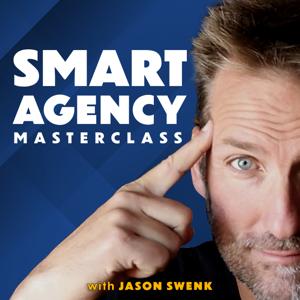


Do you feel trapped in an operation tunnel vision? Are you ready to shift your attention toward strategies for agency growth? Our guest today initially viewed strategy sessions as a luxury she could only afford once her agency had achieved significant success. However, upon receiving guidance from a coach to address alignment issues, she and her partner began scheduling daily strategy sessions and prioritizing working on the business rather than just in it. Tune in to hear about her accidental path to agency ownership and her vision for the future after implementing more intentional planning for growth.
Samantha Martin is the co-owner of Prime Marketing Agency, a female-led experiential agency that creates epic brand experiences that leave a lasting impression. She discusses her entrepreneurial spirit and how she navigated through different roles before landing in her current position.
In this episode, we'll discuss:
Navigating cashflow constraints.
Unshackling from RFPs and into a more relationship-building model.
Prioritizing strategic development.
Apple | Spotify | iHeart Radio
Sponsors and ResourcesClutch: This episode is sponsored by Clutch, the #1 marketplace for agencies just like yours. With their innovative process, your agency will be matched with highly motivated buyers looking for the exact services you offer. Leave the lead generation to Clutch and let your team focus on delivery. Get started for FREE at clutch.co/smartagency by creating your agency profile.
The 0 to 100 Leap from Freelancer to Co-OwnershipDuring her student years, Samantha was a member of a dance group that toured the US and Canada for various gigs contracted through an agency. This is where she ended up getting her start in the agency industry. Throughout the years, she kept working different gigs and staying open to possibilities working at different agencies at a time.
Eventually, the start of the pandemic brought a unique opportunity to work at an agency startup, seeing its growth from the ground up. It was an important experience she took to her next opportunity, where she could become co-owner of an agency she'd previously worked at.
It was practically a zero to 100 growth from being a gig worker at several agencies to owning a 50% stake in one. It was scary and risky but she knew how the business worked and felt ready to figure out her new role as owner.
Navigating Cashflow Constraints and Cultural ComplexitiesSo far, the most challenging aspect of agency ownership for Samantha has been cashflow. As an agency that actually keeps and maintains equipment like foodtrucks, trailers, and large rigs, they've found it challenging to manage all these pieces while still accessing more freedom to grow the business quickly. They also have warehouses in three different cities in Canada, which adds to their operational expenses.
Furthermore, while growing a team has been incredibly rewarding and recruiting both English-speaking and French-speaking professionals offers a great advantage for the agency, it can also be a challenge for the owners. Basically, there are cultural differences between both that they are actively working to smooth.
After the pandemic, the agency has been fortunate to have a steady flow of leads and, while the number of clients has decreased, they have acquired larger accounts and diversified their portfolio across various industries.
In the immediate future, Sam wants to focus on getting to a point where the agency has a healthy amount of both big and smaller clients, which not only provides stability in terms of revenue but also allows for better resource planning and team motivation. There will also be a focus on clearly defining which clients they want to service and building the specialized teams to address those particular needs.
Unshackling from RFPsAs her agency grows, Sam is also working on feeling more empowered to step away from some of the less-than-ideal parts of agency life, especially when it comes to filling RPFs. Requests for Proposal are already a controversial figure in the industry, with most agency owners hating them and striving to get to a point where they feel comfortable enough to deny them.
RFPs are often time-consuming, costly, and offer no guarantee of securing the project, given the intense competition from multiple agencies. Successful agency owners have chosen to avoid responding to RFPs altogether, citing the time and cost involved in the process. These owners choose to focus on building relationships, showcasing their expertise through other means, and strategically selecting which RFPs to respond to. This allows them to not rely on the traditional RFP process and it's where Sam wants to steer her agency in the future since she considers the model is slowly dying.
Heading to a Relationship-Building ModelShifting the focus from simply responding to Request for Proposals also allows agency owners to position themselves as advisors engaging with clients and prospects.
Instead of spending time and effort on crafting proposals and competing with other agencies can often outweigh the potential benefits. Instead, agencies can decline RFPs respectfully and propose alternative solutions, such as paid discovery sessions or consultations, to demonstrate their expertise and value to clients.
By reframing the conversation and showcasing their unique insights and capabilities, agencies can attract clients who value quality over price and are willing to invest in achieving the best results. This approach not only helps agencies stand out in a crowded marketplace but also fosters stronger, more collaborative relationships with clients based on trust and mutual understanding.
Escaping Operational Tunnel Vision by Prioritizing Strategic Agency DevelopmentPart of saying no to RFPs is putting more focus on the bigger picture, which is a must for agency owners to continue to grow their business. After being in the weeds day after day working on accounts, for Sam it was luxury to shift to working on the business instead of in the business.
Initially, it was almost a foreign concept for her to take time from day-to-day operations to work on planning for the bigger picture. It seemed silly to take two hours every day to just talk about the business when she and her partner talked about different aspects of operations on a daily basis. However, it was suggested by a coach that saw Sam and her partner's issues with the business were easily solvable by being more intentional about working on strategy. Now she can clearly see how this intentional focus on strategic planning and development has been beneficial for their company and has allowed them to better serve their clients and team.
Do You Want to Transform Your Agency from a Liability to an Asset?Looking to dig deeper into your agency's potential? Check out our Agency Blueprint. Designed for agency owners like you, our Agency Blueprint helps you uncover growth opportunities, tackle obstacles, and craft a customized blueprint for your agency's success.
Are you considering starting an agency but feel like it might be too late to do so? Our featured guest today had a thriving career in PR and successfully managed an agency for nearly two decades before deciding the missing piece in that career was building and growing her own agency. With an extensive client network who already knew and trusted her work, her agency reached seven figures in just one year! Now, she contemplates the next steps for her and her team. Listen to discover how she achieved rapid agency growth and valuable tips for retaining key employees.
Amy Littleton is the owner of Stretch PR, a full-service creative public relations agency that stretches to deliver results beyond expectations. Amy shares her journey of building a seven-figure agency in just one year, the lessons learned, and insights into why she decided to leave a long career in the industry successfully running a different agency to start her own.
In this episode, we'll discuss:
Agency structuring for sustainable success.
Building a seven-figure agency in one year.
Setting ambitious revenue goals.
Three questions to ask before exiting your business.
Apple | Spotify | iHeart Radio
Sponsors and ResourcesE2M Solutions: Today's episode of the Smart Agency Masterclass is sponsored by E2M Solutions, a web design, and development agency that has provided white-label services for the past 10 years to agencies all over the world. Check out e2msolutions.com/smartagency and get 10% off for the first three months of service.
Why Trust is the Foundation of a Great Team LeaderAmy's introduction to the world of public relations began with an internship at General Mills in Minneapolis, where she embarked on a nationwide media tour promoting Columbo yogurt. This initial experience in creating events and generating newsworthy moments paved the way for her subsequent role in Chicago, where she led an agency for several years.
Given the reins to manage the agency and make decisions on behalf of the owners, Amy was entrusted with a high level of autonomy, allowing her to hone her skills in agency management. The owners recognized Amy's capabilities and confidently relied on her to drive financial results and effectively lead the team. This level of trust empowered Amy to exercise her decision-making freedom, take calculated risks, and ultimately steer the agency toward success.
One of the key lessons Amy learned during that time was the importance of trust in managing people. She learned to look at each team member beyond their functions at the agency and to support them as people during significant transitions such as starting a family or sick parents. Trust is the foundation of any successful team and is essential for fostering collaboration, communication, and accountability.
However, as the years went by she started to think about the next chapter in her career and realized she needed to build something of her own before the end of her career. It was the one thing she felt she hadn't done in business, so she took the leap and made it happen.
Laying the Foundation: Structuring for Sustainable Agency SuccessThe hardest part of agency ownership for Amy in this first year has been client management. As the owner, she feels the weight of ensuring that clients are well-served and remain long-term partners, all while focusing on establishing a sustainable business model, team development, and policies. While these were tasks she had undertaken before, it is now her responsibility to create a cohesive structure for all these elements to function effectively.
When it came to expanding her team, Amy faced a significant decision: transitioning from relying on independent contractors to seeking full-time hires. While some may view full-time hires as unnecessary or risky in the first year of business, Amy believed it was the right move for her agency.
She chose to initially build her senior team, bringing on board a senior vice president and a vice president whom she had previously worked with and trusted to deliver. Now, she is gearing up to make additional mid-level hires to provide further support for the senior team.
Building a 7-Figure Agency by Leveraging ConnectionsAmy had already established a solid footing in the business world when she launched her agency in 2023, having cultivated strong connections within the industry. She attributes her agency's rapid growth to these relationships. In addition to capitalizing on her existing network, Amy differentiated her agency by offering a unique blend of services, merging business communications expertise with sports communications and brand activation. This allowed her agency to appeal to a diverse range of clients and offer a comprehensive suite of services, secure business quickly, and establish a solid foundation for growth.
Most people would be hesitant to leverage those connections and maybe doubt approaching them. In this sense, Amy emphasizes the importance of using LinkedIn to stay connected with past clients and colleagues, showcasing expertise, and leveraging relationships to drive business growth.
As today's Rolodex, LinkedIn played an important role in building a network of people Amy had worked with in the past, met on new business pitches, and connected with over the years. It's the platform she used to reach out to people and let them know about her agency and where she was able to generate new business opportunities, secure referrals from vendors, and grow her client base organically.
Navigating the Agency's "No Man's Land" by Setting Ambitious Revenue GoalsAfter a year of incredible growth, Amy highlights is focusing on setting clear goals and objectives for business growth. One million dollars in revenue still seems unsteady for her, so she has the short-term goal of reaching $3 million in revenue and building a more sustainable operation.
In addition, Amy is focused on evolving the agency's services as they continue to move forward. The point between $1 million and $4 million in revenue can feel like a no man's land where the agency owner is growing their agency but continues to be at the center of the operation. To get past that, owners need to gradually step away from day-to-day operations to focus on being the face of the organization, coaching the senior leadership, and setting the agency's goal and direction.
Ultimately, agency ownership will always present different challenges at each stage. It'll never feel like the storm has passed and you can now relax. But as you move forward and seek to delegate part of the load, you'll find it gets easier.
3 Questions Every Agency Owner Needs to Answer Before ExitingAt the end of your career, with all the crazier days of building the agency behind you, the thing you'll probably remember the most is the relationships you built. Working through challenges with a team, facing difficult situations together, and coming out stronger on the other side will be some of the most memorable parts of the journey, even more so than the wins.
It's during these times when you find out what your team is made of and also who's willing to ride out the tough times with you and your agency. There are also good moments to see how well your team manages a crisis without having to run to you. Can they make the key decisions following the roadmap you created?
This is when you'll know you can step back and enjoy more of your time. Is this necessarily the time to sell your agency and retire? It really depends on the person, but no one should even consider that option without a clear vision of what comes after the sale. In her case, Amy has learned entrepreneurs need to answer three questions:
Have you done enough?
Do you have enough?
Will you have enough to do?
If you have an answer for all — especially #3, then you are ready for the next stage of your life.
Do You Want to Transform Your Agency from a Liability to an Asset?Looking to dig deeper into your agency's potential? Check out our Agency Blueprint. Designed for agency owners like you, our Agency Blueprint helps you uncover growth opportunities, tackle obstacles, and craft a customized blueprint for your agency's success.
What does it take for an agency to not only survive but thrive over decades? What mindset and approach enabled this agency owner to pivot and leverage new opportunities? In the challenging world of business, most companies struggle to reach the one-year mark, with even fewer making it to the five-year milestone. Hence, for an agency to make it beyond that it means the owner has weathered more than a few storms and learned to navigate and adapt to a constantly changing industry. Today's guest has steered her business through over two decades of growth, demonstrating the ability to pivot, take calculated risks, and understand her agency's value to ensure its sustainability. From learning the importance of self-renewal to using the pandemic as a time to pivot and grow, tune in to learn about her journey and the changes in the marketing landscape over the past couple of years.
Marlo Fogelman is the founder & CEO of Marlo Marketing, an integrated marketing agency specializing in all things hospitality, lifestyle, and CPG. Marlo has owned an agency for over 20 years and today she shares insights on the evolution of her agency from a PR firm to an integrated marketing model. She discusses the variety of services her agency offers, from creative services to full-scale marketing support for clients in the hospitality, lifestyle, and consumer-packaged-goods (CPG) industries.
In this episode, we'll discuss:
Making time for self-renewal while owning an agency.
The foundations of agency rebuilding.
Pivoting to retain talent amid the turmoil.
Apple | Spotify | iHeart Radio
Sponsors and ResourcesClutch: This episode is sponsored by Clutch, the #1 marketplace for agencies just like yours. With their innovative process, your agency will be matched with highly motivated buyers looking for the exact services you offer. Leave the lead generation to Clutch and let your team focus on delivery. Get started for FREE at clutch.co/smartagency by creating your agency profile.
How a Career Pivot Led to Accidental Agency LifeDespite her initial intentions of practicing law, Marlo felt unfulfilled and unsure of her career path. It was during this time of uncertainty that she stumbled upon a job opportunity in PR, which ultimately changed the course of her career.
Working in PR, Marlo discovered her passion for marketing and communication. She excelled in her role, turning around a national brand that had previously struggled in the market. Her success in PR and her passion for quality work and ethical practices guided her decision to start her own agency, specializing in hospitality, lifestyle, and CPG clients.
One of the pivotal moments in her career was receiving a call from the CEO of a 27-unit restaurant group, offering the opportunity to take over their marketing efforts. Despite initially hesitating, Marlo accepted the challenge and exceeded all expectations, setting new sales records and achieving unprecedented success for the restaurant group. It was an interesting opportunity to be on the other side and see the results her team could bring controlling both the execution and the strategy instead of just implementing the client's vision.
The Entrepreneurial Balancing Act: Finding Time for Self-RenewalBecoming an agency owner meant a shift in how she worked and how the work she did integrated into her life. Instead of spending late nights highlighting legal documents, Marlo now spent time in Nantucket with clients, enjoying wine and meeting interesting people. However, since it didn't feel like work, she didn't take enough time to recharge.
This realization came later in her career when she led a team of 45 people and was putting all of herself into building and growing her business. While she would do it all over again, Marlo acknowledges she would also take more time for herself.
Taking time for yourself is not just about relaxation and self-care it is also about gaining perspective and clarity. Her advice to agency owners is to take a complete month off from their business to see what breaks and to recharge their energy. This allows individuals to step back, evaluate their priorities, and delegate tasks effectively.
Crisis as Catalyst: The Unshakable Foundations of Agency RebuildingThe pandemic dealt a significant blow to Marlo's agency, causing her to lose two-thirds of her clients overnight. Despite the uncertainty and fear surrounding the pandemic, she decided to seize a new opportunity, ultimately rescuing her hospitality based business from complete collapse.
Marlo's adaptability and willingness to take calculated risks were crucial for her agency's survival. She recognized the need to pivot her business strategy and embrace new challenges to ensure the agency's continuation. Even in the face of adversity, this readiness to reset and rebuild ultimately preserved her team and kept the business afloat.
In hindsight, her decision prevented the need to lay off most of her hospitality practice team, which would have meant starting from scratch. Nonetheless, she encourages agency owners to remember they can always start again and rebuild. Creativity and experience are invaluable tools at their disposal; underestimating them would be a mistake.
Staying Curious as a Competitive Advantage: the Perils of Outdated MarketingWith 20 years in the industry, Marlo has witnessed many changes and knows how important it is for owners to keep up with them to stay relevant and successful. Continuous learning and curiosity are essential in marketing, so she advises always expanding your skill set and staying up-to-date with the latest trends and technologies.
This is how she first fell into her niche, as she noticed that marketers for resorts and senior living communities getting paid a lot of money and weren't doing a good job. Most of all, these marketing fails came from people who had failed to adapt to the changing landscape. They expected to do the same things they did 10-15 years prior and still get great results. Simply relying on outdated strategies and techniques from the past is not enough to succeed in today's fast-paced marketing environment.
Furthermore, Marlo touches on the pitfalls of agencies that lack expertise in certain areas but still offer those services to clients and emphasizes the importance of being honest about one's capabilities. This ensures clients receive high-quality services and results that meet their expectations.
How Proper Pricing Can Be the Key to Work-Life BalanceOne common misconception peddled online is that running an agency allows for a life filled with endless vacations and leisurely days at the beach. While achieving success certainly requires hard work, Marlo rejects the notion that agency owners should be constantly overwhelmed and working non-stop.
If you find yourself facing a perpetual state of busyness and overwhelm, you may be undervaluing your services. By prioritizing the value of your expertise over your time, you can justify increasing your prices to better reflect the value you offer to clients. Start by raising prices for new prospects, and seeing the results, you'll work up the courage to raise prices for legacy clients as well.
While some existing clients may leave after a price increase, this will create space for new clients who appreciate the value you bring. In reality, many agency owners report minimal client turnover following a price increase, as clients recognize and appreciate the expertise their agency provides. This shift not only results in a significant revenue boost but also reduces the workload.
Regularly assessing and adjusting pricing to align with the value you deliver is crucial. This proactive approach to pricing can lead to enhanced revenue and a more sustainable business model in the long term.
Do You Want to Transform Your Agency from a Liability to an Asset?Looking to dig deeper into your agency's potential? Check out our Agency Blueprint. Designed for agency owners like you, our Agency Blueprint helps you uncover growth opportunities, tackle obstacles, and craft a customized blueprint for your agency's success.
Are you interested in breaking away from conventional agency practices? Do you want an agency structure that best suits your team? Today's guest established her agency right after college, without any prior experience working in an agency. She designed her agency's structure based on what felt right for her team rather than following standard industry norms. Emphasizing culture, and prioritizing raises and recognition over promotions, she has fostered a team of passionate individuals who love what they do. Learn about Scout's journey in building a thriving agency culture without hierarchies and how her approach to business helped her build a passionate team.
Scout Driscoll is the founder of Design Scout, a branding agency with a rebellious edge. They work with clients across founder-driven industries interested in breaking the status quo. She shares insights on creating a thriving business culture without the need for traditional promotions or ladder climbing.
With over 21 years of experience, Scout discusses working with founder-driven clients who aim to break the status quo with strategic and personality-rich brands.
In this interview, we'll discuss:
Shaping a unique agency culture.
Crafting an agency culture that goes beyond promotions.
Engaging directly with business owners.
Apple | Spotify | iHeart Radio
Sponsors and ResourcesE2M Solutions: Today's episode of the Smart Agency Masterclass is sponsored by E2M Solutions, a web design, and development agency that has provided white-label services for the past 10 years to agencies all over the world. Check out e2msolutions.com/smartagency and get 10% off for the first three months of service.
Defying 'Best Practices' and Shaping a Unique Agency StructureScout wasted no time establishing her own company straight out of college after missing out on her dream job. That was over 20 years ago, and the journey to develop her agency has been nothing short of remarkable. The most surprising revelation for her over the years has been realizing that as someone who had never worked in an agency before owning one, she could truly chart her own course.
Initially, Scout's agency was a straightforward graphic design agency with clients in the hospitality and entertainment industries. They slowly moved to being a much more strategic, focused, brand strategy agency. While still offering full-service design, the agency now dedicates three months to delve into a client's emotional drivers and brand work. Additionally, the agency naturally transitioned into an all-women team, fostering exceptional chemistry among the staff, although Scout emphasizes that she is an equal opportunity employer.
Reflecting on her agency journey, she finds it's all about finding a business that makes sense to you and not being afraid to hone your processes. More than adopting practices because they're supposed to be the industry's best practices, she prefers to adopt practices that truly fit her team's needs and make her agency sustainable.
Motivation Beyond Promotions: Attracting Talent Driven by Great WorkAfter twenty years in the business, Scout now manages a small team of passionate individuals and is focused on creating the best work environment for them.
One of the key aspects of Scout's approach to building a strong culture is her emphasis on equality and empowerment within her team. She has one brand strategist who lays the foundation for the team's groundwork on each project, as well as an operations manager who handles what each member does, for how long, and how much it'll cost. Every person on her team is a designer of the same stripe, meaning that there is no hierarchy or ladders to climb within the agency.
It is certainly a unique approach and not to everyone's liking, but for her it fosters a sense of equality and collaboration among team members, allowing everyone to feel valued and respected for their contributions.
Scout is clear with potential hires from the beginning that there are no promotions within the agency, but rather a focus on recognizing and rewarding great work. This approach attracts individuals who are not solely motivated by climbing the corporate ladder, but instead are passionate about doing great work and being recognized for their efforts. All team members are focused on producing high-quality work and supporting each other, rather than competing for promotions.
The Benefit of Engaging Directly with Business OwnersAs someone who never worked at an agency before owning one, Scout has created her own unique work structure with her team. Each designer has a close relationship with their clients and manages their own projects internally directly with them, which to Scout is a more efficient way to work. This way, she's managed to design a very slim operation that works for everyone.
She takes pride in developing client relationships and prefers to work with small companies where she and her team can directly engage with the owner, rather than navigating through multiple decision-makers.
Scout prioritizes her team's job satisfaction and conducts annual employee reviews focused on their comfort, sources of inspiration, and suggestions for improving the work environment. This approach has resulted in significant growth and continuous improvement for her agency.
In line with her belief that overworking the team yields poor results, Scout ensures that most staff work around 40 hours per week, with parents working around 35 hours. She firmly believes that this policy fosters a better work environment and improves results.
Finally, Scout advises agency owners to remember that just because someone is a good hire doesn't mean you'll automatically know how to be the right kind of boss for them. It takes time to understand each individual's needs, preferences, and coaching style to provide the necessary support and guidance for their success.
Do You Want to Transform Your Agency from a Liability to an Asset?Looking to dig deeper into your agency's potential? Check out our Agency Blueprint. Designed for agency owners like you, our Agency Blueprint helps you uncover growth opportunities, tackle obstacles, and craft a customized blueprint for your agency's success.
Is the fear of failure the driving force that keeps you striving towards your goals? For too many agency owners, the relentless stress of this life corrodes their drive, fueling an unhealthy obsession with avoiding defeat at all costs. Putting together a great team and taking the time to stop and figure things out is often the only way to get out of that trap.
Today's guest managed to do this by implementing the lessons learned from the bike trails. She took the discipline and important insights learned from sports and translated them into business. As a result, she was able to improve her results and grow her agency. Tune in for insights on finding freedom and flow in business without being rooted in fear.
Karley Cunningham is the founder, creative strategist, and growth accelerator of Big Bold Brand Inc., a marketing agency that works with innovators, disruptors, and changemakers who seek a strategic business advantage and desire bold differentiation. Her team helps these innovators sort out their businesses and build great brands.
In this episode, we'll discuss:
How a purposeful plan will help you prevent burnout.
Plan to thrive, not to survive.
Avoid operating from a place of fear.
Apple | Spotify | iHeart Radio
Sponsors and ResourcesClutch: This episode is sponsored by Clutch, the #1 marketplace for agencies just like yours. With their innovative process, your agency will be matched with highly motivated buyers looking for the exact services you offer. Leave the lead generation to Clutch and let your team focus on delivery. Get started for FREE at clutch.co/smartagency by creating your agency profile.
Prevent Burnout with a Purposeful Plan: Taking a Sports Approach to Agency GrowthKarley, a former pro-level mountain biker and passionate sports enthusiast, attributes the most significant impact of sports in her life to the structure it provides. As a creative thinker prone to distraction, she values the discipline and routine that sports have instilled in her, enabling her to focus and succeed.
For her, it's been easier to absorb business lessons by drawing parallels between sports and business, which is how she's gotten to important shifts like taking a rest week every six to seven weeks of the year to catch up, think about the agency's vision, and breathe. Like navigating a challenging trail in the mountains, running an agency requires determination, resilience, and a deep sense of purpose.
However, the most important thing you can do to prevent burnout is to have a plan. Many agency owners let the day-to-day consume them until they feel the only way out of the constant stress is to get out of the business altogether and sell the agency. At this point, they need a clear plan detailing the short-term and long-term goals they're aiming for that will provide a direction and strategy.
Additionally, Karley's advice to agency owners is to ensure the journey is as fulfilling as the destination. Just like in outdoor adventures where the climb must be worth the descent, agency owners should find joy and fulfillment in the process of growing their business. By integrating elements that excite and motivate them into their plans, agency owners can maintain their passion and drive toward success. In this sense, she recommends agency owners to "plan to thrive, not survive" as a key mindset to adopt in order to achieve success and growth in their businesses.
Plan to Thrive: Teamwork and Collaboration for Agency SuccessJust like preparing for a challenging adventure like hiking the Grand Canyon takes planning ahead and anticipating challenges in order to thrive in the face of adversity. Agency owners should remember that, just like hiking a mountain, doing it all by yourself can prove to be very difficult and even boring.
Having a strong team and a supportive network can make all the difference in your journey. By surrounding yourself with a team of smart and capable individuals, you can leverage their strengths, make better decisions, and achieve greater success as a collective unit. For Karley, watching her team thrive is very rewarding and something you can only get through collaboration, teamwork, and shared decision-making in overcoming challenges and celebrating victories together.
Ditching the Fear Mindset Operating from a Place of PassionRight now, the next stage for Karley is to prepare to sell her core methodology, which she was able to develop and systemize during the pandemic. As she prepares to turn it into a licensable system, she is admittedly stepping into a scary part of the process, a prospect that both excites and scares her. Despite her apprehension, she is determined not to let fear be the driving force behind her efforts.
Due to the many stresses of agency life, owners can end up fueled by the fear of failure, which is a horrible way to live. Karley encourages agency owners to be aware of what the dangers are but avoid running from a place of fear and instead try to hold on to the enjoyment of the process. To get to this place, think about surrounding yourself with people who know how to navigate those dangers and build a team with the skills to get you out of any situation. By doing so, you can operate from a place of passion and trust in their abilities to succeed.
And if you do ultimately fail, then it can serve as experience for the next adventure. In the end, there are no lives at stake. The agency may die but you're still here to keep going.
Do You Want to Transform Your Agency from a Liability to an Asset?Looking to dig deeper into your agency's potential? Check out our Agency Blueprint. Designed for agency owners like you, our Agency Blueprint helps you uncover growth opportunities, tackle obstacles, and craft a customized blueprint for your agency's success.
Have you ever wondered what it takes to scale an agency from millions to tens of millions in revenue? Or how to successfully pivot from services to products? Today's guest has walked that path - not once but twice.
He's built two successful agencies with the mission to lift brands up, tell compelling stories and recognize new products. As he reflects on his journey, he recounts the differences between scaling an agency to $25 million and to $50 million, as well as the pivotal decision of starting to sell a SaaS product. Tune in for valuable insights and inspiring stories from his entrepreneurial experience.
Phil Case is the President and Chief Client Officer of Max Connect Digital, a digital marketing agency that combines the most extensive real-time consumer data sets with personalized and dynamic ads. Phil shares his journey of growing his first agency from $300,000 to around $5 million and then scaling his current agency from $18 million to over $50 million. He discusses profit margins, business growth strategies, and the competitive mindset needed to succeed in the industry.
In this episode, we'll discuss:
A smarter approach to sustainable growth.
Attracting talent through an SVP structure.
The path to becoming a $50 million agency.
Apple | Spotify | iHeart Radio
Sponsors and ResourcesE2M Solutions: Today's episode of the Smart Agency Masterclass is sponsored by E2M Solutions, a web design, and development agency that has provided white-label services for the past 10 years to agencies all over the world. Check out e2msolutions.com/smartagency and get 10% off for the first three months of service.
Foundational Clients: The Smart Approach to Fueling Sustainable GrowthLooking back, Phil knows he would scale his first agency differently. Back then, he worked grueling 60 to 80-hour workweeks, constantly putting out fires while striving to appease everyone. He also fell into the trap of trying to cater to every need, becoming a jack-of-all-trades for his clients.
If he could go back he would tell himself to focus and maintain high standards. He now understands that striving to excel in a specific area and establish a strong reputation for himself and his agency and have a minimum threshold of what they will do for clients. The growth process would've been slower, but it would have prevented them from taking on clients who placed excessive demands on the agency.
Admittedly, committing to a single niche at the outset can be challenging, especially when faced with numerous options and critical decisions. Furthermore, you can't control your inbound and the type of opportunities that come to you when you're just starting out. If given a do-over, Phil would be deliberate in building a stable foundation with a select group of clients, who would serve as the cornerstone for the agency's continued growth.
Aligning Talent and Vision for Exponential GrowthWhen it came to enhancing the agency's growth and focus, Phil found it crucial to expand his team with individuals he trusted to excel beyond his own capabilities. Understanding the agency's ideal client and vision is essential for attracting a team aligned with the common goal. This alignment empowers the team to make autonomous decisions for the agency, freeing Phil from constant oversight.
Empowering a team, trusting them to make decisions, delegating responsibilities, and allowing them to grow within the organization are key components of scaling an agency effectively. Once he had a big enough team, Phil appreciated the ability to spread the responsibility and burden of running the agency across a group of people. With a diversity of voices now up to speed on the agency's goals and vision, they make way better decisions than Phil would haveon his own. This is where exponential growth started for his agency.
Attracting Top Talent Through an SVP StructureEven as Phil successfully built a top-notch sales team at his second agency, he found himself frequently stepping in to close deals or develop strategies alongside the C-suite. To address this, he implemented a senior vice president structure, tapping professionals from diverse backgrounds such as higher education, automotive, and retail. This strategic shift allowed him to confidently direct inquiries to the experts, fostering a sense of empowerment within his team to handle client interactions and secure deals without his direct involvement.
Moreover, by entrusting specific industry expertise to the senior vice presidents, the agency positioned itself as a frontrunner in those sectors, attracting clients seeking specialized knowledge. Phil's deliberate approach to hiring and training three vice presidents concurrently during the onset of the pandemic proved fruitful, as it provided an opportunity to onboard exceptional talent seeking to make an impact. This bold move resulted in several outstanding hires who excelled in leadership roles.
Since making these hires, they've been much more intentional with their growth and have doubled down on existing client relationships. They are focused on providing more quality, value, and performance, which has accounted for 60% to 70% of their growth in recent years.
The Path to Becoming a $50 Million AgencyComing into his second agency, Phil had a clear-cut mission in mind: World domination. They wanted to be the best and perform well for clients and so their sight was always set on the next milestone. If they were doing $2 million in revenue, they were already thinking "How do we get to three?"
With an unwavering commitment to progress, Phil's approach to reaching $50 million differed significantly from his strategy to achieve $25 million. Initially lacking a clear understanding of their ideal customers, they have since become more deliberate in their pursuit of growth.
Once they reached $25 million, they started to interrogate whether they really wanted to exponentially grow their client base. They took a step back to analyze and define what a bullseye client looks like for them and what were the industries where they consistently outperformed the competition. This mindset shift led to the realization that the most underappreciated growth mechanism was their existing book of business.
With this in mind, they focused on signing on fewer clients per month and doing quarterly business reviews for each of their accounts. By prioritizing quality over quantity, being intentional in their growth strategy, and investing in their team and resources, agencies can position themselves for long-term success and sustainability in a competitive industry. Once that focus came to be, Phil's agency propelled from $25 million to $30 million.
Now, at $50 million, they deal with different challenges like inner departmental collaboration, orchestrated strategies, and scaling systems and structures.
Expanding Their Market Reach by Selling a Saas ProductAs his agency scaled, their margins remained relatively consistent. As they've hit different revenue peaks, the composition of the types of services they're offering is what tended to affect their profitability. Recognizing that certain client compositions or services were less profitable, the agency focused on enhancing its value proposition, optimizing pricing strategies, and improving operational efficiency to boost its bottom line.
At this stage, the emphasis for Phil is on exploring ways to deliver greater value, adopt effective pricing strategies, and establish efficient frameworks to enhance service delivery. In this sense, they've now set out to build marketing technology platforms they're starting to sell as a SaaS-type product.
By leveraging their expertise in marketing technology and developing innovative solutions, agencies can expand their market reach and tap into new revenue streams. This approach allows agencies to scale their business, increase profitability, and potentially attract investors or buyers interested in acquiring the SaaS product.
Agency owners can rethink their approach to their agency business to running a services-based firm and a SaaS company simultaneously. Phil acknowledges the different mindset required for each type of business and emphasizes the importance of incubating the SaaS business and eventually separating it from the services-based firm to ensure success in the long run.
Do You Want to Transform Your Agency from a Liability to an Asset?Looking to dig deeper into your agency's potential? Check out our Agency Blueprint. Designed for agency owners like you, our Agency Blueprint helps you uncover growth opportunities, tackle obstacles, and craft a customized blueprint for your agency's success.
Are you debating the value of building your brand? Perhaps you're wary of the effort needed to establish your identity, only to feel confined to your business once you become the face of the agency. Our guest today specializes in helping clients effectively brand themselves and elevate their agencies.
He understands the common fears and reservations surrounding personal branding and offers valuable insights into its benefits. Above all, he wants entrepreneurs to understand that personal brands should evolve continually, ensuring that they don't limit your growth. Tune in for expert advice on cultivating trust and credibility in the industry through consistent branding efforts.
Jason Barnard is an entrepreneur, writer, and CEO of Kalicube, a digital marketing agency that makes your online brand representation irresistible to potential customers. Jason loves to solve the puzzle of how algorithms work and figure out how clients can use them in their favor. In this conversation, both Jasons emphasize the significance of branding yourself to elevate your agency to the next level in the digital marketing space.
In this episode, we'll discuss:
Why a personal brand won't tie you to the business.
How to build and pivot your brand.
Communicating your evolving value.
Apple | Spotify | iHeart Radio
Sponsors and ResourcesClutch: This episode is sponsored by Clutch, the #1 marketplace for agencies just like yours. With their innovative process, your agency will be matched with highly motivated buyers looking for the exact services you offer. Leave the lead generation to Clutch and let your team focus on delivery. Get started for FREE at clutch.co/smartagency by creating your agency profile.
The Relatable Factor: Using Personal Branding to Connect with ClientsBuilding a strong brand requires consistency above all else. Without it, your company risks fading into obscurity. As long as you provide value, consistency will help you gain your audience's trust over time. For Jason, it's also very much about believing in the value you bring and being proactive. It's a journey that never ends, Jason says, and a game you lose unless you devote enough time to building that brand over time.
Most agency owners believe they need to choose between building the agency's brand or their personal brand. Commonly, a personal brand is seen as something that will tie you to the business forever, turning you into the face of the company. However, you need to be the face of your agency, especially in the beginning, and this doesn't necessarily mean you'll never be able to walk away.
Being the face of the agency simply means that you are the relatable figure that people associate with the business. People prefer to interact with individuals rather than faceless entities, and having a recognizable figure can significantly enhance their connection to your agency.
According to Jason, we all have a personal brand, whether we like it or not. As soon as you step into the digital landscape you're leaving a footprint and, even if you try to stay in the background, people will seek you out to figure out who's behind the agency.
Furthermore, agency owners should consider their career trajectory beyond the agency. Whether that means transitioning to roles like investor or author, having an established brand can make this pivot much smoother than starting from scratch.
Building and Pivoting Your Brand on Your Own TermsFor many people, one of the scariest parts of building a brand is thinking they'll have to be very active on social media. To this, Jason says: not necessarily. To build your brand, you need to do things that make sense to you. This might be appearances on podcasts, writing articles, or social media. It all depends on your talent set, how you want to be presented, and how your audience is going to consume the information you provide.
If, instead, you're looking to pivot an existing brand, Jason recommends auditing and updating all existing content about yourself to ensure it accurately reflects your current brand identity. This may involve revisiting old blog posts, social media profiles, podcast interviews, and other online assets to make necessary changes and corrections. It's what he did when he decided to become a digital marketer after many years of being known on the internet as a cartoonist. He set out to align all his content with his current brand message to present a cohesive and compelling image to your audience.
For people looking to achieve something similar, he advises looking at what they have in their digital ecosystem, deciding what they want to communicate, and refocus everything. Once you do, Google will represent you in the way you want and your audience will see you the way you want to be seen.
Communicating Your Evolving Value in the Digital AgeOne thing all entrepreneurs should keep in mind when it comes to branding is that we're not permanently just one thing. People change and evolve; likewise, your personal brand should always evolve. If you have an active career, you'll probably need to reposition yourself at least three times as you accomplish some goals and set out to conquer new ones.
In today's digital landscape, with the increasing influence of AI and algorithms, effectively communicating one's identity and value proposition to the target audience is paramount.
As individuals, we may struggle with defining who we are and what we stand for however as professionals, we must recognize that change is inevitable and that our personal brand should reflect this evolution. It can take time and self-reflection to truly understand our values, goals, and strengths. However, by actively engaging in this process, we can better align our personal brand with our authentic selves and create a more compelling and impactful online presence.
Do You Want to Transform Your Agency from a Liability to an Asset?Looking to dig deeper into your agency's potential? Check out our Agency Blueprint. Designed for agency owners like you, our Agency Blueprint helps you uncover growth opportunities, tackle obstacles, and craft a customized blueprint for your agency's success.
Are you striving to refine your selling strategy and cultivate enduring client relationships that stand the test of time? How can you elevate your approach to not just closing deals but fostering long-term partnerships that drive mutual growth and success? Today's guest started her business with the idea of embodying a strategic dance of trust, value creation, and genuine connection. Tune in to learn how leading with strategy can lead to success in the agency world.
Molly Baker is the founder and CEO of Indie Consulting, a marketing agency that specializes in strategic planning and activation. Molly shares her journey from working with big brands to starting her agency. She explains her reasons for prioritizing strategy and highlights the need to deeply understand client goals and strengths before making recommendations.
In this episode, we'll discuss:
Why Molly chose to sell strategy to gain clients' trust.
The challenge of developing a repeatable process.
Offering a foot-in-the-door and client workshops to become a trusted advisor.
A unique approach to account management.
Apple | Spotify | iHeart Radio
Sponsors and ResourcesE2M Solutions: Today's episode of the Smart Agency Masterclass is sponsored by E2M Solutions, a web design, and development agency that has provided white-label services for the past 10 years to agencies all over the world. Check out e2msolutions.com/smartagency and get 10% off for the first three months of service.
Ditching the Agency Model and Forging Her Own Strategic PathAfter graduating from college, Molly kicked off her career working at a prominent agency, where she mostly worked in digital media buying for a few years. She learned a lot and enjoyed all the great things that come with working at bigger agencies. After that, she went to work on the brand side at Ben & Jerry's, a great experience that allowed her to work with all types of agency partners. However, the brand side ultimately wasn't for her.
Wanting to find her own way in the industry led her to work freelance for some time as she gained more and more interest for the strategy-based offer. Eventually, it was time to give her vision a shot and see what happened.
She always saw herself starting a company, although she refrained from categorizing it as an agency, aligning with her distinct vision. This leap of faith has proven successful, as her business continues to thrive five years later.
Selling Strategy and Building Long-Term Client RelationshipsMost agency owners typically start by leveraging their expertise and working as freelancers, tailoring their services to meet their clients' specific needs, all while trying to establish a successful business model. For her part, Molly took a distinct approach from the beginning.
Initially, her value proposition centered around offering businesses the opportunity to hire her for a period of 3 to 6 months, instead of bringing in an in-house marketing director or digital strategist. This allowed business owners to thoroughly assess their needs and devise a plan before committing to a permanent in-house hire. It proved to be an appealing offer, especially at a time when business owners were overwhelmed by the options presented by digital but knew they had to embrace it to be relevant.
As her business evolved, Molly expanded her services to include addressing traditional strategy inquiries, such as the most effective investment models or creative strategies tailored to each business. This evolution ultimately led to the development of a fractional resourcing offering, providing clients with a dedicated partner who could seamlessly integrate with their team on a full-time basis.
It's a very effective way to gain clients' trust and get over the initial hesitancy that can come when they suspect the agency is just trying to sell something. Molly built a true consultancy where they sit down and help clients figure out the gaps in their business, which goes back to the very basis of the agency work: helping someone solve a problem.
Developing Repeatable Processes Amid Market AbundanceWhen it came time to start delegating some of the load to her team, Molly faced several challenges. Initially, she hired friends she'd previously worked with, which made for a seamless integration due to their similar styles and approaches. However, once the team started to grow and she hired outside of her known pool of past associates, it became more about effectively communicating how she wanted things to be done.
It ended up being more complicated than she thought, since the way they did things couldn't always be translated to a teachable process. It took teamwork and helping her team get educated through some of the same courses she'd completed but they eventually got there.
As they built their process, they encountered projects that served as valuable learning experiences, teaching them not to rush through tasks. Understanding a client's business goals and needs before making recommendations was crucial to Molly and her team. As a result, individuals who sought to speed the process were not a good fit for them.
Given the sheer volume of options available in the market, strategic planning has become more important than ever, as clients are realizing that a one-size-fits-all approach no longer suffices.
Of course, selling a process that takes three to five months to complete is challenging, Molly has learned that diving straight into execution only leads to increased spending while testing, learning, and making corrections along the way.
Using a Foot-in-the-Door Offer to Sell Clients on the Value of StrategyEven though clients are currently more aware of the fact that the right solution won't come from a few paid ads, Molly admits it can be hard to sell clients on the value of strategy. In such cases, a foot-in-the-door strategy emerges as a valuable tool to attract clients for a smaller commitment, allowing them to experience your work and view you as a trusted advisor.
Statistically, clients are 20 times more likely to engage your services again after their initial commitment. Therefore, including a foot-in-the-door offer can help you close a lot more deals and cement a relationship that can help clients feel more secure in paying the higher fee.
Offering Client Workshops to Become a Trusted AdvisorBeyond the foot-in-the-door strategy, Molly and her team are also preparing to implement a strategy workshop where clients will be able to learn from each other and get to see examples of what her agency's strategy output can look like.
These types of networking events provide a space where agencies can showcase their capabilities and expertise more interactively and engagingly, rather than relying solely on traditional sales pitches and capability decks.
From her experience, Molly has seen clients at these workshops are mostly interested in learning what's working and not working for other brands and which tools they're leveraging. Providing this information also perfectly positions her agency to connect with potential clients and present themselves in a professional yet friendly environment where they can showcase their expertise.
For Molly, it's like a "karmic boomerang", highlighting the idea that by consistently offering help and support to clients without expecting anything in return, agencies can build a positive reputation and trust with their clients. This approach creates a cycle of reciprocity where clients are more likely to turn to the agency for assistance and solutions because of the trust and goodwill that has been established over time.
A Unique Approach to Account ManagementMolly is very decidedly against the general idea of what account managers are and has been since the beginning of her agency journey. In her view, account management can mean many things to different people and she challenges the traditional notion of account management as simply project management.
She believes that account management should be viewed as a partnership, where agencies work closely with clients to understand their needs and goals, rather than just focusing on getting tasks done.
Molly's agency takes a unique approach to account management by assigning account leads based on skill set and personality match, rather than having dedicated account managers. This allows for a more personalized and tailored approach to client relationships, where the agency aims to be a business partner and thought partner for their clients. By building curiosity and soft skills within her team, Molly ensures that they can show up better for their clients and truly understand what makes them tick.
Do You Want to Transform Your Agency from a Liability to an Asset?Looking to dig deeper into your agency's potential? Check out our Agency Blueprint. Designed for agency owners like you, our Agency Blueprint helps you uncover growth opportunities, tackle obstacles, and craft a customized blueprint for your agency's success.
Do you treat your team like employees or like people? Every agency owner should recognize the immense value of their team and ensure they are treated with the utmost respect. This may entail parting ways with toxic clients, as the well-being of your team is irreplaceable.
Our guest today faced challenging times during the pandemic when they had to terminate their agency's largest client to prevent the team from burning out entirely. It was a difficult decision, but it ultimately demonstrated how much he valued his employees, leading to a shift in the company culture and a newfound appreciation for their skills, which could be harnessed for incubator businesses. Tune in to discover how he faced the loss of a big client to choose the team that was making his dream a reality and how celebrating the small wins helps keep everyone sane and focused.
Miles Marmo is the founder of Agency Squid, a boutique consultancy and creative agency based in Minneapolis. He shares his journey of building a successful agency, navigating challenges, and creating an incubator agency model, as well as the importance of understanding consumer segmentation, industry trends, and merging it with creative outputs.
In this episode, we'll discuss:
Learning to savor the small wins.
Choosing your team over a bad-fit client.
The benefits of incubator brands for agencies.
Apple | Spotify | iHeart Radio
Sponsors and ResourcesClutch: This episode is sponsored by Clutch, the #1 marketplace for agencies just like yours. With their innovative process, your agency will be matched with highly motivated buyers looking for the exact services you offer. Leave the lead generation to Clutch and let your team focus on delivery. Get started for FREE at clutch.co/smartagency by creating your agency profile.
Why Agency Owners Need to Savor Every SuccessMiles, a former athlete with experience working in agencies on the brand side, never anticipated becoming an agency owner. However, his entrepreneurial spirit was ignited by his competitive nature and desire for some degree of control over his work. His love for working with people also made entrepreneurship a natural fit for him.
Overall, he describes owning an agency as a rollercoaster with exhilarating highs and challenging lows, so maintaining a sense of balance is very difficult. In this sense, Miles tries to always remember to celebrate the wins, no matter how small.
Agency owners often dwell on losses and setbacks, leading to demoralization. Success is almost expected and therefore not celebrated as much as it should be. Instead, Miles believes that celebrating even minor wins not only boosts morale but also provides a sense of accomplishment and validation for the hard work put into the agency.
Undoubtedly, agency owners will face common struggles and moments of doubt and burnout when they feel like giving up and taking a job instead. However, he believes that by focusing on celebrating wins and finding joy in the successes, they can stay motivated and inspired to continue growing their businesses.
The Make-or-Break Moment: Choosing Your Team Over a Bad ClientOne of these hard moments happened to Miles during the pandemic, when he faced the tough decision to part ways with a major client who negatively impacted the agency's culture and caused burnout among employees. It was a moment where he even questioned whether he had chosen the right career path and his effectiveness at managing his team
Although difficult, it became clear the client would never be content with the agency's work. This decision ultimately led to a sense of relief and a reshaping of the agency's values and its approach to new business. In the end, prioritizing the team's welfare was crucial for the business's overall health and success.
Letting go of a client that negatively impacts your culture is a way to show your team that you value them much more than any client. At the end of the day, as an owner, your team is building your dreams and is your greatest asset. You can always get more clients, but assembling a great team is difficult.
For Miles, the key to a successful agency lies in the team that supports it so he greatly values having a team that believes in the vision and works towards achieving it. This sense of unity and shared purpose not only motivates everyone but also leads to better results for the agency.
The Double Benefit of Incubator Brands for AgenciesDuring the pandemic, Miles recognized the potential of his team's unique skill set and saw an opportunity for them to embark on more fulfilling and lucrative creative endeavors. In this sense, he highlights the importance of allocating time effectively and setting boundaries to ensure the team focuses on client work as well as internal projects. Many agencies leave creative projects for later and prioritize client work. However, by managing time wisely and dedicating specific days for internal work, the agency can balance client demands and working on their own brand.
In this regard, Miles discusses the benefits of leveraging his team's skills to build incubator businesses where they can gain valuable experience and expertise that can be applied to client work. It gives them a playground to creatively express themselves without the limits usually imposed by clients, as well as rare access to the full supply chain logistics and insight into the impact of a design decision. While dedicating time and commitment to these ventures may be challenging, the benefits far outweigh the effort.
Why Neglecting Self-Care Ends Up Affecting Your AgencyBeing your best self is crucial for success, which is why Miles stresses the importance of mental health in this industry. Neglecting self-care can lead to a decline in performance across all aspects of life.
With a one-year-old at home, Miles has gained a new perspective on the significance of self-care and how neglecting personal well-being can have far-reaching consequences. Delaying self-care until a specific goal is reached is counterproductive, as one's well-being directly impacts performance and overall satisfaction.
Seeking support from an entrepreneurial community or a therapist can provide invaluable assistance during challenging times, ultimately leading to improved performance, success, and contentment in both professional and personal realms.
Do You Want to Transform Your Agency from a Liability to an Asset?Looking to dig deeper into your agency's potential? Check out our Agency Blueprint. Designed for agency owners like you, our Agency Blueprint helps you uncover growth opportunities, tackle obstacles, and craft a customized blueprint for your agency's success.
Are you prepared to elevate your agency team and pave the path to success? As your agency expands, the need to grow your team becomes inevitable, and having standard operating procedures (SOPs) in place beforehand can save you a lot of headaches.
Today's guest went through a rapid growth phase with his agency and found he was ill-prepared to delegate responsibilities and clearly define tasks. As a result, he lost employees and clients but has since learned that SOPs should be in place before hiring and that a good SOP takes him out of the process as quickly as possible. Tune in to gain valuable insights on navigating the complexities of scaling an agency effectively.
Robert Brill is the owner of Brill Media, a white-label media buying agency that helps clients supercharge their business. At his agency, Robert works with a fully remote team of passionate experts and has created a culture of promoting from within, keeping the team members engaged, upskilled, and motivated to take leadership roles.
In this episode, we'll discuss:
When rapid growth meets poor processes.
Consistency and clarity as a result of proper SOPs.
How to correctly implement SOPs.
Apple | Spotify | iHeart Radio
Sponsors and ResourcesE2M Solutions: Today's episode of the Smart Agency Masterclass is sponsored by E2M Solutions, a web design, and development agency that has provided white-label services for the past 10 years to agencies all over the world. Check out e2msolutions.com/smartagency and get 10% off for the first three months of service.
From Dreams of Advertisement Glamour to Owning an AgencyIn a departure from the most typical agency owner narrative, Robert says this is the only thing he's ever wanted to do professionally. Growing up, the idea of working on high-profile projects, like commercials, sounded like a dream to him. He craved the recognition that would come from showcasing his work. "I didn't have the ability to become a rock star, so I went into advertising," he jokes.
After working a couple of marketing jobs as a college student, he continued that path following graduation and spent the next ten years in the advertising business. By 2013, he still had a love for the business but felt himself becoming a bad employee. The desire to operate according to his vision and the prospect of reducing the stress of taking time off motivated him to establish his own business.
Most agency owners know that - contrary to his expectations – running his agency demanded even more and he ended up working twice as hard. However, becoming a CEO and taking on more responsibilities was the only path to what he wanted and it was a big motivator for him.
What Happens When Rapid Growth Meets Poor Processes?Once you start gaining traction with your agency and your brand attracts more clients, you'll need to be prepared to start hiring as the amount of work increases. For Robert, however, it was particularly challenging since he had to triple his staff throughout one summer.
The big lesson Robert took from that summer is that he should have started hiring sooner. It felt like a big risk earlier in the life of the business. However, he's learned that of all the big risks, this is one he should have taken sooner.
Initially, he hired people he had worked with previously, assuming they would excel in their roles without much guidance. However, within six months, one of his key hires quit due to dissatisfaction with the lack of structure, organization, and process within the business.
At this point, no one was happy, — not Robert, the new hires, the existing hires, or the clients. It took him six months to figure out the missing piece was standard operating procedures. Simply put, the lack of clear guidelines, workflows, and systems was leading to confusion, frustration, and ultimately, high turnover rates.
Consistency, Clarity, Growth: The Impacts of Finally Implementing SOPsAgency SOPs sounded like the most boring thing in the world for Robert. However, after hiring a Chief Operating Officer who created his agency's first SOP, he quickly saw the benefits that come with sticking to your processes and refining them over time.
Now everyone on the team understood what was expected of them because they knew where their responsibilities started and ended. As a result, they were more satisfied with their job and stayed longer. The agency's output grew stronger, everything ran smoothly, and clients returned.
With proper SOPs, Robert also has a better understanding of which steps of the process need documenting while still offering enough autonomy for his team to feel empowered. Furthermore, he has seen the importance of actually enforcing the SOP after it's created, otherwise it'll be useless.
Six years later, his staff once again doubled, but with the proper systems the agency's revenue stayed consistent over time, and turnover was greatly reduced for both clients and employees.
3 Steps to Correctly Implement Agency SOPsAccording to Robert, it's important to start building SOPs before hiring new employees to streamline processes, prevent mistakes, and ensure consistent quality in operations. Clearly defined SOPs help to avoid the chaos and confusion that can occur when knowledge is only held by a few individuals. For him, the process of implementing new SOPs generally goes as follows:
Identify the tasks involved.
Document the process while performing it yourself.
Delegate the tasks.
Hiring first and letting that person figure out the process seems like a less effective approach to Robert. For starters, figuring out the process first can help you pinpoint the person you'll need for the task.
Tip: There should always be someone in charge of the SOP, updating and refining it, and ensuring its implementation. Additionally, you can appoint another team member who normally would have nothing to do with that particular part of the process and ask them to follow that SOP to see if they can find any gaps that can be corrected to create a more effective guide.
How Outsourcing SEO Expertise Unlocked New OpportunitiesAfter five years of trying to figure out SEO for himself, Robert finally hired an expert who did a year's worth of work for him and dramatically changed what he understood about SEO. This investment not only improved his business's SEO strategy but also allowed him to speak more confidently about marketing in general, create content on platforms like YouTube and TikTok, and potentially offer SEO services in the future.
As a result, he's learned that a proactive approach to learning not only benefits the individual but also the team and the business as a whole. In the future, Robert may want to change his offering to include SEO services, and investing in expert training can lead to improved performance, increased efficiency, and better results for the business.
Do You Want to Transform Your Agency from a Liability to an Asset?Looking to dig deeper into your agency's potential? Check out our Agency Blueprint. Designed for agency owners like you, our Agency Blueprint helps you uncover growth opportunities, tackle obstacles, and craft a customized blueprint for your agency's success.
From the publisher's feed

227,578 Listeners
580 Listeners

16,847 Listeners
1,446 Listeners

32,770 Listeners
287 Listeners

113 Listeners

1,257 Listeners

579 Listeners

4,451 Listeners

856 Listeners

2,645 Listeners

2,607 Listeners

29,166 Listeners

357 Listeners