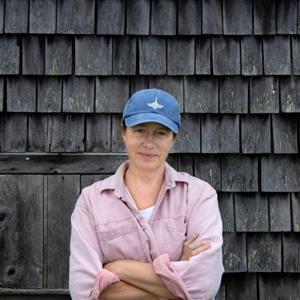
Natalie Houston discusses practical productivity in academia.
Podcast Notes
Guest: Dr. Natalie Houston
Opposition to the term productivity
Productivity defined
Productivity, to me, is not about doing more things faster. It is about doing the things that are most important to me and creating the kind of life I want to have…
To do something with ease is to bring a kind of comfort and grace to the task. It can also be more room [in your life]… Living a life with more ease…
Challenges and approaches for faculty
Blurring between work and non-work timeProtect quality time for your most important work/projectsCreating appropriate boundariesSchedule blocks of time to letCommit to avoiding digital devices before bedEstablish a bedtime for ourselvesArticulate an ideal weekend/SaturdayEnlist partner’s support in fulfilling that ideal dayThe idea of a sabbath day in many spiritual traditions is to set aside a day for rest.
Email
Challenge with accessing email on our phones
Taking breaks
A timer is my most important productivity tool. You can use a timer in so many parts of your day.
Timing a break enhances the relaxation of that break.
Recommendations
How to manage references with Zotero, by Catherine Pope (Bonni)
The Rise of Superman: Decoding the Science of Ultimate Human Performance, by Stephen Kotler