
Sign up to save your podcasts
Or



It's New Year's Eve, and if you're feeling anything other than excited, there's absolutely nothing wrong with you.
This isn't your typical "new year, new you" pep talk. It's for the trauma survivors who are exhausted by the pressure to transform, who feel like they're failing because they didn't have some massive breakthrough this year, or who are just relieved the dumpster fire of 2025 is over.
In this episode, I talk about why New Year's can be so hard when you're healing from complex trauma, why your nervous system doesn't care about artificial timelines, and what actually supports healing (spoiler: it's not punishing yourself into productivity).
I also get real about my own year, what I'm hoping for in 2026, and the moment I realized I've been so busy overfunctioning that I don't even have hobbies.
Plus, a sneak peek at what's coming in 2026: narcissism in families, religious trauma, emotional neglect, dissociation, and betrayal trauma.
Whatever you're feeling tonight, it's allowed. You're allowed to be exactly where you are.
Happy New Year.
...
Thanks for listening to The Complex Trauma Podcast!
Be sure to follow, share and give us a review on your favorite podcast platform.
Follow on Instagram: @sarahherstichlcsw
Follow on TikTok: @sarahherstichlcsw
Learn more about EMDR & trauma therapy in Pennsylvania with Reclaim Therapy
This podcast is for educational and informational purposes only. It is not intended as a substitute for professional medical, psychological, or nutritional advice, diagnosis, or treatment.
Remember, I'm a therapist, but I'm not your therapist. Nothing in this podcast is meant to replace actual therapy or treatment. If you're in crisis or things feel really unsafe right now, please reach out to someone. You can call 988 for the Suicide and Crisis Lifeline, text them, or head to your nearest ER.
The views expressed by the host and guests are their own and do not represent the opinions of any organizations or institutions. Reliance on any information provided by this podcast is solely at your own risk.
That weird week between the holidays and New Year's hits different. You've survived the holiday chaos, the family dynamics, the endless to-do lists, and now you're supposed to just... exist?
Enter: the emotional hangover.
In this episode, we break down why that post-holiday crash feels so brutal and what actually helps when you're running on empty.
What We Cover:
Key Takeaways: Research shows more than half of adults need weeks to feel regulated after the holidays. If you're crashed on the couch questioning everything, you're recovering. That's what your nervous system is supposed to do.
Thanks for listening to The Complex Trauma Podcast!
Be sure to follow, share and give us a review on your favorite podcast platform.
Follow on Instagram: @sarahherstichlcsw
Follow on TikTok: @sarahherstichlcsw
Learn more about EMDR & trauma therapy in Pennsylvania with Reclaim Therapy
This podcast is for educational and informational purposes only. It is not intended as a substitute for professional medical, psychological, or nutritional advice, diagnosis, or treatment.
Remember, I'm a therapist, but I'm not your therapist. Nothing in this podcast is meant to replace actual therapy or treatment. If you're in crisis or things feel really unsafe right now, please reach out to someone. You can call 988 for the Suicide and Crisis Lifeline, text them, or head to your nearest ER.
The views expressed by the host and guests are their own and do not represent the opinions of any organizations or institutions. Reliance on any information provided by this podcast is solely at your own risk.
You set a boundary. They ignored it. You repeated yourself. They pushed again. And by the fourth time, you weren't calmly redirecting anymore, you were yelling, crying, or walking out. Now you're sitting with shame, wondering if all that therapy was pointless.
In this episode, I answer a listener question about what to do when family members repeatedly violate your boundaries during holiday gatherings. I talk about what's actually happening in your body when boundaries get crossed (spoiler: you're not choosing to lose your temper, you're in a survival response), why family systems resist your boundaries so hard, and the difference between a boundary and a request (this one's huge).
In this episode, we cover:
Resources mentioned:
Free Dysregulation SOS Toolkit
Have a question for the podcast?
Head to www.yourcomplextrauma.com/contact to record your question. We only share with your permission.
Thanks for listening to The Complex Trauma Podcast!
Be sure to follow, share and give us a review on your favorite podcast platform.
Follow on Instagram: @sarahherstichlcsw
Follow on TikTok: @sarahherstichlcsw
Learn more about EMDR & trauma therapy in Pennsylvania with Reclaim Therapy
This podcast is for educational and informational purposes only. It is not intended as a substitute for professional medical, psychological, or nutritional advice, diagnosis, or treatment.
Remember, I'm a therapist, but I'm not your therapist. Nothing in this podcast is meant to replace actual therapy or treatment. If you're in crisis or things feel really unsafe right now, please reach out to someone. You can call 988 for the Suicide and Crisis Lifeline, text them, or head to your nearest ER.
The views expressed by the host and guests are their own and do not represent the opinions of any organizations or institutions. Reliance on any information provided by this podcast is solely at your own risk.
If family gatherings leave you feeling drained or like you're reverting to an old version of yourself, you're not alone. EMDR therapist and yoga teacher, Abby Albright, returns to discuss the invisible rules governing dysfunctional family systems and how they intensify during the holidays.
We explore six categories of unspoken family rules: emotional (don't feel, don't be sad), need-based (don't need anything), relational (don't rock the boat, don't outshine anyone), role-based, loyalty (protect the family image), and safety rules. These aren't written anywhere, but they live in our bodies and shape how we show up.
Abby shares how these patterns create physical tension, why breaking invisible rules feels scary, and practical ways to find choice within challenging family dynamics. We talk about being a pattern breaker and giving yourself permission to show up differently, even in small ways.
What You'll Learn:
Check out Abby's Therapeutic Yoga offerings here
For more on dysfunctional family dynamics around the holidays, tune into:
Family Dysfunction: What It Is and What To Do With It
Dysfunctional Family Dynamics & The Holidays
Thanks for listening to The Complex Trauma Podcast!
Be sure to follow, share and give us a review on your favorite podcast platform.
Follow on Instagram: @sarahherstichlcsw
Follow on TikTok: @sarahherstichlcsw
Learn more about EMDR & trauma therapy in Pennsylvania with Reclaim Therapy
This podcast is for educational and informational purposes only. It is not intended as a substitute for professional medical, psychological, or nutritional advice, diagnosis, or treatment.
Remember, I'm a therapist, but I'm not your therapist. Nothing in this podcast is meant to replace actual therapy or treatment. If you're in crisis or things feel really unsafe right now, please reach out to someone. You can call 988 for the Suicide and Crisis Lifeline, text them, or head to your nearest ER.
The views expressed by the host and guests are their own and do not represent the opinions of any organizations or institutions. Reliance on any information provided by this podcast is solely at your own risk.
In this episode, I sit down with Dr. Judith Herman, author of the groundbreaking book Trauma and Recovery, to talk about complex PTSD, trauma recovery, and what justice actually means to survivors.
Dr. Herman explains why complex trauma is still overlooked in mental health training, what the three stages of trauma recovery really look like in practice, and why isolation is one of the biggest predictors of poor outcomes. We also dig into her latest book, Truth and Repair, where she interviewed 30 survivors about what they actually want when it comes to accountability and healing.
This conversation challenges everything you think you know about justice, punishment, and what it takes to move forward after trauma. If you've ever felt invisible, unheard, or like the system wasn't built for you, this episode will validate every single thing you've been feeling.
Topics covered:
If this episode resonates with you, please share it with someone who needs to hear it.
Thanks for listening to The Complex Trauma Podcast!
Be sure to follow, share and give us a review on your favorite podcast platform.
Follow on Instagram: @sarahherstichlcsw
Follow on TikTok: @sarahherstichlcsw
Learn more about EMDR & trauma therapy in Pennsylvania with Reclaim Therapy
This podcast is for educational and informational purposes only. It is not intended as a substitute for professional medical, psychological, or nutritional advice, diagnosis, or treatment.
Remember, I'm a therapist, but I'm not your therapist. Nothing in this podcast is meant to replace actual therapy or treatment. If you're in crisis or things feel really unsafe right now, please reach out to someone. You can call 988 for the Suicide and Crisis Lifeline, text them, or head to your nearest ER.
The views expressed by the host and guests are their own and do not represent the opinions of any organizations or institutions. Reliance on any information provided by this podcast is solely at your own risk.
If you've been diagnosed with anxiety, depression, borderline personality disorder, or bipolar - but nothing quite fits - you might actually be dealing with Complex PTSD.
In this episode, I break down the crucial differences between PTSD and CPTSD, why so many trauma survivors get misdiagnosed, and why traditional therapy approaches often miss the mark for complex trauma.
Be sure to listen to my interview with Dr. Judith Herman next!
Thanks for listening to The Complex Trauma Podcast!
Be sure to follow, share and give us a review on your favorite podcast platform.
Follow on Instagram: @sarahherstichlcsw
Follow on TikTok: @sarahherstichlcsw
Learn more about EMDR & trauma therapy in Pennsylvania with Reclaim Therapy
This podcast is for educational and informational purposes only. It is not intended as a substitute for professional medical, psychological, or nutritional advice, diagnosis, or treatment.
Remember, I'm a therapist, but I'm not your therapist. Nothing in this podcast is meant to replace actual therapy or treatment. If you're in crisis or things feel really unsafe right now, please reach out to someone. You can call 988 for the Suicide and Crisis Lifeline, text them, or head to your nearest ER.
The views expressed by the host and guests are their own and do not represent the opinions of any organizations or institutions. Reliance on any information provided by this podcast is solely at your own risk.
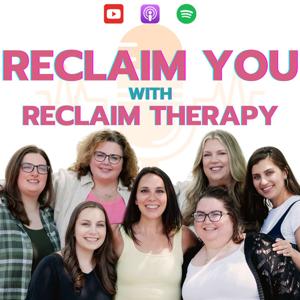
Welcome to the Complex Trauma Podcast, formerly Reclaim You.
If you’ve been minimizing your experiences as “not that bad,” holding it together for everyone else because you don’t know another way, or you’re finally ready to understand why you are the way you are in the world, you’re in the right place.
Host Sarah Herstich shares the story behind the rebrand, her journey from treating eating disorders to specializing in complex trauma, and what’s coming next.
What You’ll Learn:
• Why the podcast evolved from Reclaim You to the Complex Trauma Podcast
• The connection between eating disorders and complex trauma that kept showing up in practice
• How becoming a parent (especially to a neurodivergent child) deepened Sarah’s understanding of trauma and the nervous system
• What complex trauma actually looks like in daily life beyond the symptoms
• Why so many survivors say “it wasn’t that bad” and minimize their experiences
• What to expect from upcoming solo episodes and expert interviews
• How having language for complex trauma can change everything about your healing
What’s Coming:
• The critical difference between PTSD and CPTSD
• Expert conversations with Janina Fisher, Dr. Judith Herman, and Thomas Zimmerman
• Deep dives into how trauma lives in your body and nervous system
• Understanding overlooked childhood experiences that shape who you are today
Who This Podcast Is For:
Cycle breakers. People re-parenting themselves. People who’ve been holding it together for everyone else because they don’t know another way. People who feel numb or dissociated. There are really good reasons for the way you are in the world.
New here?
Subscribe to the Complex Trauma Podcast and join a community where you can feel seen, understood, and less alone.
Been here since Reclaim You?
Thank you for walking alongside us through every version of this work. Same heart, same mission, new name.
If this episode resonated, leave a review to help other complex trauma survivors find this podcast when they need it most
Thanks for listening to The Complex Trauma Podcast!
Be sure to follow, share and give us a review on your favorite podcast platform.
Follow on Instagram: @sarahherstichlcsw
Follow on TikTok: @sarahherstichlcsw
Learn more about EMDR & trauma therapy in Pennsylvania with Reclaim Therapy
This podcast is for educational and informational purposes only. It is not intended as a substitute for professional medical, psychological, or nutritional advice, diagnosis, or treatment.
Remember, I'm a therapist, but I'm not your therapist. Nothing in this podcast is meant to replace actual therapy or treatment. If you're in crisis or things feel really unsafe right now, please reach out to someone. You can call 988 for the Suicide and Crisis Lifeline, text them, or head to your nearest ER.
The views expressed by the host and guests are their own and do not represent the opinions of any organizations or institutions. Reliance on any information provided by this podcast is solely at your own risk.
Does love feel overwhelming, triggering, or just plain scary? If you have Complex PTSD, your nervous system might be treating intimacy like a threat, even when you desperately want connection.
In this episode, I break down why CPTSD makes love feel so complicated, what's actually happening in your nervous system when someone gets close, and the real (messy, non-linear) path to trusting love again. If you're wondering about Complex PTSD and relationship, this episode is for you.
You'll learn:
This episode is for you if:
Whether you're struggling to accept love yourself or supporting someone who is, this conversation offers a bit of hope and concrete tools for healing.
Resources mentioned:
Original blog post: https://www.sarahherstichlcsw.com/blog/a-cptsd-therapist-shares-tips-to-accept-love-as-a-complex-ptsd-survivor
PTSD vs CPTSD: https://www.sarahherstichlcsw.com/blog/ptsd-vs-cptsd-trauma-therapy
Free Attachment Guide: https://www.subscribepage.com/attachment-style-guide
Connect with the Reclaim Therapy Team: https://www.reclaimtherapy.org
Thanks for listening to The Complex Trauma Podcast!
Be sure to follow, share and give us a review on your favorite podcast platform.
Follow on Instagram: @sarahherstichlcsw
Follow on TikTok: @sarahherstichlcsw
Learn more about EMDR & trauma therapy in Pennsylvania with Reclaim Therapy
This podcast is for educational and informational purposes only. It is not intended as a substitute for professional medical, psychological, or nutritional advice, diagnosis, or treatment.
Remember, I'm a therapist, but I'm not your therapist. Nothing in this podcast is meant to replace actual therapy or treatment. If you're in crisis or things feel really unsafe right now, please reach out to someone. You can call 988 for the Suicide and Crisis Lifeline, text them, or head to your nearest ER.
The views expressed by the host and guests are their own and do not represent the opinions of any organizations or institutions. Reliance on any information provided by this podcast is solely at your own risk.
In this solo episode, trauma and EMDR therapist Abby Albright breaks down what trauma-informed yoga actually is and why it can be such a powerful support for healing.
She explores how this gentle approach to movement creates space for choice, consent, and nervous system awareness, especially for those living with trauma.
You’ll learn how trauma-informed yoga differs from traditional yoga classes, why it’s rooted in Polyvagal Theory, and how practices like grounding, breathwork, and mindful movement can help shift you out of survival states and into connection.
Abby also shares real-life examples of how she uses yoga to navigate hyperarousal, shutdown, and moments of presence in her own life and practice.
Whether you’re a beginner, a trauma survivor, or a therapist curious about incorporating somatic practices into your work, this episode offers an accessible, embodied entry point into healing.
Read this episode on the blog here: https://www.sarahherstichlcsw.com/blog/what-is-trauma-informed-yoga
Learn more about yoga with Abby here: https://www.sarahherstichlcsw.com/trauma-informed-yoga-therapy
Grab a FREE 30 minute Yoga Class here: https://www.subscribepage.com/abbys-yoga-newsletter
Thanks for listening to The Complex Trauma Podcast!
Be sure to follow, share and give us a review on your favorite podcast platform.
Follow on Instagram: @sarahherstichlcsw
Follow on TikTok: @sarahherstichlcsw
Learn more about EMDR & trauma therapy in Pennsylvania with Reclaim Therapy
This podcast is for educational and informational purposes only. It is not intended as a substitute for professional medical, psychological, or nutritional advice, diagnosis, or treatment.
Remember, I'm a therapist, but I'm not your therapist. Nothing in this podcast is meant to replace actual therapy or treatment. If you're in crisis or things feel really unsafe right now, please reach out to someone. You can call 988 for the Suicide and Crisis Lifeline, text them, or head to your nearest ER.
The views expressed by the host and guests are their own and do not represent the opinions of any organizations or institutions. Reliance on any information provided by this podcast is solely at your own risk.
In this mini episode, Abby gets personal, sharing how her journey from dance to yoga became a turning point in her own healing.
She opens up about what it meant to shift from performance to presence, and how yoga helped her slow down, reconnect with her body, and build a foundation rooted in awareness and self-trust.
You’ll hear reflections on the lessons she’s learned on the mat (and off), the power of starting with the basics, and why community matters just as much as the poses. Whether you’re new to yoga or returning after a long break, this episode offers a gentle reminder: it’s not about doing it perfectly—it’s about doing it with care.
Read the full blog at https://www.sarahherstichlcsw.com/blog/5-ways-yoga-has-supported-me-in-my-healing
Learn more about Abby's Yoga offerings here: https://www.sarahherstichlcsw.com/trauma-informed-yoga-therapy
Sign up for Abby's FREE 30 minute on demand yoga class at https://www.subscribepage.com/abbys-yoga-newsletter
Thanks for listening to The Complex Trauma Podcast!
Be sure to follow, share and give us a review on your favorite podcast platform.
Follow on Instagram: @sarahherstichlcsw
Follow on TikTok: @sarahherstichlcsw
Learn more about EMDR & trauma therapy in Pennsylvania with Reclaim Therapy
This podcast is for educational and informational purposes only. It is not intended as a substitute for professional medical, psychological, or nutritional advice, diagnosis, or treatment.
Remember, I'm a therapist, but I'm not your therapist. Nothing in this podcast is meant to replace actual therapy or treatment. If you're in crisis or things feel really unsafe right now, please reach out to someone. You can call 988 for the Suicide and Crisis Lifeline, text them, or head to your nearest ER.
The views expressed by the host and guests are their own and do not represent the opinions of any organizations or institutions. Reliance on any information provided by this podcast is solely at your own risk.
From the publisher's feed
A podcast for anyone healing from complex PTSD, childhood emotional neglect, and the patterns you've been carrying without knowing what to call them.
Hosted by EMDR and somatic…
If you've spent years people-pleasing, apologizing for existing, or holding it together on the outside while unraveling on the inside, this is for you.
We talk about the fawn response, toxic shame, hypervigilance, and why your body still doesn't feel safe even when nothing bad is happening. No bypassing, no Band-Aids, just honest conversation about healing from complex trauma and getting your life back.
Whether you're just figuring out what CPTSD is or you've been in therapy for years, you'll find nervous system education, somatic practices, and someone who actually understands what you're going through.
New episodes every Wednesday.

171,955 Listeners

11,760 Listeners

9,053 Listeners

2,510 Listeners

14,916 Listeners

900 Listeners

367 Listeners
7,093 Listeners

29,186 Listeners

1,851 Listeners

41,381 Listeners

1,056 Listeners

19,146 Listeners

340 Listeners

12,417 Listeners